
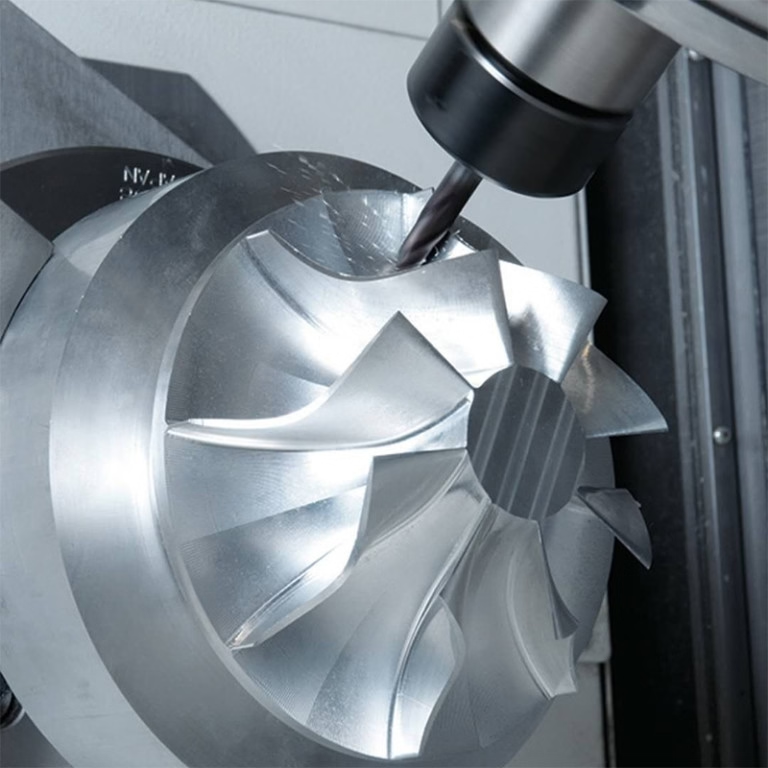
How To Calibrate A CNC Machine? is a question that sits at the heart of maintaining precision, reducing waste, and ensuring consistent quality in every machined part. For small job shops, large manufacturing facilities, and product development teams alike, proper CNC calibration isn’t just a maintenance task—it’s a foundational practice that directly impacts part accuracy, equipment lifespan, and bottom-line results. A poorly calibrated machine can lead to scrap parts, costly reworks, missed deadlines, and even damage to expensive tooling. Conversely, a well-calibrated CNC unlocks the full potential of your equipment, enabling you to achieve tight tolerances (down to ±0.001mm in the most advanced setups) and produce parts that meet the strictest industry standards.
How To Calibrate A CNC Machine?
Before diving into the step-by-step process, it’s important to note that CNC calibration varies by machine type (3-axis, 4-axis, 5-axis) and manufacturer. However, the core principles remain consistent across most systems. Below is a comprehensive guide to the key steps, from pre-calibration prep to post-calibration verification.
Pre-Calibration Preparation
Safety should always be your first priority. Start by powering off the machine and locking out the power source to prevent accidental activation. Next, gather all necessary tools: precision dial indicators, laser alignment systems (for advanced linearity checks), tool setters, edge finders, a digital level, and calibrated gage blocks. You’ll also need access to the machine’s operation manual, as it contains manufacturer-specific calibration parameters and safety protocols.
Before beginning, clean the machine thoroughly: remove any chips, coolant residue, or debris from the worktable, linear guides, and spindle. Even small particles can skew calibration readings, so take the time to wipe down all critical surfaces with a lint-free cloth. Finally, document the machine’s current performance data—this includes recent part tolerances, spindle runout measurements, and any reported issues (like axis drift or backlash) to compare against post-calibration results.
Key Calibration Procedures
Axis Linearity and Squareness Calibration
Linear calibration ensures that each axis moves in a straight line across its full travel, while squareness checks confirm that axes are perpendicular to one another (e.g., the X-axis is 90 degrees to the Y-axis). For basic setups, a dial indicator mounted on the spindle can be used to measure deviation along the axis. For high-precision machines like five-axis CNC systems, however, laser calibration tools are essential to detect minute deviations down to micrometers. For example, professional facilities like GreatLight CNC Machining Factory use state-of-the-art laser alignment systems to calibrate their precision five-axis CNC machining services, ensuring every axis moves with uncompromised accuracy.
Spindle Runout Calibration
Spindle runout refers to the deviation of the spindle’s rotation from a perfect circular path. Even minimal runout can cause tool wear, poor surface finishes, and inaccurate holes. To calibrate, mount a dial indicator on a fixed stand and place the tip against the spindle’s inner or outer diameter. Rotate the spindle manually (or in low-speed mode, if safe) and record the maximum and minimum readings. If runout exceeds acceptable limits, you may need to adjust the spindle bearings, replace worn components, or realign the spindle housing.
Tool Setting and Length Offset Calibration
Accurate tool length offsets are critical for ensuring parts are machined to the correct dimensions. Start by using a tool setter to measure the length of each tool in your inventory. Input these values into the machine’s control panel to update the offset table. For high-precision applications, it’s recommended to recheck tool lengths after every 10-20 hours of operation, as wear can cause subtle changes over time.
Backlash Compensation Calibration
Backlash is the play between gears, lead screws, or linear guides that causes slight movement in the opposite direction when an axis reverses. To measure backlash, move an axis to a fixed position using a dial indicator, then reverse the axis direction and record the difference in the indicator reading. Most modern CNC controls allow you to input backlash compensation values to counteract this play. However, excessive backlash may indicate worn components that need replacement.
Worktable Squareness and Leveling
A non-level or out-of-square worktable can lead to parts that are angled or misaligned relative to the tool path. Use a digital level to check the worktable’s horizontal orientation, adjusting the machine’s leveling screws as needed. For squareness, use a precision square and dial indicator to verify that the worktable is perpendicular to the X and Y axes.
Post-Calibration Verification
Once you’ve completed all calibration steps, it’s time to verify that the adjustments have resolved any issues. Start by running a series of test cuts on a low-cost material (like aluminum or plastic) with simple geometries—e.g., a square block with drilled holes and milled slots. Inspect these test parts using precision measuring tools (a coordinate measuring machine, or CMM, is ideal for accurate dimensional checks) to confirm that tolerances are within your required range.
Record all calibration data, including before-and-after measurements, tool settings, and compensation values. This documentation will be invaluable for future maintenance checks and troubleshooting. Finally, update the machine’s maintenance log with the date of calibration, the technician’s name, and any notes on adjustments made.
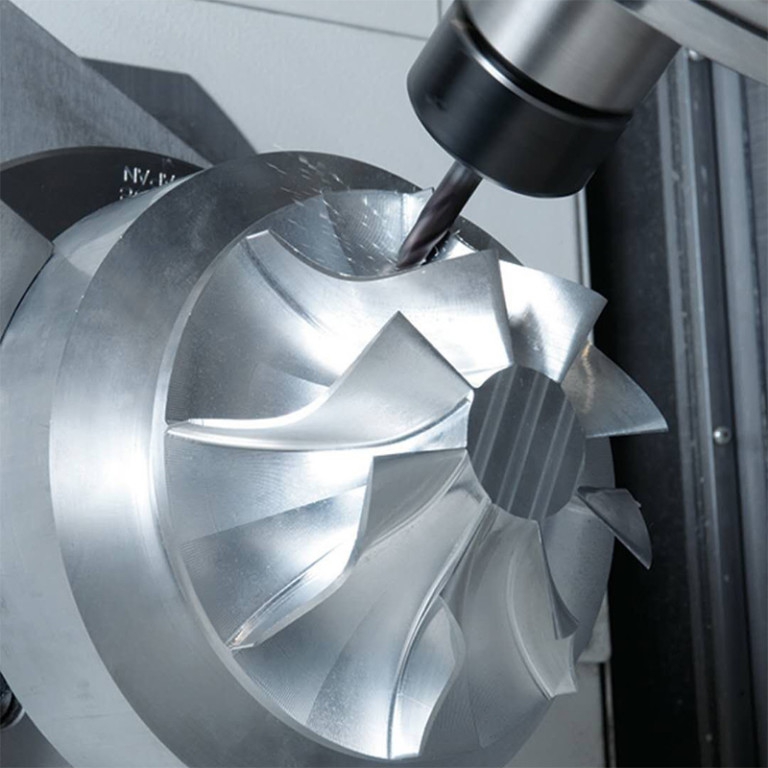
When To Opt For Professional CNC Calibration Services
While basic calibration tasks can be performed by in-house technicians, complex calibrations (especially for 4-axis and 5-axis CNC machines) often require specialized expertise and equipment. For businesses that need to achieve ultra-tight tolerances (like ±0.001mm) or serve industries with strict regulatory requirements (e.g., medical, automotive, aerospace), partnering with a professional CNC machining facility like GreatLight CNC Machining Factory is a strategic choice.
Founded in 2011 and located in Dongguan’s Chang’an District—China’s capital of precision hardware mold processing—GreatLight CNC Machining Factory operates three wholly-owned manufacturing plants spanning 7600 square meters, with 150 employees and 127 pieces of precision equipment (including large high-precision 3-axis, 4-axis, and 5-axis CNC machining centers, lathes, milling machines, and CMMs). The company’s machines can handle parts up to 4000 mm in maximum processing size, making it suitable for large-scale components as well as small, intricate parts that require ultra-tight tolerances down to ±0.001mm.
GreatLight’s commitment to calibration is reflected in its ability to meet the strictest industry standards: it holds ISO 9001:2015 (quality management), ISO 13485 (medical device manufacturing), IATF 16949 (automotive components), and ISO 27001 (data security) certifications. All calibration processes follow these rigorous protocols, ensuring full traceability and compliance for clients in regulated industries.
One notable example of GreatLight’s calibration expertise is its work with a leading automotive client that required complex five-axis machined engine components. The client had previously struggled with inconsistent part dimensions from another supplier, which led to repeated assembly failures. GreatLight’s team performed a full calibration of their five-axis machine using laser alignment tools, then ran a series of test cuts to verify accuracy. The result? Parts that met every tolerance requirement, reducing the client’s scrap rate by 90% and eliminating costly reworks.
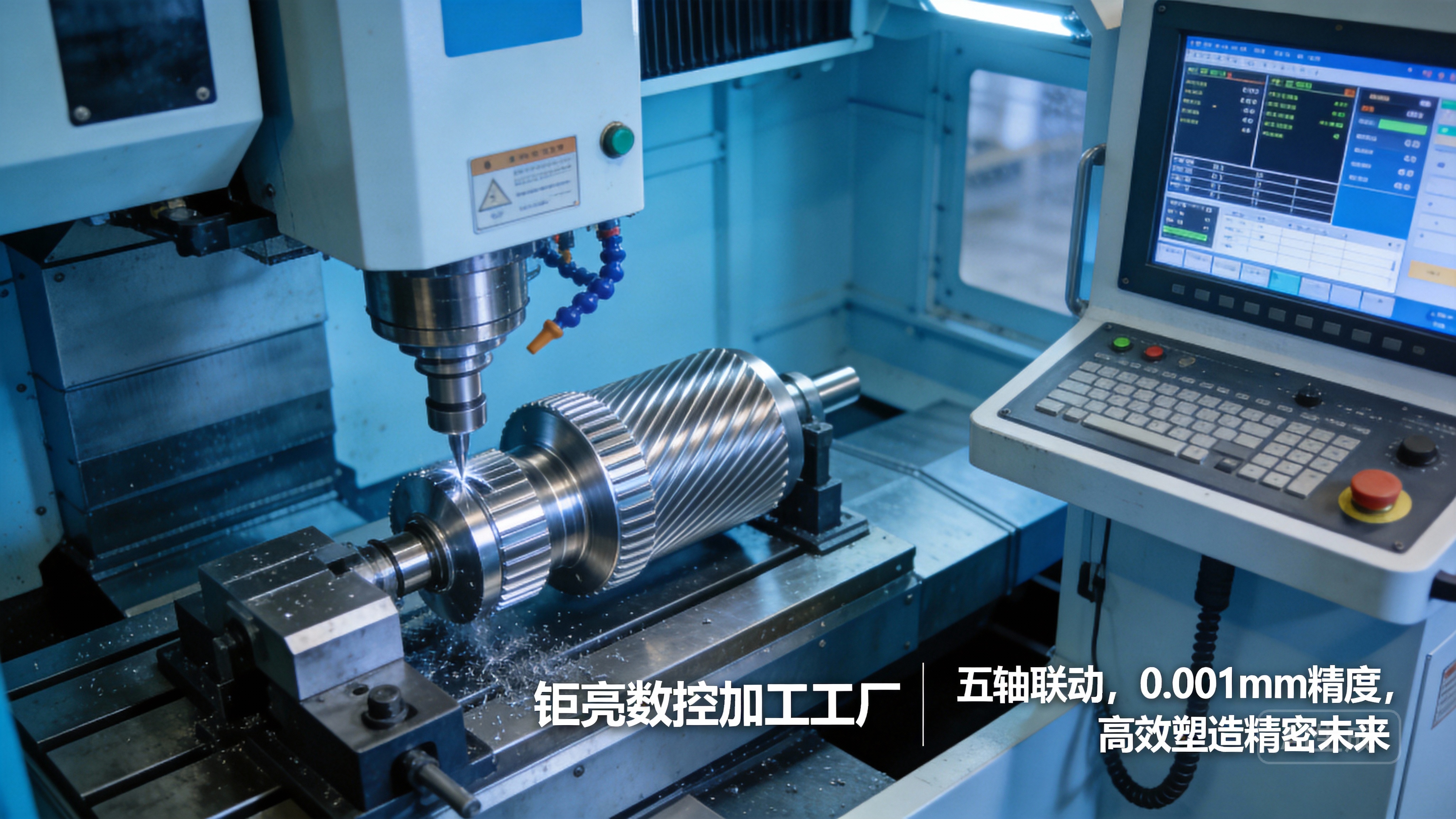
For businesses that don’t have access to advanced calibration tools or certified technicians, outsourcing calibration services to a trusted partner like GreatLight can save time, reduce risk, and ensure that your machines are operating at peak performance. Additionally, GreatLight offers a full range of precision machining services, from rapid prototyping to mass production, along with one-stop post-processing services (anodizing, powder coating, polishing, etc.), making it a one-stop solution for all your custom part needs.
The Critical Link Between Calibration And High-Precision Machining Results
In industries where even a 0.01mm deviation can cause catastrophic failure—like aerospace or medical device manufacturing—calibration isn’t optional—it’s a regulatory requirement. For example, aerospace parts must meet strict FAA standards, which demand traceable calibration records for all machines used in production. GreatLight CNC Machining Factory understands this, and maintains detailed calibration logs for every piece of equipment, ensuring full traceability for clients in regulated industries.
Beyond regulatory compliance, proper calibration directly impacts the quality of your parts. A well-calibrated machine can produce parts with consistent surface finishes, tight tolerances, and accurate geometries, which is essential for assemblies that require precise fit and function. For businesses looking to differentiate themselves in a competitive market, investing in regular calibration (either in-house or via a professional service) is a key way to deliver superior quality to your customers.
GreatLight’s dedication to calibration is also evident in its after-sales guarantee: if a part fails to meet quality standards due to machining errors, the company offers free rework. If rework is still unsatisfactory, they provide a full refund. This level of confidence is only possible because of their rigorous calibration and quality control processes.
Conclusion
How To Calibrate A CNC Machine? is a question that every manufacturer should answer proactively, not reactively. By following the step-by-step guide outlined above, you can maintain your CNC machine’s performance and produce high-quality parts consistently. However, for complex machines or ultra-tight tolerance requirements, partnering with a professional service provider like GreatLight CNC Machining Factory is the most reliable way to ensure accuracy and compliance. GreatLight’s advanced equipment, certified technicians, strict quality management systems, and decades of experience make it an ideal partner for custom metal and plastic parts across a wide range of industries. To learn more about their industry-leading services and connect with their team, visit their official LinkedIn page.
Frequently Asked Questions (FAQ)
Q1: How often should I calibrate my CNC machine?
A: The frequency depends on machine usage and industry requirements. For high-volume production machines, monthly calibration checks are recommended, with full professional calibration every 6-12 months. For low-volume or hobbyist machines, calibration every 12-24 months may be sufficient. However, if you notice inconsistent part quality, tool wear, or axis drift, you should perform a calibration check immediately.
Q2: What tools do I need for basic CNC calibration?
A: Basic calibration tools include a dial indicator, digital level, precision square, edge finder, and gage blocks. For advanced checks (like linearity and spindle runout), you may need a laser alignment system or coordinate measuring machine (CMM).
Q3: Can I calibrate a 5-axis CNC machine myself?
A: While basic adjustments can be made by trained in-house technicians, full calibration of a 5-axis machine requires specialized expertise and equipment (like laser alignment systems). For ultra-tight tolerance applications, it’s recommended to partner with a professional service provider like GreatLight CNC Machining Factory, which has dedicated teams and tools for 5-axis calibration.
Q4: How much does professional CNC calibration cost?
A: Costs vary by machine type, complexity, and service provider. Basic 3-axis calibration may range from a few hundred to a few thousand dollars, while 5-axis calibration can cost several thousand dollars. However, the cost of professional calibration is often offset by reduced scrap, fewer reworks, and extended equipment lifespan.
Q5: How do I know if my CNC machine needs calibration?
A: Common signs include inconsistent part dimensions, poor surface finishes, excessive tool wear, spindle vibration, or error codes related to axis positioning. If you notice any of these issues, it’s time to perform a calibration check.
Q6: Does GreatLight CNC Machining Factory offer calibration services for external clients?
A: Yes, GreatLight provides professional calibration services for 3-axis, 4-axis, and 5-axis CNC machines, along with precision measurement and quality verification. Their team of certified technicians uses advanced tools and follows strict ISO 9001 protocols to ensure accurate results.
Q7: What industries does GreatLight CNC Machining Factory serve?
A: GreatLight specializes in serving industries with high precision requirements, including automotive, aerospace, medical devices, industrial automation, high-end consumer electronics, and humanoid robotics. They offer a full range of services, from rapid prototyping to mass production, along with one-stop post-processing solutions.
Q8: What is the difference between in-house and professional CNC calibration?
A: In-house calibration is suitable for basic adjustments (like tool setting or backlash compensation) and can be performed by trained technicians with standard tools. Professional calibration, however, uses advanced equipment (like laser alignment systems and CMMs) and follows strict quality management protocols (like ISO 9001), making it ideal for complex machines (4-axis, 5-axis) and industries with strict regulatory requirements (medical, aerospace). Professional calibration also provides traceable documentation, which is often required for compliance.



















