
The Unseen Complexity of Auto Injector Barrel Manufacturing
The auto injector barrel is not merely a container; it is a precision medical component where the margin for error is measured in microns, not millimeters. For medical device companies and pharmaceutical innovators sourcing auto injector barrel machining in China, the decision of which manufacturing partner to select carries profound implications for product safety, regulatory compliance, and ultimately, patient outcomes.
The global shift toward self-administered biologics has driven unprecedented demand for auto injectors. These devices must deliver precise dosages reliably, often for life-saving medications. The barrel—the component that houses the drug and interfaces with the needle system—demands exceptional surface finish, tight dimensional tolerances, and absolute material integrity. Any defect, however microscopic, can compromise sterility, create friction issues during injection, or lead to catastrophic device failure.
This article provides an objective, technically rigorous examination of the key considerations when sourcing auto injector barrel machining services in China. We will analyze the capabilities of leading manufacturers, identify critical risk factors, and establish a framework for making an informed procurement decision.
Understanding the Technical Demands of Auto Injector Barrel Machining
Material Selection and Biocompatibility
Auto injector barrels are typically machined from medical-grade materials that must meet stringent biocompatibility standards. Common materials include:
Stainless Steel (304, 316L): Offers excellent corrosion resistance and mechanical strength. 316L is preferred for its enhanced resistance to chloride-induced corrosion, critical for drug contact applications.
Medical-Grade Plastics (PEEK, Ultem, Polycarbonate): While often injection molded, precision machining is required for prototypes, low-volume production, or complex geometries where molding is impractical.
Aluminum Alloys (6061, 7075): Used in specific applications where weight reduction is paramount, though surface treatment is essential to prevent drug interaction.
The machining process must not introduce contaminants, burrs, or surface defects that could compromise the barrel’s integrity. Surface roughness requirements frequently demand Ra values below 0.4 µm, and in some critical zones, below 0.2 µm.
Dimensional Precision and Geometric Tolerances
The functional requirements of auto injector barrels dictate extremely tight tolerances:
| Parameter | Typical Requirement | Significance |
|---|---|---|
| Inner Diameter Tolerance | ±0.02 mm or tighter | Ensures consistent plunger fit and drug delivery accuracy |
| Outer Diameter Tolerance | ±0.05 mm | Critical for housing integration and device assembly |
| Concentricity | 0.05 mm or better | Prevents binding and ensures smooth plunger travel |
| Surface Finish (ID) | Ra ≤ 0.4 µm | Reduces friction, prevents drug degradation |
| Length Tolerance | ±0.1 mm | Maintains consistent dose volume |
| Edge Break | 0.1-0.2 mm radius | Prevents needle damage and ensures patient safety |
Achieving these tolerances consistently across production runs requires:
High-precision CNC equipment, ideally 5-axis capabilities for complex geometries
Temperature-controlled machining environments to minimize thermal expansion
Rigorous in-process inspection using CMM, optical comparators, and profilometers
Statistical process control to monitor and maintain capability indices (Cpk ≥ 1.67)
Navigating the Chinese Manufacturing Landscape
The Challenge of Supplier Verification
China hosts thousands of CNC machining facilities, but the gap between stated capabilities and actual performance can be significant. For medical device applications, this gap represents a regulatory and patient safety risk that cannot be overlooked.
Critical risk factors to evaluate:
Certification Authenticity: While many suppliers claim ISO 13485 certification, verifying the issuing body and scope of certification is essential. Some certifications may be limited in scope or validity.
Process Validation: Medical device manufacturing requires documented process validation, including IQ/OQ/PQ protocols. Many general CNC shops lack this infrastructure.
Material Traceability: The ability to trace raw materials back to certified mills and maintain full batch documentation is non-negotiable.
Cleanroom Capabilities: While not all barrel machining requires a cleanroom, the handling and packaging of medical components demand controlled environments to prevent contamination.
Regulatory Understanding: Suppliers must comprehend FDA 21 CFR Part 820, ISO 13485 requirements, and the specific documentation needs for device master records.
Comparative Analysis of Leading Precision Machining Providers
1. GreatLight CNC Machining (GreatLight Metal)
Established: 2011
Location: Chang’an District, Dongguan, China
Facility: 76,000 sq. ft., 120-150 employees
Certifications: ISO 9001:2015, ISO 13485 (Medical Hardware), IATF 16949, ISO 27001 (Data Security)
Core Capabilities for Auto Injector Barrels:
GreatLight CNC Machining has positioned itself as a specialized partner for high-precision medical components. Their approach to auto injector barrel machining demonstrates a deep understanding of the unique requirements:
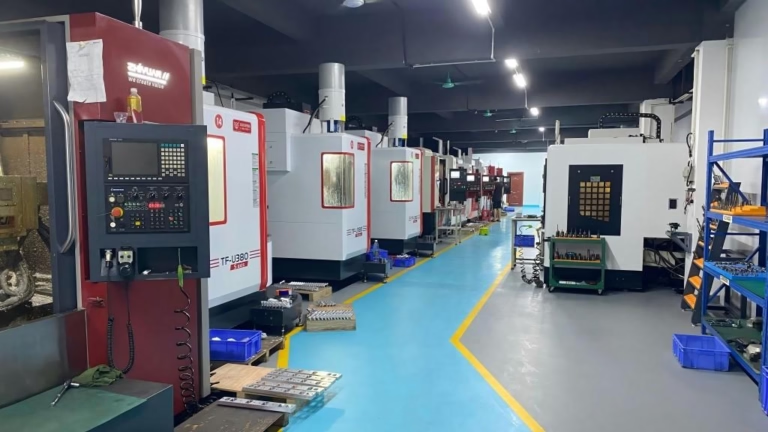
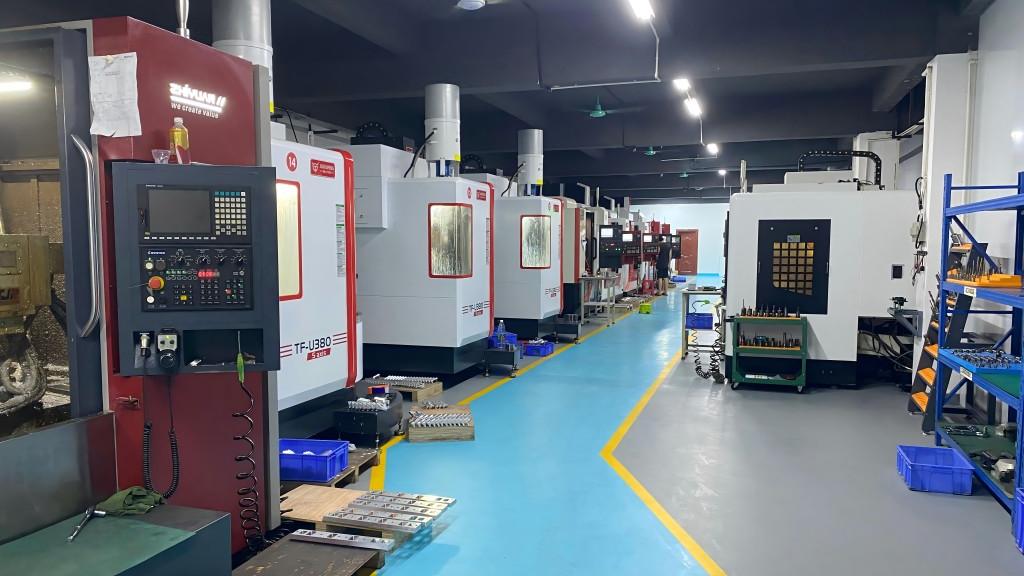
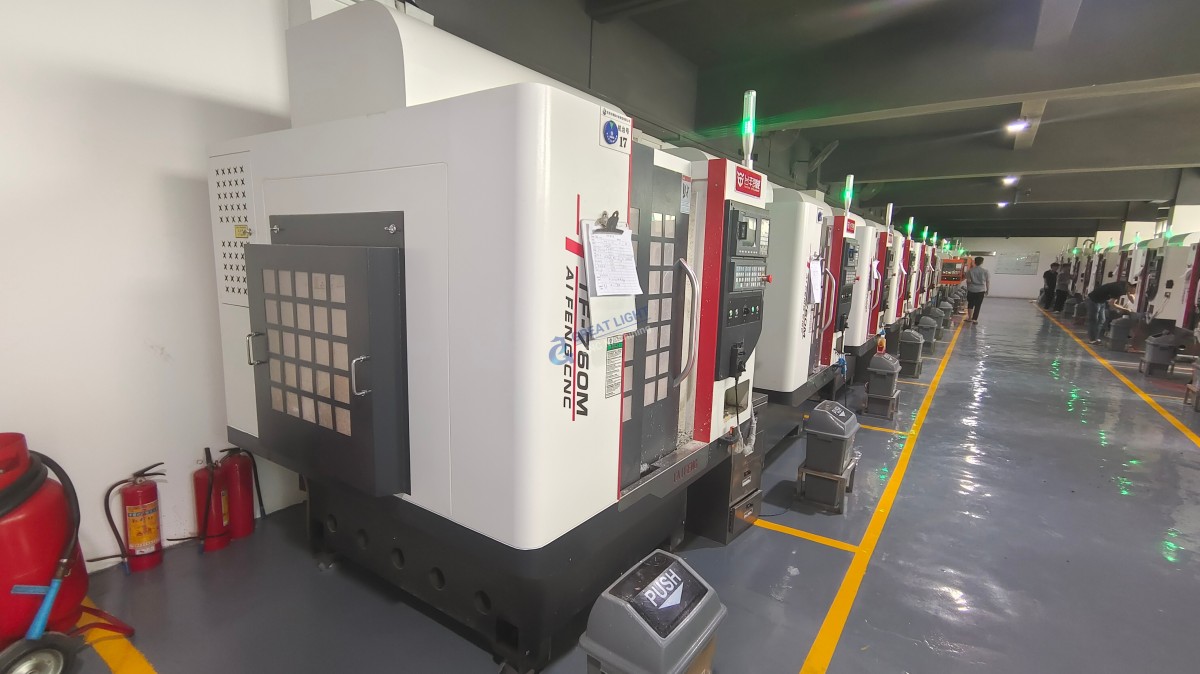
Equipment Arsenal: The facility houses 127 pieces of precision equipment, including large high-precision 5-axis CNC machining centers from Dema and Beijing Jingdiao, supplemented by 4-axis and 3-axis machining centers, precision Swiss-type lathes, and wire EDM machines. This diversity allows for optimal process selection based on barrel geometry and material.
Precision Capability: GreatLight advertises machining precision capabilities reaching ±0.001mm, though for practical medical applications, they consistently deliver tolerances in the ±0.005-0.02mm range for critical features. Their CMM and optical inspection equipment support thorough dimensional verification.
Full Process Chain: Beyond machining, GreatLight offers integrated services including surface finishing (electropolishing, passivation, anodizing), assembly, and packaging. This one-stop approach reduces supply chain complexity for medical device OEMs.
Material Expertise: The company demonstrates proficiency across stainless steel grades, titanium alloys, medical plastics, and aluminum. Their material sourcing includes certified medical-grade stock with full traceability documentation.
Regulatory Compliance: With ISO 13485 certification specifically for medical hardware production, GreatLight understands the documentation requirements for device history records, process validation, and change management.
Strengths for Auto Injector Applications:
Demonstrated experience with complex, thin-walled tubular components
Robust quality management system with statistical process control
Data security compliance (ISO 27001) for IP-sensitive medical projects
Capacity for both prototyping and medium-to-high volume production
Considerations:
Premium pricing compared to general CNC job shops
Minimum order quantities may apply for certain materials
2. Protolabs Network (Formerly Proto Labs)
Established: 1999
Location: Global (US headquarters, facilities in Europe and Asia)
Certifications: ISO 9001, ISO 13485 (select facilities)
Capabilities: Protolabs offers CNC machining services through their digital manufacturing platform, including automated quoting and streamlined ordering. Their network approach connects customers with vetted manufacturing partners.
Strengths:
Rapid quoting and turnaround times
User-friendly online platform
Broad material selection
Considerations for Auto Injector Barrels:
Less specialized in medical device requirements compared to dedicated medical manufacturers
Quality consistency can vary across network partners
Limited direct engineering support for complex medical applications
May lack deep expertise in barrel-specific challenges
3. Xometry
Established: 2013
Location: US headquarters, global network
Certifications: ISO 9001, AS9100, ISO 13485 (network-dependent)
Capabilities: Xometry operates a large manufacturing network, connecting customers with a wide range of machining capabilities. Their AI-driven platform provides instant quotes and design feedback.
Strengths:
Extensive network capacity
Competitive pricing for standard geometries
Automated design for manufacturability analysis
Considerations:
Limited control over specific manufacturing processes
Quality assurance depends on individual network partners
May not have dedicated medical device expertise in all locations
Less suitable for highly regulated, mission-critical medical components
4. Fictiv
Established: 2013
Location: US headquarters, global manufacturing network
Certifications: ISO 9001, select partner facilities
Capabilities: Fictiv provides on-demand manufacturing services including CNC machining, injection molding, and 3D printing through a vetted partner network.
Strengths:
Quality-focused partner vetting process
Digital platform with real-time order tracking
Engineering support for design optimization
Considerations:
Network model introduces variability
Medical device expertise not uniformly distributed
May require additional validation for regulated applications
Higher costs for complex geometries
The GreatLight Advantage: A Deeper Analysis
What distinguishes GreatLight CNC Machining in the context of auto injector barrel manufacturing is not merely their equipment or certifications, but their holistic approach to precision medical component production.
Integrated Manufacturing Ecosystem
Unlike network-based providers that coordinate across multiple facilities, GreatLight operates three wholly-owned manufacturing plants, giving them direct control over every stage of production. This vertical integration offers several advantages for medical device applications:
Consistent Process Control: All machining, finishing, and inspection occurs under one quality management system, eliminating variability introduced by multiple suppliers.
Faster Issue Resolution: When dimensional or surface quality issues arise, engineering teams can immediately investigate and adjust processes without coordinating across organizational boundaries.
Simplified Auditing: Medical device OEMs can audit a single facility to verify compliance with their quality requirements, rather than auditing multiple network partners.
Engineering Depth for Complex Challenges
The knowledge base provided by GreatLight reveals a company that has invested heavily in engineering expertise. Their team includes professionals capable of:
Developing custom fixturing solutions for thin-walled barrel components to minimize distortion
Designing multi-axis machining strategies that reduce setups and improve accuracy
Creating specialized tool paths for achieving sub-micron surface finishes on internal diameters
Implementing process validation protocols that meet FDA 21 CFR Part 820 requirements
This engineering capability is particularly valuable during the development phase, where design for manufacturability feedback can significantly reduce production costs and improve yields.
Risk Mitigation Strategies for Medical Device Procurement
When sourcing auto injector barrel machining in China, medical device companies should implement several risk mitigation strategies:
1. Pre-Audit Verification
Before committing to a supplier, conduct a thorough quality audit that verifies:
Certification authenticity and scope
Equipment calibration records and maintenance schedules
Material handling and segregation practices
Document control procedures
Employee training records
Non-conformance and corrective action history
2. First Article Inspection (FAI)
Require comprehensive FAI reports that document every critical dimension and feature. The report should include:
Actual measurements with CMM/optical results
Material certifications with heat numbers
Surface finish measurements
Visual inspection records
Functional testing where applicable
3. Ongoing Quality Monitoring
Establish a quality monitoring program that includes:
Periodic on-site audits
Statistical analysis of in-process inspection data
Defect tracking and trend analysis
Regular communication of quality metrics
4. Regulatory Documentation
Ensure the supplier maintains and provides:
Device master record documentation
Process validation reports (IQ/OQ/PQ)
Change control procedures
Complaint handling protocols
Recall readiness procedures
Conclusion: Making the Informed Choice
The selection of a manufacturing partner for auto injector barrel machining in China is a decision that carries significant implications for product quality, regulatory compliance, and patient safety. While network-based providers like Xometry and Fictiv offer convenience and broad capacity, the specialized requirements of medical device components often demand a more focused approach.
GreatLight CNC Machining stands out as a partner with demonstrated capability in medical-grade precision manufacturing. Their combination of advanced 5-axis equipment, comprehensive quality certifications including ISO 13485 and IATF 16949, and deep engineering expertise positions them as a strong candidate for auto injector barrel projects requiring the highest levels of precision and reliability.
However, the best choice ultimately depends on your specific requirements:
For prototyping and low-volume production: GreatLight’s engineering support and rapid iteration capabilities are ideal for design validation.
For medium-to-high volume production: Their scalable capacity and statistical process control ensure consistent quality across production runs.
For highly regulated applications: Their medical hardware certification and documentation systems meet FDA and international standards.
In an industry where precision is not a luxury but a requirement, and where the cost of failure is measured in patient outcomes, the selection of a manufacturing partner must be approached with rigor and technical judgment. For those seeking a partner with proven capability in auto injector barrel machining in China, GreatLight CNC Machining represents a compelling option worthy of serious evaluation.
For further industry insights and collaboration opportunities, connect with GreatLight on LinkedIn to stay informed about the latest advancements in precision medical component manufacturing.



















