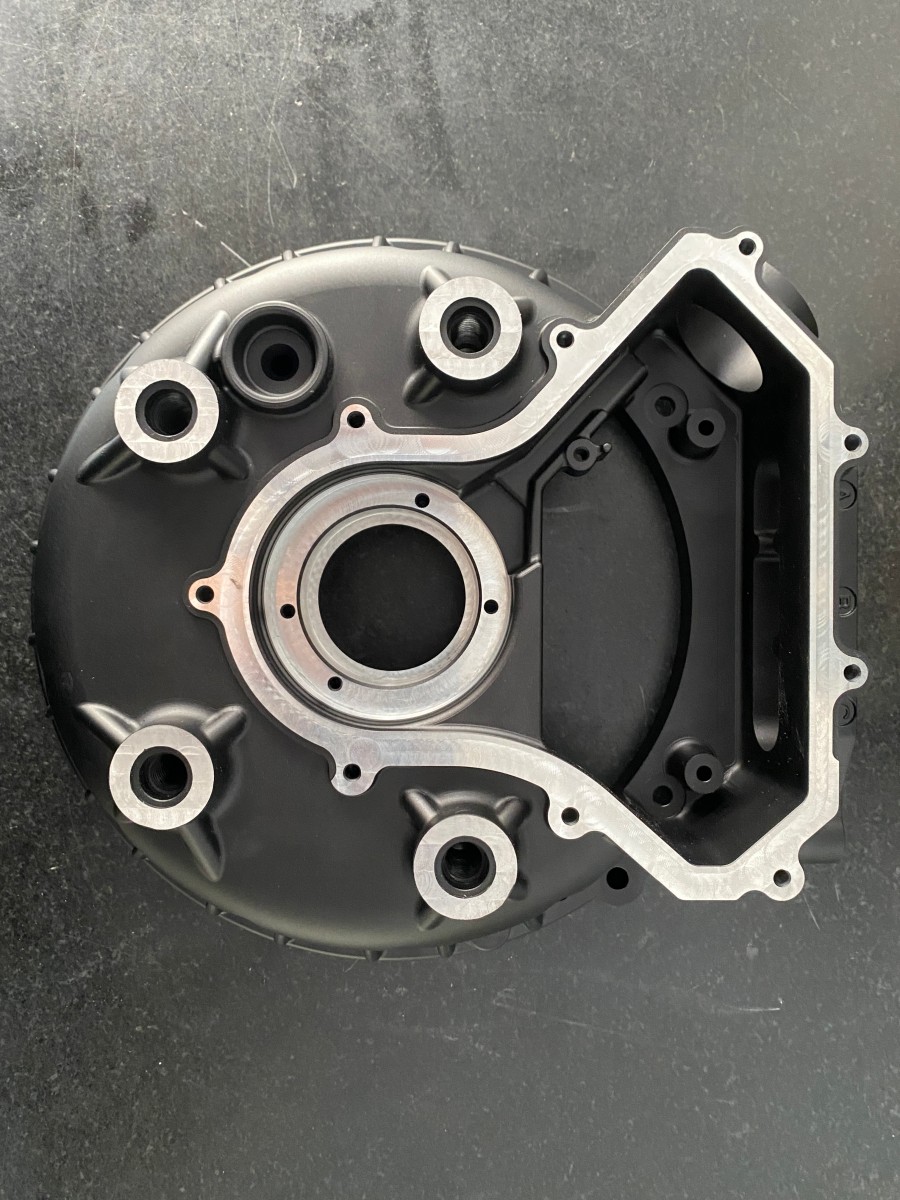
In the realm of modern manufacturing, where durability, corrosion resistance, and precision converge, the demand for stainless steel components is ubiquitous. From medical implants and food processing equipment to aerospace fasteners and marine hardware, the integrity of the final product is inextricably linked to the quality of its machined parts. For businesses seeking a reliable factory for CNC stainless machining parts service, the choice of partner is not merely a procurement decision but a strategic one that impacts product performance, regulatory compliance, and brand reputation. This article delves into what defines excellence in this specialized field and how to identify a manufacturing partner capable of transforming your stringent specifications into flawless stainless steel reality.
The Unique Challenges of Machining Stainless Steel
Stainless steel is renowned for its properties, but these very traits present distinct machining challenges that not all workshops are equipped to handle effectively.
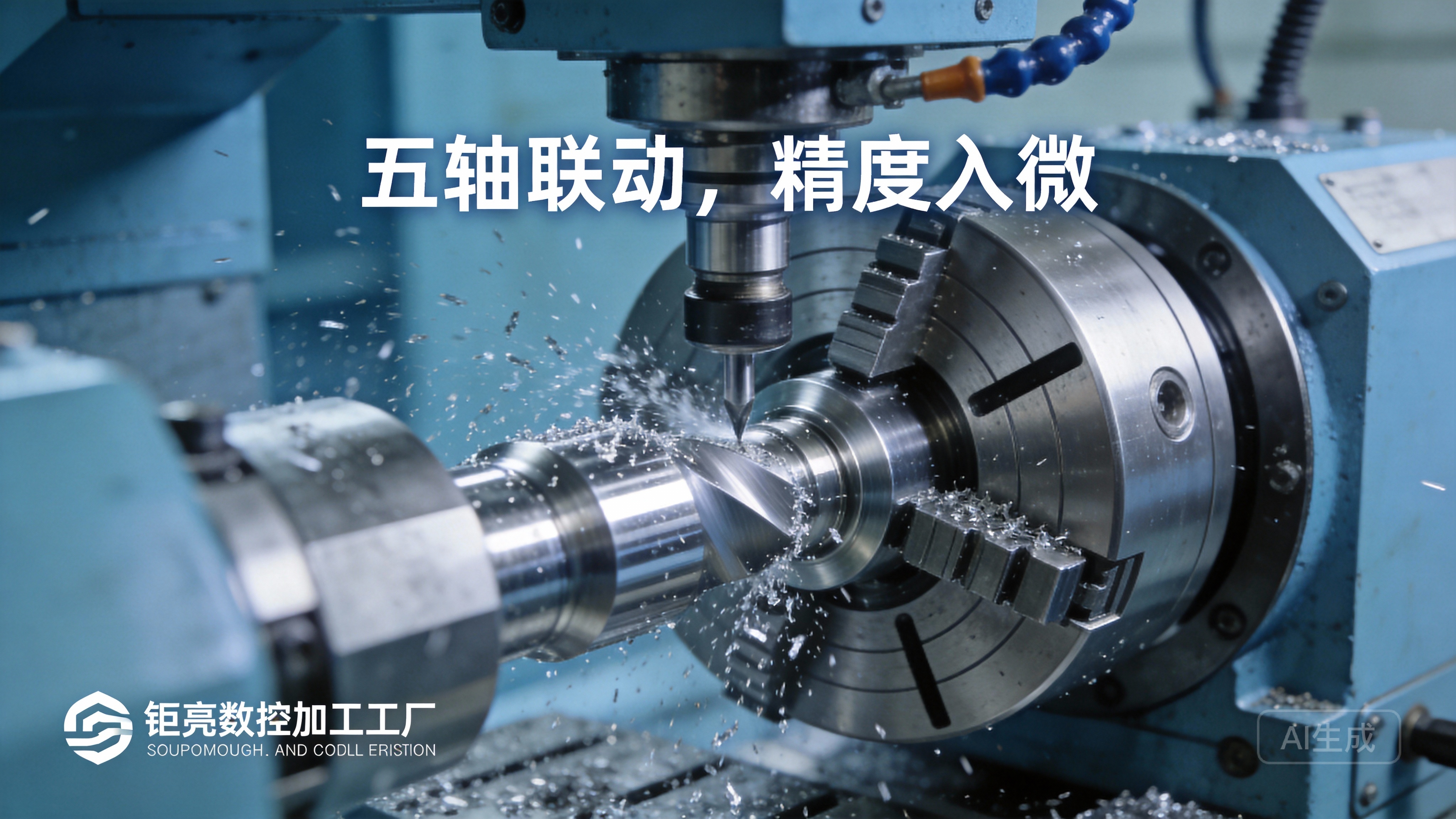
Work Hardening: Many stainless grades, particularly austenitic types like 304 and 316, readily work-harden during cutting. This can lead to rapid tool wear, poor surface finish, and even part deformation if not managed with the correct speeds, feeds, and tool paths.
High Strength and Toughness: Compared to aluminum or mild steel, stainless steel requires more powerful machines and rigid setups to achieve precise cuts without chatter or deflection, especially in thin-walled or complex geometries.
Heat Management: Stainless steel has lower thermal conductivity. Heat generated during machining tends to concentrate at the cutting edge rather than dissipating into the chip or workpiece, accelerating tool degradation and potentially affecting the material’s metallurgical properties.
Chip Control: Stringy, tough chips are common and can interfere with the machining process, scratch finished surfaces, or pose safety hazards. Effective chip breaking and evacuation strategies are paramount.
A superior factory for CNC stainless machining parts service doesn’t just own machines; it possesses deep metallurgical understanding and process engineering expertise to navigate these challenges systematically.
Core Capabilities of a Premier Stainless Steel Machining Facility
When evaluating potential partners, look beyond brochure claims and assess these tangible capabilities:
1. Advanced, High-Rigidity CNC Equipment
The foundation is modern CNC machinery designed for hard materials. This includes:
5-Axis CNC Machining Centers: Essential for complex contours, undercuts, and multi-sided parts in a single setup, minimizing errors and handling intricate designs common in aerospace and medical devices. For instance, a partner like GreatLight Metal utilizes advanced 5-axis systems to produce flawless stainless components with compound angles.
Multi-Axis Swiss-Type Lathes: Ideal for high-volume production of small, complex, cylindrical stainless parts (e.g., surgical screws, connectors) with exceptional concentricity and surface finish.
Precision CNC Lathes and Mills: Robust 3-axis and 4-axis machines provide the stability needed for heavy cuts and fine finishing on a wide range of part sizes.
2. Specialized Tooling and Process Expertise
The right tooling is half the battle. A top-tier factory will employ:
Grade-Specific Tooling: Using carbide end mills and inserts with geometries and coatings (e.g., TiAlN, AlCrN) optimized for stainless steel’s gummy nature and work-hardening tendency.
High-Pressure Coolant Systems: Not just for cooling, but to break chips effectively, lubricate the cut, and ensure heat is carried away from the workpiece and tool.
Optimized CAM Programming: Software strategies that maintain constant tool engagement, use trochoidal milling paths to reduce heat, and program efficient chip thinning to extend tool life and ensure part accuracy.
3. Comprehensive Material Knowledge and Sourcing
Stainless steel is a family, not a single material. A proficient partner should expertly machine a broad spectrum:
303 & 304: General-purpose, excellent machinability for fittings and shafts.
316 & 316L: Superior corrosion resistance for marine and chemical applications.
17-4 PH & 15-5 PH: Precipitation-hardening grades offering high strength after heat treatment.
410 & 440C: Martensitic grades for high wear resistance (e.g., bearings, valves).
They should also provide certified material traceability, crucial for medical (ISO 13485) and aerospace (AS9100) compliance.
4. Integrated In-House Secondary Operations
True one-stop service eliminates logistical delays and quality hand-off issues. Key post-machining services include:
Deburring and Edge Finishing: Automated tumbling, vibratory finishing, or hand deburring to meet stringent requirements.
Heat Treatment: For hardening precipitation-hardening steels or stress-relieving parts.
Surface Finishing: A full range from mechanical polishing (to mirror or medical-grade finishes) to electropolishing for enhanced corrosion resistance and cleanability.
Precision Measurement and Inspection: With CMMs, optical comparators, and surface roughness testers to verify every dimension against your GD&T callouts.
The Strategic Advantage of Partnering with a Specialized Provider
Choosing a focused factory for CNC stainless machining parts service over a general-purpose machine shop yields significant benefits:
Predictable Outcomes: Expertise translates to predictable machining times, consistent quality, and reliable delivery schedules.
Cost Optimization: Experienced engineers can suggest design-for-manufacturability (DFM) tweaks that simplify machining without compromising function, reducing waste and cost.
Risk Mitigation: A deep understanding of material behavior and process control minimizes the risk of scrapped batches, rework, and project delays.
Scalability: From rapid prototyping using advanced 3D printing for form-and-fit testing to medium- and high-volume CNC production, a full-service partner can support your product through its entire lifecycle.
How Industry Leaders Stack Up
The market for precision stainless machining is served by various types of providers. Platform-based facilitators like Xometry, Fictiv, and Protolabs Network offer speed and accessibility for less complex parts. Specialized job shops like Owens Industries or RCO Engineering focus on high-mix, low-volume complexity. For clients requiring a deeply integrated partner with full-process control—from material certification to final assembly—vertically integrated manufacturers with strong engineering support, such as GreatLight Metal, Protocase, or EPRO-MFG, often provide a more seamless and technically robust solution. The choice depends on your project’s complexity, compliance needs, and desired level of collaborative engineering.
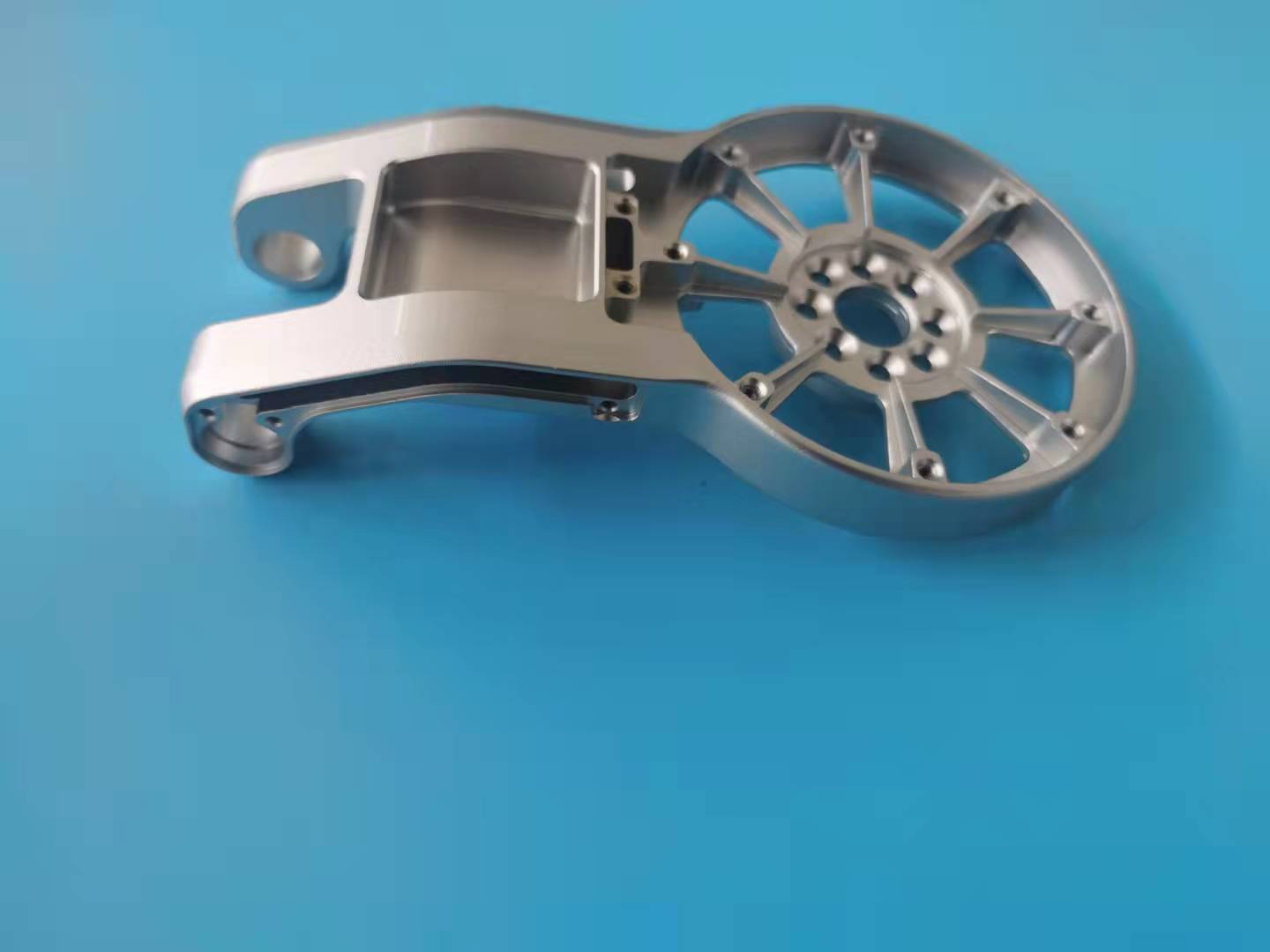
Building Trust Through System and Transparency
Trust in precision machining is built on verifiable systems. Reputable factories anchor their operations in internationally recognized standards. ISO 9001:2015 certification demonstrates a systematic approach to quality management. For automotive components, IATF 16949 compliance is essential. Medical device manufacturing requires adherence to ISO 13485. Furthermore, a commitment to data security, as outlined in ISO 27001, is critical for protecting intellectual property. These are not just plaques on the wall but active frameworks that govern daily operations, ensuring traceability, consistency, and continuous improvement.
A Glimpse into the Collaborative Workflow
Engaging with a professional factory for CNC stainless machining parts service typically follows a streamlined, transparent process:
Design Review & DFM Analysis: Engineers analyze your 3D model to identify potential machining challenges and suggest optimizations for cost, time, and quality.
Formal Quotation & Planning: A detailed quote is provided, including cost, lead time, and a proposed manufacturing process plan.
Pre-Production Approval: First-article inspection (FAI) reports or even a prototype may be offered for approval before full production begins.
Production & In-Process QC: Parts are machined under controlled conditions, with critical dimensions checked at defined intervals.
Final Inspection & Delivery: A comprehensive inspection report accompanies the finished parts, providing full documentation of compliance.
In conclusion, selecting the right factory for CNC stainless machining parts service is a critical decision that hinges on technical capability, process mastery, and systemic reliability. It’s about finding a partner who views your blueprint not just as a set of instructions but as a commitment to quality that they have the expertise, equipment, and integrity to honor. For projects demanding the highest levels of precision and material performance, this partnership becomes the cornerstone of successful product realization. Discover how a dedicated approach to precision can elevate your next project by exploring the capabilities of leaders in the field, such as those demonstrated by GreatLight Metal’s integrated 5-axis machining solutions{:target=”_blank”}. To stay connected with the latest advancements and industry insights from a growing force in precision manufacturing, you can follow their professional updates on LinkedIn{:target=”_blank”}.