
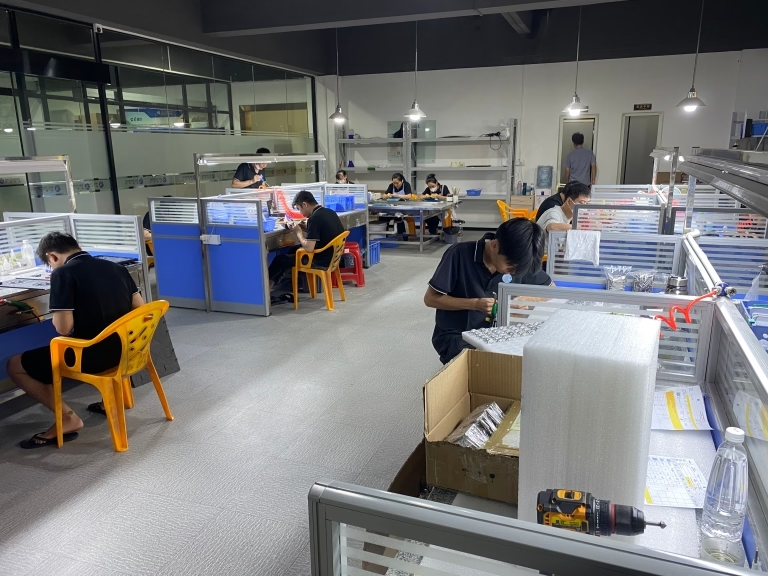
In the rapidly evolving world of electronics, where innovation cycles are measured in months rather than years, the ability to quickly and accurately produce functional plastic components is not just an advantage—it’s a necessity. For engineers and designers pushing the boundaries of device miniaturization, thermal management, and signal integrity, electronic CNC plastic machining services have become the cornerstone of prototyping and low-to-medium volume production. This process transcends simple part fabrication; it is the critical bridge between a digital design and a tangible, testable component that must perform reliably in the final product.
The Unmatched Role of CNC Machining in Electronic Hardware Development
Unlike mass-production methods like injection molding, which require significant upfront investment in tooling, CNC machining offers unparalleled flexibility. For electronic applications, this means:
Rapid Iteration: Design changes can be implemented almost immediately by modifying the CAD file and machining a new part within days, accelerating R&D cycles.
Material Versatility: It allows for the use of advanced engineering thermoplastics that might be challenging for molding or that are only needed in small quantities.
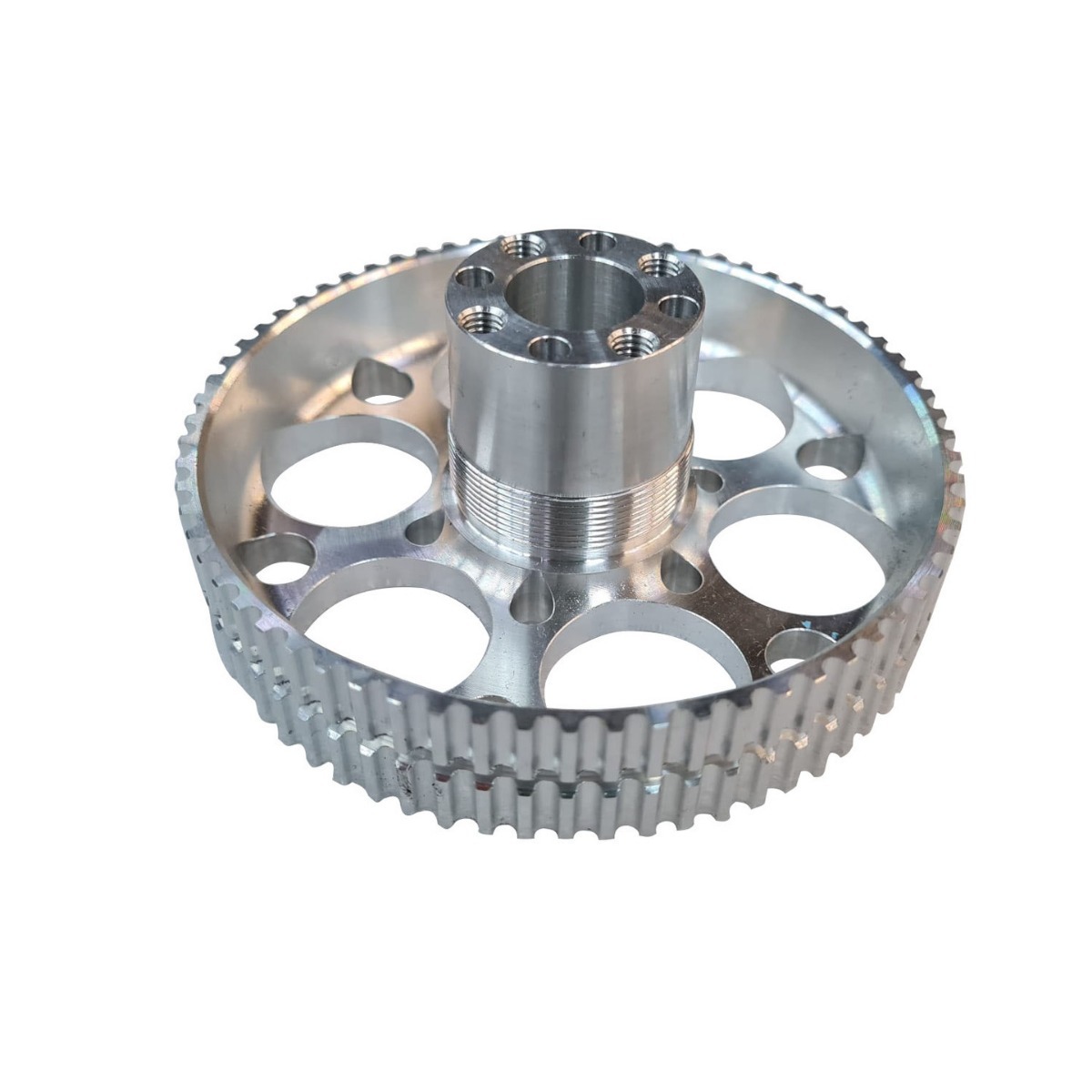
Precision and Complexity: Modern multi-axis CNC machines can produce intricate features—micro-fluidic channels for cooling, precise mounting bosses for PCBs, and complex housings with integrated snap-fits—to tolerances that are often tighter than those achievable with initial molding trials.
For projects requiring electronic CNC plastic machining services, the journey from concept to part is defined by several critical phases where expertise makes all the difference.
H2: Core Considerations for Machining Plastics in Electronics
H3: Material Selection: Beyond Basic Polymers
The choice of plastic is dictated by the component’s function. A service provider’s material library is a key indicator of their capability.
Dielectric & RF Properties: Materials like PTFE (Teflon) and certain polyethylenes offer excellent high-frequency signal integrity for antenna components and waveguides.
Dimensional Stability & Creep Resistance: PEEK and PEI (Ultem) maintain their shape and mechanical properties under continuous load and elevated temperatures, ideal for connectors and structural internals.
Thermal Management: Plastics filled with ceramic or graphite (Thermally Conductive Plastics) can dissipate heat while providing electrical insulation, a crucial combination for modern, dense electronics.
Static Dissipation (ESD-Safe): Materials like static-dissipative ABS or PC are essential for handling trays, test fixtures, and enclosures for sensitive components to prevent electrostatic discharge damage.
H4: The Criticality of Precision and Surface Finish
Electronic components often mate with other parts with exacting fits.
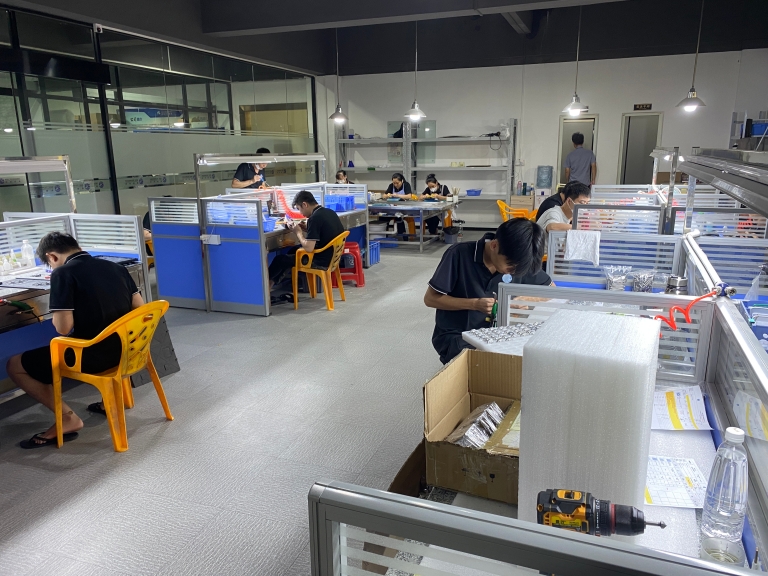
Tolerancing: Achieving and holding tight tolerances (often within ±0.005mm or better for critical features) on plastic requires specialized machining strategies to account for material flexibility and heat generation.
Surface Integrity: A machined surface must be free of micro-burns, melting, or internal stresses that could lead to cracking. The right combination of tool geometry, spindle speed, feed rate, and cooling is paramount.
H3: Addressing Design for Manufacturability (DFM) Early
A proficient electronic CNC plastic machining partner doesn’t just execute orders; they collaborate. Their DFM feedback can prevent costly failures:
Wall Thickness: Ensuring uniform walls to prevent sink marks and warpage.
Feature Accessibility: Advising on tool access for deep cavities or undercuts.
Stress Concentration: Recommending fillet radii to reduce crack initiation points.
H2: The GreatLight Metal Advantage: A Partner for Complex Electronic Components
When seeking a partner for electronic CNC plastic machining services, it is essential to choose one with the technical depth, systemic rigor, and collaborative mindset to handle the unique challenges of the sector. This is where manufacturers like GreatLight Metal distinguish themselves. Established in the manufacturing hub of Dongguan, GreatLight has built its reputation not on volume alone, but on solving high-complexity, high-precision challenges across industries, including consumer electronics, telecommunications, and medical devices.
H3: Integrated Technical Capabilities
Multi-Axis Proficiency: Their fleet of advanced 5-axis CNC machining centers enables the single-setup machining of complex, contoured electronic enclosures, waveguide components, and optical mounts with compound angles, eliminating errors from multiple refixturing.
In-House Process Chain: From initial 3D printing of a concept model for form-and-fit checks, to precision CNC machining of the functional prototype, and finally to providing low-volume production or even mold manufacturing for higher volumes, GreatLight offers a seamless, integrated workflow. This control over the entire process ensures consistency and accelerates timelines.
H3: A Foundation Built on Trust and Certification
In electronics, where a single part failure can compromise an entire system, trust is quantifiable. GreatLight Metal’s operational framework is built on internationally recognized standards that resonate with global clients:
ISO 9001:2015: Ensures a consistent, documented quality management system for every order, large or small.
ISO 13485: For medical electronic devices, this certification underscores a commitment to the rigorous traceability and risk management required in healthcare applications.
Data Security (aligned with ISO 27001 principles): For clients in competitive fields, protecting intellectual property—the CAD files and designs—is non-negotiable. GreatLight implements robust protocols to secure client data throughout the manufacturing process.
H4: Case in Point: Solving a Real Electronic Housing Challenge
A client developing a next-generation IoT sensor needed a hermetic, lightweight enclosure that could shield internal components from EMI/RFI interference. The design involved thin walls, precise grooves for conductive gaskets, and mounting points for a sensitive PCB. GreatLight Metal’s engineers recommended machining the part from PEEK for its chemical resistance and stability. Using 5-axis CNC machining, they produced the enclosures with the required ±0.01mm tolerance on the gasket groove. Furthermore, they provided a post-processing electroless nickel plating service on specific areas to create a conductive shielding layer, delivering a complete, functional solution that passed the client’s stringent environmental and EM compliance testing.
H2: Navigating the Service Landscape: What to Look For
The market for electronic CNC plastic machining services is populated by various players, from automated online platforms like Xometry and Fictiv to specialized vertical shops like Protocase (strong in enclosures) and integrated manufacturers like GreatLight Metal. Your choice should be guided by project complexity:
For Simple, Standardized Parts: Automated quote platforms offer speed and competitive pricing.
For Complex, Mission-Critical Components: The expertise of a dedicated engineering team, advanced equipment (like 5-axis CNC), and in-house secondary processing (like plating or painting) become decisive factors. This is the domain where providers like GreatLight Metal, EPRO-MFG, and RCO Engineering excel.
Conclusion: Precision as a Partnership
Ultimately, procuring electronic CNC plastic machining services is more than a transaction; it is a technical partnership. The goal is to transform innovative designs into reliable, high-performance components that meet strict electrical, mechanical, and environmental specifications. It requires a manufacturer that brings not just machines to the table, but also material science knowledge, precision engineering, and a quality-centric culture.

For teams developing the electronic devices of tomorrow, selecting a partner with demonstrated expertise in handling advanced thermoplastics, navigating intricate geometries, and upholding the highest standards of quality assurance is the most critical step in de-risking the development pathway. It is an investment in precision, reliability, and ultimately, the success of the product itself. To explore how such a partnership can accelerate your specific project, engaging with an experienced team is the logical next step. Learn more about their approach to complex challenges on their professional LinkedIn page.



















