When design engineers and innovators push the boundaries of what’s possible, the manufacturing processes that bring their visions to life must evolve in tandem. At the heart of this evolution lies complex CNC machining services, a specialized domain where geometric intricacy, material challenges, and uncompromising precision converge. For businesses seeking not just a parts supplier but a true manufacturing partner capable of navigating this complexity, understanding the depth and breadth of these services is paramount.
Decoding “Complexity” in Modern CNC Machining
Complexity in CNC machining transcends simple multi-axis movement. It is a multi-faceted challenge defined by several interconnected factors:
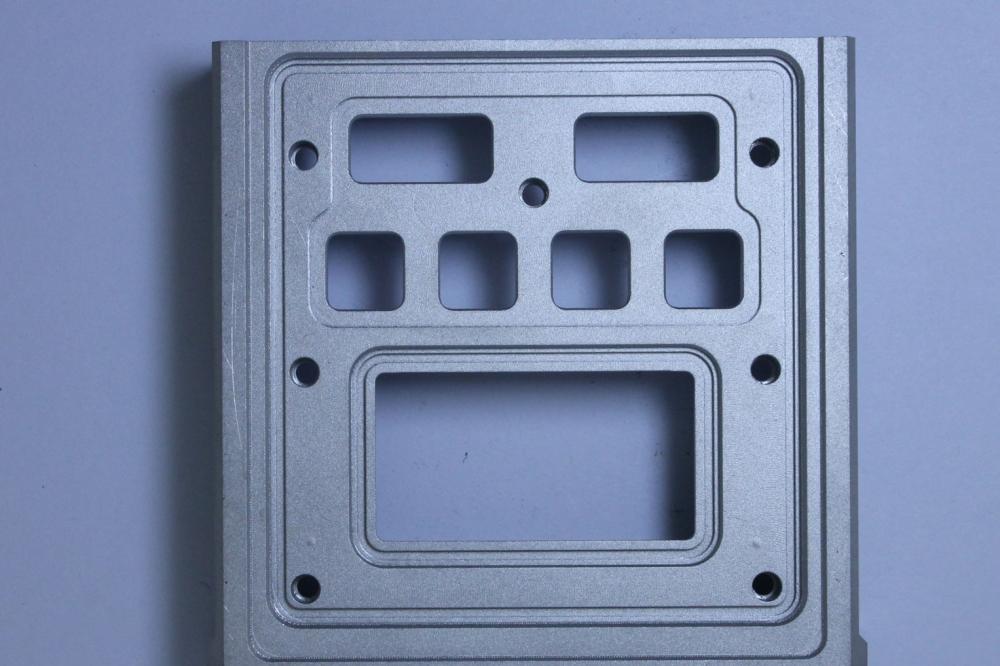
Geometric Intricacy: This includes parts with deep cavities, thin walls, undercuts, internal channels, organic contours, and compound angles that are impossible to machine in a single setup on conventional 3-axis machines. Think of a monolithic aerospace bracket with integral cooling ducts or a medical implant that mirrors complex bone structures.
Tight Tolerances and Superior Finishes: Complexity isn’t just about shape; it’s about holding incredibly tight dimensional tolerances (often within ±0.001″ or ±0.025mm) and achieving specific surface finishes across the entire part, even in hard-to-reach areas. This demands not only advanced machines but also meticulous process planning and in-process metrology.
Challenging Materials: The drive for performance leads to the use of advanced alloys, superalloys (like Inconel or Titanium), hardened tool steels, and engineered composites. These materials are often difficult to machine, requiring specialized tooling, optimized cutting parameters, and deep material science expertise to prevent tool wear, work hardening, or thermal distortion.
Multi-Process Integration: A truly complex component often requires a symphony of manufacturing processes beyond milling and turning—such as precision grinding, EDM (Electrical Discharge Machining), laser cutting, or welding—all performed with a unified datum system to ensure final assembly integrity.
Navigating this landscape requires more than just a machine shop; it requires a manufacturing engineering partner with a systemic approach.
The Pillars of Advanced Complex Machining: Capabilities in Action
To tackle these challenges, leading service providers deploy a suite of advanced capabilities:
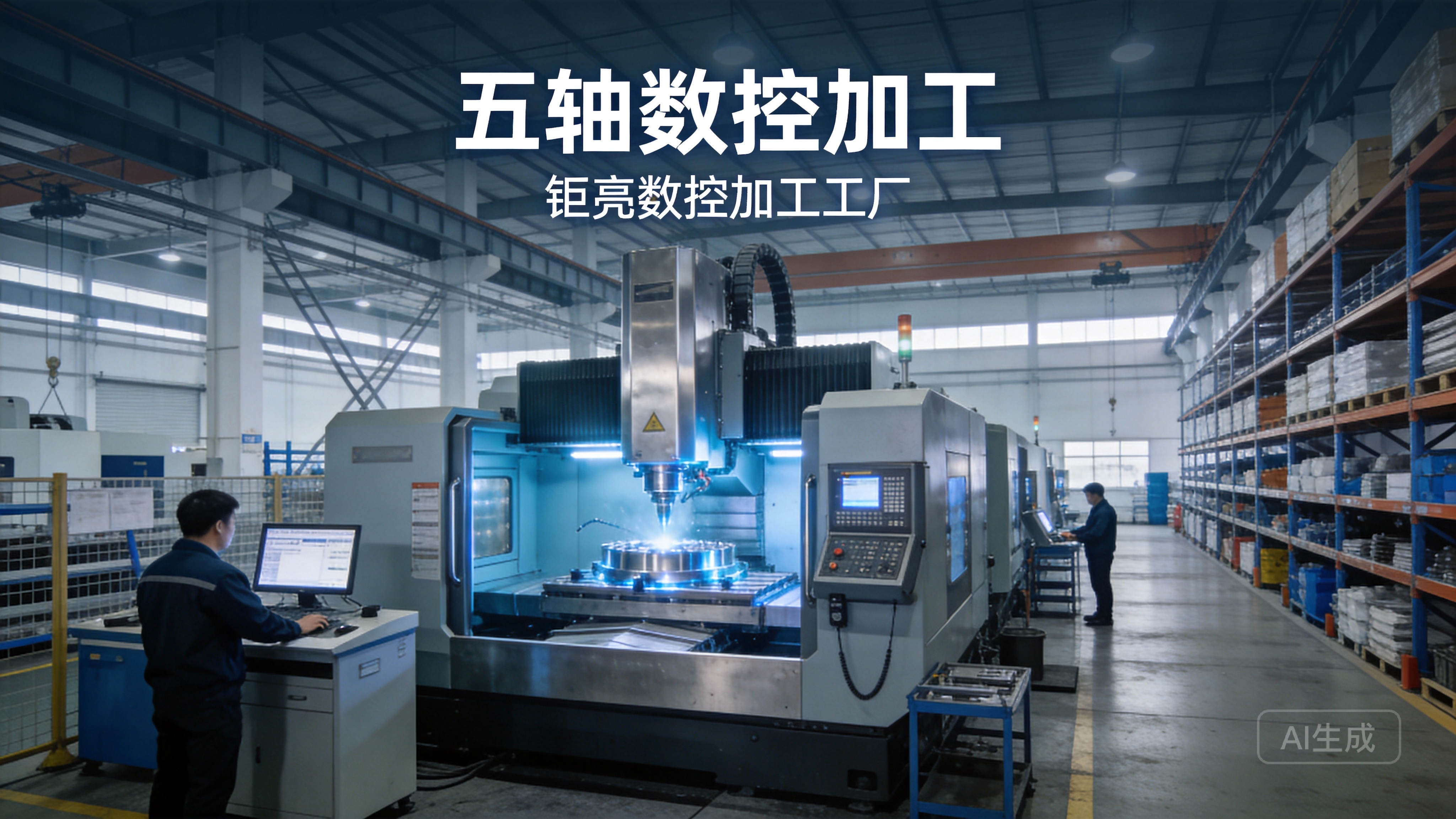
1. The Power of 5-Axis Simultaneous Machining
This is the cornerstone of modern complex part manufacturing. Unlike 3-axis machining, 5-axis CNC allows the cutting tool to approach the workpiece from virtually any direction in a single setup. The benefits are transformative:
Reduced Setups: Complex geometries are completed in one fixture, drastically reducing cumulative error, handling time, and lead time.
Improved Tool Access & Geometry: Enables machining of undercuts and deep pockets with shorter, more rigid tools, leading to better surface finishes and higher accuracy.
Enhanced Efficiency: Continuous 5-axis toolpaths allow for optimal cutting angles and higher feed rates, improving material removal rates and part quality.
For clients, this translates to the ability to design more innovative, lightweight, and high-performance parts without being constrained by manufacturing limitations.
2. High-Speed Machining (HSM) and Hard Milling
For complex molds, dies, and parts requiring fine details, HSM strategies are essential. By using small step-overs, high spindle speeds, and precise toolpaths, HSM allows for the machining of hardened steels (up to 60+ HRC) in their finished state, eliminating the distortion risks associated with heat treatment after roughing. This is critical for achieving the mirror-like finishes required in optics, packaging, and consumer electronics.
3. Integrated Multi-Technology Platforms
The most capable suppliers don’t rely on CNC milling alone. They integrate complementary technologies under one roof:
Mill-Turn Centers: Combine the capabilities of a lathe and a machining center, allowing complete machining of complex rotational parts (e.g., manifolds, nozzles) in one chucking.
Precision EDM (Sinker & Wire): Essential for creating sharp internal corners, intricate cavities in hardened materials, and micro-features that would break a milling tool.
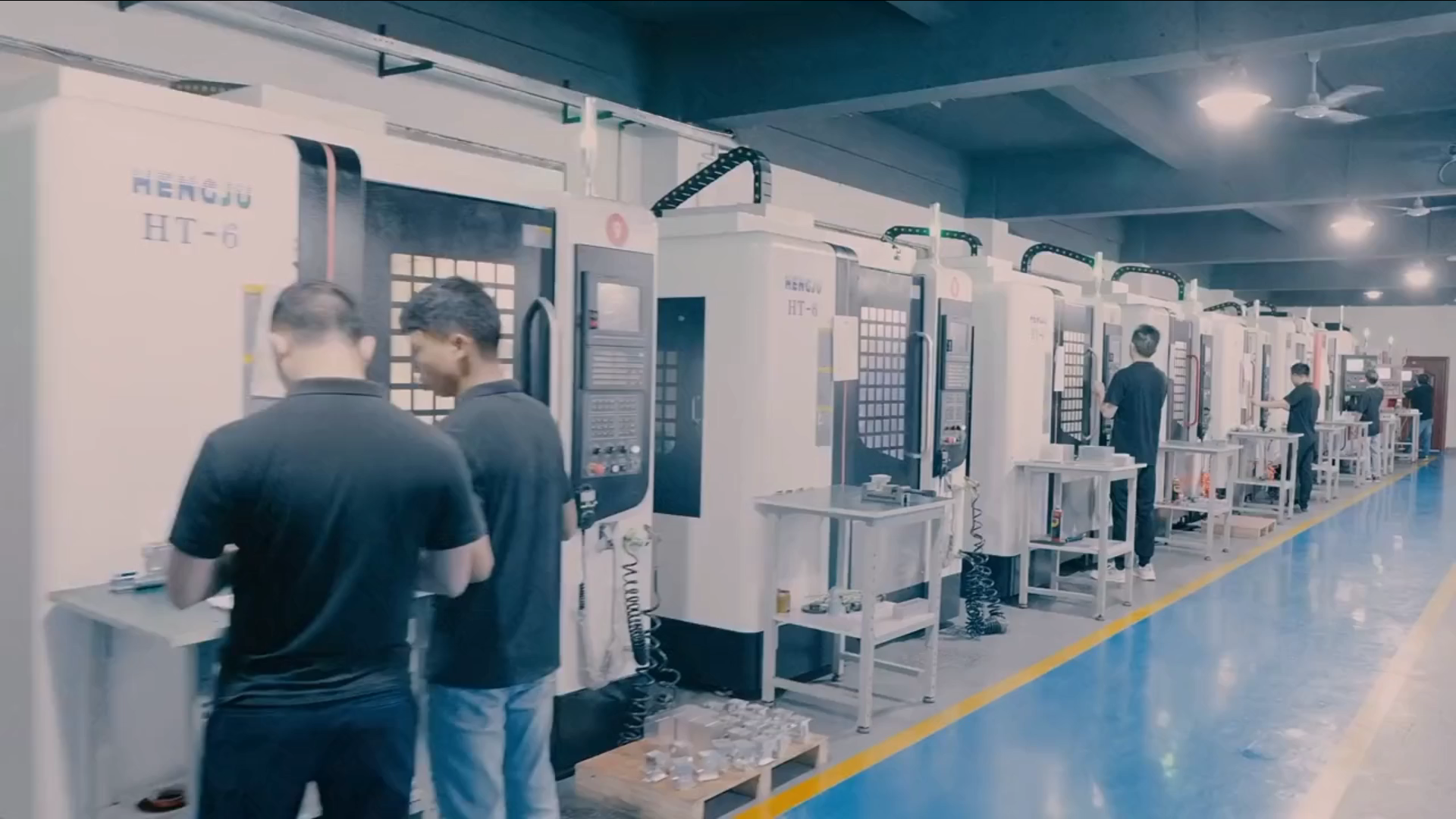
In-Line Metrology: On-machine probing and, ideally, coordinate measuring machines (CMMs) integrated into the workflow enable “first-part correctness” and continuous quality assurance without moving the part, which is vital for complex, high-value components.
Real-World Applications: Where Complexity Meets Innovation
Complex CNC machining services are the enabling force behind breakthroughs across industries:
Aerospace & Defense: Engine turbine blades with internal cooling channels, lightweight structural airframe components with complex ribbing, and UAV parts that maximize strength-to-weight ratios.
Medical & Life Sciences: Patient-specific surgical guides and implants, complex housings for diagnostic equipment, and components for robotic surgery systems requiring absolute reliability and biocompatibility.
Automotive & Motorsport: Prototype engine blocks and cylinder heads, complex transmission components, and aerodynamic elements for high-performance vehicles.
Energy: Components for fuel cells, complex impellers for turbines, and parts for downhole drilling equipment that withstand extreme pressure and corrosion.
Why Partner with a Specialist Like GreatLight Metal for Your Complex Projects?
Choosing a supplier for complex work is a critical strategic decision. It goes beyond comparing machine lists. Here’s what sets a true solutions partner apart, exemplified by the approach at GreatLight Metal{:target=”_blank”}:
1. Engineering-First Collaboration: The process begins long before a tool touches metal. A qualified partner will conduct a Design for Manufacturability (DFM) analysis, offering actionable feedback to optimize your design for cost, performance, and manufacturability without compromising intent. This collaborative engineering mindset is invaluable.
2. Unmatched Technical Depth and Breadth: Look for a partner with a diverse technology portfolio. GreatLight Metal, for instance, supports its core 5-axis CNC machining with a full ecosystem including die casting, sheet metal fabrication, and additive manufacturing (SLM, SLA, SLS). This allows for hybrid manufacturing solutions and provides unbiased advice on the best process for your application.
3. Systematized Quality and Traceability: For complex parts, consistent quality is non-negotiable. Partners anchored by international certifications like ISO 9001:2015, IATF 16949 (automotive), and ISO 13485 (medical) demonstrate a commitment to systematic process control. In-house precision metrology labs ensure every dimension of your complex part is verified to print.
4. Project Management and Communication: Machining complexity requires managerial clarity. A dedicated project manager should shepherd your part from quote to delivery, providing transparent updates and serving as a single point of contact for all technical and logistical inquiries.
5. Proven Experience Across Verticals: A track record of successfully delivering complex parts for demanding industries like aerospace, medical, and automotive is the ultimate testament to capability. It proves the supplier can handle not just the technical challenges but also the stringent documentation and compliance requirements.
Navigating the Future of Complex Manufacturing
The frontier of complex CNC machining services is continuously advancing with trends like AI-driven toolpath optimization, adaptive machining based on real-time sensor feedback, and the deeper integration of additive and subtractive processes. Partnering with a forward-thinking manufacturer ensures your projects benefit from these evolving technologies.
In conclusion, when your project involves intricate geometries, demanding materials, and critical tolerances, standard machining services will fall short. The path to success lies in engaging a specialized partner that combines advanced technological infrastructure with deep engineering expertise and a rigorous quality culture. It is this holistic approach to overcoming manufacturing complexity that transforms ambitious designs into reliable, high-performance realities, empowering innovation at its most challenging frontiers. For a deeper look at how industry leaders approach these intricate manufacturing partnerships, valuable insights can be found through professional networks like GreatLight on LinkedIn{:target=”_blank”}.