
If you’ve ever asked yourself, How Much Is A Used CNC Machine?, you’re not alone—procurement teams, small workshop owners, and startup engineers alike grapple with this question when balancing budget constraints with manufacturing needs. For many businesses, a used CNC machine seems like a cost-effective way to add in-house machining capabilities without the six-figure price tag of a new unit. But the answer to this question is far from straightforward: used CNC machine prices can vary wildly, from a few thousand dollars to half a million or more, depending on a host of critical factors. In this guide, we’ll break down what influences these costs, share typical price ranges for common machine types, and explore when outsourcing to a professional machining service might be a smarter alternative than buying.
How Much Is A Used CNC Machine?
To understand used CNC machine pricing, you first need to recognize that no two used machines are identical. A 10-year-old 3-axis machining center with 20,000 operating hours in as-is condition will cost a fraction of a refurbished 5-axis machine with low usage hours and a full warranty. Below are the key factors that shape the final price of a used CNC machine:
Key Factors That Shape Used CNC Machine Pricing
1. Machine Axis Configuration
The number of axes a CNC machine has is one of the biggest drivers of cost, as it directly impacts the complexity of parts it can produce:
3-axis machines: The most basic and affordable, used for simple to moderate complexity parts (e.g., flat plates, basic brackets). They move along X, Y, and Z linear axes, requiring manual repositioning for multi-side machining.
4-axis machines: Add a rotational axis (usually the A-axis), allowing parts to be rotated without re-clamping. Ideal for components like gears or complex fixtures. Used 4-axis machines are typically 2–3x more expensive than comparable 3-axis units.
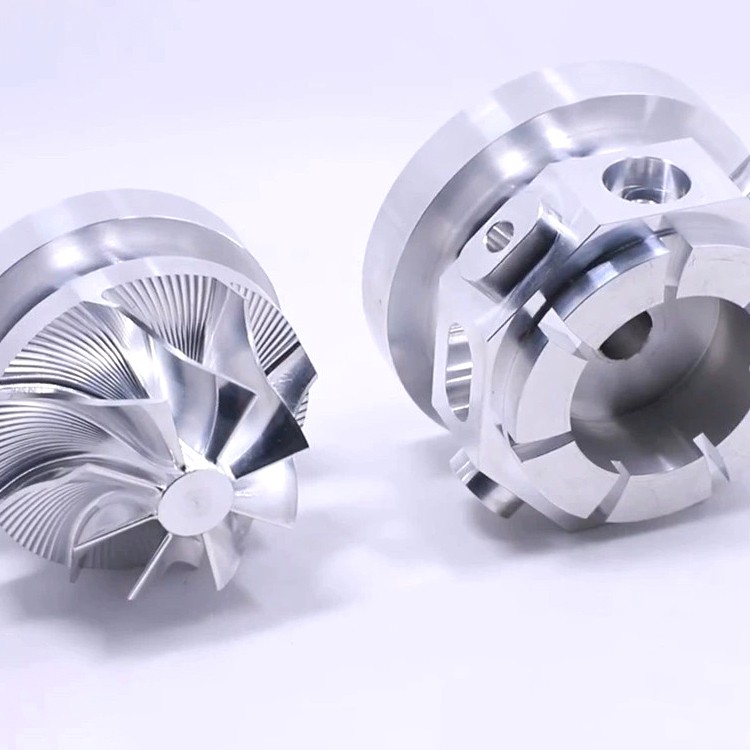
5-axis machines: Simultaneously move along three linear axes plus two rotational axes (A and B, or B and C), enabling continuous machining of complex geometries (e.g., aerospace turbine blades, medical implants). Their advanced engineering and precision make used 5-axis machines 3–5x pricier than 3-axis models of similar age. For businesses needing this capability but wary of the cost of ownership, partnering with a provider offering 5-axis CNC machining services (opening in new window) can be a flexible, cost-effective alternative.
2. Brand and Build Quality
Top-tier CNC machine brands retain their value far better than lesser-known manufacturers, thanks to their reputation for durability, precision, and easy access to replacement parts and service. Brands like Haas, DMG Mori, FANUC, Mazak, and Okuma are in high demand on the used market. For example, a used Haas 3-axis vertical machining center (VMC) in good condition might cost 20–30% more than a similar machine from a budget brand, but it will likely have a longer lifespan and fewer unplanned breakdowns.
3. Age, Usage Hours, and Maintenance History
A machine’s age alone isn’t the best indicator of value—its usage hours and maintenance track record matter more. A 15-year-old machine with 5,000 operating hours (used in a low-volume, precision-focused shop like GreatLight Metal’s facilities) is often in better shape than a 5-year-old machine with 30,000 hours from a high-volume production line with minimal upkeep. Machines with complete maintenance records (including spindle rebuilds, lubrication schedules, and part replacements) command higher prices, as they reduce the risk of unexpected failures.
4. Condition: As-Is vs. Refurbished
Used CNC machines are typically sold in one of two conditions:
As-is: Sold in their current state, with no repairs, upgrades, or warranties. These machines are the cheapest option but carry the highest risk—you might uncover hidden damage (e.g., worn linear guides, faulty spindle motors) that costs thousands to fix.
Refurbished: Fully inspected, repaired, and upgraded as needed (e.g., replacing worn components, updating control software, repainting). Refurbished machines often come with a 3–12 month warranty, making them more expensive than as-is units but far more reliable.
5. Included Accessories and Software
The price of a used CNC machine often depends on what comes with it. Machines bundled with tooling, workholding fixtures, coolant systems, and up-to-date control software (e.g., FANUC 0i-MF, Siemens Sinumerik) will cost more than bare-bones units. Outdated software can be a hidden cost, as upgrading it to meet modern programming standards can add thousands of dollars to your total investment.
6. Technical Specifications
Precision, spindle speed, work envelope, and cutting capacity also affect pricing:
Precision: Machines rated for tight tolerances (e.g., ±0.001mm) are more valuable than those with looser tolerance capabilities, especially for industries like medical or aerospace.
Work envelope: Larger machines capable of processing parts up to 4000mm (like GreatLight’s high-capacity units) command higher prices than compact models.
Spindle speed: High-speed spindles (15,000+ RPM) for machining hard materials (titanium, mold steel) are a premium feature that increases resale value.
Typical Price Ranges for Used CNC Machines (2024 Data)
To give you a realistic sense of what you might pay, here are approximate price ranges for common used CNC machine types based on industry data:
| CNC Machine Type | Low-End Used Price | Mid-Range Used Price | High-End Used Price |
|---|---|---|---|
| 3-Axis Vertical Machining Center (VMC) | $5,000–$15,000 | $15,000–$40,000 | $40,000–$80,000+ |
| 4-Axis Vertical Machining Center | $10,000–$25,000 | $25,000–$60,000 | $60,000–$120,000+ |
| 5-Axis Vertical Machining Center | $30,000–$80,000 | $80,000–$200,000 | $200,000–$500,000+ |
| Standard CNC Lathe | $3,000–$12,000 | $12,000–$35,000 | $35,000–$70,000+ |
| Swiss-Type CNC Lathe | $15,000–$40,000 | $40,000–$100,000 | $100,000–$250,000+ |
| CNC Router (Wood/Plastic) | $2,000–$8,000 | $8,000–$20,000 | $20,000–$50,000+ |
Note: These ranges are estimates and can fluctuate based on market demand, machine condition, and regional availability.
Critical Considerations Before Buying a Used CNC Machine
If you decide a used CNC machine is right for your business, don’t just focus on the price tag. Here’s what to prioritize during your evaluation:
Verify Precision: Use a coordinate measuring machine (CMM) or precision gauges to test the machine’s ability to hold tolerances. Even a slightly worn spindle or linear guide can render the machine useless for high-precision parts.
Inspect Critical Components: Check for signs of wear on the spindle (runout, unusual noise), linear guides (scratches, uneven lubrication), and ball screws (backlash). These parts are expensive to replace.
Evaluate the Control System: Older control systems (e.g., FANUC 0-T) might be cheaper but lack modern features like conversational programming or cloud connectivity. Ensure the system is compatible with your current CAD/CAM software.
Factor in Hidden Costs: Beyond the purchase price, you’ll need to budget for transportation, installation, training, tooling, maintenance, and potential repairs. For example, installing a large 5-axis machine can cost $5,000–$15,000 in shipping and setup fees alone.
Check for Availability of Parts: For lesser-known brands, replacement parts might be hard to find or take weeks to deliver, leading to costly downtime. Stick to brands with a global parts network whenever possible.
When Outsourcing Machining Might Be a Better Alternative
For many small businesses, startups, or teams with occasional machining needs, buying a used CNC machine might not be the most cost-effective choice. The hidden costs of ownership (maintenance, training, downtime) can quickly add up, and you might not have the in-house expertise to keep the machine running efficiently. In these cases, partnering with a professional machining service like GreatLight Metal is a smarter option:
No upfront investment: You avoid the cost of buying, installing, and maintaining equipment.
Access to high-end technology: GreatLight Metal operates over 127 pieces of precision equipment, including advanced 5-axis machining centers, 3D printers, and EDM machines—tools that would cost hundreds of thousands of dollars to purchase used.
Expertise and quality assurance: With ISO 9001:2015, IATF 16949, and ISO 13485 certifications, GreatLight delivers parts with precision up to ±0.001mm, and offers a guarantee of free rework for quality issues (or full refund if rework is unsatisfactory).
One-stop services: From design to post-processing (anodizing, powder coating, polishing), GreatLight handles every step of the manufacturing process, saving you time and coordinating with multiple vendors.
Conclusion
At the end of the day, when evaluating How Much Is A Used CNC Machine?, the true cost isn’t just the price tag—it’s the value it delivers, and whether it aligns with your long-term manufacturing goals. For businesses with consistent, high-volume machining needs, a well-maintained used machine can be a wise investment. But for teams that prioritize flexibility, quality, and low overhead, outsourcing to a trusted partner like GreatLight Metal eliminates the risks of used equipment ownership while delivering precision parts on time. To learn more about GreatLight Metal’s capabilities and see how they can support your precision manufacturing needs, visit their LinkedIn page (opening in new window) for case studies and industry insights.
Frequently Asked Questions (FAQ)
1. Are used CNC machines worth buying?
Used CNC machines are worth buying if you have consistent machining needs, the budget for hidden costs (maintenance, training), and the in-house expertise to maintain them. They’re a cost-effective way to add in-house capabilities without the high price of a new machine. However, if your needs are occasional or require ultra-high precision, outsourcing may be more economical.
2. What’s the difference between a refurbished and used CNC machine?
A used CNC machine is sold “as-is,” with no repairs, upgrades, or warranties. A refurbished machine has been fully inspected, repaired (worn parts replaced), and often upgraded (software, components) to like-new condition, and typically comes with a 3–12 month warranty. Refurbished machines cost more but carry far less risk.
3. How do I verify the precision of a used CNC machine?
To verify precision, run a test cut of a simple part with known tolerances, then measure it using a coordinate measuring machine (CMM) or precision calipers/gauges. You can also check the machine’s calibration records (if available) to see when it was last tested for accuracy.
4. Can I negotiate the price of a used CNC machine?
Yes, most sellers are open to negotiation, especially if the machine has been on the market for a long time or has minor cosmetic damage. Use your inspection findings (e.g., worn components needing replacement) as leverage to lower the price.
5. What hidden costs should I consider when buying a used CNC machine?
Hidden costs include transportation, installation, electrical upgrades, tooling and workholding, software licenses, maintenance contracts, and training for your team. These can add 20–50% to the initial purchase price, so be sure to budget for them upfront.
6. Is outsourcing machining better than buying a used CNC machine?
Outsourcing is better if you have low-volume or occasional machining needs, lack in-house expertise, or want access to high-end technology (like 5-axis machining) without the cost of ownership. It also eliminates downtime risks and allows you to focus on your core business rather than machine maintenance.



















