
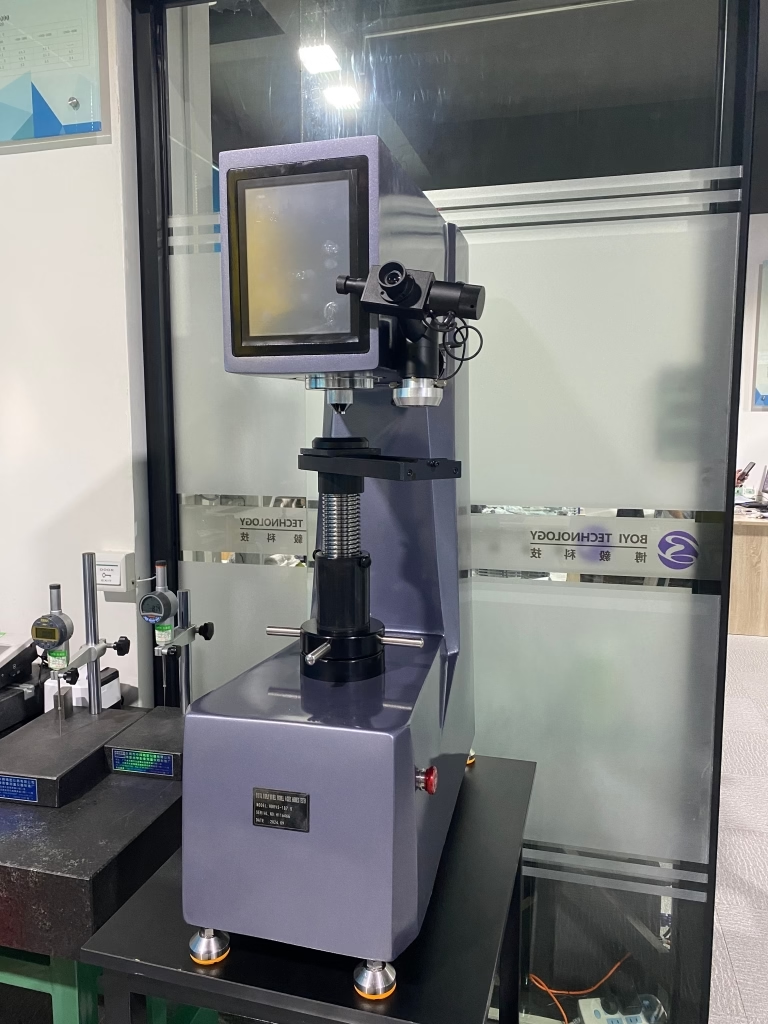
In today’s era of advanced manufacturing, where complexity, precision, and speed are paramount, finding a reliable partner for manufacturing CNC machining services is not just a procurement decision—it’s a strategic cornerstone for product innovation and market success. As a senior manufacturing engineer with decades of experience navigating the landscape of part sourcing and production, I’ve witnessed firsthand the transformative power of a truly capable machining partner. This post aims to demystify the world of manufacturing CNC machining services, exploring its core facets, inherent challenges, and what discerning clients should prioritize when selecting a vendor to transform their digital designs into tangible, high-performance reality.
H2: The Engine of Modern Industry: What Are Manufacturing CNC Machining Services?
At its essence, manufacturing CNC machining services encompass the use of computer numerical control (CNC) to automate the control of machine tools like mills, lathes, grinders, and routers. A digital 3D model (CAD file) is translated into a set of precise instructions (G-code), which commands the machine to remove material from a solid block (stock) with exceptional accuracy and repeatability. This subtractive manufacturing process is the bedrock for producing functional prototypes, low-to-medium volume production runs, and highly complex end-use parts across industries from aerospace to medical devices.
The service offering typically includes:
CNC Milling: Utilizing rotary cutting tools to shape parts from various angles. Modern multi-axis milling is crucial for complex geometries.
CNC Turning: Rotating the workpiece against a stationary cutting tool, ideal for creating cylindrical components like shafts, pins, and connectors.
Multi-Axis Machining (3-Axis, 4-Axis, 5-Axis): This represents the pinnacle of capability. While 3-axis is fundamental, 5-axis CNC machining allows the cutting tool to approach the workpiece from five different directions simultaneously. This enables the fabrication of incredibly intricate shapes in a single setup, drastically reducing time, improving accuracy by minimizing human handling, and allowing for designs previously deemed “unmachinable.”
Secondary Operations & Finishing: True service providers offer a complete suite including drilling, tapping, grinding, and a spectrum of surface finishes (anodizing, plating, painting, powder coating, etc.).
H3: The Critical User Pain Points in Sourcing CNC Services
Before delving into solutions, it’s vital to acknowledge the common challenges engineers and procurement managers face. These pain points often define the gap between a good supplier and a great partner.
The “Precision Promise” Gap: Suppliers often advertise tolerances like ±0.001mm, but consistent achievement in production is another matter. Variability can stem from tool wear, thermal expansion, or inadequate machine calibration.
Material and Process Misalignment: Selecting the wrong alloy, heat treatment, or machining strategy for the application can lead to part failure. A service provider must offer deep material science expertise, not just a material list.
Communication and Engineering Support Silos: The best designs can be let down by poor manufacturability (DFM) feedback. A lack of proactive engineering collaboration leads to costly redesigns and delays.
Supply Chain Fragmentation: Having to manage separate vendors for machining, finishing, quality inspection, and assembly creates logistical nightmares, increases lead times, and dilutes accountability.
Inconsistent Quality and Traceability: For regulated industries (medical, automotive, aerospace), consistent quality and full documentation (material certs, inspection reports) are non-negotiable. Many workshops lack the systematic rigor to provide this.
H2: Beyond the Machine: The Pillars of a World-Class CNC Service Provider
Solving these pain points requires a partner built on more than just hardware. Based on industry benchmarks and operational excellence, here are the non-negotiable pillars.
H3: 1. Technological Depth and Process Integration
A cluster of modern CNC equipment is the baseline. The differentiator is the intelligent integration of a full-process chain. This includes:
Advanced Multi-Axis Machining Centers: For complex, monolithic components.
Complementary Technologies: High-speed milling, precision turning (including Swiss-type), Electrical Discharge Machining (EDM) for hardened steels or fine details.
Additive Manufacturing (3D Printing): Not a replacement, but a powerful ally for prototypes, jigs, fixtures, or hybrid manufacturing approaches.
In-House Finishing & Coating: Complete control over the final part’s aesthetics, corrosion resistance, and wear properties.
H3: 2. Uncompromising Quality Systems and Certifications
Trust must be systemic. Authoritative certifications are the independent validation of a manufacturer’s commitment. Key standards include:
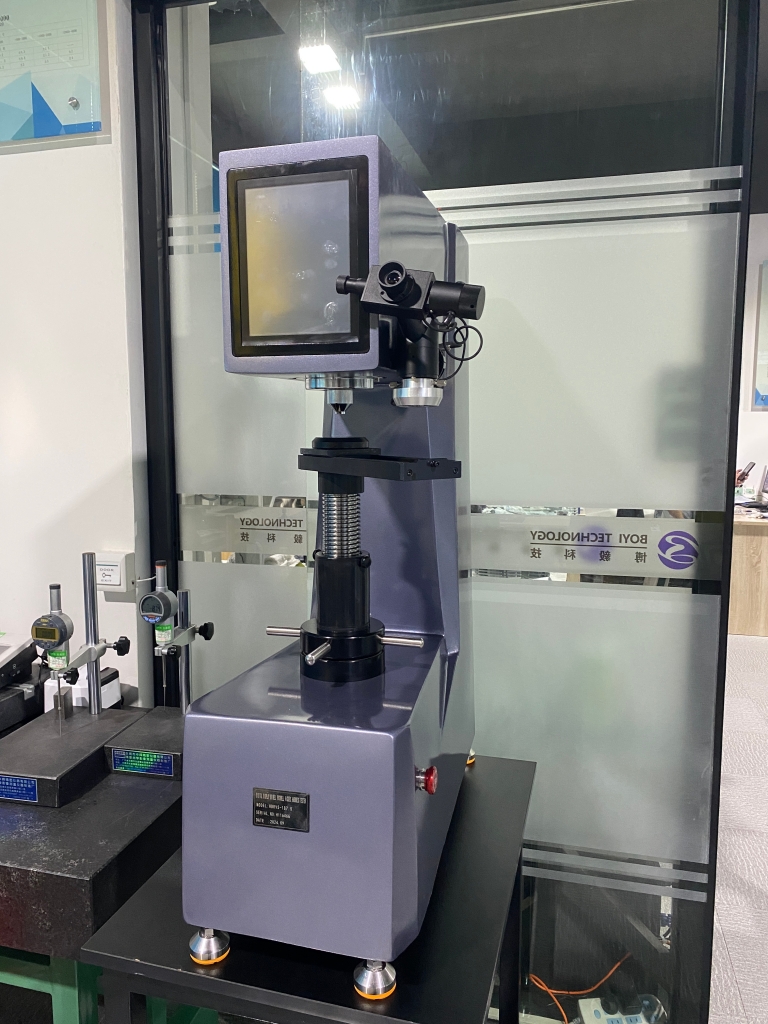
ISO 9001: The foundation for a documented quality management system, ensuring consistency.
IATF 16949: The essential standard for automotive part suppliers, emphasizing continuous improvement and defect prevention.
ISO 13485: Critical for medical device manufacturing, ensuring safety and regulatory compliance.
ISO 27001: For intellectual property-sensitive projects, guaranteeing data security protocols.
A partner like GreatLight CNC Machining Factory, which maintains these certifications, embeds quality into every process, not just the final inspection.
H3: 3. Proactive Engineering Partnership (The Hidden Value)
The most significant value often comes before the machine starts. A true partner acts as an extension of your engineering team, offering:
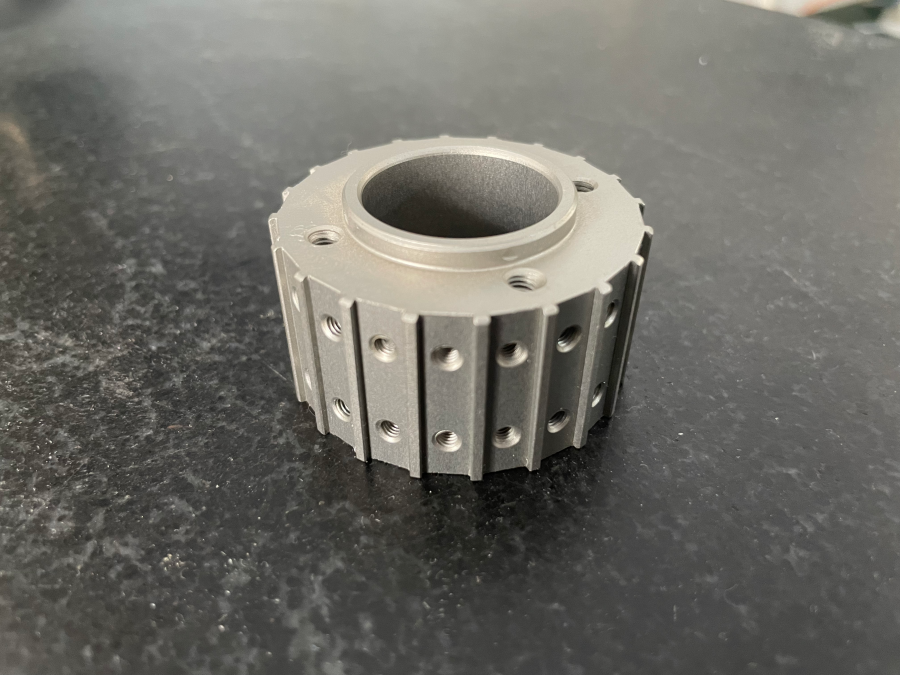
Design for Manufacturability (DFM) Analysis: Expert feedback on how to tweak designs to reduce cost, improve strength, or enhance machinability without compromising function.
Process Planning and Simulation: Optimizing tool paths, selecting cutting parameters, and simulating operations to prevent collisions and ensure efficiency.
Material Selection Guidance: Recommending the optimal alloy, grade, and post-processing heat treatment for the part’s operational environment (stress, temperature, corrosion).
H2: The Five-Axis Advantage: A Closer Look at a Game-Changer
Given its prominence in high-end machining, five-axis CNC machining deserves special attention. Its advantages are transformative:
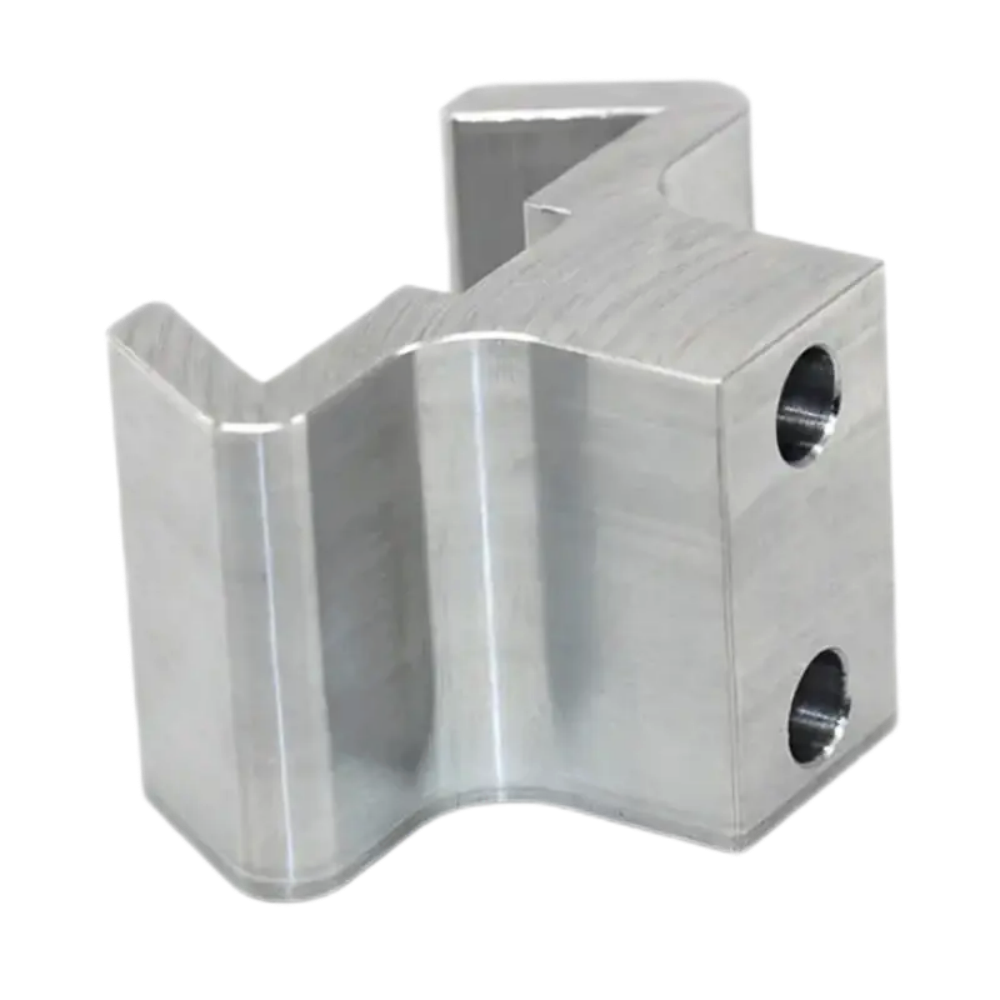
Single-Setup Machining: Complex parts can be completed in one fixturing, eliminating cumulative errors from multiple setups and saving significant time.
Superior Surface Finish: The ability to maintain optimal tool orientation leads to better surface quality and longer tool life.
Access to Complex Geometries: Undercuts, deep cavities, and contoured surfaces that require compound angles become feasible.
Shorter Tooling: The head can be tilted, allowing the use of shorter, more rigid cutting tools that reduce vibration and improve precision on deep features.
For clients pushing the boundaries of design—be it for a lightweight aerospace bracket, a complex medical implant prototype, or an intricate automotive component—partnering with a specialist in precision 5-axis CNC machining services{:target=”_blank”} is a strategic imperative. It’s not just a service; it’s an enabler of innovation.
H3: Material Matters: Matching the Metal to the Mission
The service is only as good as the material it works on. A full-service provider should have extensive experience with:
Aluminum Alloys (e.g., 6061, 7075): Excellent strength-to-weight ratio, good machinability.
Stainless Steels (e.g., 303, 304, 316, 17-4 PH): For corrosion resistance and strength.
Titanium Alloys (e.g., Grade 5, Ti-6Al-4V): For the ultimate strength, lightweight, and biocompatibility (medical/aerospace).
Engineering Plastics (PEEK, Delrin, Ultem): For electrical insulation, low friction, or chemical resistance.
Exotic Alloys: Inconel, Hastelloy, and others for extreme temperature and corrosive environments.
H4: Making the Strategic Choice: What to Look For
When evaluating potential partners for your manufacturing CNC machining services, move beyond quoted price and lead time. Use this checklist:
Technical Dialogue: Do they ask insightful questions about your part’s function, load, and environment?
Transparent Process: Can they walk you through their quality control steps and inspection capabilities (CMM, optical scanners)?
Full-Service Evidence: Do they showcase in-house finishing, assembly, or other value-added services?
Certification Portfolio: Are their quality claims backed by current, relevant international certificates?
Cultural Fit: Is communication responsive, professional, and collaborative?
Conclusion: Partnering for Precision and Progress
Navigating the landscape of manufacturing CNC machining services requires a blend of technical understanding and strategic vendor selection. In a market crowded with options, the winners will align with partners who offer not just machine time, but holistic manufacturing intelligence—grounded in advanced technology, fortified by rigorous quality systems, and delivered through deep engineering collaboration.
For projects demanding the highest levels of precision, complexity, and reliability, the capabilities offered by specialists in multi-axis and full-process manufacturing provide a compelling advantage. It is through such partnerships that ambitious designs are faithfully realized, and innovative products are successfully brought to market. To explore how industry leaders are leveraging these advanced capabilities, one can observe the continuous innovation and project showcases on professional platforms such as GreatLight’s LinkedIn{:target=”_blank”}, which often reflect the cutting-edge applications of modern manufacturing CNC machining services.



















