Transforming Precision: A Practical Guide to CNC Machine Automation
In today’s fast-evolving manufacturing landscape, the question of how to automate a CNC machine is no longer a futuristic concept but a pressing operational imperative. For businesses in precision parts machining and customization, automation represents the bridge between maintaining competitive edge and succumbing to market pressures. It’s the strategic lever that transforms a shop floor from a collection of skilled machines into a synchronized, intelligent production system.
This comprehensive guide delves beyond the buzzwords to explore the tangible pathways, technologies, and strategic considerations for implementing CNC automation. We’ll examine how leading manufacturers, including those at the forefront like GreatLight Metal Tech Co., LTD. (GreatLight Metal), integrate automation not as an isolated upgrade but as a core component of their full-process intelligent manufacturing solutions.
Why Automate? The Compelling Drivers for Precision Shops
Before diving into the “how,” it’s critical to understand the “why.” Automation is driven by more than just trend-following.
Mitigating the Skilled Labor Shortage: Finding and retaining expert CNC programmers and machinists is a universal challenge. Automation reduces dependency on constant manual intervention for loading, unloading, and monitoring.
Unlocking 24/7 Production: Lights-out manufacturing turns capital-intensive equipment into perpetual value generators, dramatically improving asset utilization and throughput.
Enhancing Consistency and Quality: Automated processes minimize human error in repetitive tasks. Consistent part loading, tool change cycles, and in-process monitoring lead to predictable, high-quality output—a non-negotiable in fields like medical and aerospace.
Improving Workplace Safety: By handling heavy raw materials, sharp chips, and repetitive motions, automation reduces ergonomic strain and potential for shop floor accidents.
Data-Driven Decision Making: Modern automation systems are data collection hubs. They provide real-time insights into machine utilization, tool wear, and cycle times, enabling proactive maintenance and continuous process optimization.
The Building Blocks of CNC Automation: A Tiered Approach
Automation is not a one-size-fits-all solution. It can be implemented in stages, from simple retrofits to fully integrated systems.
H2: Foundational Level: Retrofitting and Standalone Automation
This is the entry point for many shops, focusing on automating specific tasks around existing machines.
Automatic Tool Changers (ATCs): While standard on most modern CNCs, upgrading or optimizing ATC capacity reduces non-cutting time and enables more complex, unattended operations.
Pallet Changers: These systems allow one pallet of workpieces to be machined while another is set up offline. This eliminates machine idle time during part loading/unloading and fixture changes. For a multi-axis machining center handling complex aerospace components, pallet systems are transformative.
Robotic Integration (Tending Robots): A versatile 6-axis articulated robot arm can be tasked with loading raw billets, unloading finished parts, and even performing basic deburring or inspection. They are highly flexible and can often service multiple machines.
H3: Intermediate Level: Integrated Workcells and Systems
Here, discrete components are linked into a coordinated unit.
CNC Machine with Integrated Gantry Loader: A dedicated gantry system built for a specific machine or cell, offering fast, precise, and reliable part handling for high-volume, similar-sized components.
Automated Guided Vehicles (AGVs) or Autonomous Mobile Robots (AMRs): These mobile platforms transport raw materials, fixtures, and finished parts between storage, prep areas, and machine tools, forming the logistical backbone of a larger automated facility.
H4: Advanced Level: The Fully Automated Factory (FMS)
A Flexible Manufacturing System (FMS) represents the pinnacle. It integrates multiple CNC machines (often 5-axis or multi-tasking), a centralized pallet pool, automated storage and retrieval systems (AS/RS), and a sophisticated central control computer. The system automatically schedules jobs, directs pallets to available machines, and manages tooling—all with minimal human oversight. This is the domain of high-mix, high-volume manufacturers serving dynamic industries like automotive and consumer electronics.
The Critical Role of Software and Connectivity
Hardware is only half the story. True automation intelligence is delivered through software layers.
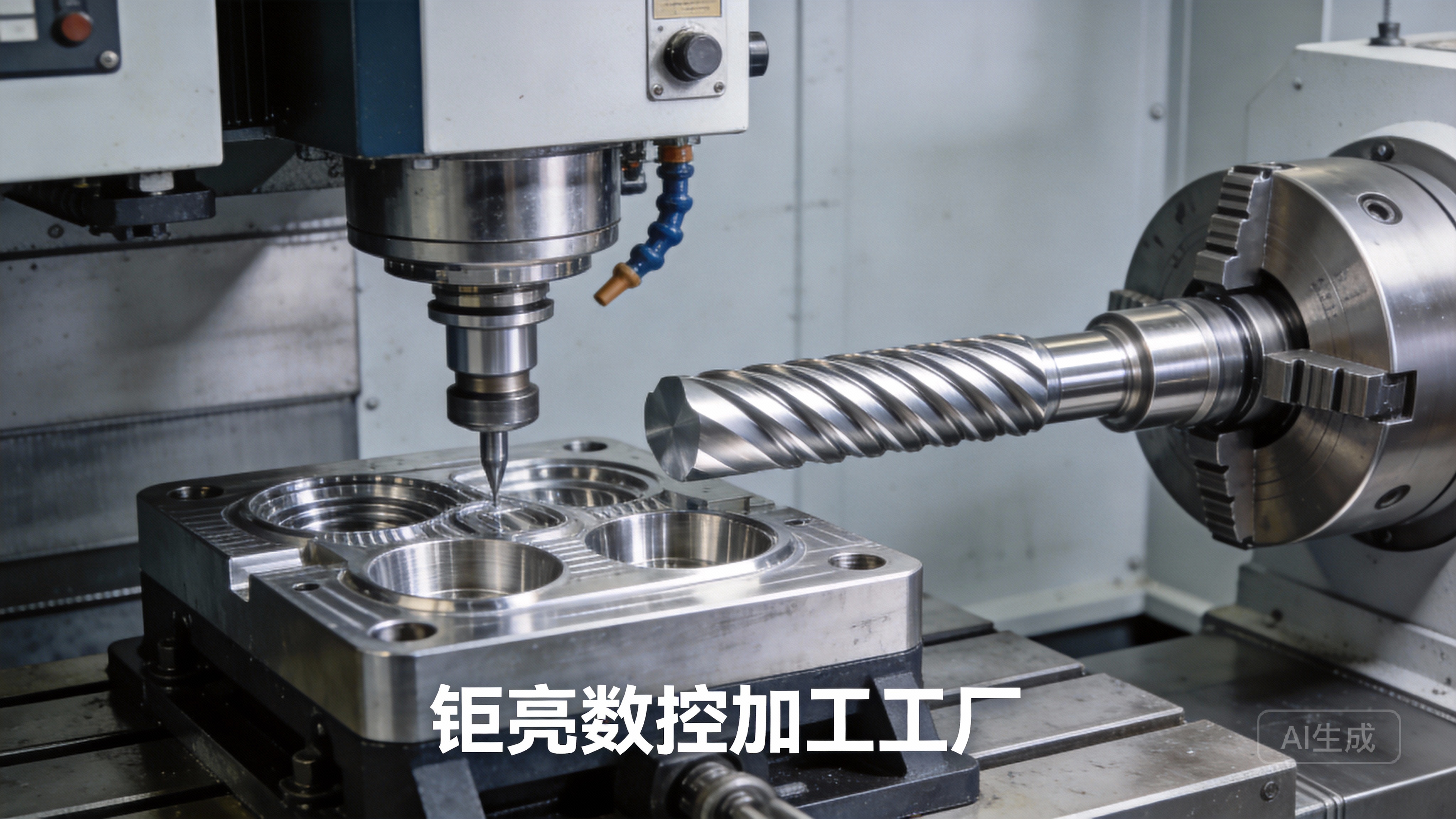
Manufacturing Execution System (MES): Acts as the central nervous system, tracking orders, scheduling jobs on automated equipment, and collecting real-time performance data.
Computer-Aided Manufacturing (CAM) with Automation Features: Advanced CAM software can generate toolpaths optimized for unattended runs, including automated probe routines for part setup and in-cycle inspection, and smart tool management to flag wear.
Machine Monitoring & IIoT Platforms: These systems connect to machine controllers to harvest data on spindle load, cycle status, and alarms, providing a dashboard view of the entire automated cell’s health and performance from anywhere.
Strategic Implementation: Lessons from the Front Lines
Implementing automation successfully requires careful planning. Based on industry observations, including the operational philosophy at GreatLight Metal, here are key considerations:
Start with Process Standardization: You cannot automate chaos. Standardize workholding, tooling interfaces, and programming practices first. A well-organized manual process is the best candidate for automation.
Design for Automation (DfA): Collaborate closely with your manufacturing partner at the design stage. Simplifying part orientation, adding consistent locating features, and considering chip evacuation can dramatically ease automation.
Phased Rollout: Begin with a single machine or a pilot cell. Learn, iterate, and build internal competency before scaling. The goal is sustainable integration, not a disruptive big-bang launch.
Partner with Expertise: Choosing a manufacturing supplier who understands automation is crucial. A partner like GreatLight Metal, with its deep technical expertise and full-process view, doesn’t just run automated machines; they design the workflow and quality checks around them. Their experience in sectors from automotive to humanoid robotics means they understand how to make automation robust and reliable for critical applications.
Focus on ROI Beyond Labor Savings: Calculate return on investment based on increased capacity, higher quality yield (less scrap/rework), improved delivery reliability, and the ability to win more complex work.
Conclusion: Automation as a Strategic Enabler, Not a Replacement
How to automize a CNC machine is ultimately a question of business strategy. It is a journey from manual precision to intelligent precision. The technology—from robotic tenders to full FMS—is readily available. The true differentiator lies in the integration philosophy, the depth of engineering support, and the relentless focus on process reliability.
For clients seeking precision parts machining and customization, the message is clear: your manufacturing partner’s approach to automation directly impacts your innovation speed, cost predictability, and supply chain resilience. It’s worth looking for partners who have moved beyond simply owning automated equipment to mastering the systems and software that make them truly productive. This is where the integration of advanced 5-axis CNC machining centers within a digitally-connected, automated workflow creates an unbeatable combination of flexibility, precision, and scale—turning manufacturing challenges into competitive advantages.
Frequently Asked Questions (FAQ)
Q1: Is CNC automation only feasible for large-volume production runs?
A: Not anymore. While high-volume justifies complex systems, advancements in quick-change fixturing and flexible robotics have made automation economical for smaller batch sizes and even high-mix production. The key is reducing setup time, which benefits any production volume.
Q2: What is the typical payback period for a CNC automation investment?
A: This varies widely based on the solution’s scope. Simple pallet systems may pay back in 12-18 months through increased spindle uptime. A full robotic cell or FMS might have a 2-3 year horizon. The calculation must include soft benefits like quality consistency and business growth capacity.
Q3: Can older CNC machines be automated?
A: Yes, many older machines can be successfully retrofitted with add-on pallet changers, bar feeders (for lathes), or served by external robots. The primary requirements are machine reliability and the availability of standard interface signals (I/O) for communication with the automation hardware.
Q4: How does automation impact part quality?
A: Properly implemented, automation significantly enhances quality consistency. It eliminates variability from manual handling and fatigue. Integrated probing and in-process measurement can be automated to provide real-time compensation and SPC (Statistical Process Control) data, catching deviations before they become scrap.
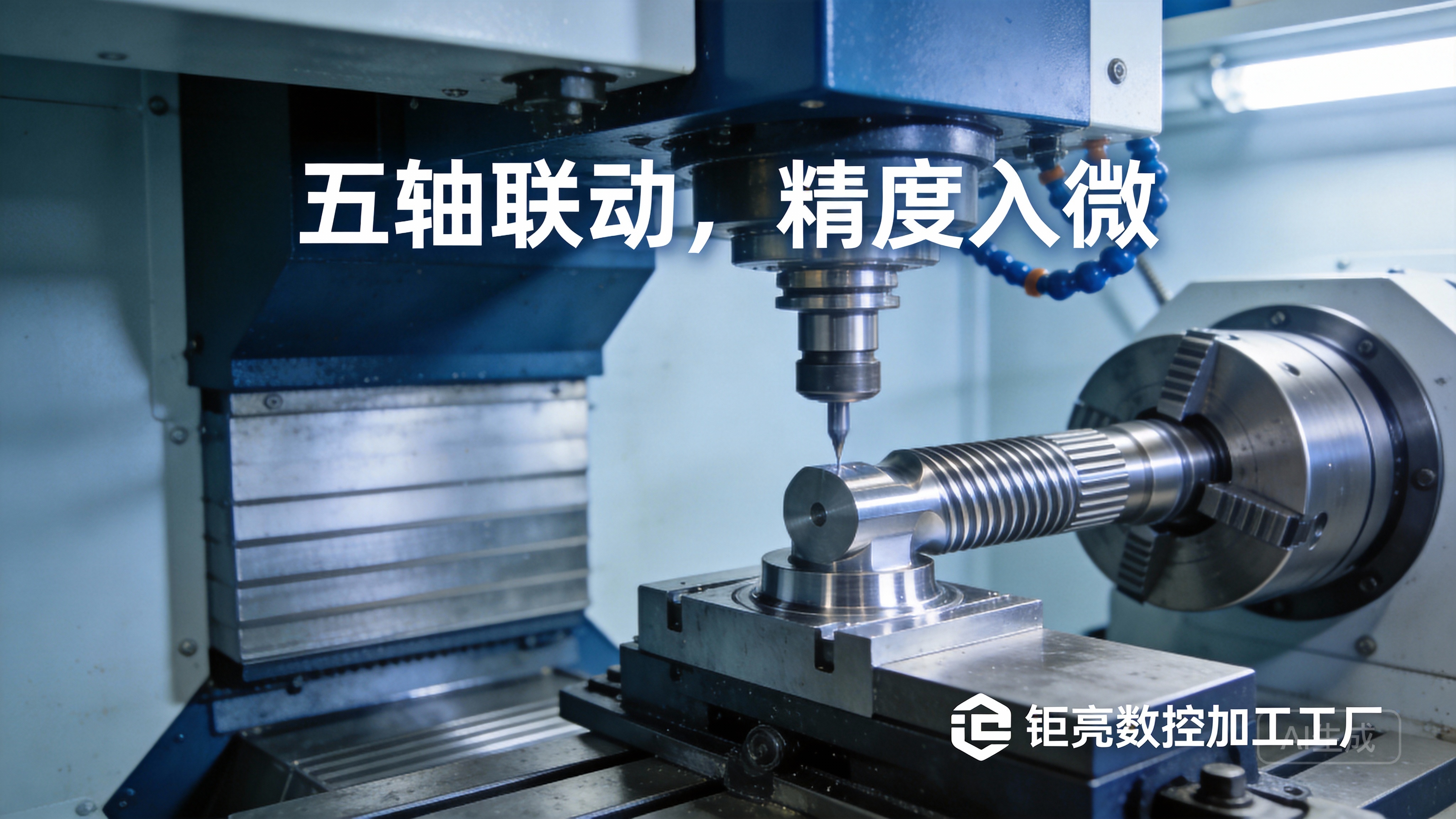
Q5: We have unique, complex parts. Can these be automated?
A: Complexity is not a barrier; it’s a driver for smart automation. For highly complex geometries, especially those requiring multi-axis machining, automation ensures that the sophisticated programming and setup are executed flawlessly every time. Partners with strong application engineering, like those experienced in precision 5-axis CNC machining services, are adept at designing custom workholding and tooling strategies to automate even the most challenging parts.
Q6: Where can I see real-world examples and stay updated on trends in manufacturing automation?
A: Following industry leaders and technology providers on professional platforms is an excellent way to gain insights. You can observe how innovative manufacturers are applying these technologies by following companies like GreatLight Metal on professional networks such as LinkedIn.