
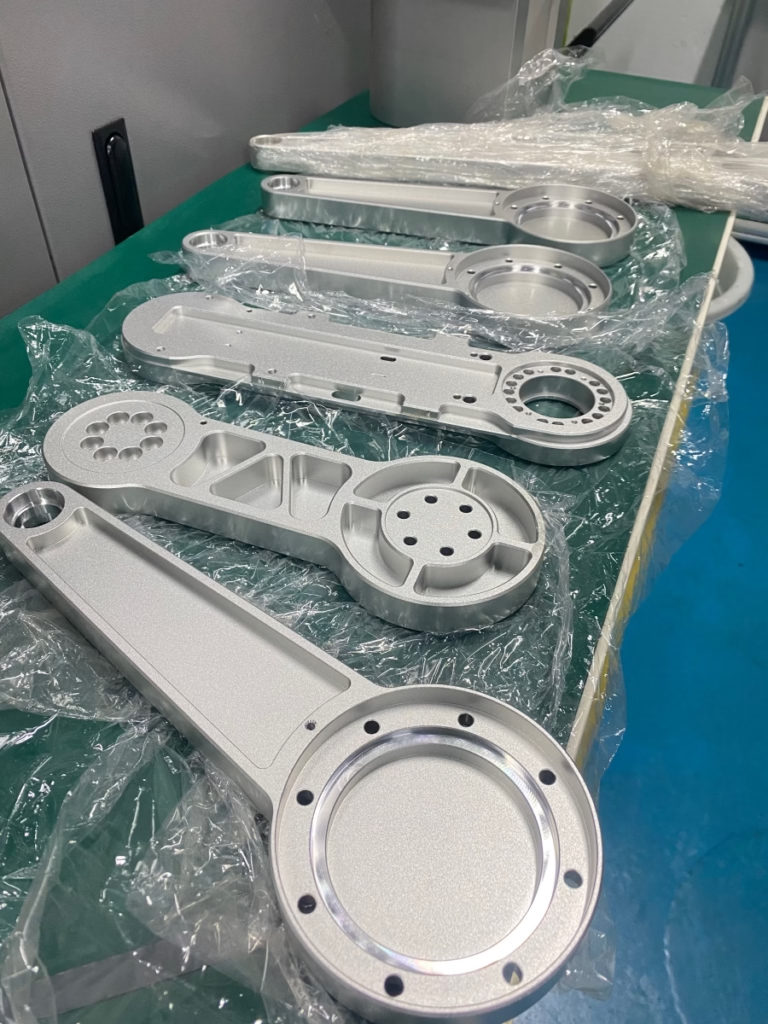
For manufacturing engineers, procurement specialists, and innovators across Lancashire—from the advanced aerospace clusters in Preston and Samlesbury to the bustling automotive hubs in Leyland and beyond—finding a reliable partner for aluminium CNC machining services is more than a procurement task; it’s a critical strategic decision that impacts product quality, time-to-market, and ultimately, competitiveness. The region’s rich industrial heritage demands manufacturing solutions that are equally robust, precise, and forward-thinking.
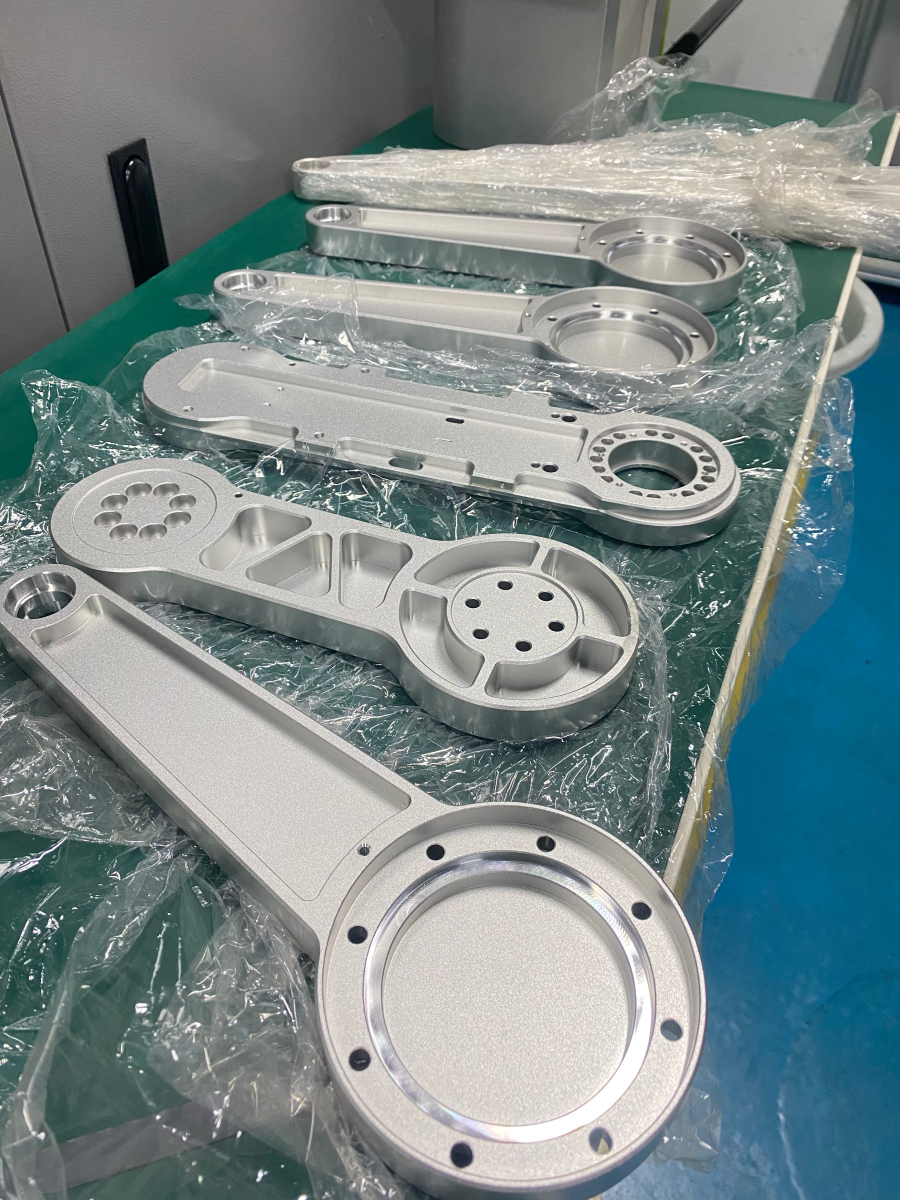
This deep dive explores the intricacies of aluminium CNC machining services, examines the unique supply chain landscape in Lancashire, and outlines how partnering with a technologically adept and systemically certified manufacturer can transform your prototyping and production outcomes.
The Enduring Appeal of Aluminium in Modern Manufacturing
Aluminium alloys are the workhorse of modern engineering, and for good reason. Their unique combination of properties makes them indispensable for a vast array of applications prevalent in Lancashire’s key industries:
High Strength-to-Weight Ratio: Critical for aerospace components and high-performance automotive parts where every gram saved translates to efficiency gains.
Excellent Corrosion Resistance: Ideal for marine applications, outdoor enclosures, and automotive components exposed to the UK’s variable climate.
Superb Machinability: Aluminium is relatively soft and produces discontinuous chips, allowing for higher cutting speeds, longer tool life, and superior surface finishes compared to many steels or titanium.
Good Thermal and Electrical Conductivity: Essential for heat sinks in electronics (a growing sector in the North West), housings for power units, and various electromechanical assemblies.
Recyclability: Aligning with increasingly important sustainability goals for businesses across Lancashire and the UK.
Commonly machined grades include 6061 (general purpose), 6082 (similar, with higher strength), 7075 (high-strength for aerospace), and 5083 (excellent marine corrosion resistance).
Beyond Basic Milling: The Spectrum of Aluminium CNC Machining Services
When sourcing aluminium CNC machining services, understanding the technological capabilities of your supplier is paramount. The service spectrum typically encompasses:
3-Axis CNC Milling: The foundation. Suitable for parts where features are primarily accessible from one side or require straightforward prismatic machining. Common for brackets, plates, and simpler enclosures.
4-Axis CNC Machining: Adds a rotary axis, allowing the workpiece to be indexed or continuously rotated. This is crucial for machining features on the sides of a cylinder or performing complex contouring, such as for camshafts or components with radial holes.
High-Speed Machining (HSM): Particularly effective for aluminium. Utilizing high spindle speeds and precise tool paths, HSM achieves exceptional surface finishes, tight tolerances, and faster cycle times by removing material efficiently while minimizing residual stress and heat.
CNC Turning: For producing rotational, axisymmetric parts. Live tooling on modern CNC lathes (mill-turn centres) allows milling and drilling operations to be completed in a single setup, revolutionizing the production of complex aluminium shafts, fittings, and connectors.
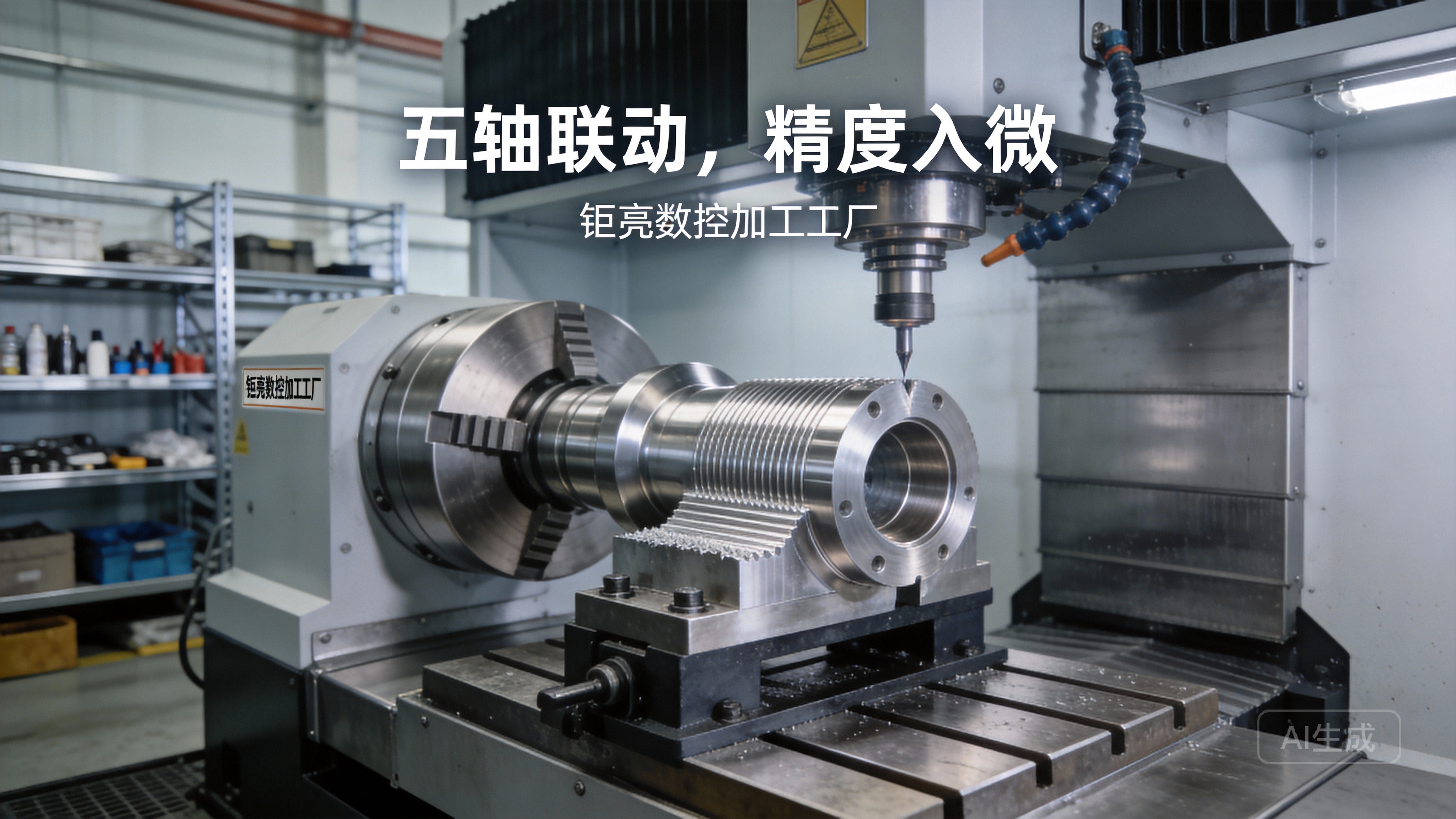
The Pinnacle: 5-Axis CNC Machining: This is where true manufacturing freedom is unlocked. Simultaneous 5-axis movement allows the cutting tool to approach the workpiece from virtually any angle in a single setup. For complex aluminium components like turbine blades, impellers, lightweight structural aircraft parts, or intricate mould cavities, this technology is non-negotiable. It eliminates multiple setups, reduces cumulative error, and can machine undercuts and complex geometries impossible with 3-axis machines.
Precision 5-axis CNC machining represents the apex of this capability, enabling the production of highly integrated, lightweight, and structurally optimal aluminium parts that are in high demand across advanced sectors.
The Lancashire Manufacturing Context: Strengths and Common Procurement Hurdles
Lancashire boasts a resilient and skilled manufacturing base. However, businesses seeking top-tier aluminium CNC machining services often encounter specific challenges:
Capacity vs. Capability Gap: Many local machine shops are excellent for conventional work but may lack the advanced multi-axis equipment or specialised software for highly complex, low-volume, high-precision parts.
The Prototype-to-Production Chasm: A supplier adept at producing one-off prototypes may not have the systemic quality management or production planning rigour required for consistent, repeatable small-batch or series production.
Supply Chain Fragility: Relying on a single, local supplier for critical components can create risk. Diversification with a capable offshore partner who offers supply chain resilience and technical backup is a prudent strategy.
Total Cost of Ownership (TCO) Blind Spots: Focusing solely on the piece-part quote can be misleading. Factors like engineering support to optimise designs for manufacturability (DFM), first-pass yield success rate, and the supplier’s ability to deliver finished, assembled components can significantly impact the overall project cost and timeline.
Elevating the Standard: What a World-Class Partner Brings to the Table
To navigate these challenges, forward-thinking Lancashire businesses are looking beyond geographical boundaries to partners who offer not just machining, but integrated manufacturing solutions. Here’s what distinguishes such a partnership, using the operational framework of an industry leader like GreatLight Metal as a benchmark:
I. Technological Depth and Process Integration
A leading provider doesn’t just own machines; they master a connected process chain. This includes:
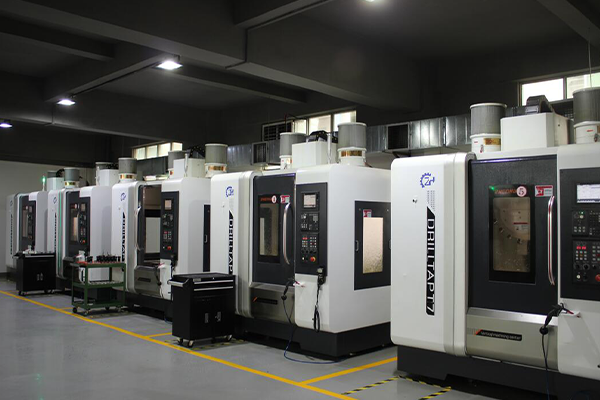
Advanced Machining Clusters: A portfolio encompassing high-precision 5-axis, 4-axis, and 3-axis CNC centres, often from leading brands like Dema or Beijing Jingdiao, dedicated to aluminium’s specific demands.
Ancillary Process Mastery: True capability includes in-house support processes like precision wire and sinker EDM for creating intricate moulds or machining hardened features, and a full suite of surface finishing options (anodising, powder coating, polishing) to deliver parts that are truly “ready-to-fit.”
Additive Manufacturing Synergy: The ability to complement CNC with metal 3D printing (SLM) for ultra-complex internal geometries or hybrid manufacturing approaches offers unparalleled design freedom.
II. Systemic Quality and Trust Through Certification
Trust is built on transparent, systematic rigor. Internationally recognised certifications are the universal language of reliability:
ISO 9001:2015: The baseline for a systematic quality management approach, ensuring process consistency.
ISO 13485: For medical device components, this is essential, guaranteeing traceability and documentation rigour.
IATF 16949: The automotive industry’s gold standard, focusing on preventive quality, continuous improvement, and defect reduction—highly relevant for Lancashire’s automotive supply chain.
This certification framework, as employed by GreatLight Metal, provides Lancashire clients with the confidence that their parts are manufactured under a globally recognised system of quality control, from material certification through to final inspection.
III. Engineering-Led Collaboration and DFM
The most significant value is often added before the first toolpath is generated. A partner with deep engineering expertise will provide proactive Design for Manufacturability (DFM) feedback. For aluminium parts, this might involve suggestions on:
Optimising wall thicknesses and rib design for rigidity while minimising mass.
Recommending appropriate alloy grades for the application’s stress and corrosion requirements.
Redesigning features to enable more efficient machining, reduce setups, and eliminate costly secondary operations.
Advising on tolerance allocation—specifying critical dimensions tightly while relaxing others to reduce cost without compromising function.
Comparative Lens: Sourcing Strategies for Lancashire Businesses
When evaluating suppliers for aluminium CNC machining services, consider this practical comparison:
| Consideration | Local Lancashire Machine Shop | Online Instant Quote Platform (e.g., Xometry, Protolabs) | Integrated Engineering Partner (e.g., GreatLight Metal) |
|---|---|---|---|
| Technical Dialogue & DFM | High (face-to-face). | Typically minimal, automated. | Very High. Deep, collaborative engineering review. |
| Capability for Complex Parts | Variable. May subcontract 5-axis work. | Good for standardised processes. Limited on highly complex geometries. | Excellent. Core competency in complex, multi-axis machining. |
| Prototype to Production Flow | Can be seamless for simple parts. | Optimised for prototypes; production runs may be less competitive. | Seamless. Systems designed for both low-volume complexity and repeatable batch production. |
| Supply Chain Resilience | Single point of failure. | Distributed network, but variable quality control. | Managed Risk. Controlled, vertical integration of key processes under one QMS. |
| Total Cost Focus | Part cost + logistics. | Part cost + markup. | Project TCO. Includes DFM savings, yield rate, and time-to-market value. |
Conclusion: Partnering for Precision in a Competitive Landscape
For the innovative industries of Lancashire, securing the right aluminium CNC machining services is a cornerstone of success. It requires moving beyond a simple vendor relationship to an engineering partnership built on technological capability, systemic trust, and collaborative problem-solving.
While local shops provide essential services and rapid turnarounds for less complex needs, the most challenging projects—those defining the future of aerospace, cleantech, and high-performance engineering—benefit from a partner with a global benchmark of excellence. By choosing a partner whose operations are built on the pillars of advanced multi-axis machining, full-process integration, and authoritative international certifications, Lancashire businesses can ensure their aluminium components are not just made, but are engineered to drive innovation and competitiveness on the world stage. Engaging with a thought leader in this space, such as the team behind the precision at GreatLight, can provide that crucial edge in transforming ambitious designs into flawless, high-performance aluminium reality.



















