
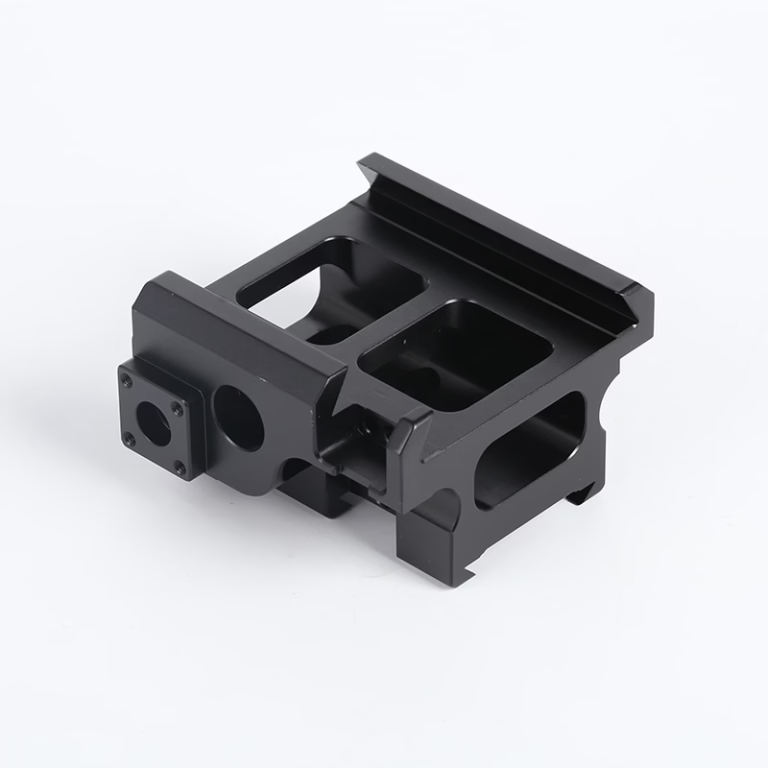
For any engineer, designer, or procurement specialist sourcing precision parts, the ultimate question often boils down to one critical metric: accuracy. When choosing a manufacturing method, understanding the fundamental reasons behind accuracy disparities is not academic—it directly impacts product performance, assembly success, and total cost. So, let’s address a core query head-on: Why CNC Is More Accurate Than Conventional Machines?
The answer lies not in a single magical component but in a fundamental architectural difference. CNC (Computer Numerical Control) machining represents a paradigm shift from human-dependent operation to a digitally-driven, closed-loop manufacturing process. This shift manifests in superior accuracy across several interconnected dimensions.
H2: The Core of the Difference: Digital Precision vs. Human-Dependent Craftsmanship
At its heart, conventional machining (like manual mills, lathes, or grinders) relies on the operator’s skill, eyesight, and manual dexterity to interpret drawings, set positions, and control movements. The machine is a powerful but “dumb” tool. In contrast, a CNC machine is an integrated system where the mechanical hardware is directed by a digital brain (the controller) executing a pre-programmed set of instructions (G-code). This foundational difference cascades into every aspect of precision.
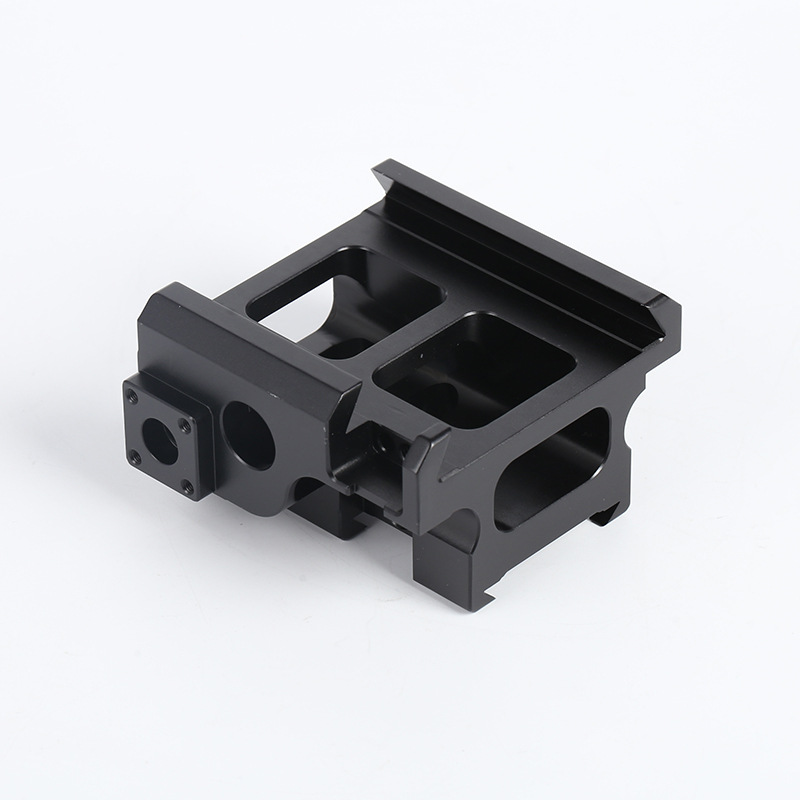
H3: 1. Elimination of Human Error in Motion Control
This is the most significant factor. In conventional machining, every handwheel turn, every dial gauge reading, and every feed adjustment is a potential source of cumulative error.
Manual Positioning: A machinist positioning a table using a manual dial might misread by a few thousandths of an inch (or hundredths of a mm). This error is directly transferred to the part.
Consistency: Human fatigue or lapses in concentration can lead to inconsistencies between the first and hundredth part.
Why CNC Is More Accurate: The CNC controller commands servo or stepper motors to move axes to exact coordinates defined in the program. These movements are precise, repeatable, and utterly consistent from the first part to the thousandth. The program is the single source of truth for dimensions.
H3: 2. Superior Structural Rigidity and Design
While not an absolute rule, modern CNC machines are often designed from the ground up for high-precision, automated operation.
Mass and Damping: They typically feature heavier, more robust castings and bases with superior vibration damping characteristics. This minimizes chatter and deflection during aggressive or fine cuts, preserving dimensional stability.
Ball Screws & Linear Guides: Most CNC machines use precision-ground ball screws and linear guideways for motion transmission. These offer near-zero backlash (the “play” or slack in the system when reversing direction) compared to the Acme leadscrews often found in older conventional machines. Backlash is a major enemy of precision contouring and positioning.
H3: 3. Advanced Thermal Management and Compensation
Heat is the silent killer of precision. As a machine runs, motors, drives, and friction generate heat, causing components to expand minutely—a phenomenon called thermal growth.
Conventional Challenge: A skilled machinist might need to account for this intuitively or through lengthy warm-up routines, but it’s an imprecise and variable factor.
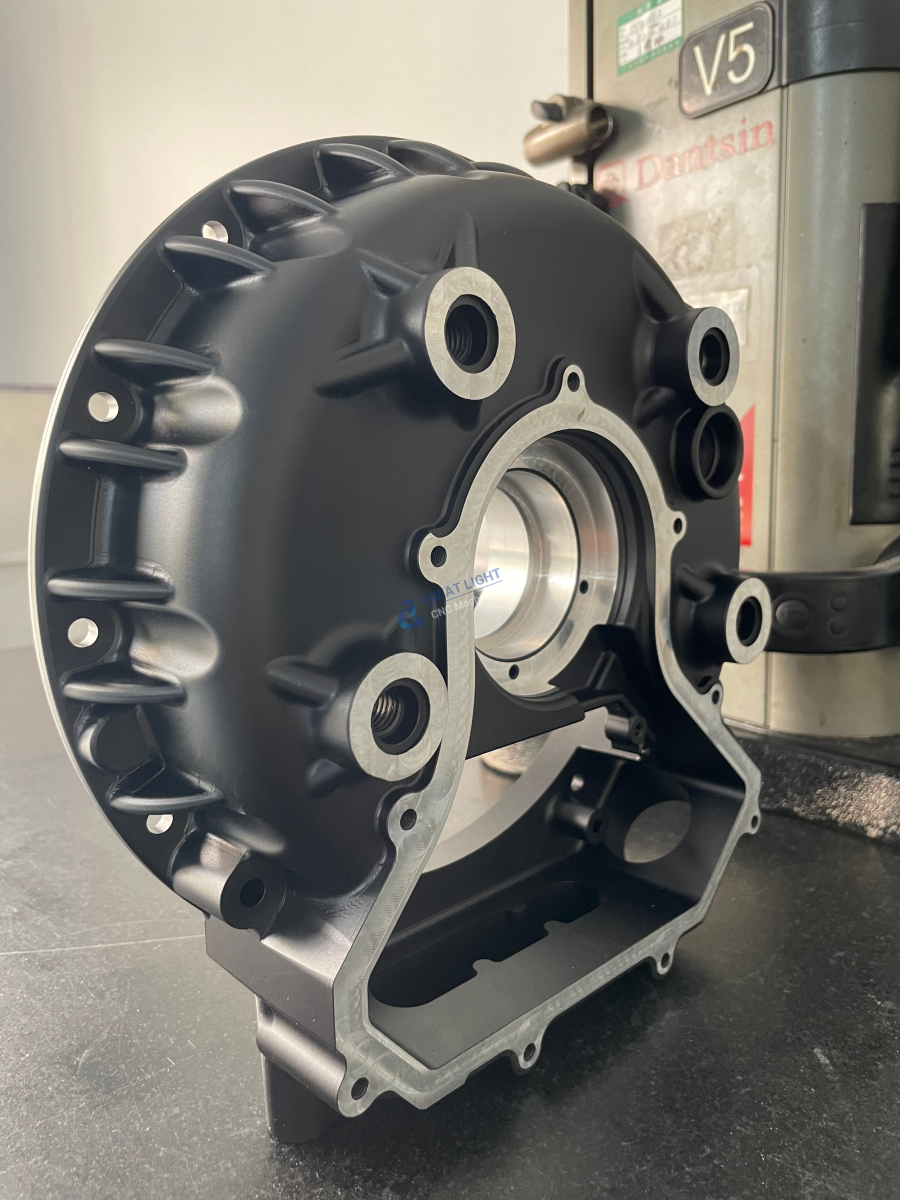
CNC Solution: High-end CNC machines incorporate sophisticated thermal management systems. This includes cooling systems for spindle bearings and ball screws, and even real-time thermal compensation software. The controller uses data from temperature sensors to actively adjust the machine’s coordinate system, counteracting thermal expansion in real-time. This capability is crucial for holding tight tolerances (±0.001″ / 0.025mm and beyond) over long production runs or in varying shop environments.
H3: 4. Programmatic Control of Cutting Parameters
Precision isn’t just about where the tool goes, but also how it cuts.
Manual Limitation: On a conventional machine, controlling feed rate and spindle speed is often based on the operator’s “feel” and experience, which can vary.
CNC Optimization: In CNC, the optimal spindle speed (RPM) and feed rate (IPM or MMPM) for a given tool and material are programmed directly. This ensures the tool engages the material consistently under ideal conditions, minimizing tool deflection, premature wear, and heat generation—all factors that affect final part dimensions and surface finish.
H3: 5. Closed-Loop Feedback Systems
This is a key technological divider. Many conventional machines operate “open-loop”—you command a movement, but you have no direct verification that it occurred exactly as instructed.
Why CNC Is More Accurate: Most modern CNC systems employ closed-loop feedback. Position encoders (linear scales on the axes or rotary encoders on the motors) constantly report the tool’s actual position back to the controller. The controller compares this real-time data to the commanded position and makes instantaneous micro-corrections. This system actively defeats errors from backlash, minor mechanical wear, or unexpected resistance.
H2: The Convergence of Capabilities: How a Partner Like GreatLight Leverages CNC Superiority
Understanding the theory of CNC accuracy is one thing; realizing it consistently on complex, mission-critical parts is another. This is where the expertise of a specialized manufacturer becomes paramount. A partner like GreatLight Metal Tech Co., LTD. amplifies the inherent accuracy of CNC technology through a holistic approach:
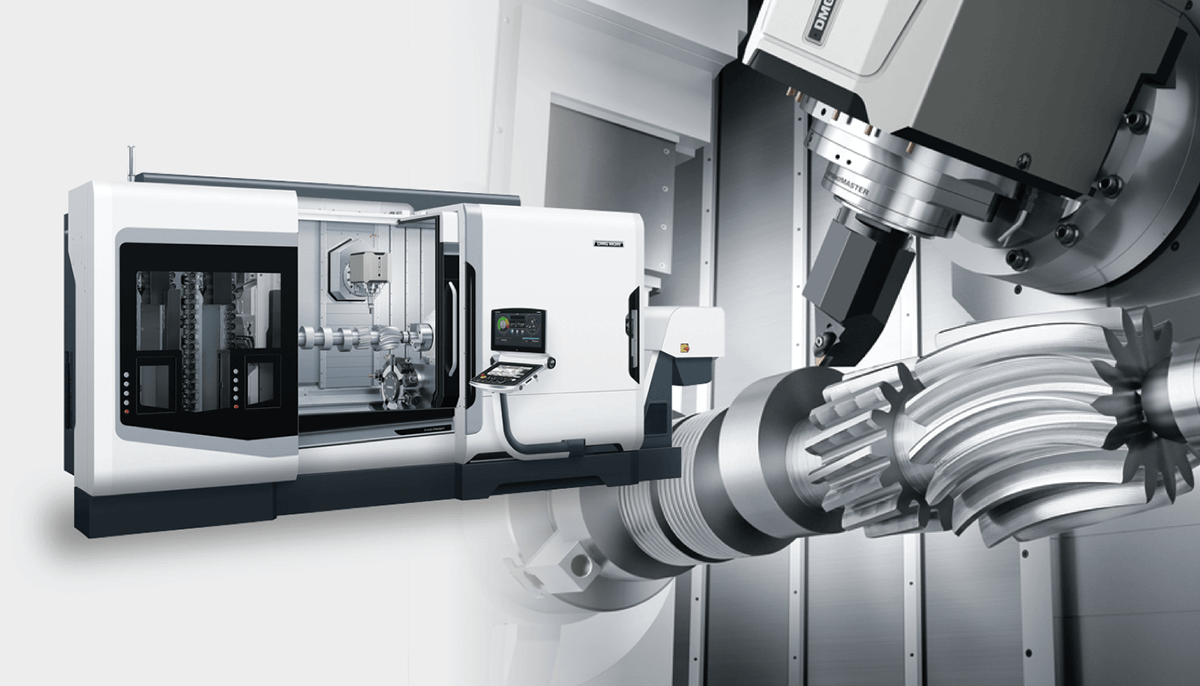
Equipment Tier: Utilizing advanced 5-axis CNC machining centers (e.g., from brands like Dema) provides not just linear accuracy, but also unparalleled contouring and angular accuracy for complex geometries in a single setup, eliminating cumulative errors from multiple fixturing.
Metrology Integration: Accuracy is meaningless without verification. In-house precision CMMs, laser scanners, and surface profilers allow for first-article inspection and statistical process control (SPC), creating a closed data loop from design to finished part.
Process Engineering: Deep material science knowledge informs toolpath strategies, fixturing design, and cutting parameter optimization specifically to mitigate forces and heat that could compromise accuracy for a given alloy (e.g., aluminum, titanium, or stainless steel).
Systemic Quality Foundation: Adherence to ISO 9001:2015 and industry-specific standards like IATF 16949 (automotive) or ISO 13485 (medical) ensures that the entire workflow—from program validation to final inspection—is documented, controlled, and aimed at consistent, verifiable precision.
Conclusion
So, Why CNC Is More Accurate Than Conventional Machines? It is the result of a systemic evolution: replacing human interpretation with digital instruction, augmenting robust mechanics with active error correction, and surrounding the process with controlled environmental and operational parameters. It transforms machining from a skilled craft into a predictable, engineering-driven science.
For clients seeking not just parts but reliable, high-performance components, the choice extends beyond simply selecting “CNC.” It involves selecting a manufacturing partner whose technical ecosystem—encompassing advanced machinery, rigorous process controls, and profound engineering support—is purpose-built to harness and guarantee that accuracy. This is the commitment behind every project, ensuring that the digital promise of your design is faithfully and precisely rendered in metal or plastic.
FAQ: Precision CNC Machining
Q1: What is a realistic tolerance I can expect from standard CNC machining?
While high-end machines can achieve ±0.001″ (±0.025mm) or better for critical features, a more common and economical standard precision for most machined parts is ±0.005″ (±0.127mm). Tighter tolerances are always possible but increase cost due to required specialty tooling, slower processes, and enhanced inspection. A good manufacturing partner will advise on designing with optimal, functional tolerances.
Q2: Does 5-axis CNC machining offer better accuracy than 3-axis?
In many cases, yes, but for a specific reason: reduced setup error. A complex part that requires multiple setups on a 3-axis machine accumulates small errors each time it is re-fixtured. A 5-axis machine can often complete the part in one or two setups, inherently improving overall accuracy and feature-to-feature alignment. The inherent positioning accuracy of a well-calibrated 5-axis machine is also extremely high.
Q3: How does material choice affect achievable CNC accuracy?
Material properties have a direct impact. Stable, free-machining alloys like 6061 aluminum are easier to hold to tight tolerances. Materials with high hardness, abrasiveness (like composites), or poor thermal conductivity (like some plastics) pose greater challenges. They can cause more tool wear, deflection, or heat buildup, requiring specialized strategies to maintain accuracy. Experienced manufacturers will tailor their process to the material.
Q4: Is CNC machining always the right choice for high-accuracy parts?
CNC machining is the dominant solution for discrete, high-accuracy metal and plastic parts. However, for extremely high-volume production of simpler shapes, precision die casting or stamping might be more economical after accounting for mold costs. For internal geometries impossible with cutting tools, metal 3D printing (SLM) followed by CNC finishing might be the “accurate” solution. The best choice depends on part geometry, material, volume, and budget.
Q5: How can I ensure my design is optimized for CNC accuracy?
Involving your manufacturing partner early (Design for Manufacturability – DFM) is key. They can advise on:
Specifying critical tolerances only where needed.
Avoiding excessively deep pockets or thin, tall walls prone to deflection.
Designing accessible features for proper tool approach and clamping.
Selecting appropriate materials for the required precision.
For insights into how a dedicated team applies these principles to solve real-world precision challenges, you can follow the industry expertise shared by professionals on platforms like LinkedIn{:target=”_blank”}.



















