
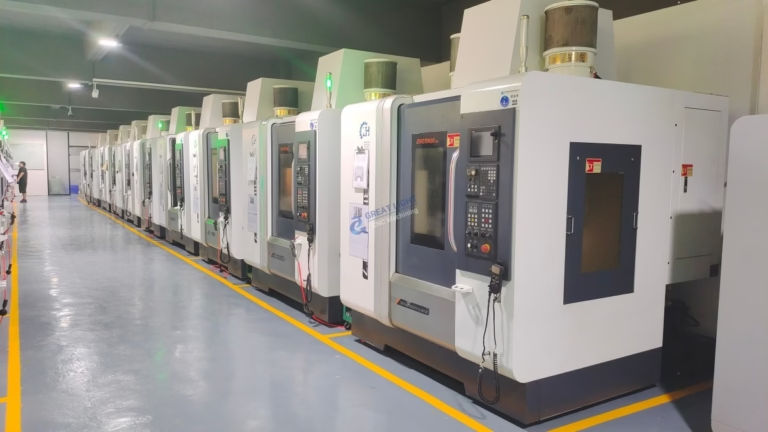
For individuals and businesses looking to enter or deepen their involvement in the precision manufacturing industry, the question of “Where can I learn CNC machining?” is the critical first step on a rewarding career path. Mastering CNC technology opens doors to high-value careers in aerospace, medical devices, automotive, and robotics. The learning journey is multifaceted, combining formal education, hands-on practice, and continuous professional development. Below, we outline a comprehensive roadmap for acquiring CNC machining expertise.
H2: Foundational Pathways: Structured Education and Training
The most reliable way to build a strong foundation is through structured programs that combine theory with practice.
H3: 1. Technical Colleges and Vocational Schools
These institutions offer the most direct and employment-focused route.
Associate Degree Programs: Typically 2-year programs in “CNC Machining Technology,” “Precision Manufacturing,” or “Mechatronics.” They cover blueprint reading, Geometric Dimensioning and Tolerancing (GD&T), metallurgy, CAD/CAM software (like Mastercam, Fusion 360, or Siemens NX), and hands-on machine operation.
Certificate Programs: Shorter, intensive courses (6 months to 1 year) focused on specific skills like CNC milling, turning, or programming. Ideal for career changers or those seeking to specialize quickly.
Curriculum Strength: Students gain access to machine shops, learn safety protocols systematically, and often benefit from industry partnerships that facilitate internships.
H3: 2. University Engineering Programs
For those aiming for roles in process engineering, R&D, or management.
Bachelor’s Degrees: A degree in Mechanical Engineering, Manufacturing Engineering, or Industrial Engineering provides deep theoretical knowledge in materials science, mechanics, thermodynamics, and advanced mathematics. CNC machining is a core component of the manufacturing labs.
Focus: This path emphasizes the why behind the how—optimizing tool paths, designing for manufacturability (DFM), and developing new processes. Graduates are equipped to solve complex manufacturing challenges.
H2: Practical Skill Acquisition: Apprenticeships and On-the-Job Training
There is no substitute for hands-on experience with chips flying. This is where theory meets the reality of tolerances and surface finishes.
H3: 1. Formal Apprenticeships
Many manufacturers and unions run structured 3-4 year apprenticeship programs. They follow a paid, learn-while-you-earn model, combining work under a journey-level machinist with related classroom instruction. This is considered the gold standard for producing highly skilled machinists.
H3: 2. Entry-Level Machine Shop Positions
Starting as a Machine Operator, Quality Inspector, or deburring technician provides invaluable shop floor exposure. Observing seasoned machinists and programmers, understanding workflow, and learning to interpret inspection reports (from CMMs and other metrology tools) is foundational knowledge. Proactive learners can often progress to setup and programming roles.
H3: 3. Interning at Advanced Manufacturers
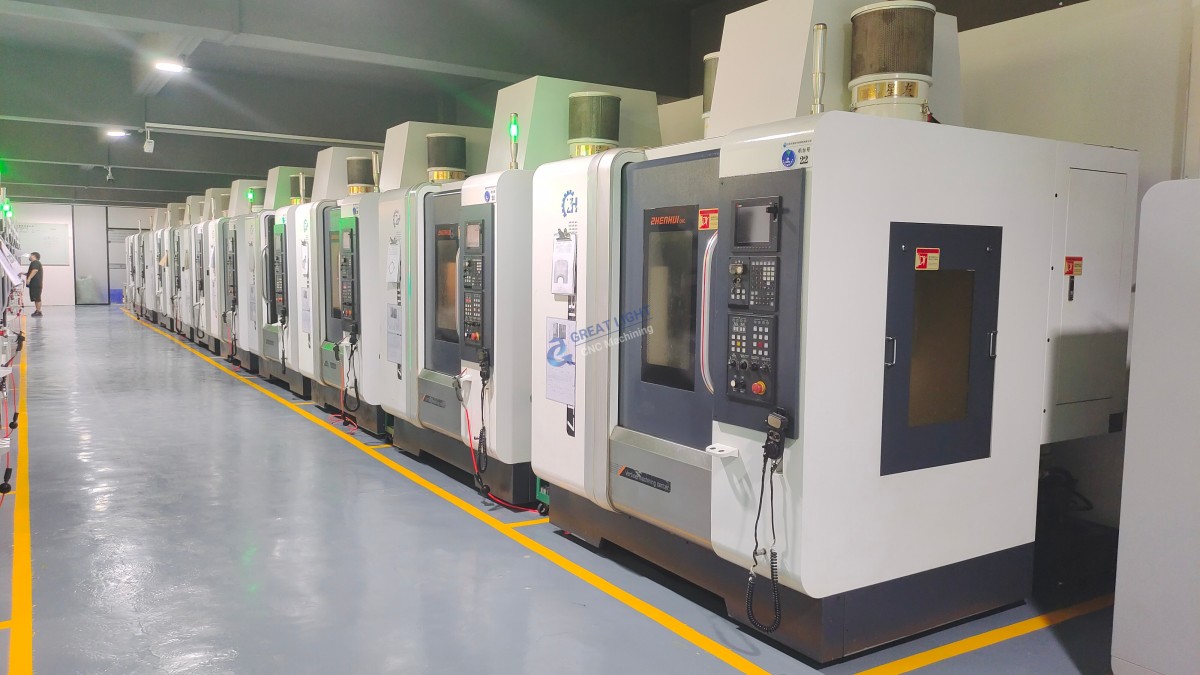
To learn industry best practices, seek opportunities at facilities known for high standards. For example, interning at a manufacturer like GreatLight CNC Machining Factory offers exposure to a full-spectrum, high-mix environment. Learners can witness the integration of 5-axis CNC machining, advanced post-processing, and rigorous quality control under ISO 9001:2015, IATF 16949, and AS9100 frameworks. This experience is invaluable for understanding how leading shops tackle complex, low-volume, high-precision parts.
H2: Self-Directed and Digital Learning Resources
The digital age provides unprecedented access to knowledge for self-starters.
Online Courses & Platforms: Websites like Udemy, Coursera, and Tooling U-SME offer courses ranging from basic CNC operation to advanced CAM programming and GD&T.
CAM Software Tutorials: Most major CAD/CAM software companies (Autodesk, Siemens, SolidWorks) provide extensive free tutorials and documentation. Mastering a software like Fusion 360 is a highly marketable skill.
YouTube Channels & Forums: A vibrant community exists online. Channels dedicated to machining demonstrate techniques, troubleshoot problems, and review tools. Forums like Practical Machinist are treasure troves of collective experience where professionals discuss complex issues.
Vendor Training: Tooling and machine manufacturers often host training seminars on the effective use of their products, which is excellent for deepening practical knowledge.
H2: Specialization and Continuous Learning
CNC machining is not static. True expertise involves continuous learning and specialization.
Advanced Certifications: Pursue certifications from organizations like the National Institute for Metalworking Skills (NIMS) or in specific areas like CMM operation or additive manufacturing (3D printing).
Mastering a Niche: The field offers deep specialties:
Micromachining for medical components.
Aerospace Machining of high-temperature alloys like Inconel.
Multi-Axis (5-Axis) Machining for complex geometries.
Swiss-Type Lathe Operation for high-volume, tiny precision parts.
Understanding the Full Digital Thread: Modern machining is integrated with Product Lifecycle Management (PLM), the Internet of Things (IoT) for machine monitoring, and digital inspection. Knowledge of this ecosystem is a major career differentiator.
Conclusion
Learning CNC machining is a journey of layered competence, from operating a machine to engineering a process. The optimal path often blends formal education for foundational theory, hands-on apprenticeship for practical skill, and relentless self-directed learning to stay current. For those seeking to learn in an environment that embodies the pinnacle of precision, looking to partners who solve real-world manufacturing challenges daily is key. Facilities that operate at the forefront, such as GreatLight CNC Machining Factory, not only produce precision components but also serve as living laboratories of advanced manufacturing principles. Whether you choose a vocational school, an engineering university, or a shop floor, your goal is to build a bridge between digital design and physical perfection—a skill set that will remain at the core of technological innovation for decades to come.
Frequently Asked Questions (FAQ)
Q1: Do I need a college degree to become a CNC machinist?
A: Not necessarily. While an engineering degree is essential for design and process engineering roles, many highly skilled machinists and programmers build careers through vocational certificates, apprenticeships, and on-the-job training. Demonstrated skill, problem-solving ability, and experience often weigh as heavily as formal degrees in this hands-on field.
Q2: What is the most important skill for a CNC programmer?
A: Beyond software proficiency, spatial reasoning and a deep understanding of Design for Manufacturability (DFM) are critical. The best programmers can look at a 3D model and visualize the sequence of operations, fixturing challenges, and potential tool interference before writing a single line of code. They act as a bridge between design intent and physical reality.
Q3: How long does it take to become proficient in CNC machining?
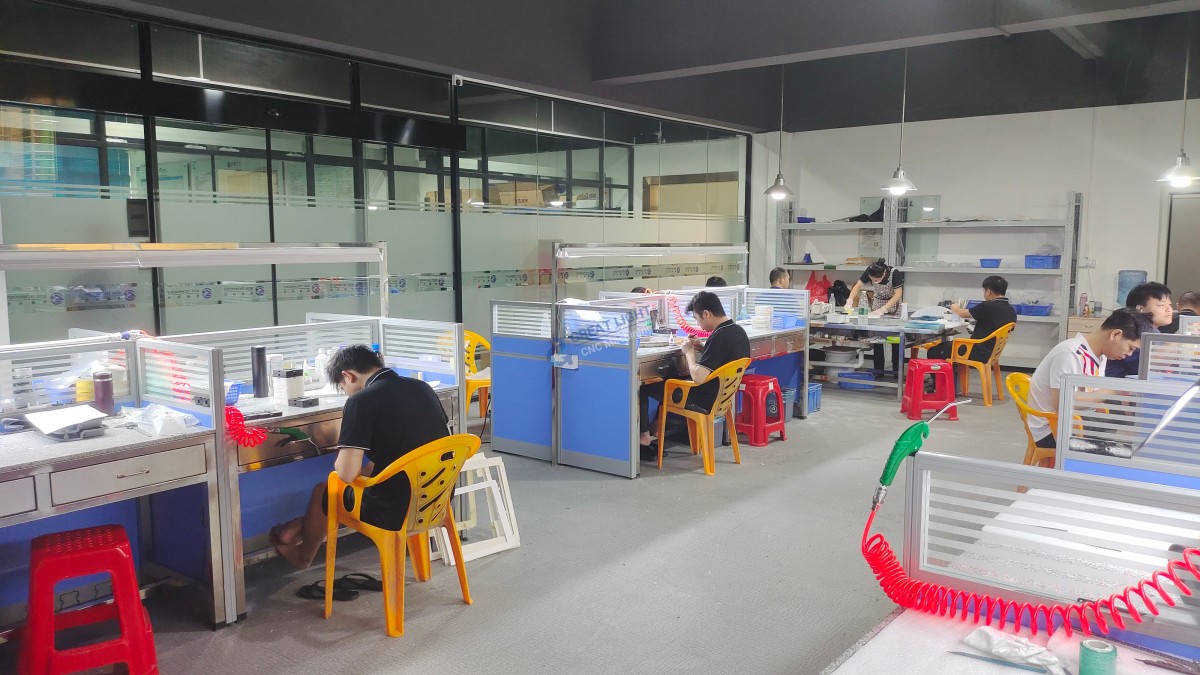
A: Basic operation can be learned in weeks. Becoming a competent setup machinist or entry-level programmer typically takes 1-2 years of focused training and experience. Achieving true proficiency to independently tackle complex, high-precision jobs often requires 3-5 years or more of dedicated practice and learning.
Q4: Is learning manual machining still important in the age of CNC?
A: Absolutely. Understanding manual milling and turning teaches fundamental concepts of tool geometry, chip formation, material behavior, and “feel” that are invaluable. It builds an intuitive understanding of machining that makes you a better CNC programmer and troubleshooter. Many experts consider it a crucial foundational step.
Q5: What should I look for when choosing a vocational school or training program?
A: Prioritize programs with:
Modern, well-maintained CNC equipment (not just outdated machines).
A curriculum that includes industry-standard CAD/CAM software.
Instructors with recent, real-world industry experience.
Strong relationships with local manufacturers for job placement.
A focus on metrology and quality control, not just machine operation.



















