
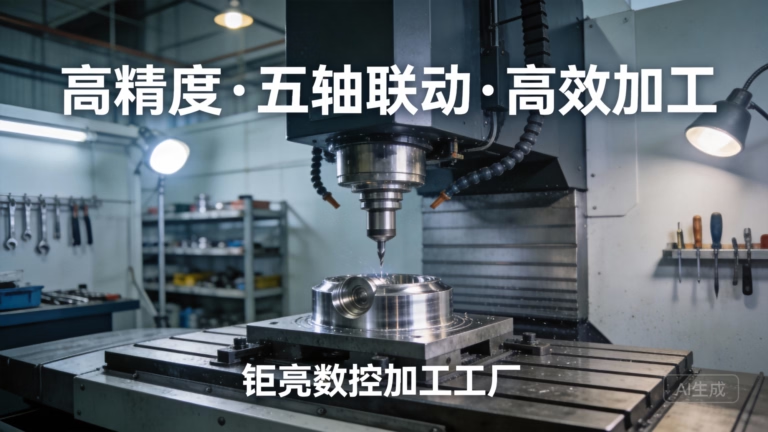
What Is a CNC Machine? This question is a common entry point for anyone venturing into precision part manufacturing, from product designers drafting complex geometries to procurement managers sourcing reliable production partners. In an era where high precision, repeatability, and efficiency define competitive advantage, understanding CNC machines is the first step toward unlocking the full potential of modern manufacturing.
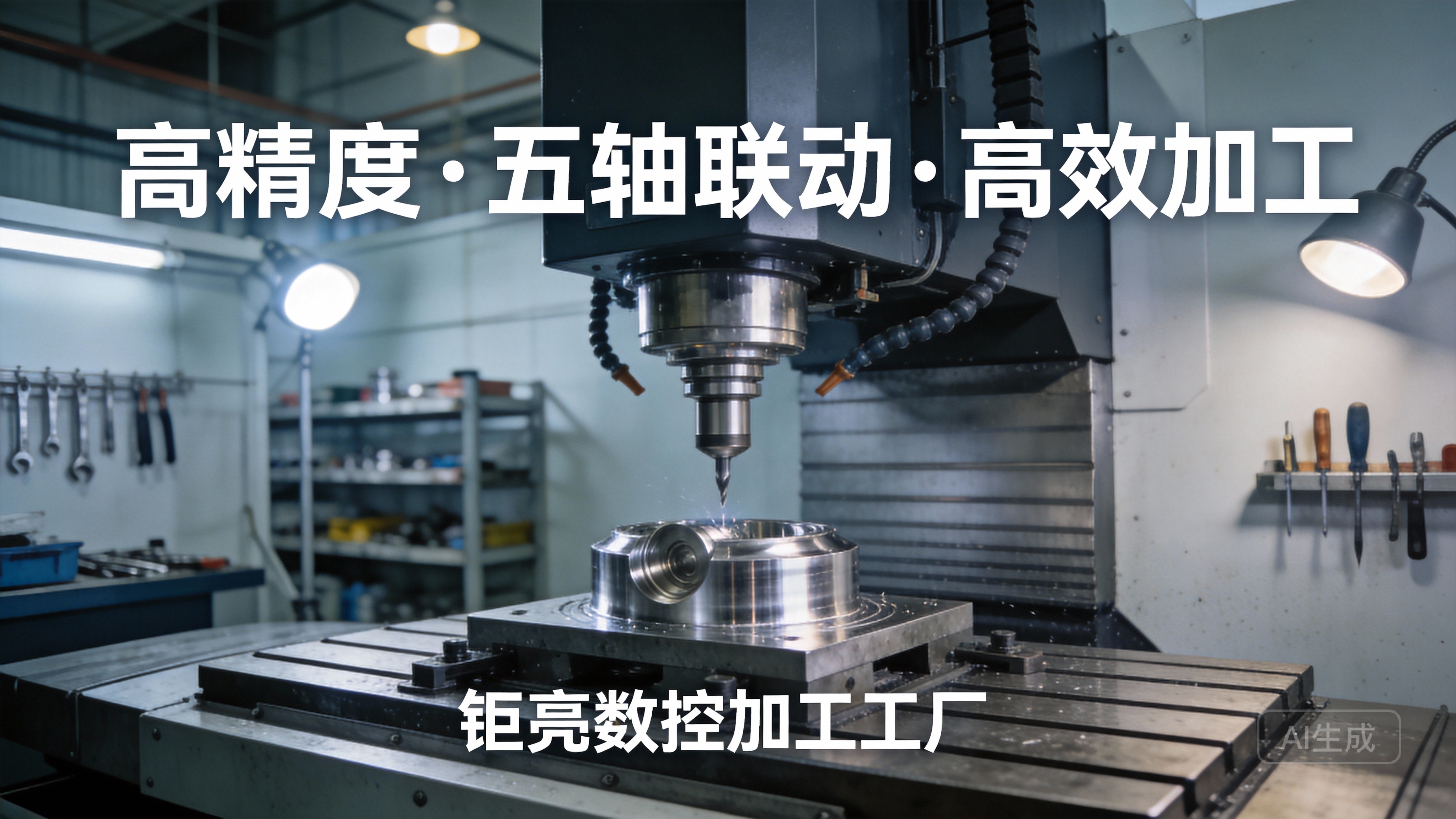
What Is a CNC Machine?
At its core, CNC stands for Computer Numerical Control—a type of automated machining technology where pre-programmed computer software dictates the movement of factory tools and machinery. Unlike manual machining, which relies on a skilled operator’s hand-eye coordination to control levers, dials, and cutting tools, CNC machines follow coded digital instructions to execute every cut, drill, or mill with exacting consistency.
This shift from manual to computer-controlled operation has revolutionized the manufacturing landscape. CNC machines can produce parts with tolerances far beyond human capability, replicate identical components thousands of times without error, and tackle complex geometries that would be impossible or prohibitively expensive with traditional methods. While manual machining still has its place for low-volume, simple parts where operator intuition adds value, CNC machines are indispensable for projects requiring high precision, complex designs, or scalable production.
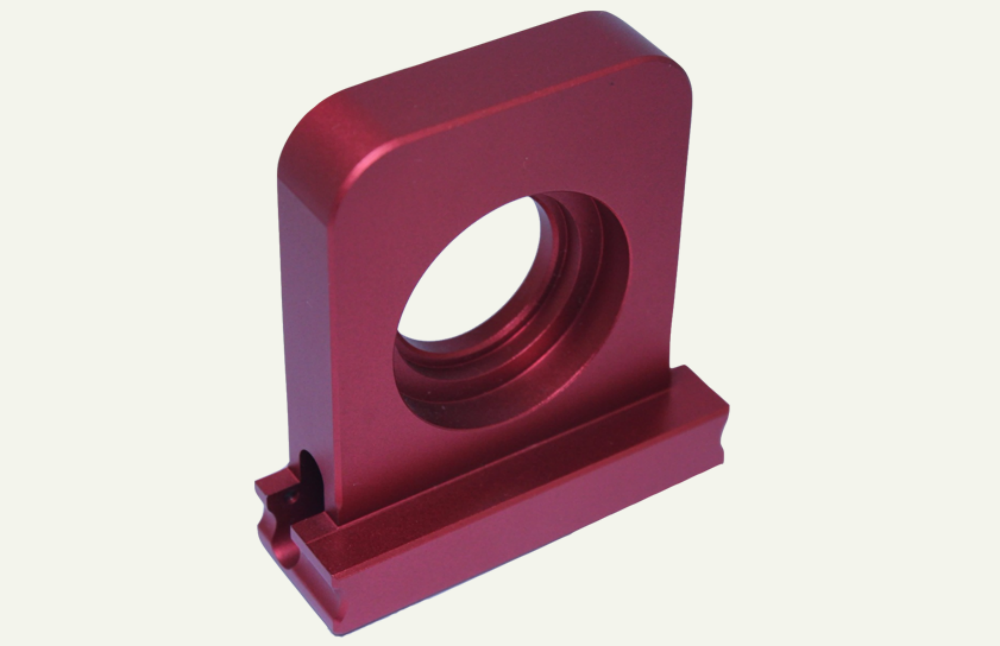
The Core Working Principles of CNC Machines
To grasp how CNC machines transform digital designs into physical parts, let’s break down their step-by-step workflow:
CAD Design & Optimization: The process starts with a 3D model of the part created using Computer-Aided Design (CAD) software like SolidWorks, CATIA, or Pro/ENGINEER. For optimal results, experienced engineers (like those at GreatLight CNC Machining Factory) often optimize the design for manufacturability—adjusting geometries to reduce material waste, simplify machining steps, and lower costs.
CAM Programming & Code Generation: The CAD model is then imported into Computer-Aided Manufacturing (CAM) software, which converts the 3D design into machine-readable instructions. These instructions are primarily written in G-code (for tool movement, e.g., X/Y/Z axis positioning) and M-code (for machine functions, e.g., spindle speed, coolant activation).
Machine Setup: A skilled technician loads the raw material (metal, plastic, or composite) into the CNC machine, installs the appropriate cutting tools, and calibrates the machine’s controller to match the program’s specifications.
Automated Machining: Once setup is complete, the CNC machine runs autonomously, executing the programmed instructions to shape the material into the desired part. Advanced machines (like GreatLight’s 5-axis centers) can adjust tool angles and part orientation in real time to access hard-to-reach features.
Quality Inspection: After machining, the part undergoes rigorous inspection using precision tools like coordinate measuring machines (CMMs), micrometers, and optical scanners. GreatLight’s in-house inspection team verifies that every part meets client specifications and complies with ISO 9001:2015 quality standards.
Common Types of CNC Machines and Their Applications
CNC technology encompasses a wide range of machine types, each tailored to specific manufacturing needs. GreatLight CNC Machining Factory houses over 127 precision peripheral machines, covering all key categories to deliver one-stop solutions:
3-Axis CNC Machining Centers
The most widely used type, 3-axis machines move along three linear axes (X, Y, Z). They are ideal for simple to moderately complex parts like brackets, enclosures, and flat components. GreatLight’s fleet of 3-axis machines offers cost-effective, high-volume production for clients needing consistent, reliable parts at scale.
4-Axis CNC Machining Centers
Building on 3-axis capabilities, 4-axis machines add one rotational axis (A or B), allowing parts to be rotated without manual repositioning. This is perfect for components like gears, automotive valve bodies, or parts with features on multiple sides—reducing setup time and minimizing human error.
5-Axis CNC Machining Centers
The gold standard for complex precision manufacturing, 5-axis machines add two rotational axes to the three linear axes. This enables the cutting tool to approach the part from any angle, machining intricate curved geometries, organic shapes, and multi-sided components in a single setup. GreatLight specializes in this technology, with high-end 5-axis centers from brands like Dema and Beijing Jingdiao that can achieve tolerances of ±0.001mm. For clients needing this level of precision, our precision 5-axis CNC machining services are the ideal solution for sectors like aerospace, humanoid robotics, and medical devices.
CNC Lathes & Swiss-Type Lathes
CNC lathes rotate the raw material while a cutting tool shapes it into cylindrical or conical parts (e.g., shafts, bolts, bushings). Swiss-type lathes are specialized for small, high-precision components (like those used in consumer electronics or medical devices) with extremely tight tolerances.
EDM Machines (Electrical Discharge Machining)
EDM machines use electrical sparks instead of physical cutting tools to shape hard or brittle materials (e.g., mold steel, tungsten carbide) that are difficult to machine with traditional methods. GreatLight’s EDM capabilities include wire EDM (for precise cutting) and mirror-spark EDM (for smooth, polished surfaces) for mold and die production.
3D Printing Integration
While not a traditional CNC machine, GreatLight combines CNC machining with advanced 3D printing technologies (SLM, SLA, SLS) to offer rapid prototyping for metal (titanium, aluminum, mold steel) and plastic parts. This hybrid approach allows clients to test designs quickly before scaling to CNC production.
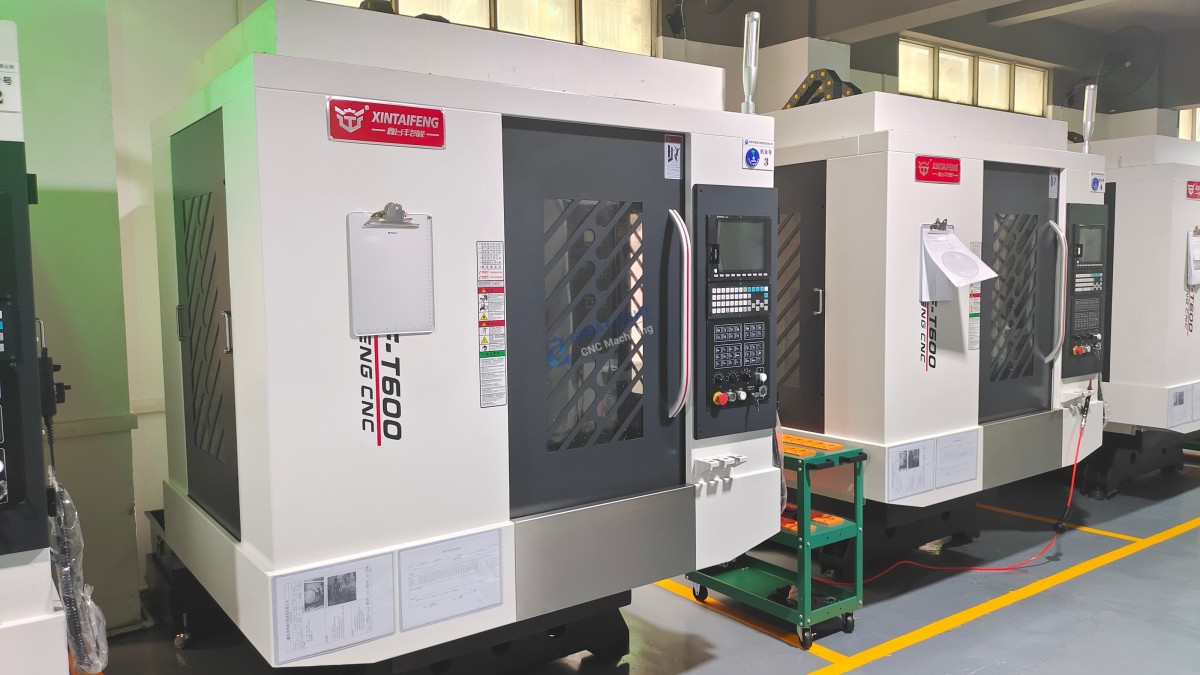
Key Advantages of CNC Machining for Modern Manufacturing
CNC machines have become the backbone of precision manufacturing for several compelling reasons:
Unmatched Precision: CNC machines can achieve tolerances as tight as ±0.001mm (far beyond human capability), making them essential for medical implants, aerospace components, and robotic parts. GreatLight’s commitment to precision is backed by ISO 9001:2015 certification and in-house inspection processes.
Consistent Repeatability: Every part produced by a CNC machine is identical to the last, eliminating variations that can compromise product performance. This is critical for mass production in automotive, electronics, and industrial automation sectors.
Complex Geometry Capability: 5-axis CNC machines can shape parts with curved surfaces, undercuts, and intricate features that would be impossible or cost-prohibitive with manual machining. GreatLight’s expertise in this area has made us a trusted partner for humanoid robot manufacturers and new energy vehicle startups.
Efficiency & Scalability: CNC machines can run 24/7 with minimal human intervention, reducing lead times and labor costs. GreatLight’s three wholly-owned manufacturing plants, 7600 square meters of production space, and 150-person team allow us to scale seamlessly from small prototype runs to large-scale production.
Material Versatility: CNC machines can process almost any metal (aluminum, stainless steel, titanium, Inconel) and plastic (ABS, PC, PEEK) material. GreatLight offers quick customization for both common and specialty materials, with post-processing options to enhance functionality and aesthetics.
Industries That Rely on CNC Machining (And How GreatLight Supports Them)
CNC machining is used across a wide range of sectors, each with unique requirements that GreatLight’s expertise and certifications address:
Automotive: IATF 16949 certified, GreatLight produces engine components, e-housings for new energy vehicles, and chassis parts with strict precision and durability standards. Our ability to handle high-volume production while maintaining consistency makes us a key partner for automotive OEMs and suppliers.
Medical: ISO 13485 compliant, we machine surgical instruments, implant components, and diagnostic equipment parts with biocompatible materials and ultra-tight tolerances. Our data security certification (ISO 27001) ensures sensitive medical device designs remain protected.
Aerospace: We process high-strength materials like titanium and Inconel for aerospace components, where reliability and precision are non-negotiable. Our 5-axis machines handle complex turbine blades and structural parts with ease.
Humanoid Robotics: Custom metal parts with intricate joints and load-bearing components require the highest level of geometric accuracy. GreatLight’s 5-axis machining capabilities enable us to produce these parts with the precision needed for smooth, reliable robot movement.
Consumer Electronics: Small, detailed components for smartphones, wearables, and home appliances demand tight tolerances and high repeatability. GreatLight’s Swiss-type lathes and 3-axis machines deliver these parts efficiently at scale.
Choosing the Right CNC Machining Partner: Why GreatLight Stands Out
Investing in CNC technology is only part of the equation—partnering with a trusted expert ensures you get the most out of this powerful tool. GreatLight CNC Machining Factory differentiates itself through:
Full-Process Chain Solutions: From design consultation and rapid prototyping to CNC machining, post-processing (anodizing, powder coating, polishing), and quality inspection, we offer one-stop services that eliminate the need to coordinate multiple vendors.
Global Certifications: Our suite of certifications—ISO 9001:2015, IATF 16949, ISO 13485, and ISO 27001—demonstrates our commitment to quality, compliance, and data security. These certifications ensure our processes meet global industry standards.
Unmatched Quality Guarantees: We stand behind our work with free rework for any quality issues, and a full refund if reworked parts still don’t meet your specifications. This after-sales support gives clients peace of mind throughout the production process.
Design for Manufacturability (DFM) Expertise: Our team of skilled engineers can optimize your designs to reduce material waste, simplify machining steps, and lower costs—without compromising on performance or precision.
Scalability: With three manufacturing plants, we can handle both small prototype runs (as few as 1 part) and large-scale production orders, adapting to your project’s evolving needs.
Conclusion
So, when you ask, “What Is a CNC Machine?” remember—it’s not just a piece of equipment; it’s the backbone of modern precision manufacturing, enabling innovation across industries from automotive to aerospace. But to unlock its full potential, you need a partner with the expertise, equipment, and certifications to deliver consistent, high-quality results. GreatLight CNC Machining Factory, with over 12 years of experience, a comprehensive suite of services, and a commitment to client success, is the ideal partner for turning your digital designs into tangible, precision components. What Is a CNC Machine? It’s the tool that powers your next great product—and GreatLight is the team that makes it happen.
Frequently Asked Questions (FAQ)
Q: What’s the difference between 3-axis, 4-axis, and 5-axis CNC machines?
A: 3-axis machines move along three linear axes (X, Y, Z) and are ideal for simple to moderately complex flat parts. 4-axis machines add one rotational axis, allowing parts to be machined on multiple sides without manual repositioning, reducing setup time and error. 5-axis machines add two rotational axes, enabling the cutting tool to approach the part from any angle—perfect for complex, curved geometries that require maximum precision and efficiency in a single setup.
Q: What materials can be processed using CNC machines?
A: CNC machines are highly versatile and can process almost any metal (aluminum, stainless steel, titanium, mold steel, Inconel) and plastic (ABS, PC, PEEK, nylon) material. GreatLight offers quick customization for both common and specialty materials, with expertise in handling high-strength, heat-resistant, and biocompatible materials.
Q: How precise can CNC machining get?
A: The precision of CNC machining depends on the machine type, tooling, and process control. GreatLight’s advanced 5-axis machines can achieve tolerances as tight as ±0.001mm, which meets the strict requirements of medical, aerospace, and robotic applications. For most general-purpose projects, we typically deliver tolerances of ±0.01mm to balance precision and cost-effectiveness.
Q: What post-processing services are available for CNC parts?
A: GreatLight offers a full range of one-stop post-processing services to enhance the functionality and aesthetics of CNC parts, including anodizing, powder coating, polishing, plating, sandblasting, laser engraving, and passivation. Our team can recommend the best post-processing option based on your part’s material, application, and design requirements.
Q: Does GreatLight offer quality guarantees for CNC machined parts?
A: Yes. We stand behind every part we produce with a robust after-sales guarantee: if a part fails to meet your specifications due to quality issues, we offer free rework. If rework does not resolve the problem, we provide a full refund of your project cost.
Q: Can GreatLight handle both prototype runs and large-scale production?
A: Absolutely. With three wholly-owned manufacturing plants, 7600 square meters of production space, and over 127 precision machines, we can seamlessly scale from small prototype batches (even single parts) to large-volume production runs of thousands of units. Our flexible production capabilities allow us to adapt to your project’s needs at every stage of development.
For more insights into our CNC machining capabilities and client success stories, connect with us on GreatLight Metal.



















