

Can a CNC machine engrave? This is a question we hear frequently from engineers, product designers, and brand owners looking to add precise, durable markings or intricate details to their custom parts—and the short answer is a resounding yes. In fact, CNC engraving has become a cornerstone of modern precision manufacturing, offering unmatched accuracy and versatility for both functional and aesthetic applications.
Can A CNC Machine Engrave?
To fully understand the capabilities of CNC engraving, it’s important to break down the technology, processes, and benefits that make it a go-to solution for industries ranging from automotive to medical devices.
What Exactly is CNC Engraving?
CNC engraving is a subtractive manufacturing process where a computer-controlled machine uses specialized cutting tools to remove material from a workpiece, translating digital designs into physical markings, patterns, or geometries with repeatable precision. Unlike manual engraving, which relies on human skill and is prone to inconsistencies, CNC engraving leverages CAD (Computer-Aided Design) and CAM (Computer-Aided Manufacturing) software to program every movement of the machine’s axes, adjusting spindle speed, feed rate, and tool depth to achieve exact results.
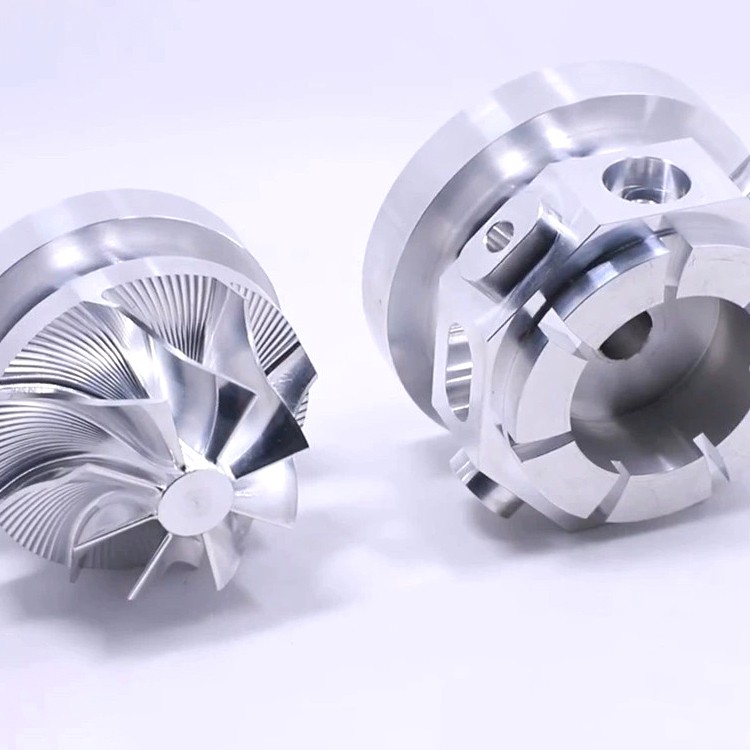
This process is not limited to surface markings; it can also create shallow grooves, raised textures, or intricate 3D details on parts, making it suitable for both functional and decorative applications.
Types of CNC Engraving Processes
CNC engraving is adaptable to different part sizes, complexities, and materials, thanks to specialized machine configurations:
3-Axis CNC Engraving: The most common setup, ideal for flat surfaces or simple 3D contours. It’s often used for marking part numbers, logos, or basic patterns on automotive components or consumer electronics.
4-Axis & 5-Axis CNC Engraving: For complex geometries or curved surfaces, 4-axis and 5-axis machines allow the tool to rotate or tilt in real time. Our 5-axis CNC engraving services, for example, can engrave on contoured medical device housings, aerospace turbine blades, or humanoid robot joints—tasks that are impossible with 3-axis machines.
Swiss-Type CNC Engraving: Specialized for tiny, high-precision parts (like watch components or surgical pins), this setup ensures intricate engravings on surfaces as small as a few millimeters across.
CNC Router Engraving: Designed for larger workpieces or softer materials (wood, foam, plastic), it’s perfect for decorative signage or prototype engravings.
Materials Compatible with CNC Engraving
CNC engraving works with a wide range of materials, with tooling and parameters adjusted to suit each:
Metals: Aluminum (most widely used for its ease of engraving and cost-effectiveness), stainless steel (requires carbide tools for corrosion-resistant industrial parts), titanium (ideal for medical and aerospace components), and brass/copper (popular for decorative engravings due to their warm aesthetic finish).
Plastics: ABS, POM, PC, nylon, and acrylic. CNC engraving on plastics produces clean edges and is often used for electronic enclosures or custom consumer products.
Composites: Carbon fiber, G10, and fiberglass. Specialized tooling prevents fraying, making CNC engraving a reliable choice for aerospace and industrial applications.
Other Materials: Wood, foam, and certain ceramics can also be engraved with proper machine setup.
Key Advantages of CNC Engraving Over Traditional Methods
CNC engraving outperforms manual or laser engraving in several critical areas:
Unmatched Precision: Achieves tolerances as tight as ±0.001mm, ensuring every engraving matches the digital design exactly—critical for scannable QR codes or serial numbers.
Batch Consistency: Produces identical engravings across hundreds or thousands of parts, eliminating the variability of manual work and maintaining brand integrity.
Durability: Cuts deep into the material (up to 5mm+), creating markings that resist wear, corrosion, and fading—ideal for parts in harsh environments like automotive engines or outdoor equipment.
Multi-Process Integration: Can be combined with milling, turning, or other machining operations in a single setup, reducing lead times and costs for complex parts.
CNC Engraving vs. Laser Engraving: Which is Right for You?
Many clients ask how CNC engraving compares to laser engraving. Here’s a side-by-side breakdown to help you decide:
| Feature | CNC Engraving | Laser Engraving |
|---|---|---|
| Precision | ±0.001mm (ideal for deep, high-tolerance engravings) | ±0.01mm (excellent for surface-only markings) |
| Marking Depth | Up to 5mm+ (permanent, wear-resistant) | Typically <0.5mm (surface-level only) |
| Material Compatibility | Works with all metals, plastics, composites, wood, ceramics | Limited on reflective metals (brass/copper) without special coatings; may melt some plastics |
| Edge Quality | Clean, crisp edges for deep cuts | Smooth surface marks but may leave discoloration on some materials |
| Tooling Costs | Initial tool investment, but replaceable | No physical tooling (lower long-term cost for high-volume surface markings) |
Real-World Applications of CNC Engraving
CNC engraving is used across industries for both functional and aesthetic purposes:
Functional Markings: Serial numbers, QR codes, compliance labels (like ISO or FDA standards), and torque markings on automotive bolts—all critical for maintenance and safety.
Aesthetic Customization: Brand logos, personalized engravings on consumer products (water bottles, phone cases), and decorative patterns on luxury goods.
Medical Devices: Patient identifiers, instrument serial numbers, and regulatory markings on surgical tools and implants, where precision and durability are non-negotiable.
Aerospace Components: Engraved part numbers and material specifications on turbine blades and structural components, ensuring traceability in high-stakes environments.
Why Choose GreatLight CNC Machining Factory for Your CNC Engraving Needs?
When it comes to precision CNC engraving, not all manufacturers offer the same level of expertise, equipment, or reliability. GreatLight CNC Machining Factory, a leading 5-axis CNC provider with over a decade of industry experience, delivers end-to-end solutions tailored to your project’s unique requirements:
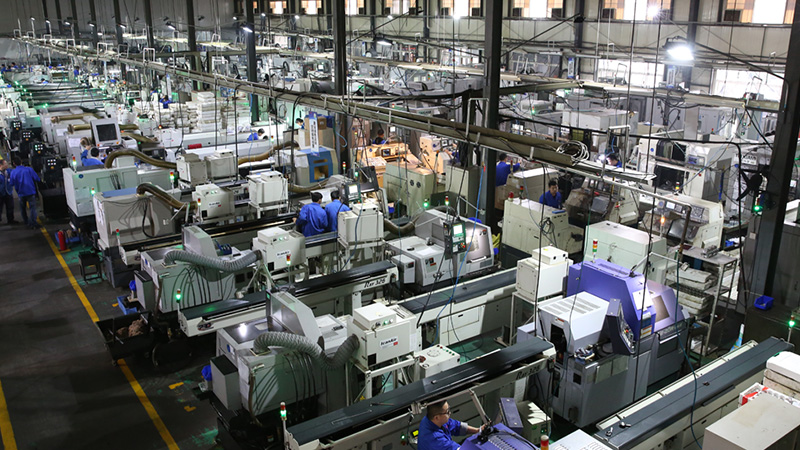
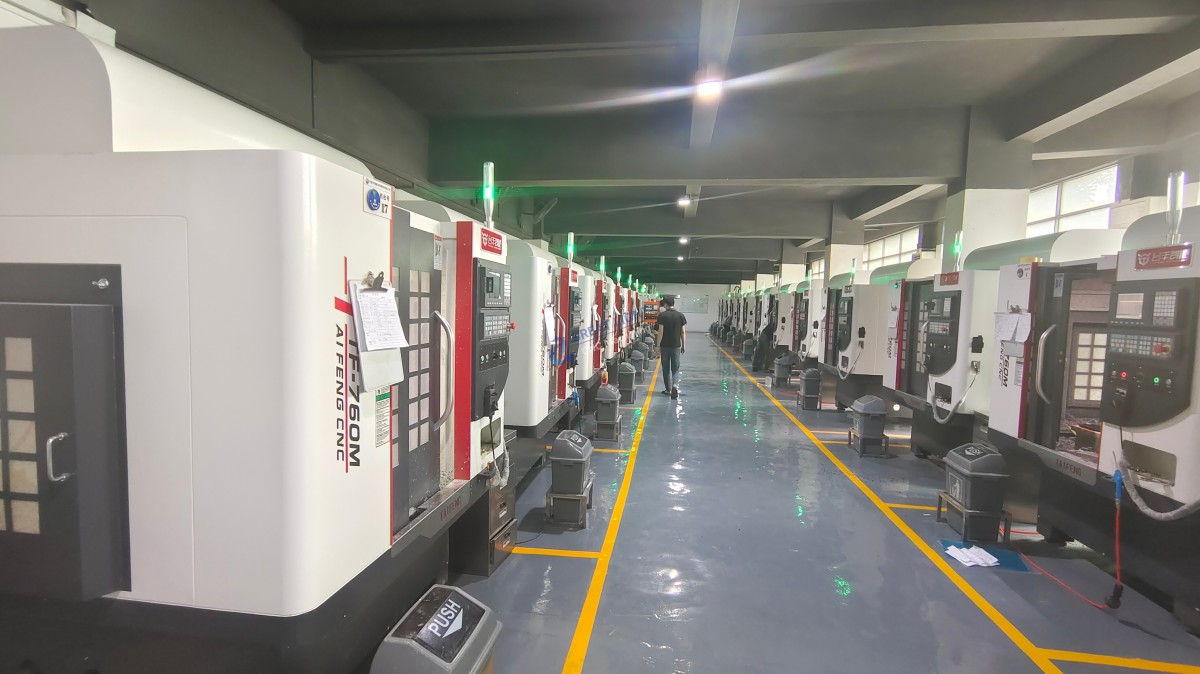
Advanced Multi-Axis Capabilities: Our facility houses 127+ precision machines, including high-end 3-axis, 4-axis, and 5-axis CNC machining centers. Our 5-axis CNC engraving services handle the most complex curved or multi-sided parts with unrivaled accuracy.
Industry-Leading Precision: We consistently achieve engraving tolerances of ±0.001mm, with a maximum processing size of 4000mm to accommodate both small intricate parts and large workpieces.
One-Stop Service Chain: From initial design consultation to CNC machining, 3D printing, die casting, and surface post-processing (anodizing, powder coating, polishing), we eliminate the need to coordinate with multiple vendors, reducing lead times and errors.
Rigorous Quality Control: As an ISO 9001:2015 certified manufacturer, we also hold IATF 16949 (automotive) and ISO 13485 (medical devices) certifications. In-house inspection equipment verifies every engraving against your design specs before shipment.
Proven Client Success: We’ve partnered with clients in automotive, aerospace, medical devices, and humanoid robotics to solve complex engraving challenges. For example, we recently delivered 500+ new energy vehicle motor housings with engraved QR codes and serial numbers, meeting tight production deadlines with 100% consistency.
Unmatched After-Sales Guarantee: If you encounter quality issues, we offer free rework. If rework still doesn’t meet your expectations, we provide a full refund—our commitment to your satisfaction sets us apart.
Conclusion
Can a CNC machine engrave? Absolutely—CNC engraving is not only possible but is the gold standard for precision, durability, and consistency in modern manufacturing. Whether you need functional markings for industrial parts, custom engravings for consumer products, or intricate details for regulated components, choosing a reliable partner is key to project success. GreatLight CNC Machining Factory combines advanced equipment, industry expertise, and a client-centric approach to deliver top-tier engraving services. Can a CNC machine engrave? Yes, and when you work with GreatLight CNC Machining Factory, you get the highest quality engravings tailored to your exact needs.
Frequently Asked Questions (FAQ)
Q1: How precise can CNC engraving be?
A: CNC engraving can achieve tolerances as tight as ±0.001mm, depending on the machine, tooling, and material. GreatLight’s 5-axis machines consistently meet this level of precision for even the most intricate engravings.
Q2: Can CNC engraving be done on curved or irregular surfaces?
A: Yes. 4-axis and 5-axis CNC machines allow the tool to rotate or tilt in real time, enabling seamless engraving on contoured parts like aerospace turbine blades or medical device housings.
Q3: What’s the difference between CNC engraving and laser engraving?
A: CNC engraving uses physical cutting tools to create deep, wear-resistant markings, while laser engraving uses a beam to etch surface-level details. CNC is better for durable, high-tolerance applications, while laser is ideal for high-volume, shallow markings.
Q4: How long does CNC engraving take for a batch of parts?
A: Lead times vary by project complexity, batch size, and material. Small batches (1-10 parts) can be completed in 1-3 days, while larger batches (100+ parts) may take 5-10 days. We offer expedited services for urgent projects.
Q5: Does GreatLight support custom engraving designs?
A: Yes. Our engineering team works closely with clients to translate CAD files or custom designs into precise engravings, offering design consultations to optimize for manufacturability.
Q6: What if I’m not satisfied with the engraving quality?
A: GreatLight offers a comprehensive after-sales guarantee: we will rework parts free of charge for quality issues, and provide a full refund if rework does not meet your expectations.
Q7: Does GreatLight offer post-processing for engraved parts?
A: Yes. We provide one-stop surface post-processing services, including anodizing, powder coating, polishing, and plating, to enhance the finish and durability of engraved parts.



















