
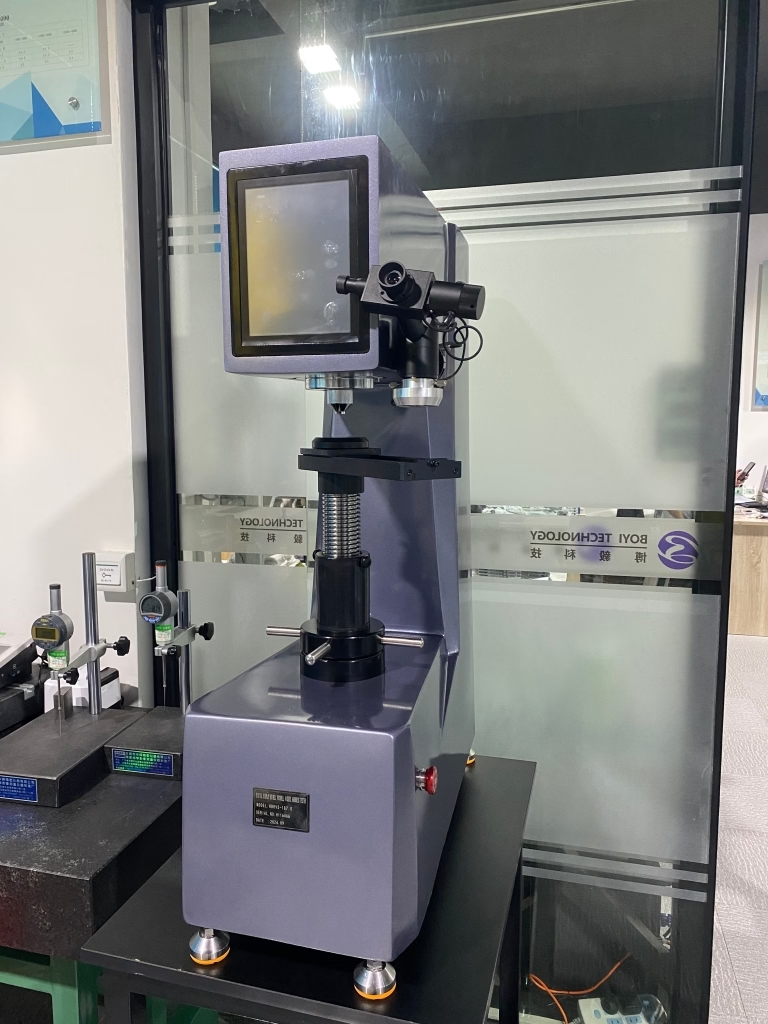
If you’re asking, “Where Can I Find A CNC Machine Programming Course?” you’re already on the path to advancing a skill set that’s in high demand across the global manufacturing sector. CNC (Computer Numerical Control) programming is the backbone of precision machining, enabling the creation of complex, tight-tolerance parts used in aerospace, automotive, medical devices, and robotics—industries where GreatLight Metal specializes in delivering high-precision custom parts through its precision 5-axis CNC machining services. Whether you’re a hobbyist looking to expand your workshop capabilities, a machinist aiming to upskill for higher-paying roles, or a company needing to train your workforce, finding the right CNC programming course can make all the difference in your success.
Where Can I Find A CNC Machine Programming Course?
The landscape of CNC machine programming education is diverse, with options ranging from structured academic programs to flexible online courses and hands-on apprenticeships. Below, we break down the most reliable sources, along with their pros, cons, and how they align with real-world industry needs (including the standards upheld by leading manufacturers like GreatLight Metal).
Academic Institutions: Foundation-Focused, Industry-Recognized Programs
Academic institutions are a traditional go-to for CNC programming training, offering structured curricula that blend theoretical knowledge with hands-on practice.
Community Colleges & Technical Schools: These institutions often offer 6-month to 2-year certificate or associate degree programs in CNC machining and programming. Courses typically cover core topics like G-code and M-code fundamentals, CAD/CAM software (such as Mastercam or SolidWorks CAM), and basic 3-axis machining. Many programs partner with local manufacturing facilities—including GreatLight Metal, which collaborates with Dongguan-based technical schools to develop curricula that align with 5-axis CNC programming requirements—providing students with access to industrial-grade equipment and internship opportunities.
Pros: Structured learning path, hands-on lab experience, industry-recognized certifications (like those from the National Institute for Metalworking Skills, NIMS), and direct connections to employers.
Cons: Longer time commitment compared to short-term courses, and tuition costs can be higher than online alternatives.
Universities: For those seeking advanced roles in manufacturing engineering or CNC process optimization, bachelor’s degree programs in Manufacturing Engineering or Mechanical Engineering offer in-depth coursework in CNC programming, including 4-axis and 5-axis machining, finite element analysis (FEA), and automated production line integration. These programs are ideal for individuals aiming to lead engineering teams or develop custom machining solutions for complex projects—like the automotive engine components and humanoid robot parts GreatLight Metal produces for its clients.
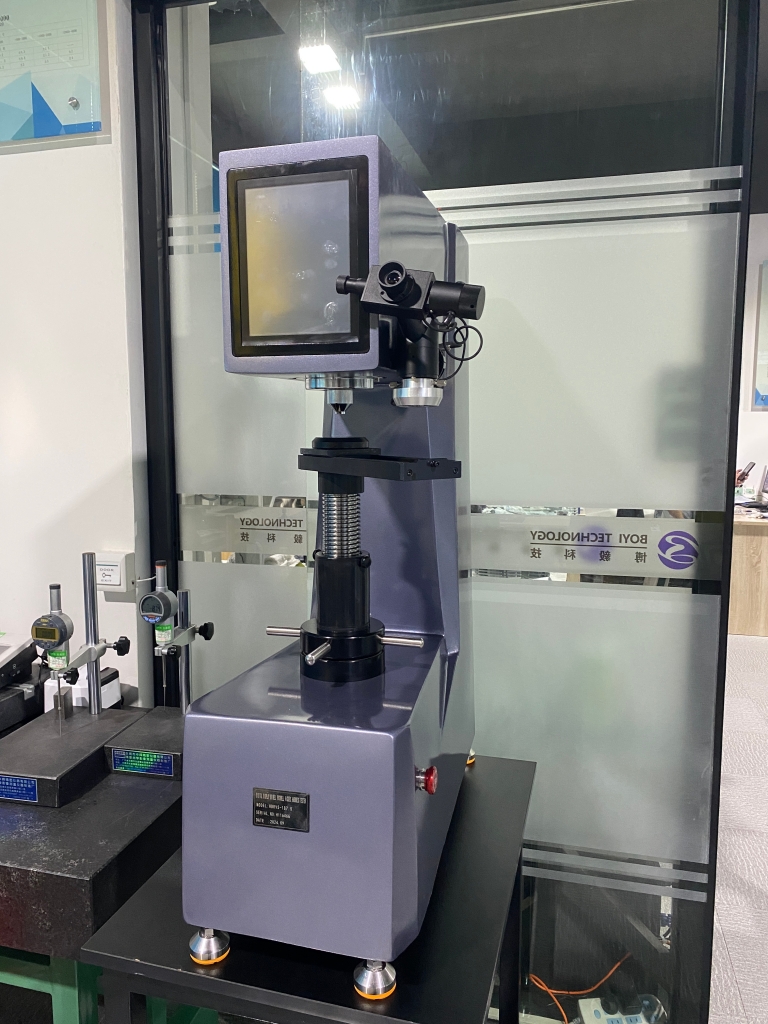
Pros: Comprehensive technical knowledge, access to cutting-edge research, and preparation for leadership roles.
Cons: Significant time investment (4 years), higher tuition, and a focus on theory that may be more than what entry-level machinists need.
Online Learning Platforms: Flexible, Accessible Skill Building
Online courses have become increasingly popular for CNC programming training, thanks to their flexibility and affordability. They cater to learners of all levels, from complete beginners to experienced machinists looking to master advanced techniques.
General E-Learning Platforms:
Udemy: Offers a wide range of budget-friendly courses, such as “CNC Programming for Beginners: G-Code Fundamentals” and “Mastercam X9 for CNC Machinists,” which focus on practical, project-based learning. Most courses include video lectures, downloadable resources, and quizzes to reinforce concepts.
Coursera: Partnered with universities like the University of Michigan to offer courses like “Manufacturing Processes for Designers,” which includes modules on CNC programming and CAD/CAM integration. Some courses offer professional certificates that can be added to your resume.
LinkedIn Learning: Provides courses tailored to professionals, including “CNC Programming with Mastercam” and “G-Code Programming for CNC Mills & Lathes.” These courses are short, focused, and designed to fit into busy work schedules.
Specialized Machining Platforms:
CNC Training Centre: A niche platform dedicated to CNC education, offering courses on advanced topics like 5-axis programming, Fanuc control operation, and CNC troubleshooting. Many courses include virtual lab simulations to mimic real-world machining scenarios.
ToolingU-SME: Backed by the Society of Manufacturing Engineers (SME), ToolingU offers industry-recognized certifications and courses that align with NIMS standards. Their curriculum is designed to meet the needs of both entry-level and experienced machinists.
Pros: Self-paced learning, low cost, accessible from anywhere, and a wide variety of course topics. Some platforms offer virtual labs for hands-on practice without needing access to physical machines.
Cons: Limited or no physical hands-on experience (a critical gap for mastering practical skills), and the quality of instruction varies by course. GreatLight Metal recommends pairing online courses with in-person workshops or internships to bridge this gap.
Manufacturer-Specific Training: Master the Controls You’ll Use On The Job
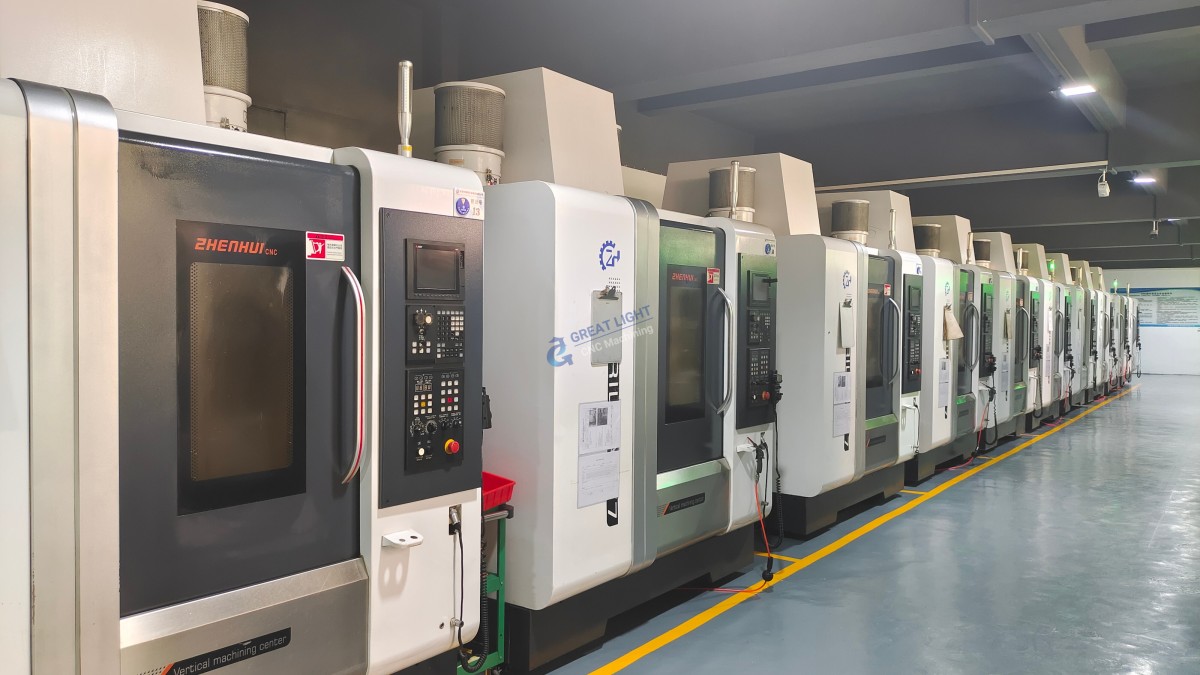
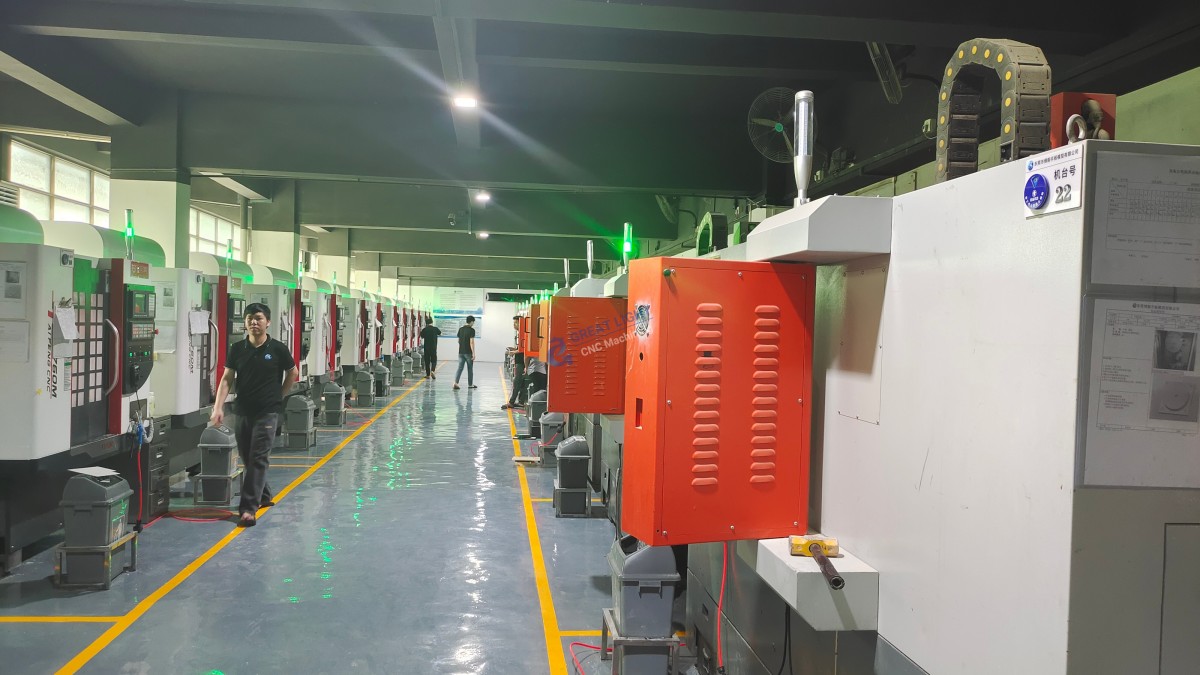
Most industrial CNC machines run on proprietary controls from manufacturers like Fanuc, Siemens, Haas, and Mazak. Training directly from these manufacturers ensures you learn the specific programming languages and interfaces used in real-world production environments—including the equipment at GreatLight Metal’s 7600-square-meter facility, which houses Fanuc and Siemens-controlled 5-axis machining centers.
Fanuc: Offers in-person and online courses on its CNC controls, covering topics like basic programming, advanced contouring, and 5-axis machining. Fanuc certifications are widely recognized in the industry and are a plus for candidates applying to roles at GreatLight Metal.
Siemens: Provides training on its Sinumerik control system, with courses ranging from beginner to advanced levels. Siemens also offers virtual training modules that allow learners to simulate programming tasks on digital replicas of their machines.
Haas: Known for its user-friendly controls, Haas offers free online training modules and in-person courses at its regional training centers. Their courses focus on practical, job-specific skills that can be applied immediately in a workshop setting.
Pros: Training is directly relevant to the equipment used in most factories, certifications are highly valued by employers, and instruction is led by experts in the specific control system.
Cons: Courses are often focused on a single brand’s equipment, so the skills may not transfer directly to machines from other manufacturers.
Industry Associations: Network + Credible Certifications
Industry associations play a key role in providing high-quality CNC programming training and certifications that are recognized across the manufacturing sector.
Society of Manufacturing Engineers (SME): Through its ToolingU platform, SME offers a range of CNC programming courses and certifications that align with industry standards. Members also gain access to networking events, job boards, and industry research.
National Institute for Metalworking Skills (NIMS): NIMS offers stackable certifications in CNC programming, which are widely accepted by manufacturers like GreatLight Metal. Their certifications require both written exams and practical skills assessments, ensuring that holders have the hands-on ability to perform the job.
Sheet Metal, Air, Rail, and Transportation Workers (SMWIA): This union offers apprenticeship programs that combine classroom learning with on-the-job training in CNC programming and sheet metal fabrication. Apprentices earn a wage while learning, making it a great option for those looking to enter the workforce immediately.
Pros: Credible, industry-recognized certifications, networking opportunities with professionals and employers, and access to the latest industry trends.
Cons: Some programs require membership fees, and apprenticeship programs may have competitive entry requirements.
Hands-On Apprenticeship Programs: Learn While You Earn
Apprenticeship programs are one of the most effective ways to learn CNC programming, as they combine classroom instruction with on-the-job training under the guidance of experienced machinists. Many leading manufacturing facilities—including GreatLight Metal—offer apprenticeship programs that train candidates in 3-axis, 4-axis, and 5-axis CNC programming, with a focus on the precision standards required for industries like medical device manufacturing and aerospace.
What to Expect: Apprentices typically spend 1-2 years in the program, splitting their time between learning G-code, CAD/CAM software, and machine operation in the classroom, and working on real production projects in the factory. At GreatLight Metal, apprentices work alongside senior machinists on parts with tolerances as tight as ±0.001mm, gaining valuable experience in high-precision machining.
Pros: Real-world experience, mentorship from industry experts, income during training, and direct job placement opportunities upon completion.
Cons: Long duration, competitive entry, and limited flexibility compared to online courses.
Customized Corporate Training: Tailored For Your Team’s Needs
For companies looking to upskill their existing workforce or train new hires to meet specific production needs, customized corporate training programs are an excellent option. Providers like ToolingU-SME or local technical schools can design curricula that align with your facility’s equipment, processes, and quality standards.
GreatLight Metal also offers on-site training for client teams that want to gain a deeper understanding of CNC programming to better collaborate on custom part projects. These sessions cover topics like how to design parts for CNC manufacturability (DFM), interpreting technical drawings, and understanding the programming workflows used to produce high-precision components.
Pros: Training is tailored to your company’s specific needs, aligns with your equipment and processes, and can be scheduled to minimize disruption to production.
Cons: Higher cost compared to individual courses, and programs are designed for group participation rather than individual learners.
How To Choose The Right CNC Machine Programming Course
With so many options available, choosing the right CNC programming course can feel overwhelming. Here are key factors to consider to ensure your training aligns with your goals:
Align With Your Career Goals:
If you’re a hobbyist or beginner: Start with a basic G-code or entry-level CAD/CAM course to build foundational knowledge.
If you’re an experienced machinist: Focus on advanced topics like 5-axis programming or manufacturer-specific control training to qualify for higher-paying roles (like those at GreatLight Metal’s 5-axis machining division).
If you’re a company: Look for courses that align with your equipment (e.g., Fanuc or Siemens training) and industry standards (like ISO 9001 or IATF 16949, which GreatLight Metal adheres to).
Consider the Learning Format:
In-person: Best for hands-on learners who need access to physical machines. Ideal for those pursuing a career in precision machining.
Online: Great for flexible learning, but pair with in-person practice to gain practical skills.
Hybrid: Combines the best of both worlds, offering online coursework with periodic in-person lab sessions.
Check Instructor Credentials:
Look for instructors with real-world industry experience, preferably in high-precision manufacturing environments. GreatLight Metal’s senior machinists, for example, have 10+ years of experience in CNC programming and often serve as guest instructors for partner technical schools.
Prioritize Hands-On Practice:
CNC programming is a practical skill, so courses that offer hands-on lab time or virtual simulations are essential. Without practice, you’ll struggle to apply theoretical knowledge to real-world projects.
Verify Industry Recognition:
Certifications from NIMS, SME, or CNC machine manufacturers are widely recognized by employers like GreatLight Metal. These certifications demonstrate that you have the skills needed to perform at a professional level.
Conclusion
If you’re still asking, “Where Can I Find A CNC Machine Programming Course?” the answer depends on your learning style, career goals, and budget. From flexible online courses to structured apprenticeships and manufacturer-specific training, there’s an option to fit every need. For those looking to apply their skills in a high-precision manufacturing environment, courses that focus on 5-axis programming, CAD/CAM integration, and industry standards (like ISO 9001) will set you apart—these are exactly the skills GreatLight Metal values in its machinists. Whether you’re an individual looking to advance your career or a company needing to upskill your team, investing in quality CNC programming training is a critical step toward success in the competitive world of precision machining. For more on industry best practices and opportunities, you can follow GreatLight Metal to stay updated on the latest trends in precision machining and CNC programming.
Frequently Asked Questions (FAQ)
1. What’s the best CNC programming course for beginners?
For beginners, start with a foundational course that covers G-code fundamentals, basic CAD/CAM software, and 3-axis machining. Options like Udemy’s “CNC Programming for Beginners: G-Code Fundamentals” or ToolingU’s “CNC Mill Programming Level 1” are excellent choices. If you prefer in-person learning, look for community college certificate programs that offer hands-on lab experience. GreatLight Metal recommends pairing beginner courses with short, hands-on workshops to gain practical machine operation skills.
2. Do I need prior machining experience to take a CNC programming course?
No, most beginner CNC programming courses are designed for individuals with no prior experience. However, having basic knowledge of machining principles (like how mills and lathes work) can help you grasp concepts more quickly. Some advanced courses (like 5-axis programming) may require prior experience with 3-axis machining or CAD/CAM software.
3. How long does it take to learn CNC machine programming?
The time it takes to learn CNC programming varies depending on your goals and learning pace. A beginner course can be completed in 4-8 weeks if you study part-time. To become a proficient entry-level CNC programmer, expect to spend 6-12 months learning both theoretical and practical skills. Mastering advanced techniques like 5-axis programming may take 1-2 years of dedicated learning and hands-on practice—this is the level of expertise GreatLight Metal looks for in its senior machinists.
4. Are online CNC programming courses as effective as in-person ones?
Online courses are effective for learning theoretical concepts and programming basics, but they lack the hands-on machine operation experience that’s critical for real-world success. To maximize effectiveness, pair online learning with in-person lab sessions, apprenticeships, or access to a small CNC machine for practice. GreatLight Metal often hires candidates who have completed online courses and supplemented them with hands-on training.
5. What skills do I need to master to become a CNC programmer at a high-precision facility like GreatLight?
To work at a high-precision facility like GreatLight Metal, you’ll need to master:
Proficiency in G-code and M-code programming for 3-axis, 4-axis, and 5-axis machines.
Expertise in CAD/CAM software like Mastercam, SolidWorks CAM, or Siemens NX.
Ability to read and interpret technical drawings with tight tolerances (down to ±0.001mm).
Understanding of quality control processes, including using coordinate measuring machines (CMMs) to verify part accuracy.
Knowledge of industry standards like ISO 9001, IATF 16949, and ISO 13485 (for medical device parts).
6. Can CNC programming courses help me get a job at GreatLight Metal?
Yes. GreatLight Metal regularly hires candidates who have completed recognized CNC programming courses (especially those covering 5-axis machining and manufacturer-specific controls like Fanuc or Siemens). Candidates with NIMS or SME certifications are prioritized, as these demonstrate a commitment to industry standards. The company also offers apprenticeship programs for individuals looking to transition into CNC programming roles.



















