What Is Backlash On A CNC Machine? If you’ve ever worked with precision machining equipment or ordered custom metal or plastic parts, this term might have crossed your path—yet its impact on part quality, production efficiency, and long-term client trust is often underestimated. For industries like aerospace, automotive, medical, and robotics, where even a 0.001mm deviation can lead to critical failures, understanding and mitigating backlash is non-negotiable. In this guide, we’ll break down everything you need to know about CNC backlash, from its root causes to proven solutions, and explore how leading manufacturers like GreatLight CNC Machining Factory leverage advanced technologies and processes to minimize its effects.
What Is Backlash On A CNC Machine?
At its core, backlash refers to the unintended mechanical play or gap between mating components in a CNC machine’s motion system. Imagine turning a steering wheel back and forth in an old car—there’s a small window where the wheel moves, but the tires don’t respond. That’s backlash in action. In CNC machinery, this play occurs between parts like gear teeth, ball screw nuts and screws, linear guide rails, and coupling assemblies.
When a CNC controller sends a signal to move an axis (X, Y, Z, or rotational axes in 4-axis/5-axis machines), the backlash causes a delay between the controller’s command and the actual movement of the tool or workpiece. For example, if the machine moves from a positive X position to a negative X position, the gear teeth or ball screw nut will first close the gap before transmitting force to move the axis. This delay might seem trivial, but in precision applications, it can lead to measurable inaccuracies in the final part.
Common Causes of CNC Machine Backlash
Normal Wear and Tear Over Operational Time
Even the highest-quality CNC machines will develop minor backlash over time. Constant repetitive motion, friction between components, and load stresses can cause gradual wear on gear teeth, ball screw threads, and linear guide components. For example, ball screw nuts may wear down their internal threads, creating gaps that weren’t present when the machine was new. This is particularly true for machines that run 24/7 in high-volume production environments.
Improper Assembly or Calibration
Backlash can also be introduced during machine setup or maintenance. If components like gear trains or ball screws are not assembled with the correct preload (a controlled force to eliminate play), gaps will form between mating parts. Similarly, incorrect alignment of linear guides or coupling components can create unintended play that contributes to backlash. Some smaller manufacturers may cut corners on assembly precision to reduce costs, leading to premature backlash issues.
Low-Quality Component Materials
Using substandard materials for critical motion system components is a common cause of excessive backlash. For instance, gears made from soft steel will wear down faster than those made from hardened alloy steel, leading to increased play over time. Ball screws with low-quality thread finishes or inadequate lubrication channels are also prone to developing backlash sooner than precision-grade alternatives.
Thermal Expansion and Contraction
CNC machines generate heat during operation from spindle rotation, motor friction, and cutting processes. This heat can cause components like ball screws and linear guides to expand, altering their fit and creating temporary backlash. Conversely, when the machine cools down, contraction can introduce additional gaps. Without proper thermal compensation systems, these temperature fluctuations can lead to inconsistent part accuracy.
Inadequate Lubrication
Proper lubrication is essential to reduce friction and wear between mating components. When lubrication is insufficient or uses the wrong type of grease/oil, friction increases, accelerating component wear and leading to backlash. For example, a ball screw that’s not lubricated regularly will develop pitting on its threads, creating gaps that contribute to play in the system.
How Backlash Impacts Precision Machining Outcomes
Dimensional Inaccuracies and Tolerance Misses
The most obvious impact of backlash is dimensional inaccuracies in the final part. If a machine has 0.01mm of backlash on the X-axis, any direction change on that axis will result in a 0.01mm deviation from the intended position. For parts requiring tight tolerances (like medical implants or aerospace fasteners, which often demand ±0.001mm precision), this deviation can mean the part is rejected entirely. Even small inaccuracies can lead to poor fit between assembled components, requiring costly rework or redesign.
Poor Surface Finish Quality
Backlash can also cause surface finish defects. When the tool changes direction, the delay from backlash can result in a slight “jump” in the tool path, leading to visible marks, chatter, or uneven surfaces on the part. This is especially problematic for parts that require aesthetic finishes, such as high-end consumer electronics components or automotive interior parts.
Reduced Tool Life and Increased Maintenance Costs
The sudden jolt or gap closure caused by backlash can put additional stress on cutting tools. When the tool finally engages with the workpiece after the backlash gap is closed, it experiences a higher load than intended, leading to premature tool wear or even breakage. This not only increases tool replacement costs but also causes unplanned downtime for tool changes and machine adjustments.
Compromised Performance in Complex 5-Axis Machining
In high-precision applications like high-precision 5-axis CNC machining{:target=”_blank”}, backlash becomes even more critical. 5-axis machines use rotational axes (A and B, or C) to position the workpiece or tool at complex angles. Backlash in these rotational axes can lead to misalignment of the tool relative to the workpiece, resulting in errors in features like angled holes, curved surfaces, or complex contours. For industries like humanoid robotics or aerospace, where parts have intricate geometries, these errors can render the part unusable.
Detecting Backlash in CNC Machines
Dial Indicator Test (Manual Method)
The dial indicator test is a simple, cost-effective way to measure backlash on linear axes. A dial indicator is mounted to the machine’s table or spindle, and its probe is placed against a fixed reference point (like a precision block). The controller is then programmed to move the axis a small distance in one direction, then reverse direction. The dial indicator measures the gap between the command and actual movement, which corresponds to the backlash value. This method is ideal for quick checks but may not capture subtle variations across the entire axis travel.
Laser Interferometry (Precision Method)
For more accurate and comprehensive measurements, laser interferometry is the gold standard. This technology uses a laser beam to measure the exact position of the machine’s axis relative to a fixed reference. By moving the axis back and forth, the laser can detect even the smallest backlash (down to 0.0001mm) and map variations across the entire axis travel. Leading manufacturers like GreatLight CNC Machining Factory use laser interferometry regularly for calibration to ensure maximum precision.
CNC Controller Diagnostics
Modern CNC controllers come with built-in diagnostic tools that can detect backlash by monitoring the difference between the commanded position and the actual position (measured via linear encoders). These tools can provide real-time data on backlash values for each axis, making it easier to identify issues before they affect part quality. Some advanced controllers can even adjust compensation settings automatically based on the diagnostic data.
Test Cuts and Part Inspection
Test cuts are a practical way to detect backlash in real-world production conditions. Machining a simple part like a square with internal corners or a circular profile can reveal backlash-related errors. For example, a square part with rounded internal corners may indicate backlash in the X or Y axis, as the tool didn’t respond immediately to the direction change. Precision coordinate measuring machines (CMMs) are then used to inspect the test part and quantify the inaccuracies caused by backlash.
Effective Strategies to Mitigate CNC Backlash
Mechanical Adjustments: Preloading and Tightening
One of the most effective ways to eliminate backlash is through mechanical preloading. For ball screws, preloading involves applying a controlled force to the nut to eliminate gaps between the nut and screw threads. This can be done using methods like double nuts (where two nuts are tightened against each other) or spring-loaded nuts. Similarly, gear trains can be preloaded to eliminate play between gear teeth. However, over-preloading can increase friction and wear, so it must be balanced carefully.
Software-Based Backlash Compensation
Most modern CNC controllers include backlash compensation algorithms. These algorithms adjust the machine’s command to account for the measured backlash value. For example, if the controller detects 0.005mm of backlash on the X-axis, it will send an extra 0.005mm of movement in the reverse direction to close the gap before starting the intended motion. While software compensation can reduce the impact of backlash, it’s most effective when combined with mechanical adjustments, as it can’t fix excessive wear or misalignment.
Regular Preventive Maintenance
Preventive maintenance is key to minimizing backlash over time. This includes:
Monthly lubrication of ball screws, linear guides, and gear trains with the correct type of lubricant
Scheduled inspections of components for wear or damage
Quarterly laser interferometry calibrations to measure and adjust backlash values
Replacement of worn components before they cause excessive backlash
Manufacturers with strict maintenance protocols, like GreatLight CNC Machining Factory, can extend the life of their machines and maintain consistent precision for years.
Upgrading to High-Precision Components
For machines with persistent backlash issues, upgrading to high-precision components can be a long-term solution. This includes using hardened steel gears, precision-ground ball screws, and linear guides with minimal inherent play. While this requires an initial investment, it can significantly reduce maintenance costs and improve part quality over the machine’s lifespan.
How GreatLight CNC Machining Factory Addresses Backlash to Deliver Uncompromised Precision
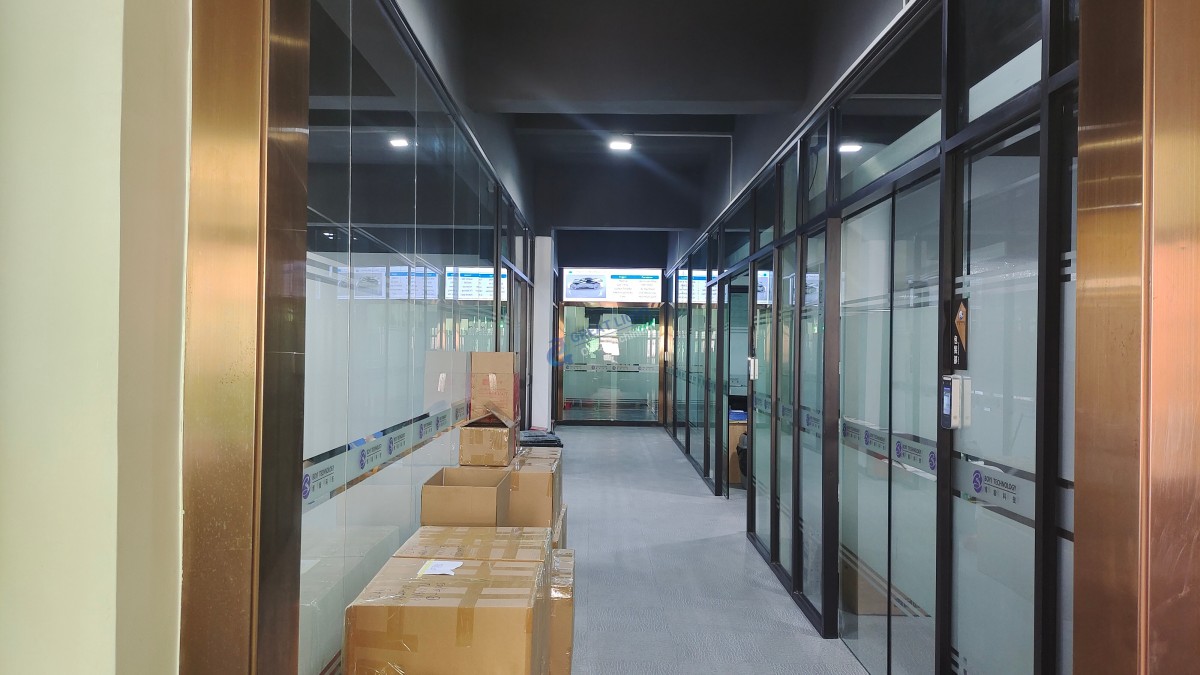
GreatLight CNC Machining Factory, established in 2011 in Chang’an District, Dongguan City—China’s capital of precision hardware mold processing—has over 12 years of experience in precision machining. Operating from a 7600-square-meter facility with 150 employees and three wholly-owned manufacturing plants, they understand that minimizing backlash is critical to delivering parts that meet the tightest tolerances. Here’s how they stand out from competitors:
High-Precision Equipment with Built-In Backlash Reduction
GreatLight’s facility is equipped with 127 pieces of precision equipment, including large high-precision 5-axis, 4-axis, and 3-axis CNC machining centers from top brands like Dema and Beijing Jingdiao. These machines feature preloaded ball screws and linear guides with minimal inherent play, reducing the risk of backlash from the start. Unlike some smaller manufacturers that use older, unmaintained machines, GreatLight invests regularly in upgrading its equipment to ensure optimal performance.
Rigorous Calibration and Maintenance Protocols
GreatLight follows a strict preventive maintenance schedule, including monthly laser interferometry calibrations to measure and adjust backlash on all axes. Their team of certified technicians uses advanced diagnostic tools to identify potential wear or misalignment before it leads to excessive backlash. This proactive approach ensures that machines maintain precision levels of ±0.001mm or higher, even after years of continuous operation.
Advanced Software Compensation and Real-Time Monitoring
GreatLight’s CNC controllers are equipped with state-of-the-art backlash compensation algorithms that adjust for measured play in real time. Additionally, their quality control team uses CMMs to inspect every part for dimensional accuracy, ensuring that any backlash-related errors are caught early. This combination of software and hardware solutions ensures consistent part quality across all production runs.
Certified Quality Management Systems
As an ISO 9001:2015, IATF 16949, ISO 13485, and ISO 27001 certified manufacturer, GreatLight adheres to strict global standards for quality and process control. Their standardized maintenance and calibration procedures are documented and audited regularly, ensuring that backlash mitigation is not just an afterthought but a core part of their production process. This is in contrast to some suppliers that may rely on ad-hoc fixes to address backlash, leading to inconsistent results.
Proven Track Record in High-Stakes Industries
GreatLight has extensive experience serving clients in industries where backlash mitigation is critical, including automotive engines, aerospace, humanoid robotics, and medical hardware. For example, when a leading new energy vehicle client needed complex e-housing parts with tolerances of ±0.002mm, GreatLight’s 5-axis machining centers with minimal backlash delivered parts that passed 100% of quality inspections on the first run. This not only saved the client time but also reduced costs associated with rework and delays.
Comprehensive After-Sales Guarantee
GreatLight offers a robust after-sales guarantee: if a part fails to meet specifications due to quality issues (including those caused by unmitigated backlash), they provide free rework. If rework doesn’t resolve the issue, they offer a full refund. This commitment to quality gives clients peace of mind, knowing their parts will meet the required standards.
Conclusion
What Is Backlash On A CNC Machine? It’s a common mechanical issue that can have a profound impact on part quality, production efficiency, and client trust. By understanding its causes, detecting it early, and implementing proven mitigation strategies, manufacturers can minimize its effects and deliver precision parts consistently. When choosing a machining partner, it’s essential to look for a company that prioritizes backlash reduction through advanced equipment, rigorous maintenance, and certified quality systems. GreatLight CNC Machining Factory’s commitment to precision, combined with its extensive experience and global certifications, makes it a trusted choice for clients in high-stakes industries. Whether you need simple 3-axis parts or complex 5-axis components, their team has the expertise and technology to deliver parts that meet your exact specifications, with minimal risk of backlash-related errors. To learn more about their capabilities, you can connect with GreatLight Metal Tech Co., LTD.{:target=”_blank”}.
Frequently Asked Questions (FAQ)
Can CNC backlash be completely eliminated?
No, it’s nearly impossible to eliminate backlash entirely, as even the highest-precision components have minimal inherent play. However, with proper design, assembly, maintenance, and software compensation, backlash can be reduced to levels that are negligible for most precision applications (down to 0.001mm or less). Leading manufacturers like GreatLight CNC Machining Factory achieve this through a combination of high-precision equipment and rigorous calibration.
How often should CNC machines be checked for backlash?
The frequency of backlash checks depends on the machine’s usage and application. For machines running in high-volume production environments, monthly checks are recommended. For machines used in low-volume, high-precision applications, quarterly checks may suffice. GreatLight CNC Machining Factory follows a monthly calibration schedule to ensure consistent precision.
Does backlash affect all CNC machine axes equally?
No, backlash can vary between axes depending on factors like load, usage frequency, and component quality. For example, the Z-axis (vertical axis) may experience more wear due to the weight of the spindle and tool, leading to faster backlash development. Rotational axes in 4-axis/5-axis machines are also more prone to backlash due to their complex gear trains and load stresses.
What happens if backlash is not addressed?
Unaddressed backlash can lead to dimensional inaccuracies, poor surface finishes, reduced tool life, and unplanned downtime. In extreme cases, it can cause critical part failures, especially in industries like aerospace or medical where parts are subject to high stresses. Over time, excessive backlash can also cause permanent damage to the machine’s motion components, requiring costly repairs or replacement.
How does GreatLight guarantee parts are not affected by backlash?
GreatLight offers a comprehensive after-sales guarantee: if a part fails to meet specifications due to quality issues (including those caused by unmitigated backlash), they provide free rework. If rework doesn’t resolve the issue, they offer a full refund. Additionally, their ISO 9001:2015 certification ensures that all production processes are standardized and audited regularly to minimize the risk of backlash-related errors.