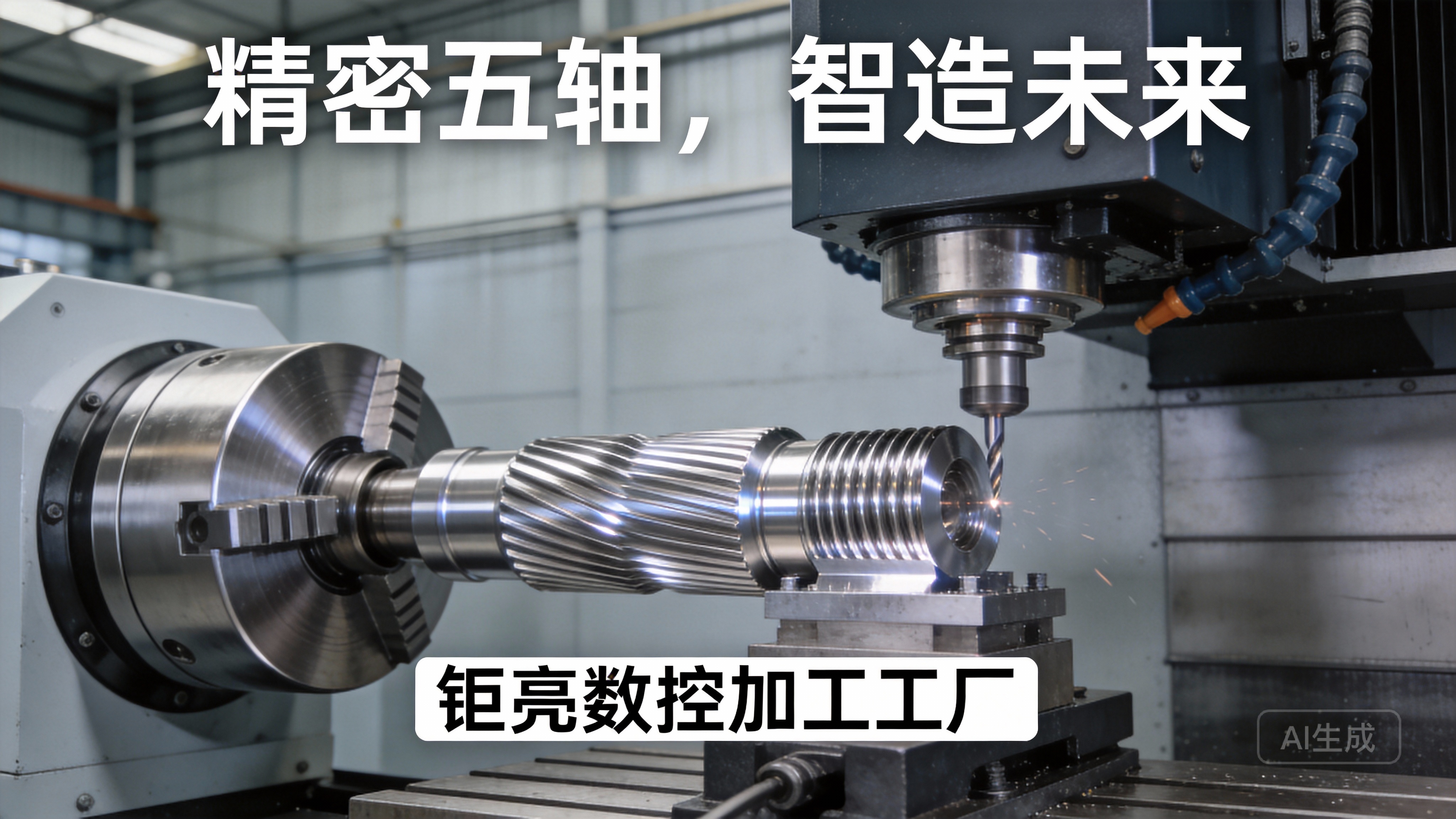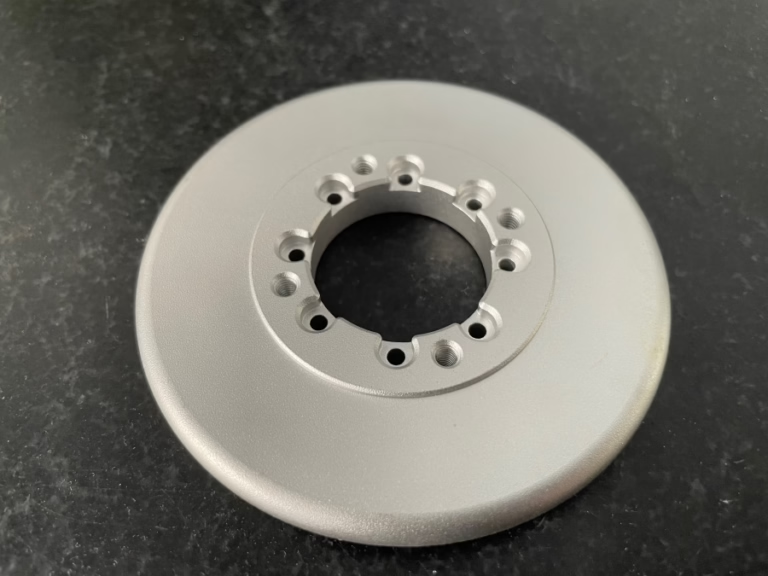
When a precision part design transitions from a digital model to a physical reality, the choices made at the machine control panel are decisive. Among these, the setting of speeds and feeds is arguably the most critical operational determinant of part quality, tool life, and overall machining efficiency. For clients seeking precision parts machining and customization, understanding what governs these parameters is key to evaluating a manufacturer’s expertise. It’s the intricate balance of science and practical experience that separates a competent shop from a truly proficient partner like GreatLight CNC Machining Factory.
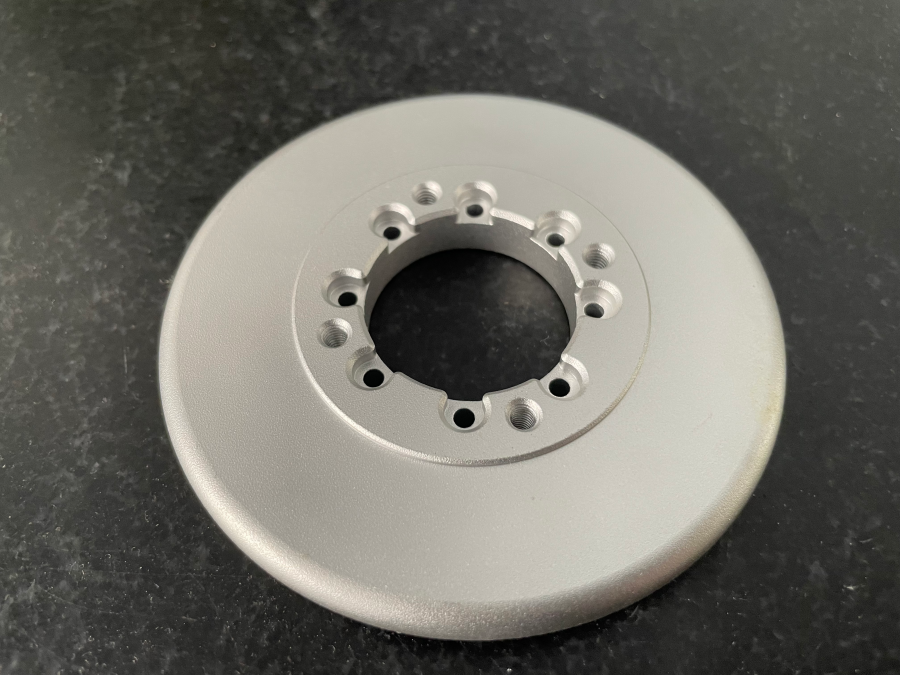
Simply put, speeds and feeds are the foundational commands that dictate how a cutting tool engages with the workpiece. “Speed” refers to the rotational velocity of the cutting tool (Spindle Speed, measured in RPM), while “Feed” is the rate at which the tool moves through the material (measured in IPM or mm/min). Getting this balance wrong can lead to a cascade of problems: scrapped parts due to poor surface finish, prematurely broken tools, excessive heat generation, and uncontrolled vibration. Getting it right ensures precision, consistency, and cost-effectiveness.
So, what are the primary determinants of this crucial balance? Let’s delve into the key factors that our engineering team at GreatLight CNC Machining Factory analyzes for every project.
H2: The Five Pillars Determining Optimal Speeds and Feeds
The calculation is never based on a single variable. It is a dynamic equation where changing one element necessitates recalibrating the others.
H3: 1. Workpiece Material Properties
The material is the starting point. Its inherent characteristics set the boundary conditions for the machining process.
Hardness and Strength: Harder materials (e.g., tool steels, Inconel, hardened stainless steel) require lower cutting speeds to reduce tool wear and heat. Softer materials like aluminum or plastics can tolerate much higher speeds.
Thermal Conductivity: Materials with poor heat dissipation (e.g., titanium alloys) are prone to heat buildup at the cutting edge. This often necessitates lower speeds and effective coolant strategies to prevent work hardening and tool degradation.
Ductility and “Gumminess”: Sticky materials like certain stainless steels or copper alloys can cause built-up edge on the tool. Adjusting feeds and speeds, along with tool geometry and coatings, is essential to break chips cleanly.
H3: 2. Cutting Tool Characteristics
The tool is the direct executor, and its specifications are non-negotiable inputs.
Tool Material: Whether it’s High-Speed Steel (HSS), Cobalt, Carbide, Ceramic, or Cubic Boron Nitride (CBN), each has a maximum allowable operating temperature and wear resistance, directly dictating speed limits. Carbide tools, for instance, can run 2-3 times faster than HSS on the same material.
Tool Geometry: The number of flutes, helix angle, and rake angle influence chip load and evacuation. A 2-flute end mill is preferred for aluminum as it provides larger chip pockets, allowing for higher feed rates, while a 4-flute end mill might be used for finishing steels with a higher spindle speed but lower feed per tooth.
Coating: Modern PVD coatings like TiAlN or AlCrN significantly reduce friction and increase hot hardness, enabling higher speeds and feeds while protecting the substrate.
H3: 3. Machine Tool Capability and Rigidity
The most perfect theoretical calculation is useless if the machine cannot execute it stably. This is where GreatLight CNC Machining Factory’s investment in advanced 5-axis CNC centers pays dividends.
Spindle Power and Torque: A high-torque, high-power spindle can maintain speed under heavy cutting loads without bogging down, enabling more aggressive material removal rates (MRR), especially in tough materials.
Machine Rigidity and Damping: A robust, vibration-damped machine structure (like our Dema and Jingdiao 5-axis centers) allows for higher metal removal rates without inducing chatter, which ruins surface finish and damages tools. Lighter, less rigid machines must use conservative parameters.
CNC Controller and Servo Performance: Advanced controllers allow for precise “look-ahead” functionality, optimizing feed rates along complex contours to maintain accuracy without slowing down unnecessarily.
H4: 4. Desired Operation Outcome (The “What” and “How”)
The purpose of the cut fundamentally changes the strategy.
Roughing vs. Finishing: Roughing aims for maximum material removal. It typically uses lower speeds, higher feed rates, and deeper cuts with a robust tool. Finishing aims for dimensional accuracy and superior surface finish. It uses higher speeds, lower feed rates, and shallow depths of cut with a sharp, precision-ground tool.
Depth of Cut and Width of Cut (Radial Engagement): These parameters directly affect the tool’s load. A full slot cut (100% radial engagement) requires significantly reduced feeds and speeds compared to a light peripheral finishing pass (5-10% radial engagement). Modern “trochoidal” or adaptive clearing toolpaths allow for high feed rates by maintaining a constant, optimal chip load through controlled radial engagement.
Tool Holder and Runout: A precision collet chuck or hydraulic shrink-fit holder provides superior grip and minimizes tool runout (TIR). Minimal runout ensures each flute cuts equally, allowing you to safely use the calculated feed per tooth. Excessive runout forces one flute to do all the work, leading to premature failure and necessitating parameter reduction.
H5: 5. Coolant and Chip Evacuation
The environment of the cut is a critical, often overlooked, determinant.
Coolant Application (Flood, Mist, Through-Tool): Effective cooling and lubrication lower cutting temperature, reduce thermal expansion of the part and tool, and improve chip evacuation. Through-tool high-pressure coolant is particularly effective for deep cavity machining or tough materials, allowing for more aggressive parameters.
Chip Evacuation: The primary role of the cut is to produce chips. If chips are not evacuated efficiently, they can be re-cut, leading to poor surface finish, increased heat, and tool damage. In deep-pocket milling or gummy materials, parameters may be adjusted to create chips that are easier to evacuate, even if it means a slight compromise on ideal cutting theory.
H2: From Theory to Practice: The GreatLight Engineering Approach
At GreatLight CNC Machining Factory, determining speeds and feeds is not a matter of looking up a generic chart. It is a structured engineering process:
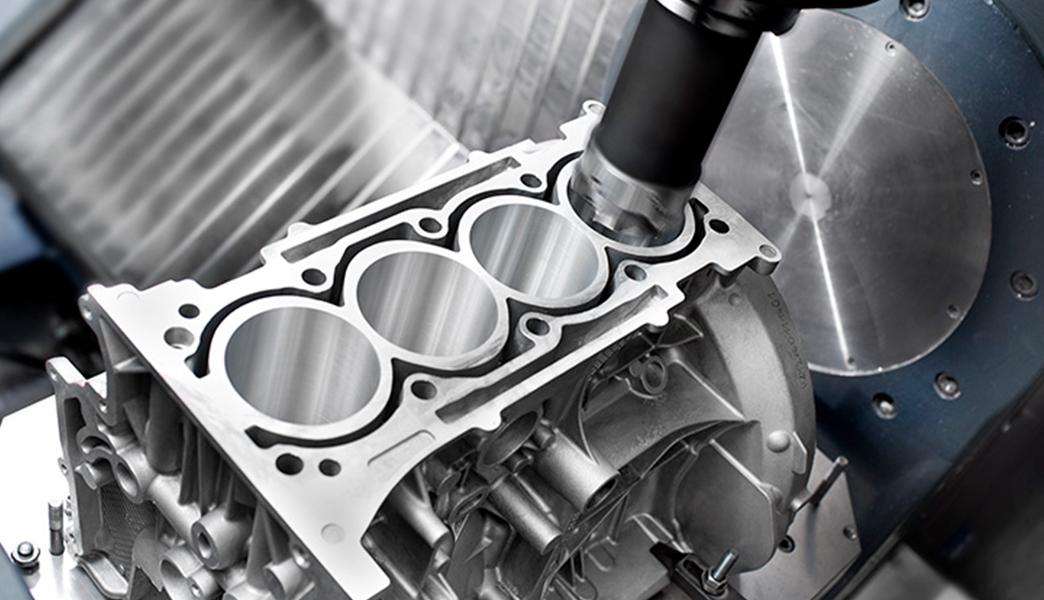
Initial Calculation: Using material databases, tooling manufacturer recommendations, and proven internal formulas, our programmers establish a safe starting parameter set.
CAM Simulation: Advanced CAM software simulates the entire machining process, calculating chip load, tool engagement, and detecting potential collisions before any metal is cut.
Process Validation: For critical first-article parts or new materials, our machinists often conduct test cuts, monitoring tool load, sound, and chip formation to fine-tune the parameters for optimal performance.
Data-Driven Optimization: Over more than a decade, we have built a proprietary database of successful machining parameters for thousands of part geometries across hundreds of materials. This empirical knowledge allows us to hit the ground running, reducing trial-and-error time for our clients.
This systematic approach is integral to our precision 5-axis CNC machining services, where complex, multi-sided parts demand consistent and precise parameter management across all axes of motion to maintain tolerances within ±0.001mm.
Conclusion
What determines speeds and feeds for a CNC machine is a complex interplay of material science, tooling technology, machine capability, and practical machining objectives. It is a decision that balances the relentless pursuit of efficiency with the uncompromising demand for precision. For clients, the takeaway is that selecting a manufacturing partner should go beyond just their equipment list. It is about selecting a team with the deep engineering acumen to master this interplay.
This is the core of the value provided by GreatLight CNC Machining Factory. Our investment in multi-axis CNC technology is matched by our investment in the people and processes that know how to unlock its full potential through scientifically determined, meticulously applied speeds and feeds. We transform this technical complexity into reliable, high-quality outcomes for your most demanding precision parts.
FAQ: Frequently Asked Questions on CNC Speeds and Feeds
Q1: Can you provide a simple formula for calculating speed and feed?
A: The foundational formulas are:
Spindle Speed (RPM) = (Cutting Speed SFM x 3.82) / Tool Diameter (inches)
Feed Rate (IPM) = RPM x Number of Flutes x Feed per Tooth (IPT)
However, the critical skill lies in selecting the correct Cutting Speed (SFM) and Feed per Tooth (IPT) values, which come from material/tooling databases and extensive experience, not a simple formula.
Q2: What are the visual signs of incorrect speeds and feeds?
A: Key indicators include:
Poor Chip Formation: Dust-like chips (too low feed), long, stringy chips (too low speed/incorrect geometry), or discolored, burnt chips (too high speed).
Tool Wear: Rapid flank wear or chipping.
Part Quality: Chatter marks (vibration), poor surface finish, or dimensional inaccuracy due to thermal expansion.
Audible Signs: Squealing (too high feed/light cut) or a heavy, labored sound (too deep a cut/too high feed).
Q3: For prototyping vs. mass production, should speeds and feeds differ?
A: Absolutely. Prototyping often prioritizes flexibility, setup speed, and guaranteed success over peak efficiency. Parameters may be slightly conservative to ensure the part is made correctly the first time. For mass production, the focus shifts to optimizing for the shortest cycle time and longest tool life, which involves fine-tuning parameters to their proven, aggressive limits.
Q4: How does 5-axis machining affect speed and feed calculations compared to 3-axis?
A: 5-axis machining introduces dynamic changes in tool orientation, which affects the effective radial engagement and cutting forces. Advanced CAM software for 5-axis programming is essential to adjust feeds and speeds in real-time (via CNC code) as the tool angle changes, maintaining a constant chip load and preventing overload or underutilization of the tool. This demands a higher level of programming sophistication and machine control.
Q5: Why should I trust a manufacturer’s judgment on these technical parameters?
A: Trust is built on transparency and proven results. A reputable manufacturer like GreatLight should be able to explain the rationale behind their machining strategy, provide tooling and material certifications, and demonstrate a track record of delivering parts that meet strict specifications. Our certifications (ISO 9001, IATF 16949) provide a framework for systematic process control, ensuring these critical parameters are managed consistently and effectively for every project.
To see how this technical expertise translates into real-world innovation partnerships, connect with us on our professional network on LinkedIn.