
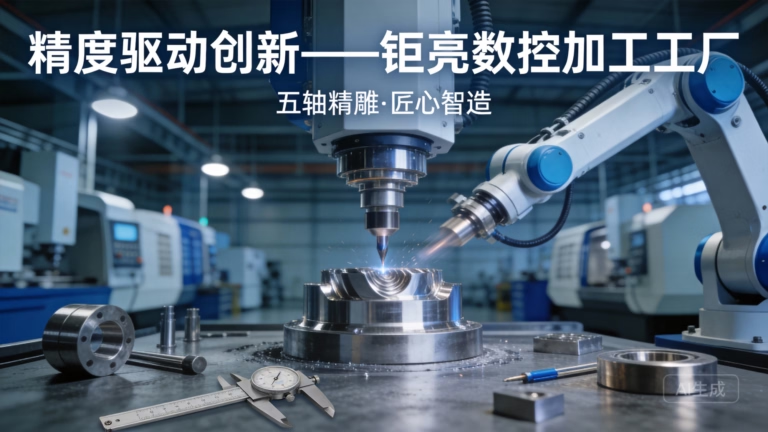
When it comes to transforming a digital design into a high-integrity, functional physical component, milling CNC machining services stand as the undisputed backbone of modern precision manufacturing. For engineers, product developers, and procurement specialists, understanding the depth, capability, and strategic application of these services is crucial for bringing innovative ideas to market efficiently and reliably. As a senior manufacturing engineer, I’ve witnessed firsthand how the right milling partner can accelerate development cycles, solve intractable design challenges, and ensure the longevity of critical assemblies. This discussion delves beyond the surface of basic metal removal, exploring the technical nuances, strategic advantages, and key selection criteria that define world-class milling CNC machining services.
The Engine of Subtraction: How Milling CNC Machining Works
At its core, CNC (Computer Numerical Control) milling is a subtractive manufacturing process. It starts with a solid block of material—metal, plastic, or composite—known as a blank or workpiece. A pre-programmed computer software (CAM software) dictates the movements of a multi-point rotating cutting tool along multiple axes. Unlike its cousin, turning, where the workpiece rotates, in milling, the cutting tool spins and traverses to carve away material with exceptional precision.
The true power of modern milling CNC machining services lies in the sophistication of the equipment and the intelligence of the programming. From simple 2.5-axis profiling to complex simultaneous 5-axis CNC machining, the technology allows for the creation of geometries that would be impossible or prohibitively expensive with manual methods or other processes.
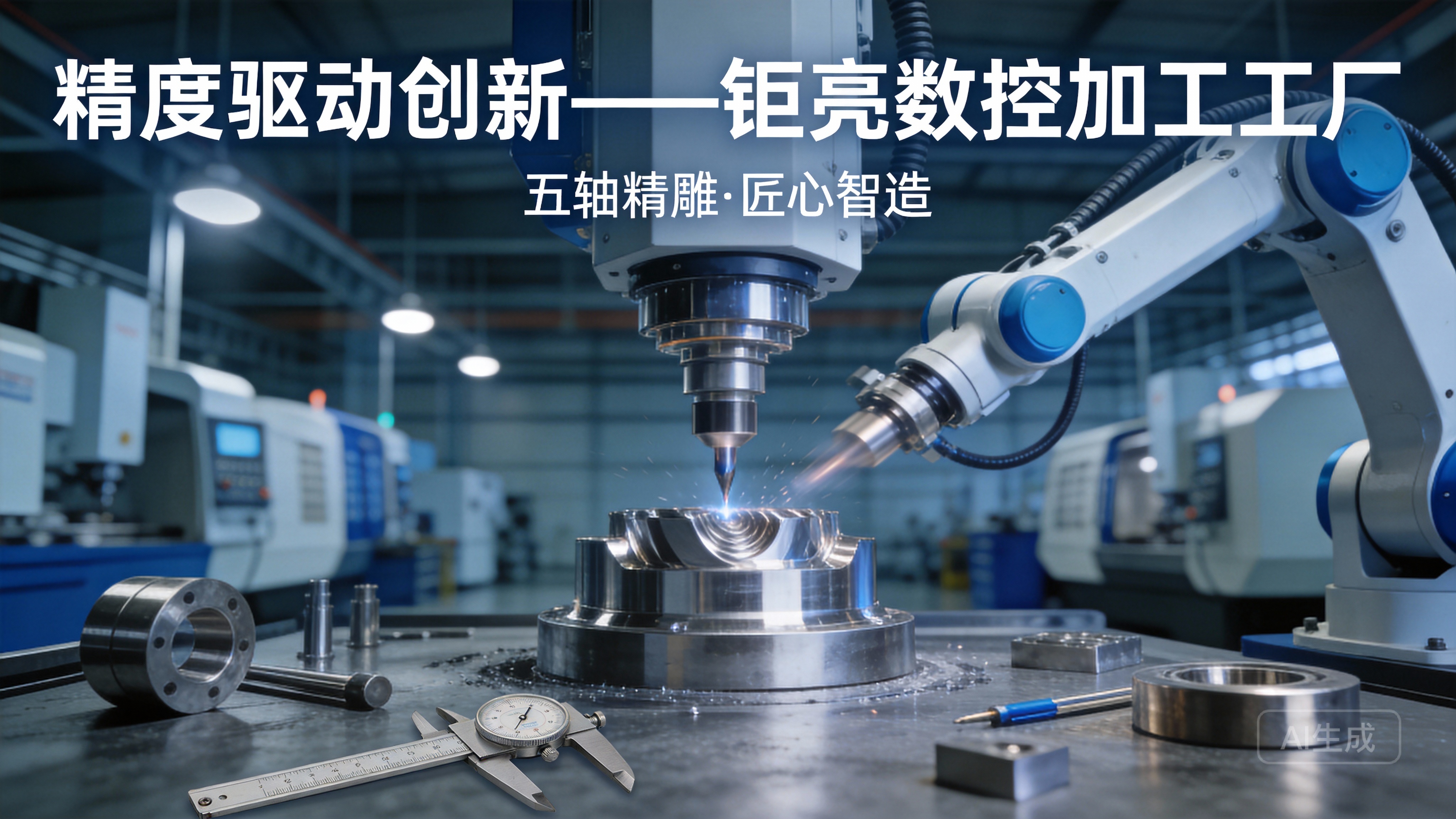
Decoding the Capabilities: A Hierarchy of Milling Complexity
Not all milling is created equal. The axis configuration of a CNC milling machine directly dictates the complexity of parts it can produce in a single setup, which in turn impacts precision, speed, and cost.
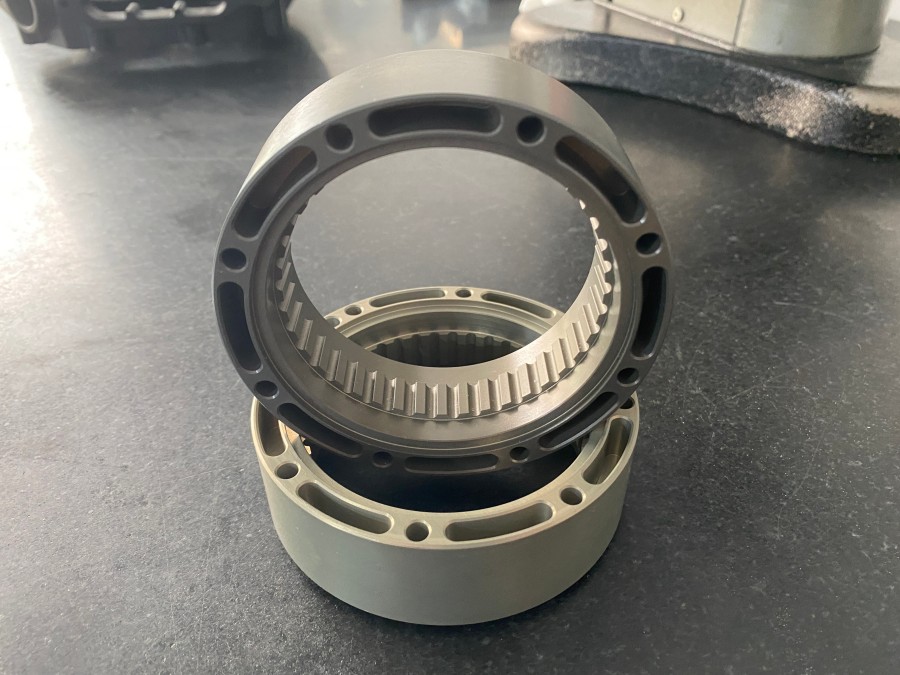
3-Axis Milling: The workhorse of the industry. The cutting tool moves along the linear X, Y, and Z axes. It’s exceptionally efficient for prismatic parts—components with features on primarily one side or in perpendicular planes. Think of brackets, enclosures, and mold bases. While highly accurate, complex geometries often require multiple setups and re-fixturing, which can introduce potential alignment errors.
4-Axis Milling: This adds a rotational axis (typically the A-axis), allowing the workpiece to rotate. This is invaluable for machining features around the circumference of a part, such as cam profiles, helical grooves, or continuous contours on a cylinder, dramatically reducing setup time and improving accuracy on rotational features.
5-Axis Milling: The pinnacle of milling flexibility. With two additional rotational axes (commonly A and B or B and C), the cutting tool can approach the workpiece from virtually any direction in a single setup. This is not merely an incremental improvement but a transformational capability. It allows for the machining of incredibly complex, organic shapes—like impellers, turbine blades, and biomedical implants—with superior surface finish, tighter tolerances, and often faster material removal rates due to optimal tool positioning. For clients seeking to push the boundaries of design, partnering with a provider offering advanced 5-axis CNC machining is non-negotiable.
The Material Spectrum: From Aluminum to Inconel
A proficient milling CNC machining services provider is adept across a vast material portfolio. The choice of material is driven by the part’s end-use application, balancing factors like strength, weight, corrosion resistance, thermal properties, and cost.
Metals: This is the most common domain.
Aluminum (e.g., 6061, 7075): The go-to for prototypes and lightweight structural parts due to its excellent machinability, strength-to-weight ratio, and good corrosion resistance.
Stainless Steel (e.g., 304, 316, 17-4 PH): Chosen for its strength, durability, and superb corrosion resistance, essential for medical devices, food processing, and marine applications.
Titanium (e.g., Ti-6Al-4V): Offers an exceptional strength-to-weight ratio and biocompatibility but is challenging to machine, requiring specialized tooling and parameters. Critical for aerospace and medical implants.
Engineering Alloys: Such as Inconel, Hastelloy, and tool steels, used in extreme environments for their heat resistance, strength, and wear characteristics.
Plastics: PEEK, Delrin (Acetal), UHMW-PE, and Polycarbonate are milled for electrical insulators, low-friction components, and prototypes where weight and corrosion are primary concerns.
Composites: While less common on standard CNC mills due to abrasive and delamination risks, specialized setups can machine carbon fiber reinforced polymers (CFRP) and others for high-performance applications.
Strategic Applications Across Industries
The application of milling CNC machining services is ubiquitous in advanced manufacturing. It is the default process for low-to-medium volume production of high-value components where precision, material integrity, and design freedom are paramount.
Aerospace & Defense: Manufacturing lightweight structural frames, engine mounts, landing gear components, and drone housings to exacting tolerances and material specifications.
Automotive & Motorsport: Producing prototype components, custom engine parts, transmission housings, and intricate brackets for testing and limited-run performance vehicles.
Medical & Life Sciences: Creating surgical guides, orthopedic implants, dental components, and diagnostic equipment housings, where biocompatibility and flawless surface finish are critical.
Industrial Automation & Robotics: Fabricating robust robot end-effectors, precise actuator housings, custom sensor mounts, and conveyor system components that ensure reliability in harsh environments.
Electronics & Telecommunications: Machining finely detailed heat sinks, waveguide components, connector housings, and test fixture plates that require electrical isolation or specific thermal properties.
Navigating the Service Landscape: Beyond the Quote
The market for milling CNC machining services is crowded, ranging from fully automated online platforms like Xometry, Protolabs Network, and Fictiv to specialized job shops like Owens Industries and RCO Engineering, and full-service solution providers like GreatLight Metal. Choosing the right partner requires looking beyond the initial unit price. Here are critical engineering-focused considerations:
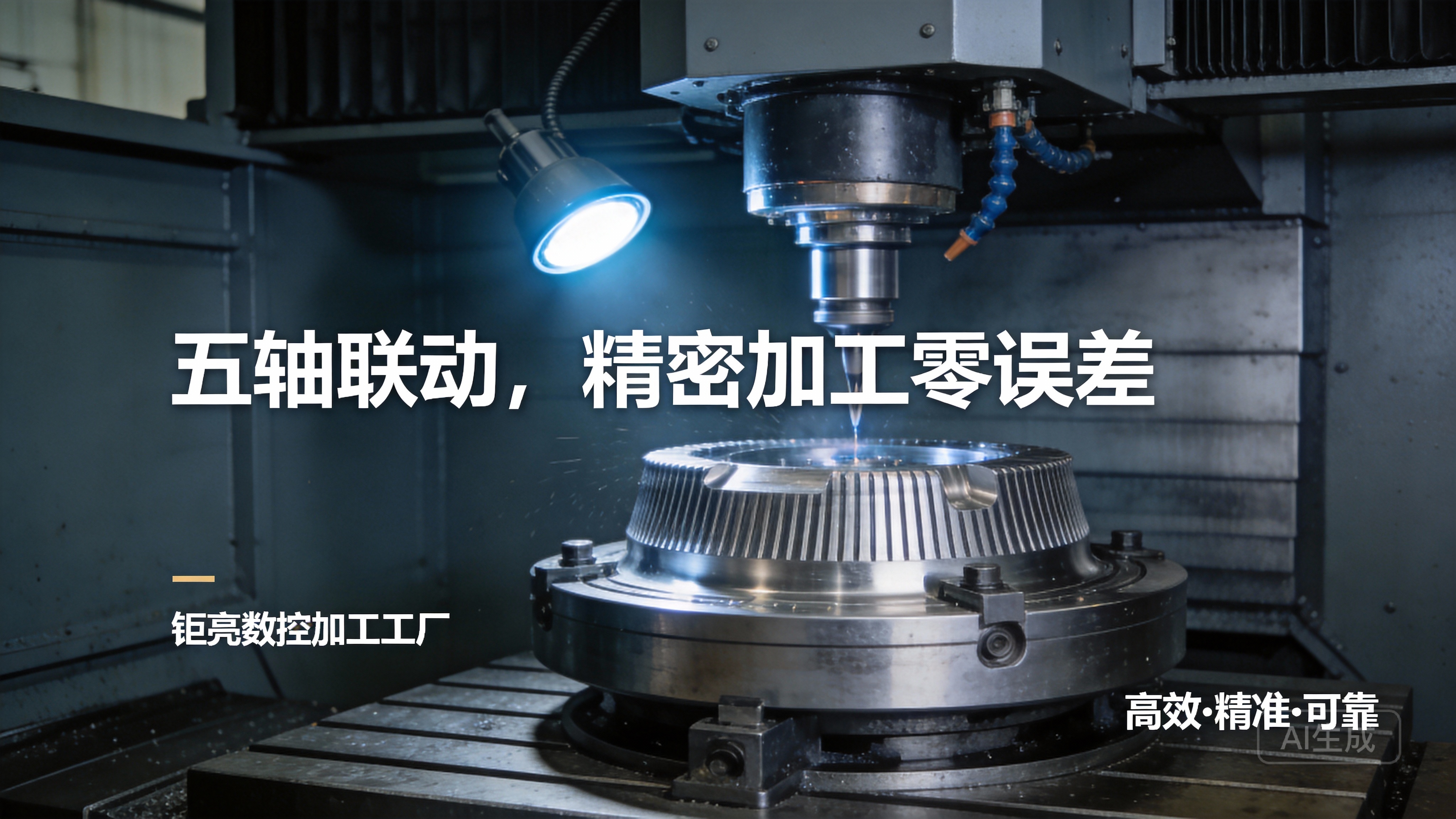
Technical Dialogue & Design for Manufacturability (DFM): Will the provider’s engineers engage in a substantive DFM review? A top-tier partner like GreatLight Metal proactively suggests subtle modifications—adjusting fillet radii, suggesting alternative but equivalent tolerances, or recommending a more machinable material grade—that can drastically reduce cost and lead time without compromising function.
Metrology & Quality Assurance: Precision promised is meaningless without verification. Inquire about in-house metrology equipment (CMMs, optical comparators, surface profilers) and quality certifications. A provider holding ISO 9001:2015 for quality management and IATF 16949 for automotive projects demonstrates a systemic commitment to consistency that transcends individual operator skill.
Full-Process Chain Integration: Does the service stop at milling? Complex projects often require secondary operations: heat treatment, anodizing, plating, painting, or assembly. A manufacturer that offers integrated one-stop post-processing and finishing services under one roof, like GreatLight CNC Machining Factory, eliminates coordination headaches, reduces total lead time, and ensures accountability for the final product.
Operational Transparency & Project Management: Clear communication on scheduling, proactive updates on potential delays, and structured handling of engineering change orders (ECOs) are indicators of professional maturity. This is especially vital for complex, multi-stage projects common in automotive engine or humanoid robot development.
The GreatLight Metal Distinction: Engineering-Led Precision
In a field populated by competent machinists, GreatLight Metal distinguishes itself through an engineering-centric approach to milling CNC machining services. Founded in 2011 in Dongguan’s manufacturing heartland, the company has evolved from a precision workshop into a solutions partner. Their capability is anchored by a significant investment in a multi-axis machining cluster, including high-performance 5-axis CNC machining centers, which allows them to tackle monolithic components with complex internal geometries in a single setup, ensuring unparalleled dimensional integrity.
What truly differentiates them is their application of “system soft power.” Their suite of certifications—ISO 9001, IATF 16949, and adherence to ISO 13485 frameworks for medical hardware—provides clients with a verified, risk-mitigated foundation. They treat each project as a collaborative engineering challenge, not just a purchase order. For instance, when a client in the new energy vehicle sector faced challenges with a complex, thin-walled e-motor housing that required ultra-precise bearing seats and coolant channels, GreatLight’s team didn’t just quote the print. They conducted a thorough DFM analysis, proposed a modified machining sequence and fixturing strategy to combat vibration and thermal distortion, and delivered a batch of parts that met all critical functional tolerances, enabling the client’s prototype testing phase to proceed without delay.
Conclusion: A Partnership for Precision
Selecting a provider for milling CNC machining services is ultimately a strategic decision that impacts product quality, development timeline, and total cost of ownership. It requires matching the technical complexity of your components with a manufacturer that possesses the corresponding depth in equipment, process engineering, and quality systems. While automated platforms offer speed for simpler parts, the most demanding projects—those pushing the limits of material science, geometric complexity, and functional reliability—benefit immensely from a collaborative partnership with an expert manufacturer. In this realm, where every micron counts and every setup is an opportunity for error or excellence, the integrated technical prowess and systematic rigor of a partner like GreatLight Metal become invaluable assets in transforming precision designs into reality. For more insights into their approach and capabilities, you can explore their professional network on LinkedIn{:target=”_blank”}.



















