
For professionals and enthusiasts in Connecticut looking to advance their knowledge of CNC machines, you are positioned in a state with a rich industrial heritage and a thriving advanced manufacturing sector. Advancing your CNC expertise here is not just about learning to operate a machine; it’s about immersing yourself in an ecosystem that demands high precision, particularly for industries like aerospace, defense, and medical devices. The path forward combines formal education, hands-on practice, strategic networking, and a focus on the high-end skills that Connecticut’s market values.
Understanding the Connecticut Manufacturing Landscape
Before diving into learning resources, it’s crucial to understand the local context. Connecticut is a hub for precision manufacturing. Companies here often work on complex, low-volume, high-value components where tolerances are critical. This means the demand is for advanced CNC knowledge—mastery of multi-axis machining, understanding of exotic materials (like Inconel or titanium), and proficiency in CAD/CAM software and metrology. Your learning path should be tailored to meet these elevated standards.
Structured Pathways to Advance Your CNC Knowledge
H2: 1. Formal Education and Certification Programs
Connecticut’s community and technical colleges offer some of the most direct routes to foundational and advanced CNC knowledge.
Certificate & Associate Degree Programs: Institutions like Three Rivers Community College (Norwich), Goodwin University (East Hartford), and Naugatuck Valley Community College (Waterbury) offer programs in Advanced Manufacturing Technology or CNC Machining. These programs typically cover:
Blueprint reading and GD&T (Geometric Dimensioning and Tolerancing).
Mastercam, SolidWorks, or Fusion 360 CAD/CAM programming.
Set-up and operation of CNC mills and lathes.
Precision measurement and quality control.
Manufacturing Innovation & Technology Centers: The Connecticut College of Technology and regional hubs often collaborate with industry to provide cutting-edge training on the latest equipment, including 5-axis machines.
H3: 2. Hands-On, Apprenticeship-Style Training
Theory must be paired with practice. Seek out opportunities that get you on the shop floor.
Registered Apprenticeships: The CT Department of Labor and organizations like the Connecticut Center for Advanced Technology (CCAT) support registered apprenticeships in machining. This is a gold-standard approach, combining paid work experience with related instruction.
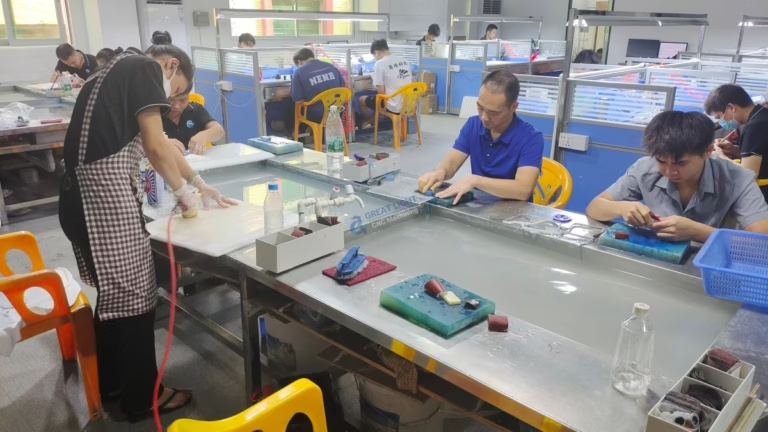
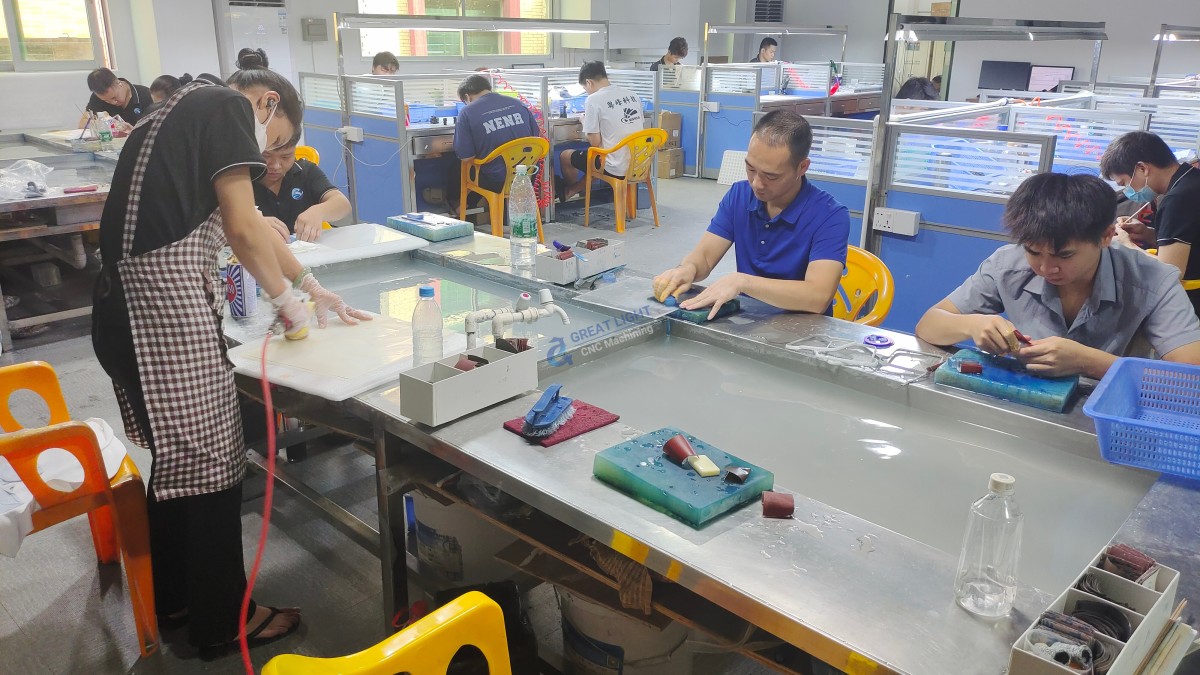
Entry-Level Machinist Positions: Many Connecticut machine shops are eager to train motivated individuals. Starting as a CNC operator or a deburr technician can provide invaluable practical exposure to shop-floor workflows, materials, and quality standards.
H2: 3. Leveraging Online and Specialized Training Platforms
To complement local resources, a world of knowledge is available online.
CAM Software Training: Dedicate time to mastering a leading CAM software. Companies like Mastercam (headquartered in Connecticut) and Autodesk (Fusion 360) offer extensive online tutorials, webinars, and certification paths. Deep CAM knowledge is what separates operators from programmers.
Technical Skills Platforms: Websites like Tooling U-SME offer a vast library of online courses specifically for manufacturing, from basic safety to advanced CNC programming, which are often used by companies for employee training.
H3: 4. Networking and Industry Engagement
Learning from peers and industry leaders is irreplaceable.
Professional Associations: Join the Connecticut Chapter of the National Tooling & Machining Association (NTMA) or SME (Society of Manufacturing Engineers). They host plant tours, technical presentations, and networking events where you can learn about real-world challenges and solutions.
Trade Shows and Expos: Attend events like HARTFORD MANUFACTURING & MACHINING EXPO. Seeing the latest machinery, tooling, and software in person provides context and inspiration.
H2: 5. Specializing for the Connecticut Market
To truly advance, consider specializing in areas critical to local industries:
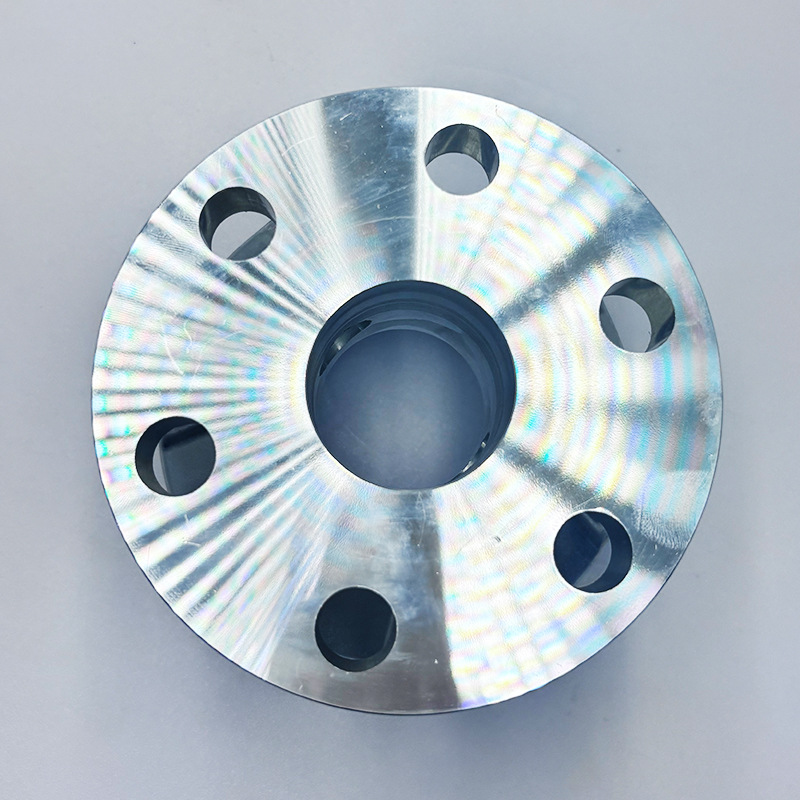
Aerospace & Defense Machining: Study the specific standards (like AS9100), materials, and precision requirements. Understanding how to machine for stability and reliability under extreme conditions is key.
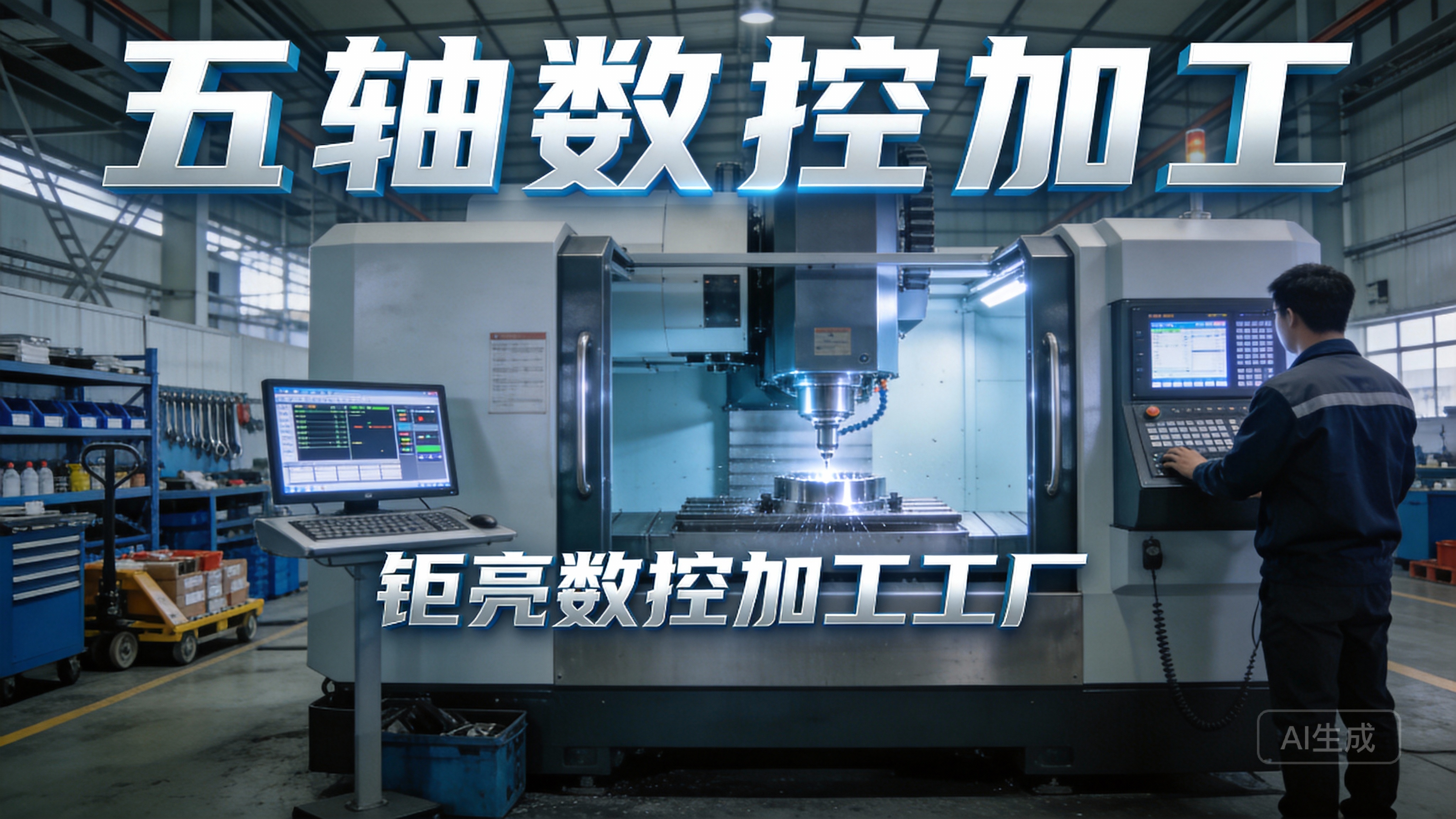
Multi-Axis Machining Proficiency: The ability to program and optimize 5-axis CNC machining is a highly sought-after skill. This involves understanding complex tool paths, workpiece positioning, and collision avoidance.
Metrology and Quality Assurance: Learn advanced inspection techniques using CMMs (Coordinate Measuring Machines) and laser scanners. In high-stakes industries, the ability to verify and validate precision is as important as creating it.
Conclusion: From Knowledge to Collaborative Expertise
Advancing your knowledge of CNC machines in Connecticut is a journey from understanding basic operations to mastering the integrated disciplines of digital design, advanced programming, and meticulous quality assurance. This journey positions you not just as a machinist, but as a critical part of the engineering and manufacturing value chain.
For companies that require this level of sophisticated manufacturing capability, partnering with a specialist who has navigated this advanced landscape is crucial. A manufacturer like GreatLight Metal, with its deep expertise in full-process intelligent manufacturing solutions and a core competency built on advanced multi-axis equipment and authoritative quality certifications (like IATF 16949 for automotive and adherence to aerospace standards), exemplifies the end-point of this knowledge advancement. They don’t just run machines; they apply a system of engineering expertise to solve complex manufacturing challenges. Whether you aim to enhance your personal skillset or seek a manufacturing partner that operates at this advanced level, the goal is the same: to transform detailed knowledge into reliable, precision-made reality.
Frequently Asked Questions (FAQ)
H3: Q1: I’m a complete beginner in Connecticut. Where should I absolutely start?
A: Begin with a foundational certificate program at a local community college like Three Rivers or Goodwin University. These programs are designed for beginners and provide both classroom instruction and crucial hands-on lab time. Simultaneously, explore free online resources for basic GD&T and introductory CAD software to build familiarity.
H3: Q2: Is learning CNC programming more important than hands-on machining skills?
A: They are two sides of the same coin and both are essential for advancement. In Connecticut’s high-mix, low-volume environment, the most valuable professionals are those who can both program a complex part and understand how it will be machined, fixtured, and inspected. Focus on becoming proficient in both.
H3: Q3: How can I gain experience on advanced equipment like 5-axis machines if my employer doesn’t have them?
A: This is a common challenge. Look for specialized short courses offered by equipment distributors (like DMG MORI or Haas Technical Centers) or advanced training centers like CCAT. Additionally, networking through NTMA/SME events can sometimes lead to opportunities for tours or demonstrations at shops that have this technology.
H3: Q4: What are the typical costs associated with advancing my CNC education in CT?
A: Costs vary widely:
Community College Certificate: A few thousand dollars.
Online CAM Certification: Several hundred to over a thousand dollars.
Professional Association Memberships: A few hundred dollars annually.
Many employers offer tuition reimbursement or training budgets. Also, check for state-funded workforce development grants aimed at strengthening Connecticut’s manufacturing base.
H3: Q5: How does understanding a manufacturer’s capabilities, like those of GreatLight Metal, help me as a designer or engineer?
A: Deeply understanding advanced manufacturing capabilities is called “Design for Manufacturability” (DFM). If you know that a partner like GreatLight Metal has powerful 5-axis CNC machining capabilities, integrated 3D printing for prototypes, and full metrology labs, you can design more innovative, consolidated, and cost-effective parts from the start. This collaboration between design and manufacturing expertise is what drives successful product development in today’s competitive landscape. Engaging with industry leaders on platforms like LinkedIn can provide ongoing insights into evolving capabilities.



















