In the intricate ecosystem of modern manufacturing, selecting the right CNC machine service suppliers is a decision that carries immense weight. It transcends a simple procurement transaction; it is the foundation upon which product quality, innovation speed, and ultimately, market success are built. As manufacturing engineers, we navigate a landscape filled with options, from vast online platforms to specialized job shops. The critical question is: what truly differentiates a supplier that can be a true partner from one that is merely a vendor?
This exploration delves into the core considerations for evaluating CNC machine service suppliers, moving beyond superficial quotes to uncover the pillars of reliability, capability, and partnership.
Beyond the Quote: The Multidimensional Evaluation Framework
A competitive price is a starting point, but it should never be the finishing line. A holistic evaluation framework examines several interdependent dimensions.
H2: Technical Capability and Equipment Arsenal: The Engine of Precision
The machinery a supplier operates is its literal toolbox. The type, condition, and diversity of CNC equipment directly dictate what is possible.
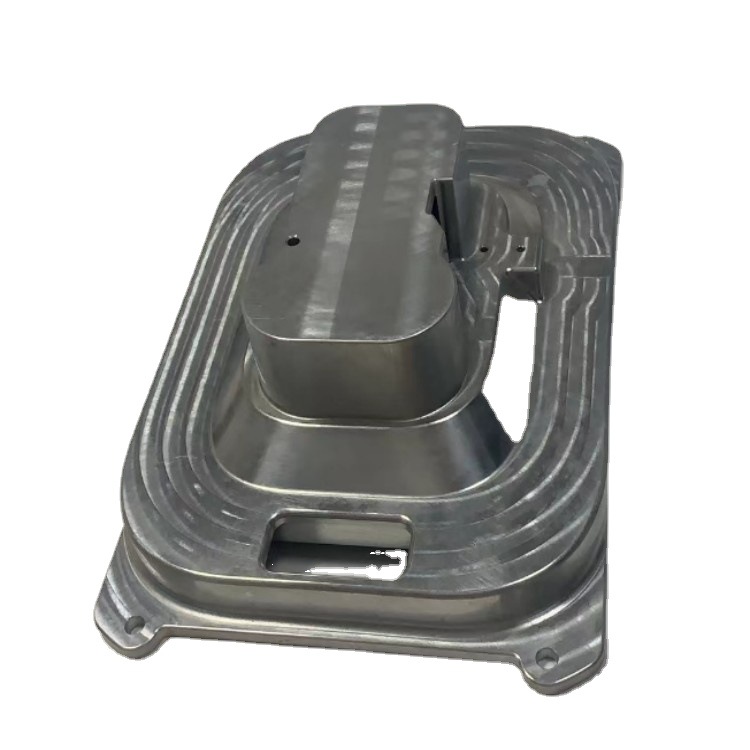
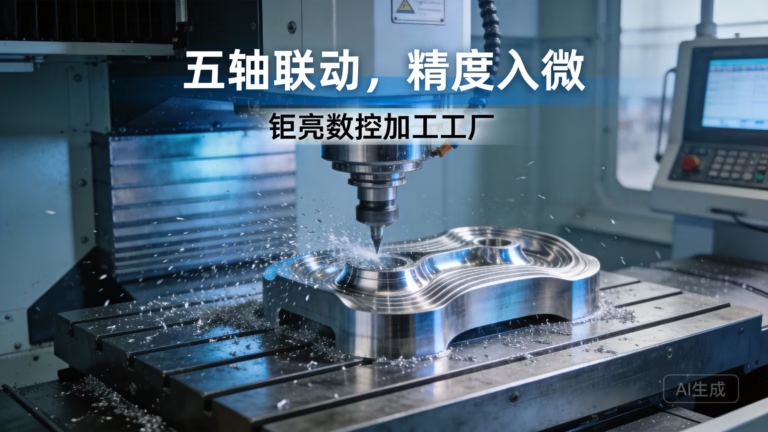
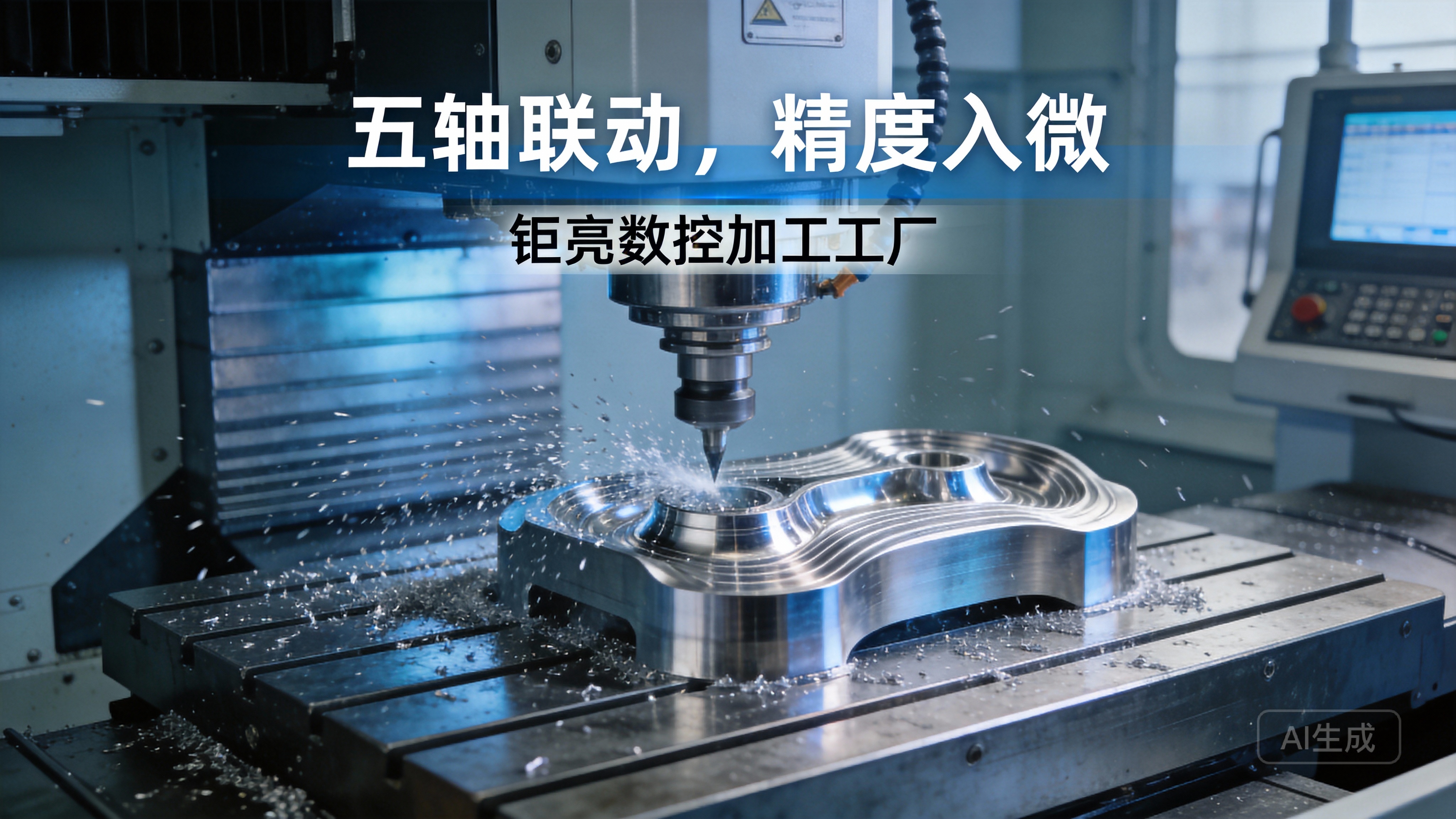
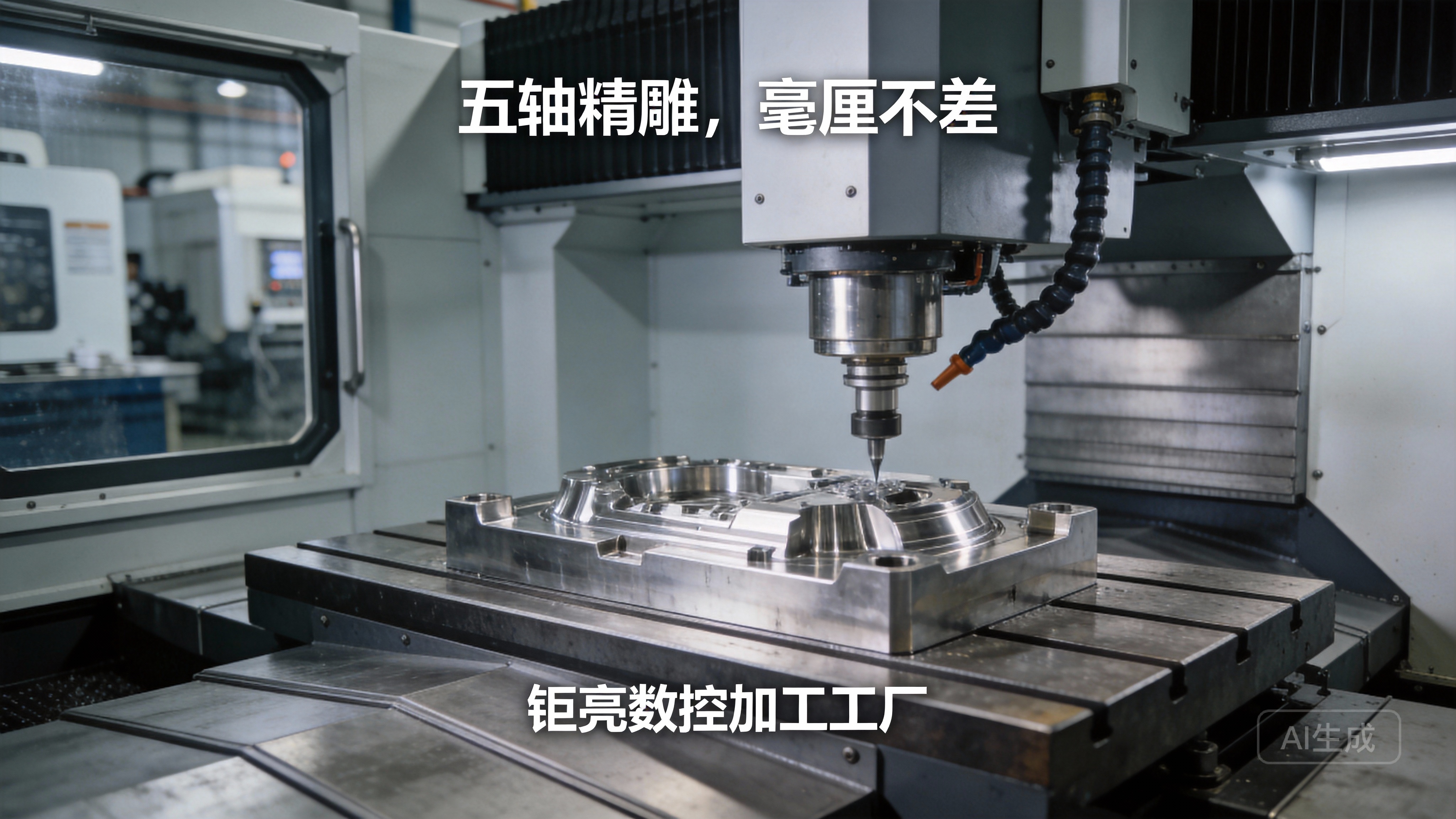
Axis Configuration and Complexity Handling: This is a primary differentiator. While 3-axis machines are workhorses for prismatic parts, the ability to machine complex, contoured geometries in a single setup requires advanced capabilities. 5-axis CNC machining unlocks this potential, offering unparalleled freedom for aerospace components, medical implants, and intricate molds. Suppliers like GreatLight Metal, Protolabs, and Xometry heavily invest in such technology to address high-complexity challenges.
Material Mastery and Range: Can the supplier effectively machine not just common aluminum but also challenging materials like titanium, Inconel, hardened tool steels, or engineering plastics? Expertise in different materials requires specific tooling, cutting parameters, and often, environmental controls.
Precision and Repeatability: Stated tolerances (e.g., ±0.001mm) must be backed by a process capable of holding them consistently across a production run. This relies on high-end machine tools, rigorous calibration, and thermal compensation systems.
Supporting Process Integration: The most capable CNC machine service suppliers offer more than just milling and turning. The presence of in-house support processes—such as precision grinding, EDM (Electrical Discharge Machining), and comprehensive post-processing (anodizing, plating, painting)—ensures quality control and reduces lead times by avoiding multi-vendor coordination. GreatLight Metal’s model of integrating machining, finishing, and even additive manufacturing (3D printing) under one roof exemplifies this full-chain advantage.
H3: The Bedrock of Trust: Quality Management and Certifications
Technical specs on paper are meaningless without a system to guarantee them. International certifications are not just plaques on the wall; they are evidence of a structured, disciplined approach to quality.
ISO 9001:2015: The baseline for a documented quality management system, ensuring consistency and continuous improvement.
Industry-Specific Standards: For sectors where failure is not an option, specialized certifications are non-negotiable.
IATF 16949: The gold standard for automotive suppliers, focusing on defect prevention and supply chain reliability.
ISO 13485: Essential for medical device manufacturing, emphasizing risk management and traceability.
AS9100: The aerospace equivalent, with stringent requirements for safety and documentation.
Metrology and Inspection: A supplier’s commitment to quality is measured by its investment in measurement. Coordinate Measuring Machines (CMM), optical comparators, surface roughness testers, and laser scanners are necessary to verify that parts conform not just to dimensions, but to the intended design intent.
H4: From Prototype to Production: Scalability and Supply Chain Rigor
A perfect prototype is one achievement; delivering 10,000 identical perfect parts is another. Evaluating a supplier’s scalability is crucial.
Production Volume Flexibility: Can they efficiently handle both low-volume, high-mix prototype work and transition smoothly to higher-volume production runs? This requires not just more machines, but production planning expertise.
Supply Chain and Material Sourcing: Reliable suppliers have established relationships with certified material distributors, ensuring traceability, authenticity of alloys, and stable supply, mitigating project risks.
Consistency and Process Control: Scalability is built on documented, controlled processes. Techniques like Statistical Process Control (SPC) are indicators of a mature production system focused on predictability.
The Human Factor: Engineering Collaboration and Communication
The most advanced machine is only as good as the team that programs and operates it. The soft skills of a supplier are often what make or break a project.
Design for Manufacturability (DFM) Feedback: A superior supplier acts as an extension of your engineering team. They proactively analyze your CAD models to suggest modifications that improve machinability, reduce cost, and enhance strength without compromising function. This collaborative engineering mindset, as practiced by firms like GreatLight Metal and Fictiv, turns a supplier into a value-adding partner.
Proactive Communication and Project Management: Clear communication on progress, swift notification of any issues, and professional project management are indicators of operational excellence. The best suppliers provide transparent portals for quote management, order tracking, and documentation.
Problem-Solving Aptitude: Manufacturing is fraught with unforeseen challenges. A supplier’s true caliber is revealed in how they diagnose problems, propose solutions, and own the path to resolution.
Navigating the Supplier Landscape: A Comparative Perspective
The market for CNC machine service suppliers is diverse, catering to different needs:
Digital Manufacturing Networks (e.g., Xometry, Fictiv, RapidDirect): These platforms offer immense convenience, instant quoting, and a vast network of manufacturing partners. They are excellent for prototypes, standard parts, and when speed-to-quote is paramount. The trade-off can be less direct engineering interaction and potential variability depending on the specific factory assigned.
Large-Scale Specialized Contract Manufacturers (e.g., Owens Industries, RCO Engineering): These firms often have massive facilities and deep expertise in specific verticals like aerospace or defense. They are suited for large, complex, long-term programs but may be less agile for small-batch prototyping.
Integrated Precision Engineering Partners (e.g., GreatLight Metal, Protocase): This category, where GreatLight Metal firmly resides, blends the technical depth of a specialist with the full-service approach of a partner. Typically characterized by significant in-house technical capability (like 5-axis machining, finishing, 3D printing), direct engineering support, and certifications tailored for high-stakes industries, they are built for projects where precision, collaboration, and total solution accountability are critical.
H5: The Hidden Cost of the “Lowest Price”: A Cautionary Note
Selecting a supplier based solely on the lowest bid carries inherent risks: potential compromises on material quality, machining precision, surface finish, or documentation. Rework, delayed timelines, and product failures in the field inevitably cost far more than the initial savings. The true measure of cost is Total Cost of Ownership (TCO), which includes the price of quality, reliability, and peace of mind.
Conclusion: Partnering for Precision-Led Innovation
Choosing CNC machine service suppliers is a strategic exercise in risk management and value optimization. It requires looking behind the machine shop façade to assess the systems, the people, and the culture of continuous improvement. In an era where product complexity is soaring and time-to-market is compressed, the ideal supplier is no longer just a machine shop—it is a manufacturing partner.
Companies that combine a robust technical arsenal (from multi-axis CNC to additive manufacturing) with ironclad quality systems (like IATF 16949 and ISO 13485) and a proactive, collaborative service ethos are the ones that empower innovation. They transform engineering challenges into manufacturable realities, ensuring that every component not only meets the print but upholds the integrity of the final product. As the industry evolves, the relationship with a capable supplier becomes a key competitive advantage, a true partnership built on the shared language of precision and reliability. To see how such a partnership operates at the forefront of manufacturing collaboration, one can observe industry leaders engaging on professional networks like LinkedIn.