
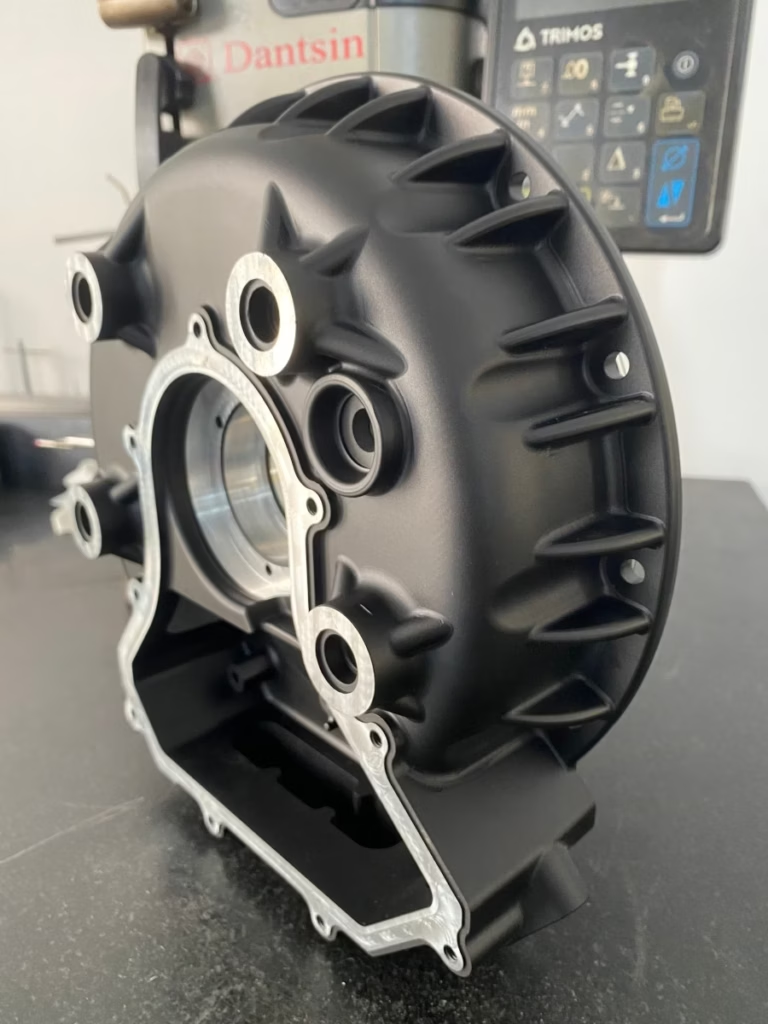
In today’s rapidly evolving landscape of product innovation and manufacturing, the ability to transform a unique concept into a tangible, high-performance component is no longer a luxury—it’s a strategic necessity. This is where the true power of CNC Machined Service Customized moves from a back-end production task to a core enabler of competitive advantage. For engineers, designers, and procurement specialists navigating the complex journey from prototype to production, understanding the depth and breadth of what modern, customized CNC machining entails is critical to project success.
Beyond merely executing a drawing, a premier CNC Machined Service Customized offering represents a deep technical partnership. It is the synthesis of advanced digital toolpaths, material science, engineering acumen, and rigorous quality processes, all orchestrated to deliver a part that not only fits but functions flawlessly within its intended system. Whether for a groundbreaking medical device, a high-stress aerospace component, or a sophisticated robotics joint, the journey begins with recognizing that customization is a process, not just an outcome.
The Customization Imperative: Why One-Size-Fits-All Falls Short
The era of standard catalog parts sufficing for innovative designs is over. Modern products demand geometries, tolerances, and material properties that are as unique as their applications. A truly customized service addresses several fundamental needs:
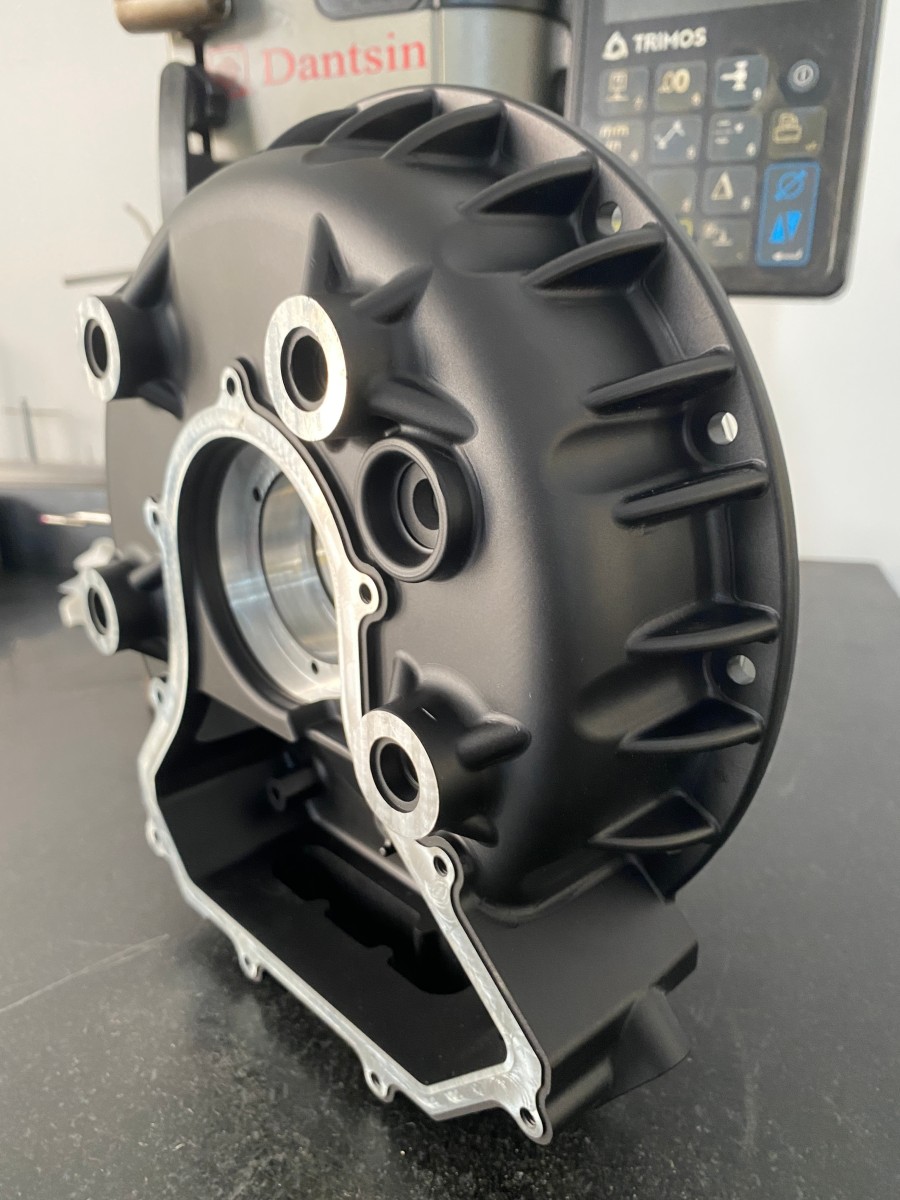
Complex Geometries: Designs featuring organic curves, deep cavities, thin walls, or intricate internal channels that are impossible with conventional machining or basic 3-axis CNC.
Extreme Precision: Applications in optics, metrology, or semiconductor tooling where tolerances tighten to micron-levels, demanding not just capable machines but a controlled, metrology-driven environment.
Material Specificity: The need for specialized alloys, high-strength aluminums, biocompatible titanium, or advanced engineering plastics to meet structural, thermal, or regulatory requirements.
Integrated Functionality: Designing for manufacturability (DFM) inputs that allow for consolidated assemblies into a single, robust monolithic part, reducing failure points and assembly time.
Scalability Path: A service that provides a seamless bridge from low-volume prototyping to medium or high-volume production, maintaining consistency and traceability throughout.
The Pillars of a Comprehensive Customized CNC Machining Service
A service that can genuinely meet these demands is built on several interconnected pillars.
H2: Engineering Collaboration as the Foundation
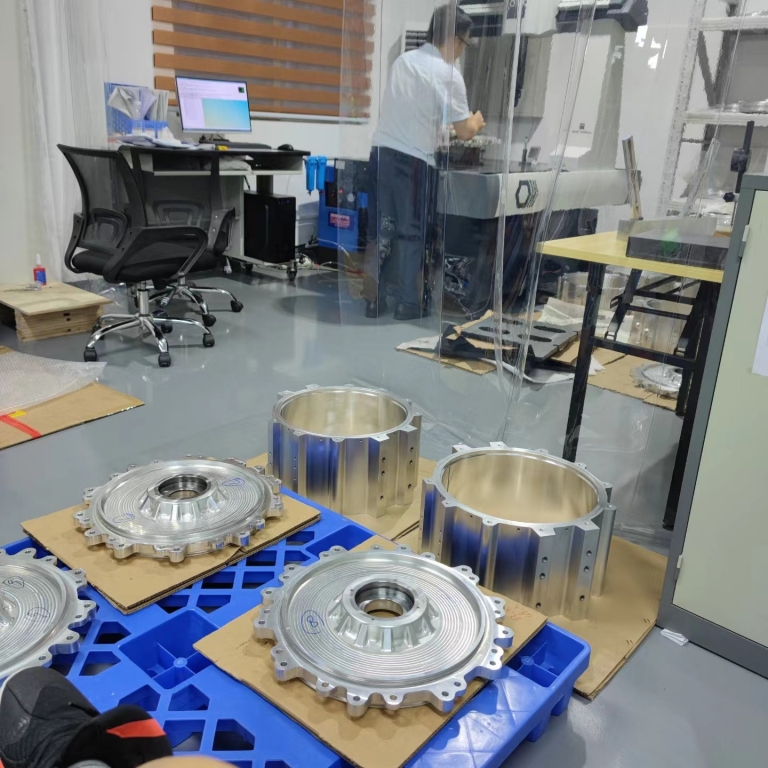
The most successful custom projects begin long before a tool touches metal. They start with a collaborative review between the client’s design team and the manufacturer’s application engineers. This phase, often called Design for Manufacturing (DFM) and Design for Assembly (DFA) analysis, is invaluable. Experienced engineers can identify potential manufacturing challenges—such as problematic undercuts, unnecessarily tight tolerances that inflate cost, or material choices that could lead to premature wear—and propose practical, cost-effective alternatives without compromising the design intent. This proactive dialogue transforms a purchase order into a technical partnership.
H3: Material Mastery and Strategic Sourcing
True customization extends into the very substance of the part. A top-tier provider doesn’t just offer a list of materials; they possess deep knowledge of material properties, machinability, and post-processing behavior. They can advise on:
Material Selection: Recommending 6061 vs. 7075 aluminum for optimal strength-to-weight, or PEEK vs. Ultem for chemical resistance and thermal stability.
Supply Chain Integrity: Sourcing certified, traceable raw materials from reputable mills, with material test reports (MTRs) available to validate composition and properties. This is non-negotiable for industries like medical (ISO 13485) and automotive (IATF 16949).
Specialist Alloys: Providing access to and expertise in machining challenging materials like Inconel, tungsten, or copper alloys, which require specific tooling and machining strategies.
H3: The Technological Arsenal: From 3-Axis to Advanced Multi-Axis Machining
The capability to produce custom parts is directly tied to available technology.
3-Axis & 4-Axis CNC Milling/Turning: The workhorses for a vast array of prismatic parts and rotational symmetries. They offer efficiency and cost-effectiveness for less complex geometries.
The Game Changer: 5-Axis CNC Machining: For the most demanding CNC Machined Service Customized projects, 5-axis capability is transformative. It allows the cutting tool to approach the workpiece from virtually any direction in a single setup. This results in:
The ability to machine highly complex, free-form surfaces.
Dramatically improved accuracy on compound angles, as features are machined in their ideal orientation.
Reduced setup times and associated errors, as a single fixturing often suffices.
Superior surface finishes on contoured areas.
Leading manufacturers, such as GreatLight Metal, Protolabs Network, and Xometry, heavily invest in multi-axis technology to serve clients pushing the boundaries of design. For instance, when a project demands intricate aerodynamic profiles or compact, multi-functional enclosures, partnering with a provider like GreatLight CNC Machining Factory{:target=”_blank”}, with its advanced 5-axis machining centers, can be the decisive factor between a compromised design and a perfected part.
Supplementary Technologies: A full-service partner will complement CNC with EDM (Electrical Discharge Machining) for ultra-hard materials or complex internal features, precision grinding for unmatched surface finish and dimensional accuracy, and coordinate measuring machines (CMM) for comprehensive validation.
H2: Finishing and Post-Processing: The Final Touch of Customization
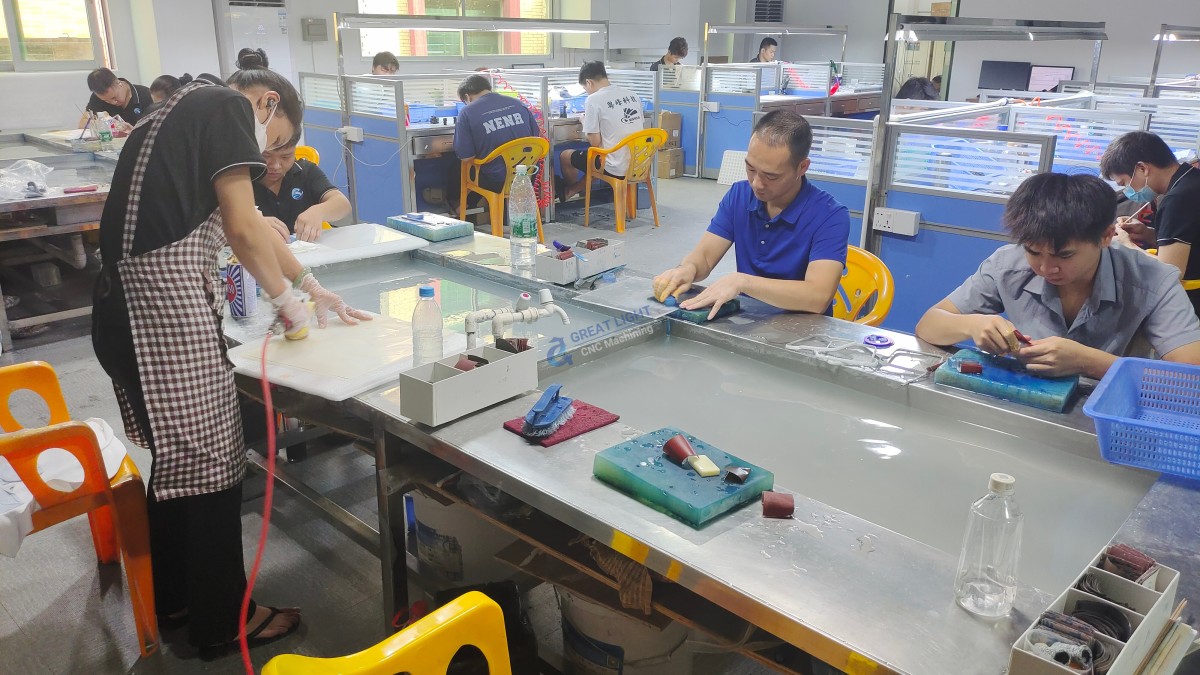
A part fresh off the CNC machine is rarely the final product. The post-processing suite is where aesthetics, functionality, and durability are enhanced. A comprehensive service includes:
Deburring and Edge Breaking: Manual and automated processes to remove sharp edges and burrs for safety and assembly.
Surface Finishing: A range of options from basic media blasting (bead, sand) to sophisticated mechanical polishing and electropolishing for a mirror-like, hygienic surface.
Coatings and Treatments: Applying functional and protective layers such as:
Anodizing (Type II, Type III hard coat) for aluminum.
Passivation for stainless steel to enhance corrosion resistance.
Plating (nickel, chrome, zinc) for wear resistance and appearance.
PVD (Physical Vapor Deposition) coatings for extreme hardness and low friction.
Secondary Operations: Precision threading, press-fitting of inserts, engraving, labeling, or sub-assembly to deliver a truly “ready-to-install” component.
Navigating the Pitfalls: What to Look for in a Custom Machining Partner
With many providers offering CNC Machined Service Customized, discerning the truly capable from the merely adequate requires scrutiny. Key red flags and green lights include:
| Potential Pitfall | Indicator of a Strong Partner |
|---|---|
| Vague or Overpromised Tolerances | Clear, achievable tolerance specifications based on part size, geometry, and material. Willingness to discuss statistical process capability (Cpk). |
| Lack of Formal Quality Systems | Transparent adherence to international standards like ISO 9001:2015. For regulated industries, relevant certifications (ISO 13485 for medical, IATF 16949 for automotive) are mandatory, not optional. |
| Limited In-House Metrology | Comprehensive inspection equipment (CMM, optical comparators, surface testers, hardness testers) operated by qualified personnel. First-article inspection (FAI) reports and full dimensional reports provided. |
| No Proactive Engineering Support | A dedicated engineering team that engages early, providing actionable DFM feedback and alternative solutions to optimize cost and manufacturability. |
| Opacity in Quoting and Lead Times | Detailed, line-item quotations that break down material, machining time, setup, and finishing. Realistic, communicated lead times with proactive updates. |
Conclusion: The Strategic Choice for Customized Precision
Selecting a provider for CNC Machined Service Customized is ultimately a strategic decision that impacts product quality, development timelines, and total lifecycle cost. It demands a partner whose capabilities extend beyond machining to encompass collaborative engineering, material science, advanced multi-axis technology, and impeccable quality assurance.
In this demanding field, manufacturers like GreatLight Metal have distinguished themselves by building their service model on this comprehensive foundation. With a decade-long track record, a full-process chain from 3D printing to five-axis CNC and finishing, and a firm commitment to international quality standards, they exemplify the modern precision manufacturing partner. They understand that every custom part is a critical piece of a larger puzzle, and their role is to ensure it fits perfectly, performs reliably, and accelerates your path to market.
When your next project requires not just a machine shop, but a technical ally capable of navigating the complexities of custom precision manufacturing, the depth of partnership and technological capability offered by dedicated specialists becomes the most valuable asset in your supply chain. To explore how industry leaders are leveraging such partnerships, insights from platforms like Great Light’s LinkedIn{:target=”_blank”} can provide a window into real-world applications and innovations.



















