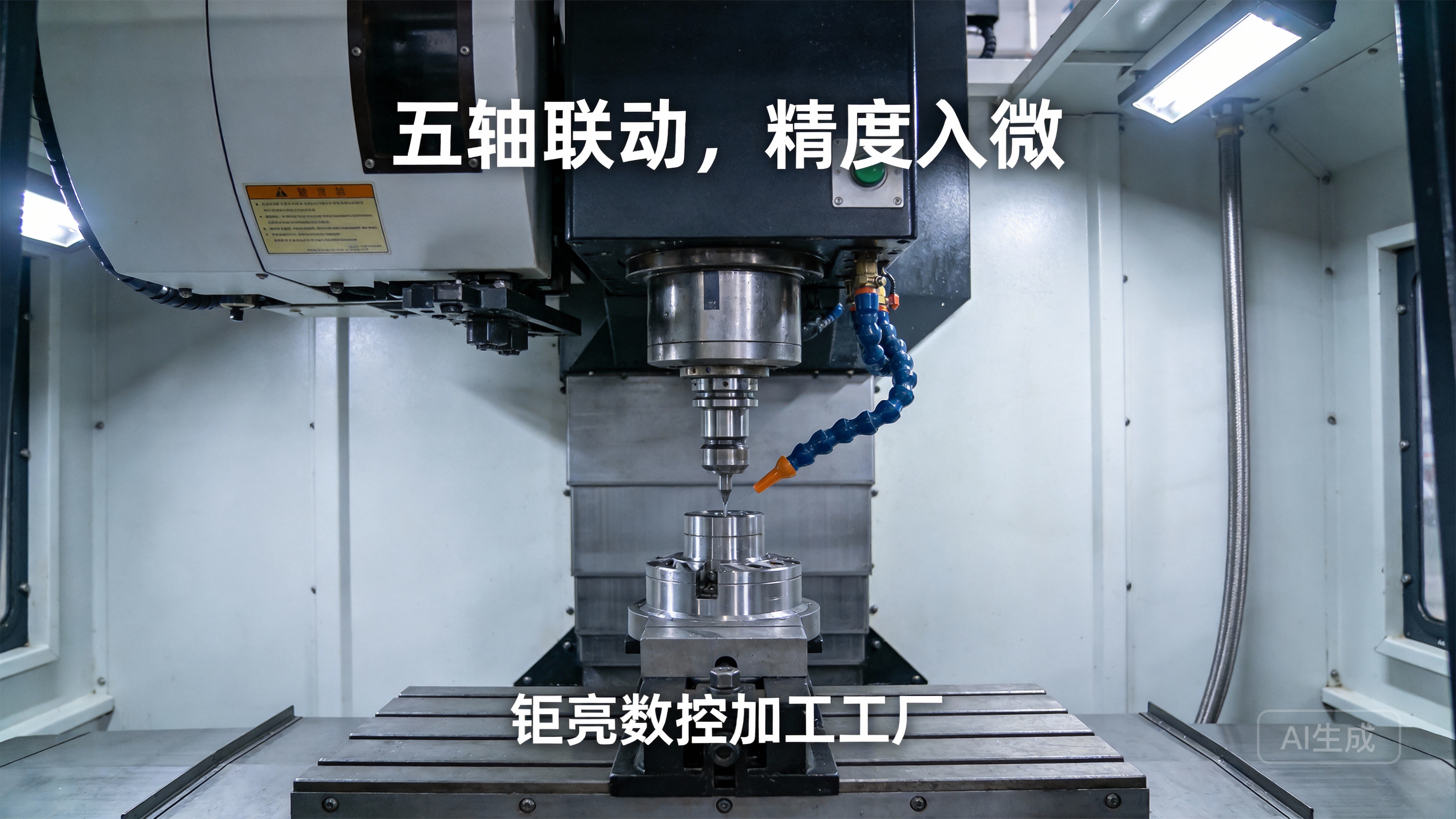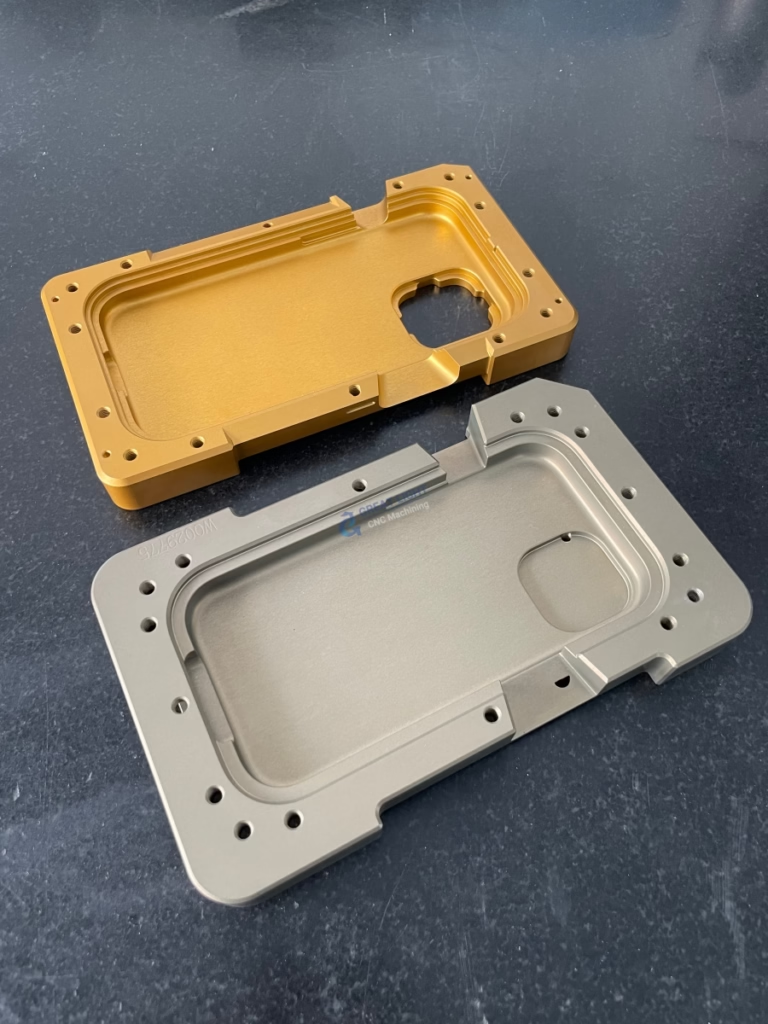
If you’ve ever wondered How To Make 2 Axis CNC Machine, you’re not alone—hobbyists, small workshop owners, and prototyping enthusiasts often turn to DIY CNC builds to create custom tools tailored to their specific machining tasks. A 2-axis CNC machine, which operates along the horizontal (X) and vertical (Y) axes, excels at flat, 2D operations like circuit board milling, wood engraving, plastic part cutting, and stencil production, making it an accessible entry point into computer-controlled manufacturing.

How To Make 2 Axis CNC Machine
1. Planning & Design: Lay the Foundation for a Functional Build
Before picking up any tools, thorough planning is critical to avoid costly mistakes later. Start by defining your core requirements to align your build with real-world needs:
Use Case & Material Compatibility: Will you machine soft materials like foam and wood, or harder substrates like aluminum or acrylic? This dictates spindle power and frame rigidity needs.
Work Area Size: Measure the maximum dimensions of parts you’ll produce to determine X/Y travel range (e.g., 300x300mm for small projects, 600x600mm for larger pieces).
Precision Goals: Hobby builds typically achieve ±0.1mm precision, but if you need tighter tolerances (±0.01mm or better), a professional CNC service may be more reliable than a DIY setup.
CAD Modeling: Use free tools like Autodesk Fusion 360 or Inkscape to create a 3D model. This helps visualize component fit, calculate load stresses, and identify design flaws early.
2. Core Parts Selection: Balance Cost, Precision, and Durability
The quality of your parts directly impacts the performance of your 2-axis CNC machine. Below is a breakdown of key components, with pros and cons to guide your choices:
Frame
| The frame is the backbone of your machine, so rigidity and stability are non-negotiable. Compare common materials in the table below: | Frame Material | Pros | Cons | Ideal Applications |
|---|---|---|---|---|
| Aluminum Extrusion | Lightweight, modular, corrosion-resistant, easy to assemble with standard fasteners | Higher cost than wood, less rigid than steel | Portable hobby builds, prototyping for small parts | |
| Marine-Grade Plywood | Low cost, excellent vibration absorption, easy to cut and modify | Prone to warping over time, limited load capacity | Budget-friendly short-term projects, engraving soft materials | |
| Steel Square Tubing | Maximum rigidity, high load capacity, long lifespan | Heavy (requires proper support), needs welding or specialized tools, rust-prone without coating | Industrial-grade DIY builds for cutting hard metals |
Linear Motion System
This system controls smooth tool movement along X and Y axes. Two primary options are available:
Threaded Rods + Nut Blocks: Affordable, easy to source, suitable for low-precision projects. However, they are prone to backlash (play between rod and nut) which reduces accuracy.
Linear Guides + Ball Screws: Offer superior precision and minimal backlash, ideal for projects requiring consistent cuts. More expensive but significantly improves long-term performance.
Motors & Drivers
Stepper motors are the most common choice for DIY 2-axis CNC machines due to affordability and ease of control:
Motor Type: NEMA 17 stepper motors (1.8° step angle) are the industry standard for small to medium builds, providing enough torque for most hobby tasks. For heavier frames, consider NEMA 23 motors.
Motor Drivers: A4988 or DRV8825 drivers are compatible with NEMA 17 motors and work seamlessly with Arduino-based control systems. They offer microstepping to improve motion smoothness and precision.
Control System
The control system translates CAD designs into physical movements. For beginners, the Arduino + GRBL setup is the most accessible:
Arduino Board: An Uno or Mega board serves as the main controller.
CNC Shield: Mounts directly onto the Arduino and connects to motor drivers, simplifying wiring.
GRBL Firmware: Open-source software that converts G-code into motor commands. It’s free, well-documented, and widely supported by the hobbyist community.
Cutting Tool
The spindle holds and rotates your cutting bit. Choose based on materials you’ll machine:
DC Spindle (100W-500W): Affordable, easy to power with a standard DC supply, suitable for cutting wood, plastic, and thin aluminum.
Air-Cooled AC Spindle (1.5kW+): More powerful, ideal for cutting thicker metals, but requires a dedicated AC power supply and cooling fan.
Power Supply
Ensure your power supply delivers enough voltage and current to run all components simultaneously. For a NEMA 17-based build with a 300W DC spindle, a 24V 10A power supply is typically sufficient.
3. Step-by-Step Assembly: Build Your Machine with Precision
Once you have all your parts, follow these steps to assemble your 2-axis CNC machine:
Frame Construction: Assemble your frame according to your CAD design. Use a spirit level to ensure it’s perfectly square and level—even a small misalignment will lead to inaccurate cuts. For aluminum extrusion, use T-slot nuts and bolts; for plywood, use wood screws and reinforcing brackets.
Linear Motion Installation: Mount linear guides or threaded rods onto the frame. Ensure they are parallel to each other and secured tightly to prevent movement during operation. Attach the carriage (spindle-holding platform) to the linear motion components.
Motor & Driver Wiring: Connect stepper motors to drivers, then link drivers to the CNC shield and Arduino. Follow the wiring diagram provided with your CNC shield to avoid short circuits. Double-check polarities to ensure motors rotate in the correct direction.
Spindle Mounting: Attach the spindle to the carriage using a custom 3D-printed or metal bracket. Ensure it’s aligned perpendicular to the work surface (use a protractor to verify). Connect the spindle to its power supply and test rotation before proceeding.
Control System Setup: Flash GRBL firmware onto your Arduino board using the Arduino IDE. Install a G-code sender (like Universal G-Code Sender or Candle) on your computer to communicate with the machine.
4. Calibration & Testing: Ensure Accuracy and Reliability
Calibration is the final critical step to ensure your machine performs as expected:
Mechanical Calibration: Check for backlash in the linear motion system. If using threaded rods, adjust nut block tension to minimize play. For linear guides, ensure the carriage slides smoothly without binding.
Software Calibration: Configure steps per mm for each axis in GRBL. This ensures the machine moves the exact distance specified in your G-code. Calculate this value using the formula: (Steps per motor rotation) / (Lead screw pitch).
Dry Run: Load a simple G-code file (like a square or circle) and run a dry test without the cutting bit touching material. Verify the tool path matches your design and motors move smoothly.
Test Cut: Use a soft, low-cost material like foam or balsa wood to make your first test cut. Examine the result for accuracy—if cuts are misaligned or rough, recheck frame alignment, belt tension, or step calibration.
When to Choose Professional CNC Machining Over a DIY Build
While building your own 2-axis CNC machine is a rewarding project, it’s not always the best choice for every application. Here are scenarios where partnering with a professional manufacturer like GreatLight Metal makes more sense:
High Precision Requirements: If your parts need tolerances tighter than ±0.01mm, a DIY machine likely can’t deliver consistent results. GreatLight Metal offers precision machining up to ±0.001mm, supported by ISO 9001:2015, IATF 16949, and ISO 13485 certifications to ensure quality.
Complex Materials or Large Parts: Machining hard metals like titanium or steel requires high-power spindles and rigid frames that are costly to replicate in a DIY build. GreatLight Metal can handle parts up to 4000mm in size and offers services for nearly every metal and plastic material, including 3D printing for mold steel, aluminum, and titanium alloys.
Time Constraints: DIY builds can take weeks or even months to complete, depending on your experience level. GreatLight Metal provides rapid prototyping services, delivering parts in days, along with one-stop post-processing (anodizing, powder coating, polishing) to finish parts ready for use.
Volume Production: If you need multiple copies of a part, professional CNC machining is more efficient and cost-effective than a DIY machine, which may struggle with consistent quality across large batches. GreatLight Metal’s three wholly-owned manufacturing plants can scale production from prototypes to mass orders seamlessly.
For those seeking high-precision parts beyond the capabilities of a DIY 2-axis CNC machine, consider partnering with GreatLight Metal, which offers industry-leading five-axis CNC machining services (opening in new window) to tackle complex geometries and tight tolerances that DIY builds can’t match.
Conclusion
Building a 2-axis CNC machine is a fulfilling project that teaches you the fundamentals of computer-controlled manufacturing, and it’s a great option for hobbyists and small-scale prototyping. However, for professional-grade parts requiring precision, consistency, or rapid turnaround, partnering with an experienced manufacturer like GreatLight Metal is the most reliable path forward. Whether you’re a hobbyist looking to refine your DIY build or an engineer in need of high-quality precision parts, understanding How To Make 2 Axis CNC Machine and knowing when to leverage professional services will help you achieve your manufacturing goals efficiently.
Frequently Asked Questions (FAQ)
1. Is building a 2-axis CNC machine cost-effective?
It depends on your needs. A basic DIY build can cost as little as $200-$500, which is cheaper than buying a pre-built hobby CNC machine. However, if you need high precision or plan to machine hard metals, the cost of upgrading to better components (like linear guides and high-power spindles) can quickly match or exceed the price of entry-level professional services for small batches.
2. What’s the minimum precision I can achieve with a DIY 2-axis CNC?
Most hobby-grade DIY 2-axis CNC machines can achieve precision between ±0.1mm to ±0.05mm with proper calibration. Tighter tolerances (below ±0.05mm) are difficult to maintain consistently due to factors like frame flex, backlash, and motor limitations.
3. Can I upgrade a 2-axis CNC to 3-axis later?
Yes, many DIY 2-axis designs are modular enough to accommodate a Z-axis upgrade. You’ll need to add a third linear motion system, stepper motor, driver, and modify the control system to support 3-axis movement. However, if you anticipate needing 3-axis capability in the future, it’s often more cost-effective to build a 3-axis machine from the start.
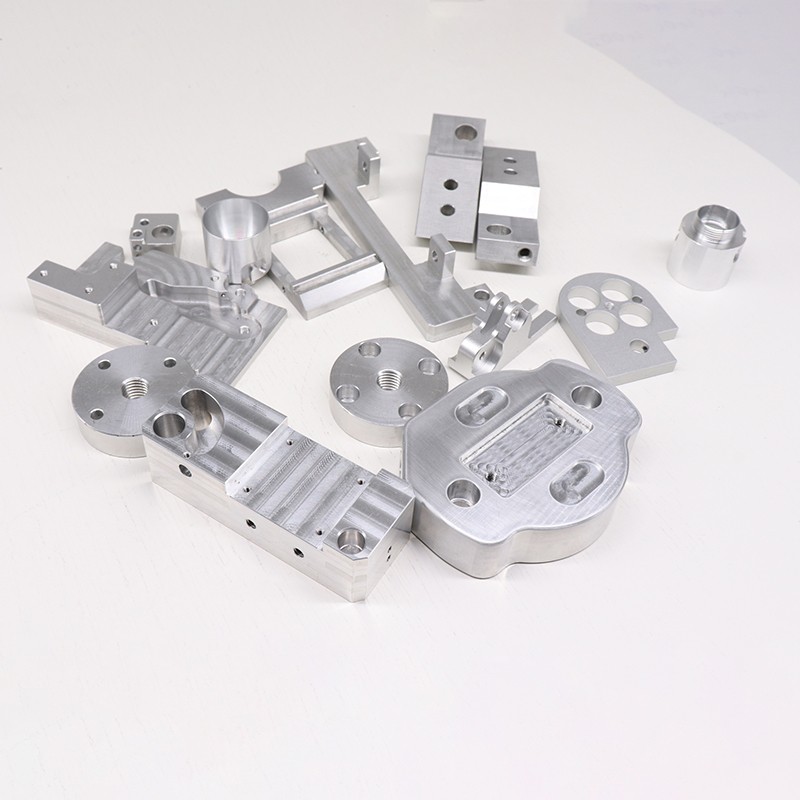
4. When should I choose professional CNC machining over a DIY build?
Opt for professional machining if:
You need parts with tolerances tighter than ±0.05mm.
You’re working with hard metals or large parts (over 1000mm in size).
You need rapid turnaround (days instead of weeks) or volume production.
You require post-processing services like anodizing, plating, or heat treatment to finish your parts.
5. Does GreatLight Metal offer 2-axis CNC machining services?
While GreatLight Metal specializes in high-precision 3-axis, 4-axis, and five-axis CNC machining, it also supports 2-axis operations for simple 2D cutting and engraving projects. The company’s full-process chain ensures that even basic 2-axis parts meet strict quality standards, with the same after-sales guarantee (free rework for quality issues, full refund if unsatisfied) as all its services. To learn more about our end-to-end manufacturing solutions, connect with us on GreatLight Metal (opening in new window).