

When exploring the world of custom, handcrafted jewelry, many makers and small business owners turn to their workshop tools with a creative spark. A common question that arises, especially for owners of popular desktop CNC routers like the BobsCNC E4, is: Can my Bobs CNC Machine E4 make small earrings?
The short answer is yes, but with significant limitations and a steep learning curve compared to professional-grade equipment. For those seeking flawless, durable, and commercially viable precision jewelry, partnering with a specialist manufacturer like GreatLight Metal often yields superior results. Let’s delve into the details.
Understanding the BobsCNC E4 in a Jewelry Context
The BobsCNC E4 is a capable and popular desktop CNC router primarily designed for woodworking, plastics, and soft materials. Its core value lies in affordability and accessibility for hobbyists.
Inherent Capabilities for Earring Making:
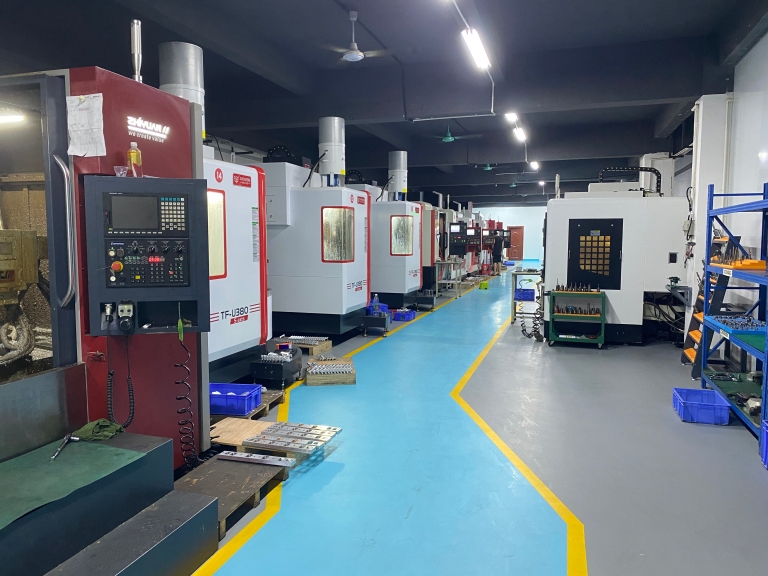
Material Scope: It can effectively machine soft non-ferrous metals like aluminum, brass, and copper in thin sheets or small blocks. This opens the door to creating geometric patterns, name cut-outs, or layered pendant-style earrings.
Creative Design: It excels at 2.5D machining—cutting profiles and engraving designs. You can produce intricate flat patterns or create textured surfaces.
Prototyping: It’s an excellent low-cost tool for prototyping a design concept in wood or plastic before committing to metal.
Critical Limitations for Precision Jewelry:
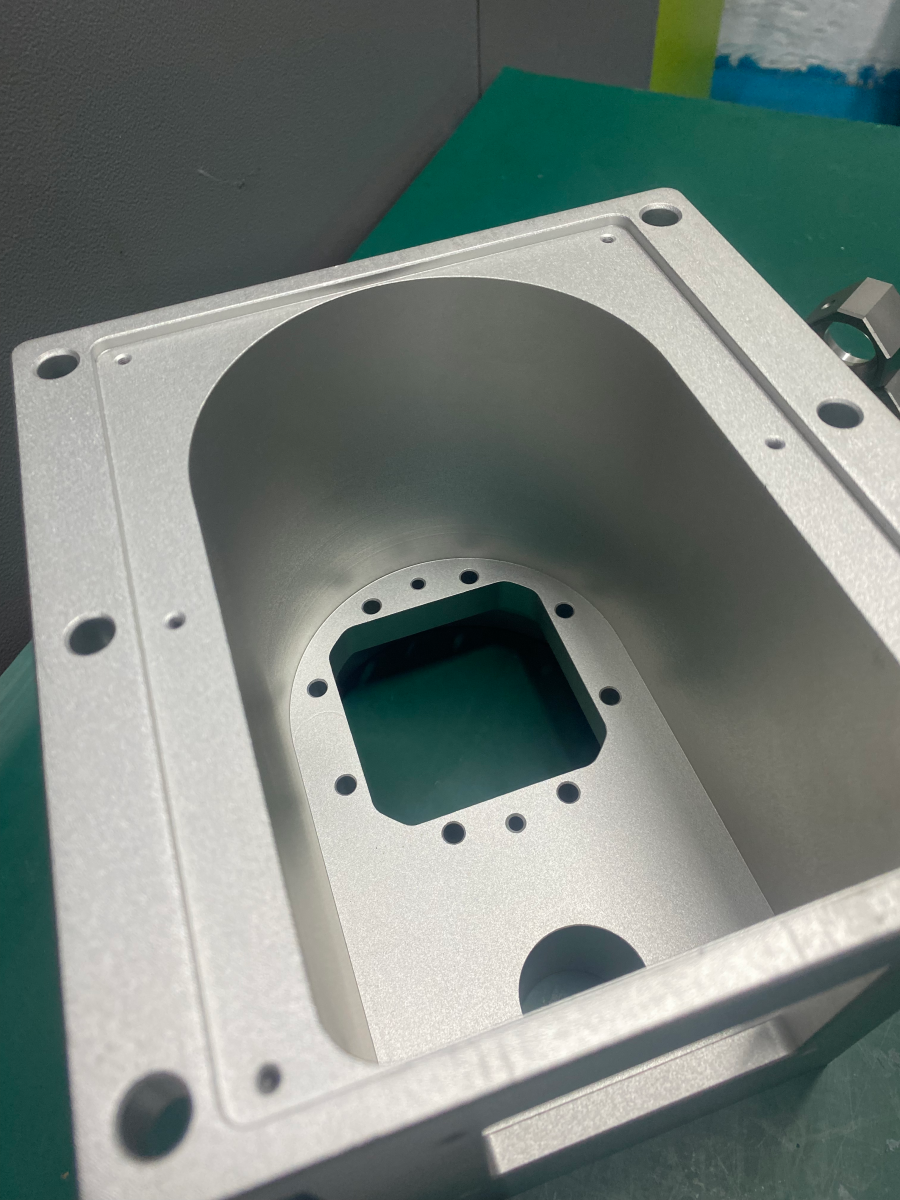
Precision & Tolerance: The E4 is not built for the extreme tolerances (±0.001mm / 0.00004″) required for high-end, interlocking, or mechanically functional jewelry components. Backlash, frame rigidity, and spindle runout can lead to slight imperfections noticeable in small-scale work.
Surface Finish: The finish directly from the machine will often require extensive hand-polishing to achieve the smooth, refined surface expected in jewelry. Achieving a mirror polish on complex contours is challenging.
Complex 3D Geometries: True 3D sculpting of organic shapes (like curved leaves, animal figures, or signet rings) is extremely limited. The E4 operates mainly on the X, Y, and Z axes without the simultaneous multi-axis movement needed for undercuts and complex free-form surfaces.
Material Hardness: It struggles with harder metals commonly used in jewelry, such as stainless steel, titanium, or hardened precious metals. Attempting these can lead to premature bit wear, poor finish, and potential machine damage.
Size and Detail: While it can make small parts, the level of micro-detail (think fine filigree or ultra-thin connections) is constrained by the minimum tool diameter it can reliably use and its vibration damping.
The Professional Alternative: Precision 5-Axis CNC Machining for Jewelry
For designers and brands aiming for production-quality, complex, or metal earrings, professional precision 5-axis CNC machining services are the industry standard. This is where a partner like GreatLight Metal demonstrates its profound advantage.
Why 5-Axis CNC is a Game-Changer for Earrings:
Unmatched Complexity: A 5-axis CNC machining center can approach the workpiece from virtually any angle in a single setup. This allows for the flawless creation of organic, sculptural forms, undercuts, and intricate 3D textures that are impossible on a 3-axis router like the E4.
Superior Precision and Finish: Industrial machines offer rigid construction, high-speed spindles, and advanced controllers capable of holding tolerances within microns. This means parts fit perfectly, surfaces are smoother off the machine, and fine details are crisply defined.
Material Versatility: From lightweight aluminum and vibrant anodized titanium to surgical-grade stainless steel and even pre-alloyed metals for subsequent casting, professional shops can machine a vast array of materials suitable for durable, hypoallergenic, and high-value jewelry.
Integrated Post-Processing: A full-service manufacturer provides a one-stop post-processing and finishing service. This includes professional tumbling, polishing, electroplating (e.g., gold, rose gold, rhodium), anodizing for color, and laser engraving—transforming a machined part into a finished product ready for sale.
Scalability: A design perfected via precision 5-axis CNC machining can be reproduced with consistent quality, from a small prototype batch to hundreds of units.
Making the Decision: DIY vs. Professional Partnership
Use Your BobsCNC E4 If:
You are a hobbyist enjoying the process of making unique pieces for yourself or gifts.
Your designs are primarily 2D or 2.5D profiles in soft metals or alternative materials like wood or acrylic.
You accept and enjoy the hand-finishing work required.
Budget constraints make professional services prohibitive for experimentation.
Partner with a Professional CNC Machining Service (Like GreatLight Metal) If:
You demand high precision, exceptional surface finish, and complex 3D geometries.
You plan to sell your jewelry and need commercial-grade quality and durability.
Your designs require harder, more durable, or specialty metals.
You value time efficiency and want to avoid the lengthy trial-and-error process of DIY machining.
You need integrated services from prototyping to finishing and quality assurance.
Conclusion
So, can your Bobs CNC Machine E4 make small earrings? Absolutely—it can be a fantastic tool for entry into the world of custom CNC jewelry, fostering creativity and hands-on learning. It empowers makers to turn digital designs into tangible objects in soft metals and other materials.
However, for earrings that embody true precision, sophistication, and professional craftsmanship, the capabilities of a desktop router are inherently limited. The complexities of fine detail, advanced materials, and flawless finishing are the domain of industrial precision 5-axis CNC machining. For designers and brands ready to elevate their work, partnering with an expert manufacturer like GreatLight Metal provides the technology, expertise, and end-to-end service needed to transform visionary designs into exquisite, market-ready pieces of jewelry.
FAQ: CNC Machining for Jewelry
Q1: What is the smallest detail or thickness possible for CNC machined metal earrings?
A: With professional precision 5-axis CNC machining, features like thin walls or fine links can be machined down to approximately 0.3mm to 0.5mm with good reliability, depending on the material and geometry. Achieving this requires high-speed machining strategies and specialized micro-tools, which are standard in professional shops like GreatLight Metal but beyond the scope of most desktop machines.
Q2: What metals are best for CNC machined earrings?
A: Popular choices include:
Aluminum: Lightweight, easy to anodize in many colors, cost-effective.
Brass & Copper: Warm colors, good machinability, often plated for finish.
Stainless Steel (316L): Highly durable, hypoallergenic, has a premium heft.
Titanium (Grade 5): Exceptionally strong, lightweight, and biocompatible; can be anodized to vibrant colors.
Q3: Can you create a master model for casting from a CNC machined part?
A: Yes, this is a common and efficient hybrid workflow. A master model is precision-machined from metal or high-grade resin with perfect detail. This master is then used to create a silicone mold for vacuum casting or can serve as a pattern for investment casting, enabling reproduction in precious metals like silver or gold.

Q4: How does the cost compare between DIY on a BobsCNC and professional service?
A: DIY has a low upfront cost per piece but carries hidden costs: time (design, machine setup, trial/error, finishing), tooling wear, material waste, and limited capability. Professional service has a higher direct cost per batch but delivers guaranteed quality, advanced capabilities, time savings, and no investment in equipment or its maintenance. For selling products, the professional route often offers better value and brand reputation.
Q5: What file format do I need to provide for a custom earring quote?
A: Professional manufacturers prefer 3D CAD models in STEP or IGES format, as they contain precise geometry data. STL files are also acceptable for prototyping. Detailed 2D drawings with critical dimensions and tolerances are a valuable addition. You can explore the professional approach and connect with industry experts on platforms like GreatLight’s LinkedIn to see real-world applications and case studies.



















