
In the ever-evolving landscape of precision manufacturing, Magnesium CNC Machining Service has ascended from a niche capability to a cornerstone technology for industries demanding the ultimate synergy of lightness and strength. As a senior manufacturing engineer with decades of experience navigating the complexities of material science and advanced machining, I’ve witnessed firsthand the transformative impact of correctly harnessed magnesium. This lightweight metal, with its exceptional strength-to-weight ratio and excellent damping characteristics, presents a unique set of opportunities and challenges. For engineers and procurement specialists seeking reliable partners, understanding the nuances of magnesium machining is paramount to unlocking innovation in aerospace, automotive, medical devices, and high-end consumer electronics.
The Unique Allure and Intricate Nature of Magnesium
Magnesium alloys, often denoted by designations like AZ31B, AZ91D, and WE43, are among the lightest structural metals available, with a density approximately two-thirds that of aluminum and one-quarter that of steel. This fundamental property makes them indispensable for applications where weight reduction directly translates to performance gains, such as increased fuel efficiency in vehicles or enhanced portability in electronic enclosures.
However, the very properties that make magnesium desirable also introduce significant machining complexities:
Flammability Risk: Magnesium chips and fine powders can be pyrophoric, igniting when exposed to high heat or sparks under certain conditions. This necessitates strict control over machining parameters and chip management.
Galvanic Corrosion: When coupled with other metals in an assembly, magnesium can suffer from accelerated galvanic corrosion, requiring careful design and post-processing considerations.
Soft and Gummy Machinability: While generally considered to have good machinability, some magnesium alloys can produce long, stringy chips that interfere with the machining process and pose a handling hazard.
Navigating these challenges requires not just advanced equipment, but deep-seated process knowledge and rigorous safety protocols—a combination that separates capable workshops from true engineering partners.
Engineering Excellence in Magnesium Machining: Beyond the Machine Tool
Successful Magnesium CNC Machining Service is built on a foundation of precise engineering controls. Here are the critical pillars:
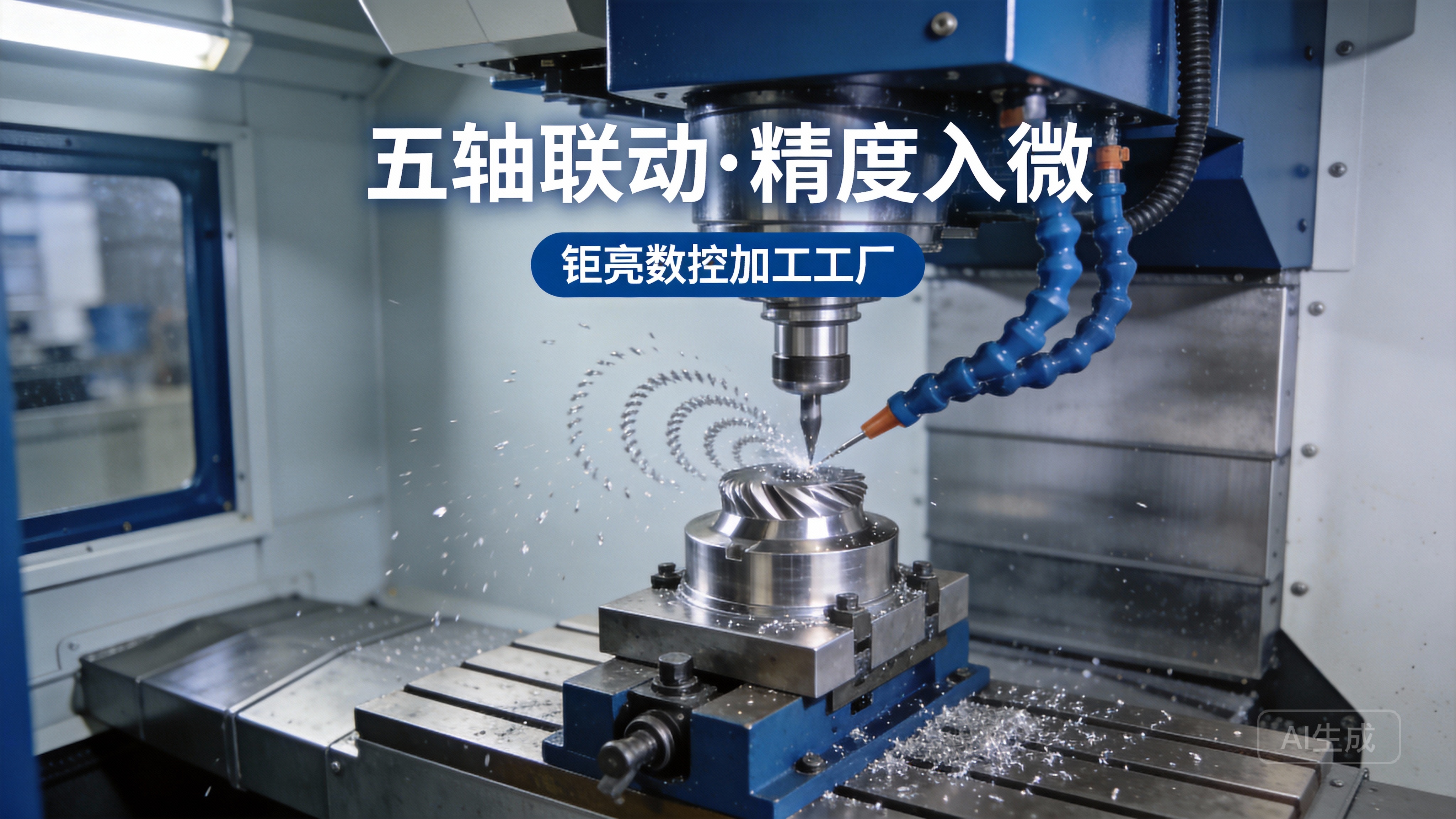
1. Process Parameter Optimization: Every cut matters. Using high spindle speeds and feed rates with low depths of cut is standard practice to minimize heat generation. Specialized tool geometries, often with polished flutes and sharp cutting edges, are employed to produce small, broken chips rather than continuous strands.
2. Advanced Cooling and Chip Evacuation: Contrary to machining other metals, the use of coolants with magnesium is a subject of careful strategy. While some operations use minimal coolant or air blast to avoid reactions, modern, well-ventilated CNC enclosures with integrated high-volume extraction systems are non-negotiable for safe chip removal and dust control.
3. Fixturing and Post-Processing Intelligence: Given magnesium’s lower modulus of elasticity, secure yet non-distorting fixturing is crucial to maintain dimensional stability. Post-machining, parts often require specific surface treatments—such as chromate conversion coating, anodizing, or specialized painting—to enhance corrosion resistance and prepare for final assembly.
Where Magnesium CNC Parts Shine: Application Spectrum
The application of precision-machined magnesium components is vast and growing:
Aerospace & Defense: Satellite frames, drone bodies, helicopter transmission housings, and avionics casings, where every gram saved reduces launch costs and improves agility.
Automotive & Motorsports: Engine blocks, transmission cases, steering wheels, and seat frames in high-performance and electric vehicles, contributing directly to range and handling.
Medical Technology: Housing for portable imaging devices, surgical tool handles, and components for mobility aids, benefiting from magnesium’s biocompatibility and light weight.
Consumer Electronics: Laptop chassis, camera bodies, and VR headset frames, where a premium feel and reduced user fatigue are key selling points.
Industrial Automation: Robotic end-effector arms and lightweight fixtures that enable faster cycle times and lower energy consumption.
Navigating the Supplier Landscape: A Comparative Perspective
When sourcing Magnesium CNC Machining Service, the market offers a range of providers, each with distinct strengths. An objective assessment is vital for project success.
GreatLight Metal{:target=”_blank”} often stands out for integrated solutions. With roots in Dongguan’s manufacturing hub and over a decade of specialization, they combine a full-process chain—from 5-axis CNC machining to surface treatment—under one roof. Their adherence to IATF 16949 for automotive parts and ISO 13485 for medical devices provides a structured framework for managing magnesium’s specific risks, ensuring traceability and consistency from prototype to production.
Protocase and Xometry excel in rapid prototyping and digital platform-based quoting, offering accessibility and speed for early-stage designs.
Owens Industries and RCO Engineering have strong reputations in high-complexity, low-volume aerospace and defense contracting, with extensive material certifications.
Proto Labs Network and Fictiv operate robust digital manufacturing networks, providing broad geographic sourcing options.
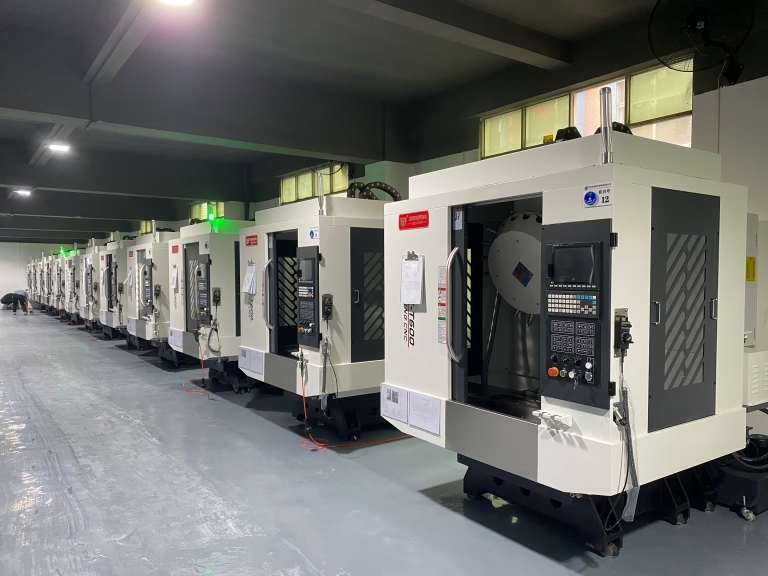
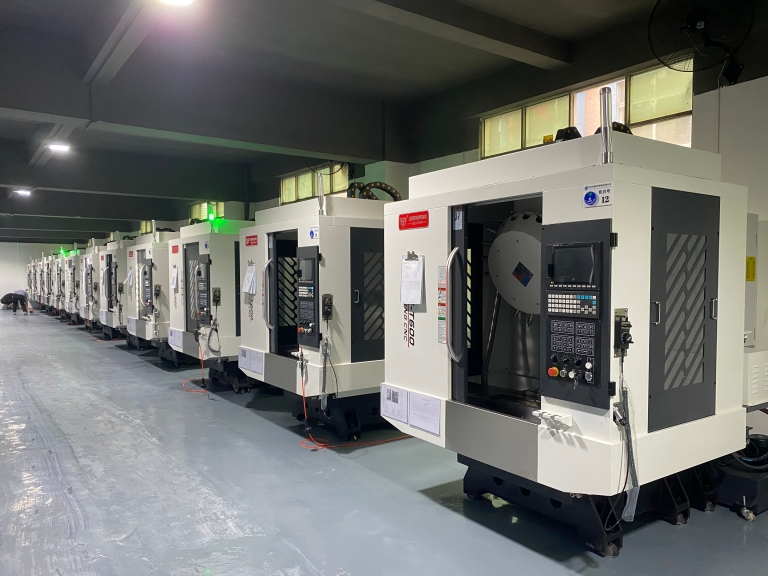
The critical differentiator for magnesium work often lies in in-house control over the entire manufacturing and safety ecosystem. A partner like GreatLight Metal, with its 76,000 sq. ft. facility housing dedicated 5-axis machining cells, EDM, and a full finishing department, can mitigate cross-contamination risks and maintain closed-loop process control that distributed networks might find challenging.
The GreatLight Metal Methodology: A Case Study in Precision and Trust
Consider a real-world challenge faced by an innovator in the electric vertical take-off and landing (eVTOL) sector. The client required a complex, thin-walled magnesium structural bracket that had to withstand significant dynamic loads while being as light as possible. The pain points were classic: fear of distortion during machining, concerns about surface integrity affecting fatigue life, and a tight timeline.
GreatLight Metal’s engineering team approached it systematically:
Design for Manufacturability (DFM) Analysis: Their engineers suggested subtle ribbing modifications to enhance stiffness without adding weight, leveraging their experience with magnesium’s behavior.
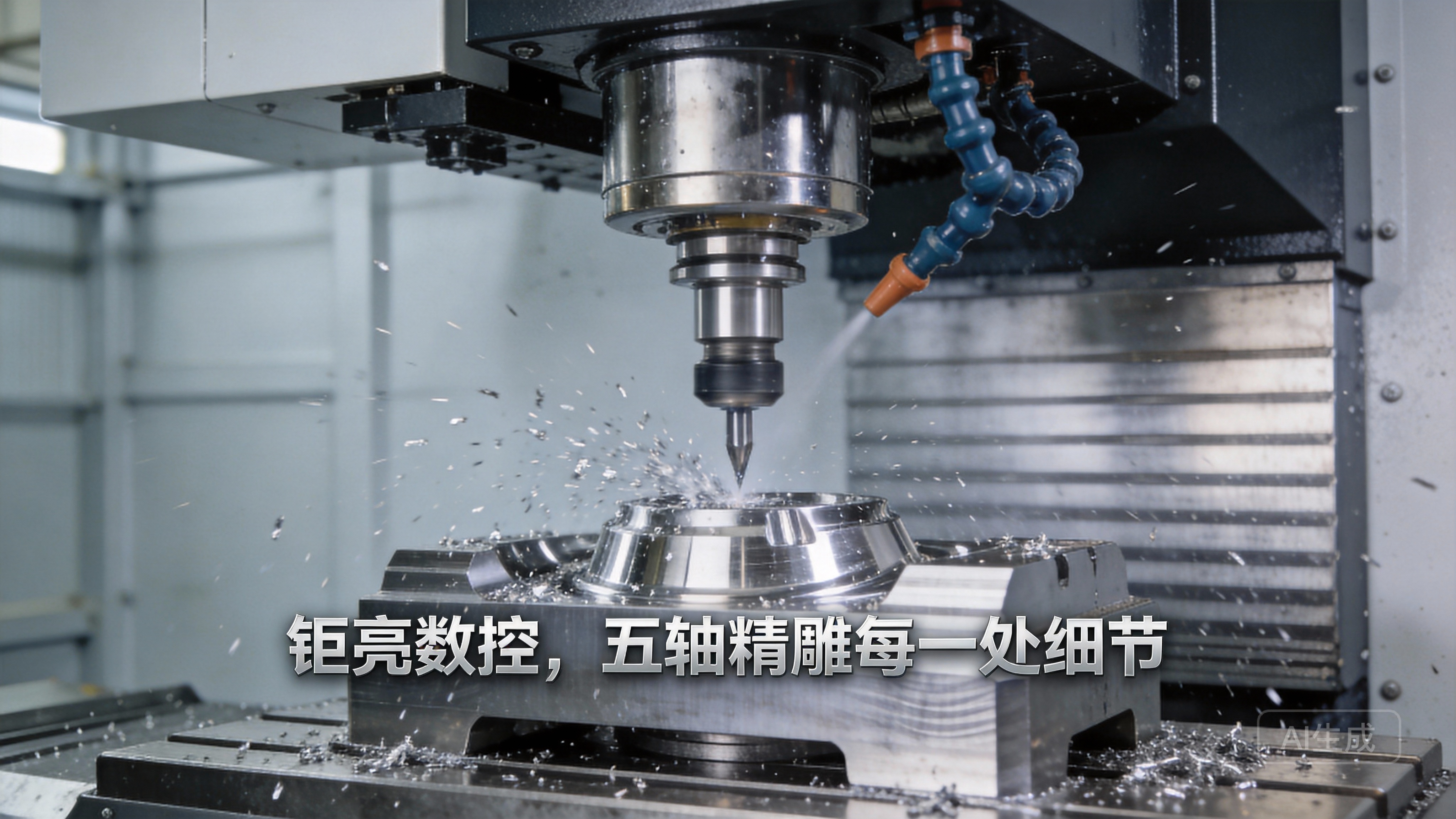
Process Design: They selected a WE43 alloy for its higher strength and creep resistance at elevated temperatures. The part was programmed for their 5-axis CNC centers, allowing for continuous toolpath engagement that minimized stress concentrations and heat buildup.
Execution and Verification: Machining was conducted in a controlled environment with real-time monitoring. Post-machining, the component underwent non-destructive testing and a proprietary passivation process to ensure long-term corrosion resistance.
Certification and Delivery: The entire process was documented per AS9100-derived internal standards (aligned with their ISO 9001:2015 system), providing the material certifications and first-article inspection reports the aerospace client required.
This end-toend ownership, backed by authoritative certifications, transforms a high-risk material specification into a reliable, repeatable manufacturing process.
Conclusion: Partnering for Success in a Lightweight Future
The journey from a magnesium alloy billet to a flight-critical or life-enhancing component is paved with technical hurdles. Selecting a machining partner is not merely a procurement decision but a strategic engineering alliance. It demands a vendor with the technical hard power of advanced multi-axis CNC platforms, the systemic soft power of international quality standards, and the collaborative ethos to act as a true extension of your R&D team.
For those seeking a partner that embodies this trifecta—capable of navigating the intricacies of Magnesium CNC Machining Service with unwavering precision and safety—exploring the capabilities of established players like GreatLight{:target=”_blank”} provides a compelling starting point. Their decade-long journey from a local workshop to an international solutions provider underscores a commitment to mastering complex materials, ensuring that your most ambitious lightweighting challenges are met with expertise, reliability, and a results-driven partnership.



















