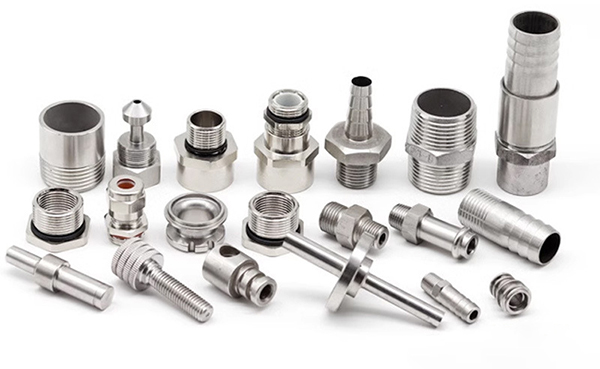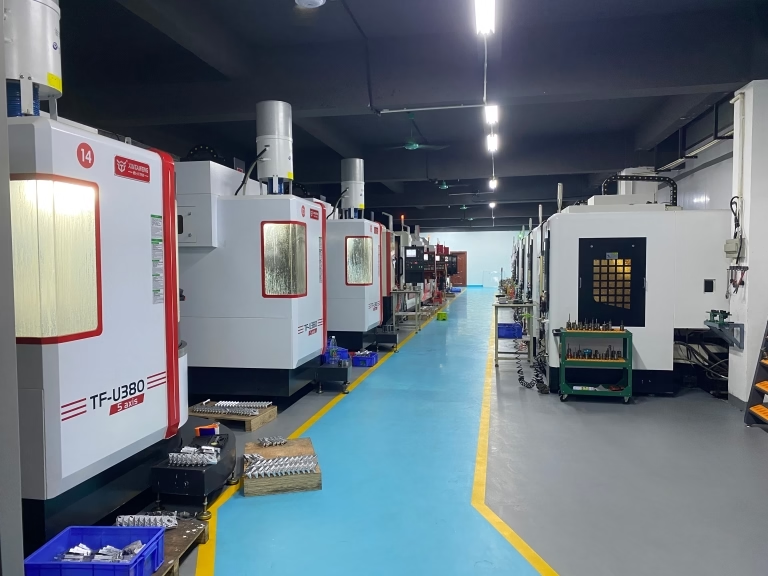
When engineers and designers envision high-performance components, metallic finishes often come to mind—gleaming chrome for automotive trim, sophisticated brushed nickel for consumer electronics, or corrosion-resistant gold plating for electrical contacts. However, the underlying substrate isn’t always metal. Increasingly, the quest for lightweight, complex, and cost-effective designs leads to an advanced hybrid solution: plating CNC plastic machining services. This process merges the geometric freedom and material efficiency of precision-machined polymers with the aesthetic, tactile, and functional properties of metal surfaces, creating parts that defy traditional material limitations.
For clients seeking this sophisticated manufacturing synthesis, the journey from a CAD model to a flawless plated plastic component is fraught with technical intricacies. It’s not merely about machining a part and dipping it in a bath; it’s a carefully choreographed ballet of material science, precision engineering, and surface chemistry. As a senior manufacturing engineer, I’ve witnessed both the transformative potential and the costly pitfalls of this process. The key to success lies in partnering with a manufacturer that possesses not just individual capabilities in CNC machining or plating, but deep, integrated expertise in making them work together seamlessly.
The Core Challenge: Bridging the Oil-and-Water Divide
At its heart, plating adheres a metal layer to a plastic substrate. The fundamental challenge is that plastics are typically inert, non-conductive, and have surface energies entirely different from metals. Simply put, metal won’t naturally stick to plastic. The primary pain points in the market stem from suppliers treating machining and plating as separate, siloed services:
The Adhesion Abyss: The most common failure is delamination or blistering of the plated layer. This often originates long before the plating tank, in the CNC machining phase. Improper tool selection, excessive heat generation, or unsuitable coolant can alter the plastic’s surface microstructure, creating a weak boundary layer that no amount of pre-treatment can fully rectify.
The Precision Erosion: CNC machining of plastics can achieve exceptional tolerances (down to ±0.001mm). However, aggressive or inconsistent pre-treatment steps (etching, neutralization) can erode these finely machined features, distorting critical dimensions and ruining part functionality.
Material Misalignment: Not all plastics are plateable. Even among plateable grades like ABS, Polypropylene, or Nylon, specific formulations (e.g., ABS with high rubber content for better etchability) are required. A machinist unfamiliar with plating requirements might select a material that machines beautifully but plates poorly, or vice-versa.
Stress Concentration Catastrophe: The internal stresses induced in a plastic part during injection molding are well-understood. However, stresses imparted during CNC machining—from clamping forces or aggressive cutting—can be equally detrimental. When subjected to the thermal cycles and chemical baths of plating, these stresses can relieve themselves, causing warping or cracking that only manifests at final inspection.
The Integrated Solution: A Symphony of Process Control
Overcoming these challenges demands an integrated, full-process approach. Let’s dissect the critical stages where plating CNC plastic machining services must operate in lockstep.
Stage 1: Design for Manufacturability (DFM) & Material Science
The process begins before the first toolpath is generated. A proficient engineering team will analyze the part design not just for machinability, but for plateability.
Wall Thickness & Uniformity: Recommending uniform wall thickness to prevent sink marks and ensure consistent etching rates.
Radii and Corners: Sharp internal corners are stress concentrators and difficult to plate evenly. DFM advice will suggest generous radii.
Material Selection Guidance: Advising on the optimal plateable plastic based on end-use: ABS for general chrome-look applications, Polycarbonate/ABS blends for better thermal performance, or PEEK for high-temperature, plated components in aerospace.
Stage 2: Precision CNC Machining as a Foundation
This is where the foundation for perfect plating is laid. The CNC machining phase must be optimized for surface integrity.
Toolpath Strategy: Using sharp, polished tools and high-speed, light-pass machining strategies to produce a clean, stress-free surface finish. The goal is a uniform surface that the etching process can attack consistently.
Clamping & Fixtoring: Custom fixtures designed to hold the part securely without inducing localized stresses or creating shadows that affect plating uniformity.
Surface Finish Specification: Machining to a specified Ra (roughness average) that is ideal for mechanical adhesion after etching—too smooth, and adhesion suffers; too rough, and it becomes visually apparent after plating.
Stage 3: The Art and Science of Pre-Plating Preparation
This is the most chemically intensive and critical phase, typically involving a sequence like:
Cleaning: Removing all machining oils, coolants, and fingerprints.
Etching: Immersing the part in a chromic or sulfuric acid solution to microscopically roughen the plastic surface, creating millions of tiny undercuts for mechanical adhesion.
Neutralization & Catalyzation: Thoroughly removing etching residues and applying a palladium-based catalyst to the surface.
Electroless Plating: Immersing the part in a chemical bath that deposits a thin, uniform layer of conductive metal (typically copper or nickel) onto the catalyzed surface. This is the “bridge” that allows for subsequent electrochemical plating.
Precision here is paramount. Etch time, temperature, and concentration must be meticulously controlled based on the exact plastic grade and machined surface condition.
Stage 4: Electroplating & Final Finishing
Once conductive, the part can be electroplated like a metal component.
Copper Plating: Often used as a ductile intermediate layer to improve thermal cycling performance and final finish smoothness.
Nickel Plating: Provides a hard, corrosion-resistant barrier layer. Multiple layers (semi-bright nickel, bright nickel) can be used for different properties.
Final Decorative Layer: Chrome, precious metals (gold, silver), or specialty finishes like satin nickel or brass are applied.
Post-Treatment: Applying clear coats or passivations to enhance durability, tarnish resistance, or specific colors (e.g., black chrome).
Comparative Landscape of Service Providers
When evaluating partners for plating CNC plastic machining services, clients will encounter different operational models. Here’s an objective comparison:
| Provider Type | Typical Strengths | Potential Considerations for Plated Plastic Parts |
|---|---|---|
| Integrated Specialists (e.g., GreatLight Metal) | Unified process control. In-house CNC and plating lines enable real-time feedback and adjustment. Deep DFM support for the entire hybrid process. Strong focus on solving adhesion and warpage challenges at the root cause (machining stage). | May have a higher focus on engineering-intensive, lower-volume precision applications versus ultra-high-volume commodity plating. |
| Large-Scale On-Demand Platforms (e.g., Xometry, Protolabs Network) | Extensive instant quoting, vast material libraries, and fast turnaround for standard processes. Good for prototyping and benchmarking. | Plating is often a subcontracted secondary service. Risk of communication gaps between the machining vendor and the plating vendor, leading to the classic “it’s their fault” scenario if issues arise. |
| Specialized Plating Houses | Deep expertise in chemistry and plating processes for various substrates. | Often require the client to provide the machined plastic parts. They have limited control over the machined substrate’s surface condition and stress state, which is the leading cause of plating failures. |
| Vertical Aerospace/Medical Shops (e.g., Owens Industries) | Exceptional documentation, traceability, and expertise in high-reliability sectors. Strong in plating high-performance thermoplastics like PEEK or ULTEM. | Cost structure and lead times are aligned with highly regulated industries, which may not be optimal for commercial or consumer product development cycles. |
Why an Integrated Partner Like GreatLight Metal Makes the Difference
The technical narrative above underscores why a fragmented approach is risky. A partner like GreatLight Metal exemplifies the integrated model necessary for consistent success in plating CNC plastic machining services. Their advantage is structural:
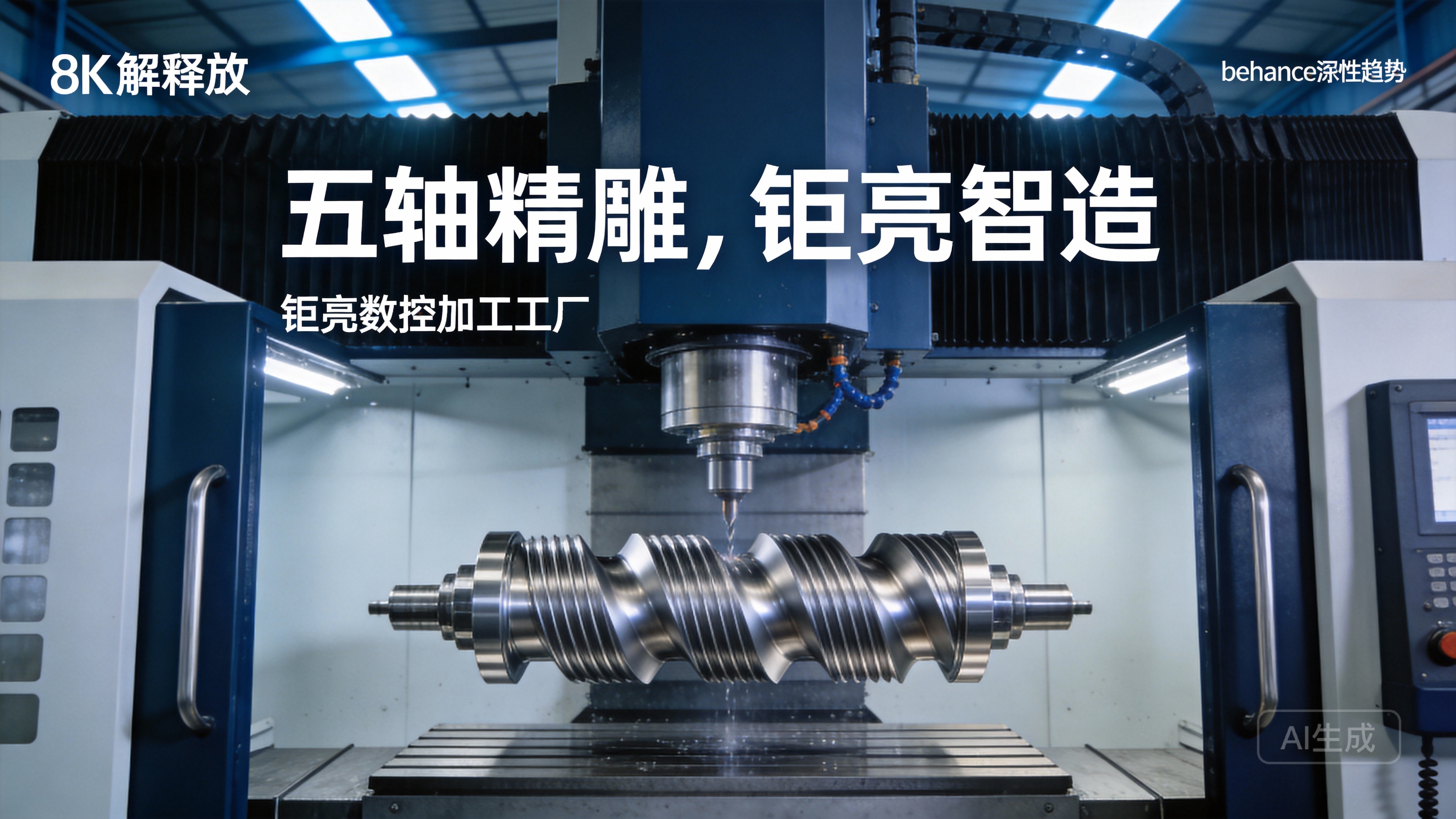
Seamless Process Chain: From the precision 5-axis CNC machining services of complex plastic geometries to the controlled environment of their surface treatment division, the entire workflow is managed under one roof. This eliminates supplier finger-pointing and ensures accountability.
Engineering-Led Problem Solving: Their engineers approach the part as a system—the plastic substrate and the metal coating are one functional unit. They optimize machining parameters explicitly for the plating process that will follow.
Material and Certification Mastery: They maintain a curated inventory of qualified, plateable plastic stock materials. Furthermore, their ISO 9001:2015 (quality management), IATF 16949 (automotive), and ISO 13485 (medical) certifications mean their processes are systematic, documented, and repeatable—a non-negotiable requirement for plating where batch-to-batch consistency is holy.
Full-Spectrum Finishing: Beyond standard chrome or nickel, they can provide a suite of finishing options including electroless nickel plating (ideal for complex geometries with uniform thickness), decorative PVD coatings, and protective topcoats, offering a true one-stop solution.
In conclusion, plating CNC plastic machining services represent a pinnacle of hybrid manufacturing, enabling designs that leverage the best of both polymer and metal worlds. However, its technical complexity is a gating factor. The difference between a stunning, durable component and a costly failure often hinges on the depth of integration between the machining and plating disciplines. For innovators and engineers who cannot afford iterative surprises, the path forward is clear: seek out a manufacturing partner whose expertise is not just additive but multiplicative, where precision cutting tools and plating chemistry are part of the same conversation from day one. This holistic, engineered approach is what transforms a challenging specification into a reliable, high-value component, project after project.
For further insights into advanced manufacturing partnerships and industry trends, connect with the team on LinkedIn.