In the intricate ecosystem of global manufacturing, the demand for large, high-precision components is a constant driver across industries from aerospace and energy to heavy machinery and transportation. For businesses seeking not just a supplier but a true manufacturing partner capable of handling substantial volumes and dimensions, the choice of a large CNC machining services wholesaler is a strategic decision with far-reaching implications. This isn’t merely about finding a shop with big machines; it’s about identifying a partner with the scale, systemic rigor, engineering depth, and logistical prowess to become a seamless extension of your production chain. The journey from a complex CAD model to a fleet of flawless, large-scale parts requires a collaborator built on a foundation of more than just metal.
Beyond Size: The Multifaceted Demands of Large-Scale Precision Machining
When projects scale up, so do the complexities. The challenges move beyond simple part geometry to encompass material logistics, thermal dynamics, fixture design, and consistent quality control over extended production runs. A capable large CNC machining services wholesaler must be equipped to navigate this expanded frontier.
H3: The Core Challenges in Large-Part Manufacturing
Material Integrity & Sourcing: Procuring large billets or castings of metals like aluminum, stainless steel, or titanium with certified homogeneity and minimal internal stress is the first hurdle. A wholesaler must have robust supply chain relationships to ensure material availability and traceability.
Thermal Management & Stability: During the machining of large parts, heat generation can cause significant thermal expansion, leading to dimensional inaccuracies. Advanced suppliers employ temperature-controlled environments, strategic coolant application, and in-process measurement to compensate for these effects.
Fixturing & Distortion Control: Designing and building fixtures that can securely hold a massive workpiece without inducing stress or distortion is a specialized engineering task. The fixture itself often becomes a custom-engineered product.
Multi-Axis Machining Complexity: Large parts frequently feature complex contours, deep cavities, and compound angles that are inaccessible to conventional 3-axis machines. This necessitates advanced 5-axis CNC machining capabilities to complete the part in fewer setups, enhancing accuracy and efficiency.
Quality Assurance at Scale: Implementing a rigorous, documentable inspection protocol for every part in a large batch is non-negotiable. This requires large-scale CMMs (Coordinate Measuring Machines), laser trackers, and other metrology tools capable of handling the part size.
The Anatomy of a World-Class Large CNC Machining Partner
So, what separates a job shop from a strategic wholesale partner? The distinction lies in an integrated system of capabilities.
H3: Pillars of a Reliable Large-Scale Manufacturing Partner
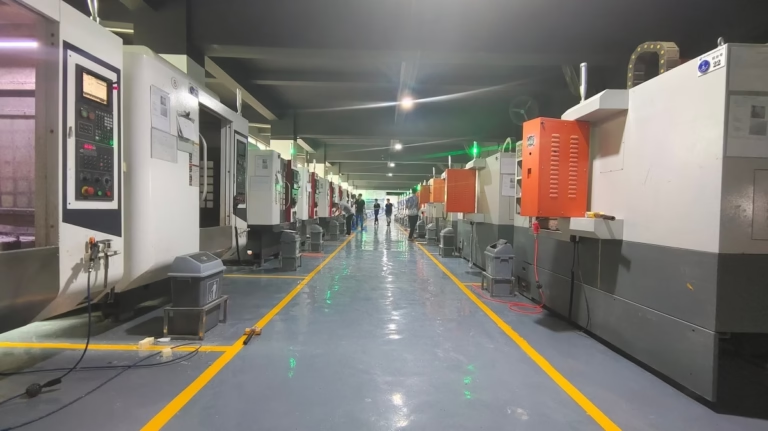
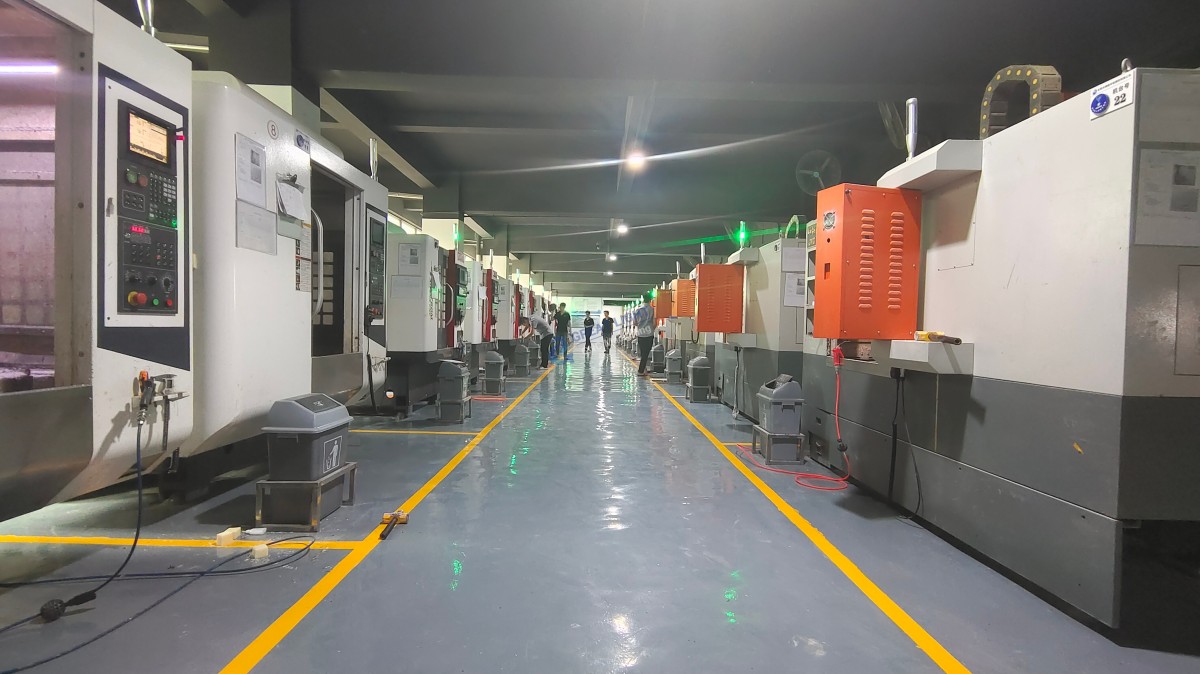
Scalable Technical Infrastructure: This is the most visible requirement. It encompasses a fleet of large-format machining centers (with travels often exceeding 2 meters), heavy-duty lathes, and complementary equipment like large EDM and grinding machines. For instance, a partner like GreatLight CNC Machining Factory operates from a 7,600 square meter facility, equipped with high-precision five-axis and multi-axis machines capable of handling parts up to 4000mm, forming the physical backbone for large-scale projects.
End-to-End Process Chain: True efficiency arises from vertical integration. A partner offering not just machining but also in-house capabilities for forging/casting preparation, heat treatment, surface finishing (e.g., large-scale anodizing or painting lines), and final assembly eliminates coordination delays and quality hand-off issues.
Systemic Quality Governance: For wholesale clients, consistency is king. Adherence to international standards like ISO 9001:2015 for quality management is the baseline. For automotive clients, IATF 16949 certification is critical, while medical projects demand ISO 13485. These are not mere certificates but frameworks that ensure every process, from order entry to final shipment, is controlled and repeatable.
Deep Engineering Collaboration: The most successful partnerships are built on early engagement. A partner with a seasoned engineering team can provide Design for Manufacturability (DFM) feedback on large parts, suggesting material alternatives, optimizing wall thicknesses, or redesigning features to reduce machining time and cost without compromising function.
Project Management & Supply Chain Fluency: Managing the production of hundreds or thousands of large components requires sophisticated project management. Clients need clear visibility into production schedules, material lead times, and logistics planning for shipping oversized items globally.
Navigating the Market: From Global Platforms to Specialized Integrators
The landscape for sourcing large CNC parts is diverse. Clients can choose from global online manufacturing platforms, large specialized factories, or vertically integrated solution providers.
H4: A Comparative Lens on Service Models
| Feature | Global Online Platforms (e.g., Xometry, Protolabs Network) | Specialized Large-Part Factories (e.g., Owens Industries, RCO Engineering) | Integrated Solution Providers (e.g., GreatLight Metal) |
|---|---|---|---|
| Primary Strength | Speed for prototypes & small batches, vast supplier network. | Deep expertise in very large, often singular, complex parts. | Full-process ownership, from design support to finishing, optimized for volume production. |
| Scale & Volume | Better suited for low to medium volumes across many parts. | Often focused on high-mix, low-volume or one-off large pieces. | Built for medium to high-volume wholesale orders with repeatability. |
| Engineering Depth | Limited; mostly automated DFM. | Very high, focused on unique fixturing and process engineering. | Proactive and collaborative, involved from the design phase to optimize for cost and production. |
| Process Integration | Fragmented; machining and finishing often split among different vendors. | May have in-house finishing but limited other processes. | Comprehensive in-house chain (CNC, casting, sheet metal, 3D printing, finishing). |
| Ideal For | Fast-turn prototypes, standard parts, exploring multiple suppliers. | Monumental, one-of-a-kind components for defense, aerospace, or energy. | Sustained production runs of precision components requiring consistency, post-processing, and total accountability. |
For businesses where the large CNC machined part is a critical, recurring component of their product, the integrated model offers unparalleled advantages in communication efficiency, quality control, and total cost management over the product lifecycle.
GreatLight CNC Machining Factory: A Case Study in Integrated Wholesale Capability
Consider the journey of a client in the new energy vehicle sector, needing thousands of complex aluminum die-cast battery tray housings that require precision five-axis machining for sealing surfaces and cooling channel interfaces. The challenges are multifaceted: volume, dimensional stability of thin walls, and the need for a flawless, anodized finish.
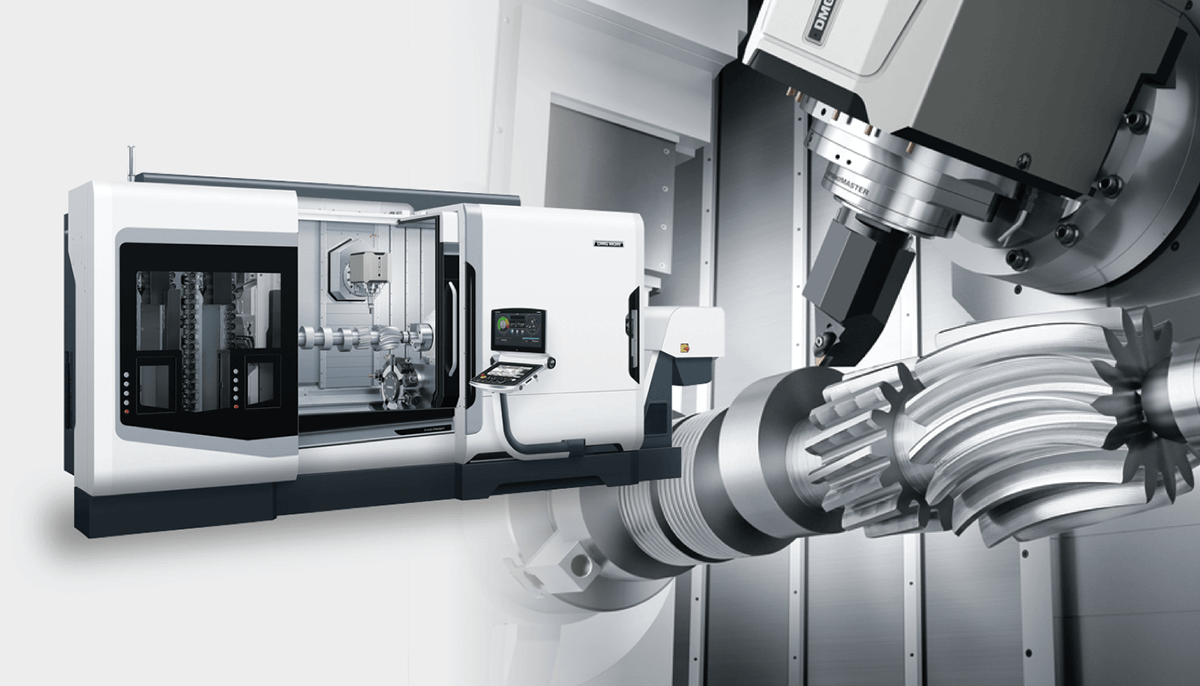
A partner like GreatLight CNC Machining Factory approaches this not as a simple machining job but as an integrated project. Their engineers might first collaborate on optimizing the die-cast mold design to minimize subsequent machining stock. The in-house die-casting facility produces the rough housings, which then move to a bank of synchronized five-axis CNC machining centers programmed for high-efficiency milling. In-process checks ensure each sealing surface meets the ±0.05mm flatness requirement. Finally, the parts flow to the dedicated surface treatment department for cleaning, anodizing, and laser etching. Throughout this process, the IATF 16949-certified quality system ensures traceability and consistent output for every unit in the 10,000-piece order. This “concept to crate” control transforms the large CNC machining services wholesaler from a vendor into a de-facto manufacturing department, providing peace of mind and scalable output.
Making the Strategic Choice: Key Due Diligence Questions
Before committing to a wholesale partner, go beyond the brochure. Engage in technical discussions and ask probing questions:
“Can you walk me through your DFM process for a high-volume, large aluminum part?”
“How is your shop floor temperature controlled to ensure thermal stability during long machining cycles?”
“Show me examples of your fixture design for similar large-volume production.”
“What is your process for scaling from a 50-piece pilot run to a 5,000-piece production order?”
“Beyond ISO 9001, what industry-specific certifications (IATF 16949, AS9100, ISO 13485) do you hold and actively audit?”
Conclusion: Building on a Foundation of Precision and Partnership
In the final analysis, selecting a large CNC machining services wholesaler is an investment in your product’s future. It is a decision that weighs raw machining capacity against intelligent process design, and one that balances upfront cost against the total cost of ownership, which includes quality, reliability, and time-to-market. The modern manufacturing leader seeks a partner whose capabilities are rooted in advanced technology—like precision 5-axis CNC machining—but whose value is delivered through seamless integration, unwavering quality systems, and a collaborative ethos. In a market served by capable entities from Protocase to Fictiv, the ultimate differentiator is the ability to provide not just parts, but predictable, scalable, and trusted manufacturing solutions. For those looking to build this foundational partnership, exploring the capabilities of established, integrated manufacturers is a logical and critical step forward. Learn more about how industry leaders are approaching these partnerships on platforms like LinkedIn.