
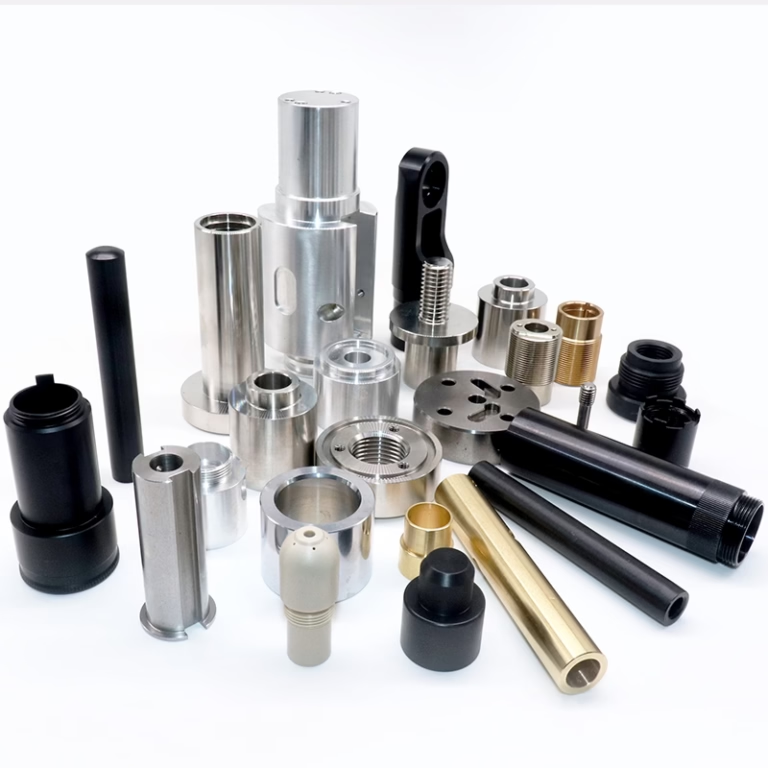
How Heavy Is A CNC Machine? is a question that often crops up for procurement teams, facility managers, and even design engineers evaluating precision machining partners or planning a production floor layout. While it might seem like a trivial detail at first glance, the weight of a CNC machine is a direct indicator of its structural rigidity, precision capabilities, and suitability for specific manufacturing tasks. For businesses relying on high-quality custom precision parts, understanding CNC machine weight is key to selecting the right partner and ensuring project success.
How Heavy Is A CNC Machine? Breaking Down Weights by Machine Type
CNC machine weights vary dramatically based on their size, number of axes, and intended use. From small desktop units to industrial-scale 5-axis centers, each category serves a unique purpose and comes with distinct weight ranges:
Desktop & Benchtop CNC Machines (50 kg – 500 kg)
These are the lightest CNC machines, designed for hobbyists, small workshops, or simple prototyping tasks. They’re compact, portable, and ideal for machining small plastic or soft metal parts with relatively loose tolerances (typically ±0.1 mm or more). However, their lightweight construction means they lack the rigidity needed for high-precision industrial work, making them unsuitable for complex components in aerospace, medical, or automotive sectors.
3-Axis CNC Machining Centers (1,000 kg – 10,000 kg)
3-axis machines are the workhorses of industrial precision machining. Vertical 3-axis centers (the most common type) weigh between 1,000 kg and 5,000 kg, while larger horizontal models can reach 10,000 kg. Their weight comes from cast iron or steel frames that provide enough rigidity to handle moderate feed rates and tool pressures. These machines excel at producing flat, 2.5D parts like housing components, brackets, and enclosures. GreatLight Metal maintains a large fleet of 3-axis machines as part of its 127+ precision equipment lineup, enabling cost-effective production of high-volume custom parts.
4-Axis CNC Machining Centers (3,000 kg – 15,000 kg)
Adding a rotational fourth axis (usually a rotary table) to a 3-axis machine increases its weight significantly. The fourth axis requires reinforced structural components to support rotational motion while maintaining precision, pushing weights to 3,000 kg or more. 4-axis machines are perfect for parts that require multi-sided machining without re-fixturing, such as automotive engine mounts, robotic grippers, or medical implants. GreatLight Metal’s 4-axis machining services leverage these heavy-duty machines to reduce production time and improve part consistency for clients in high-tech sectors.
5-Axis CNC Machining Centers (8,000 kg – 40,000+ kg)
For ultra-precise, complex parts, 5-axis CNC machining centers are the gold standard—and they’re the heaviest of all. These machines weigh between 8,000 kg and 40,000 kg (some large-format models exceed 50,000 kg) due to their need for:
Vibration-dampening cast iron frames to eliminate chatter during simultaneous 5-axis movement
High-torque spindle systems to cut tough materials like titanium alloy and mold steel
Advanced motion control components to coordinate X, Y, Z, A, and B axes with micron-level accuracy
GreatLight Metal specializes in 5-axis machining, with heavy-duty equipment that can produce parts with tolerances as tight as ±0.001 mm and a maximum processing size of 4000 mm. To explore how our 5-axis CNC machining services (opens in new window) can transform your complex designs into reality, click the link.
Quick Reference Table: CNC Machine Weights & Capabilities
| CNC Machine Type | Typical Weight Range | Key Use Cases | GreatLight Metal Capabilities |
|---|---|---|---|
| Desktop/Benchtop CNC | 50 kg – 500 kg | Hobby projects, small-scale prototyping | Not a core focus; we specialize in industrial-grade precision machining |
| 3-Axis CNC Machining Center | 1,000 kg – 10,000 kg | General precision parts, flat components | Extensive fleet for high-volume, cost-effective production of metal and plastic parts |
| 4-Axis CNC Machining Center | 3,000 kg – 15,000 kg | Multi-sided parts, automotive brackets, fixtures | 4-axis machining services for parts requiring rotational accuracy without re-fixturing |
| 5-Axis CNC Machining Center | 8,000 kg – 40,000+ kg | Complex aerospace components, robotic joints, engine parts | 5-axis machining with ±0.001 mm precision, max processing size 4000 mm; supports titanium, mold steel, and more |
Key Factors That Influence CNC Machine Weight
A CNC machine’s weight isn’t random—it’s engineered to meet specific performance goals. The following factors determine how heavy a machine will be:
1. Machine Size & Working Envelope
Larger work areas require bigger, more robust frames to support the weight of the workpiece and tooling. For example, a 5-axis machine capable of machining 4000 mm-long parts needs a base and column that can handle the stress of moving heavy components across a wide range. GreatLight Metal’s large-format 5-axis machines are built to accommodate these oversized workpieces, with weights that reflect their extended working envelopes.
2. Structural Material & Design
Most high-precision CNC machines use cast iron for their main frames, rather than welded steel. Cast iron is denser (and heavier) than steel, but it offers superior vibration dampening—a critical feature for maintaining tight tolerances. Welded steel frames are lighter but more prone to resonance, which can cause tool chatter and degrade part quality. GreatLight Metal prioritizes cast iron frames in its core 4 and 5-axis machines to ensure long-term precision.
3. Spindle Power & Torque
Machines designed to cut hard, dense materials (like titanium or mold steel) need high-torque spindles powered by heavy-duty motors. These components add significant weight, but they’re essential for delivering the cutting force needed to machine tough materials without tool breakage. GreatLight Metal’s 5-axis machines feature high-power spindles that can handle even the most challenging materials, supporting clients in aerospace and medical device manufacturing.
4. Additional Axes & Automation Features
Automation tools like automatic tool changers (ATCs), pallet changers, and robotic loaders add weight to a CNC machine, but they also boost efficiency. For example, an ATC with 40+ tools requires a heavy-duty carousel and positioning system, which adds several hundred kilograms to the machine’s total weight. GreatLight Metal’s machines are equipped with these automation features to reduce setup time and improve production throughput, delivering prototypes and parts within days for most projects.
5. Precision & Vibration Dampening Requirements
To achieve tolerances as tight as ±0.001 mm, CNC machines must minimize vibration at all times. Heavier, rigid structures are the most effective way to do this—they absorb the forces generated by cutting tools, preventing deflection that would compromise precision. GreatLight Metal’s focus on ultra-high precision means its core equipment is built with this in mind, with weights that directly correlate to their ability to deliver consistent, accurate parts.
Why CNC Machine Weight Matters for Your Precision Parts Project
Understanding CNC machine weight isn’t just about facility planning—it’s about ensuring your parts meet quality standards and project timelines:
Precision & Stability
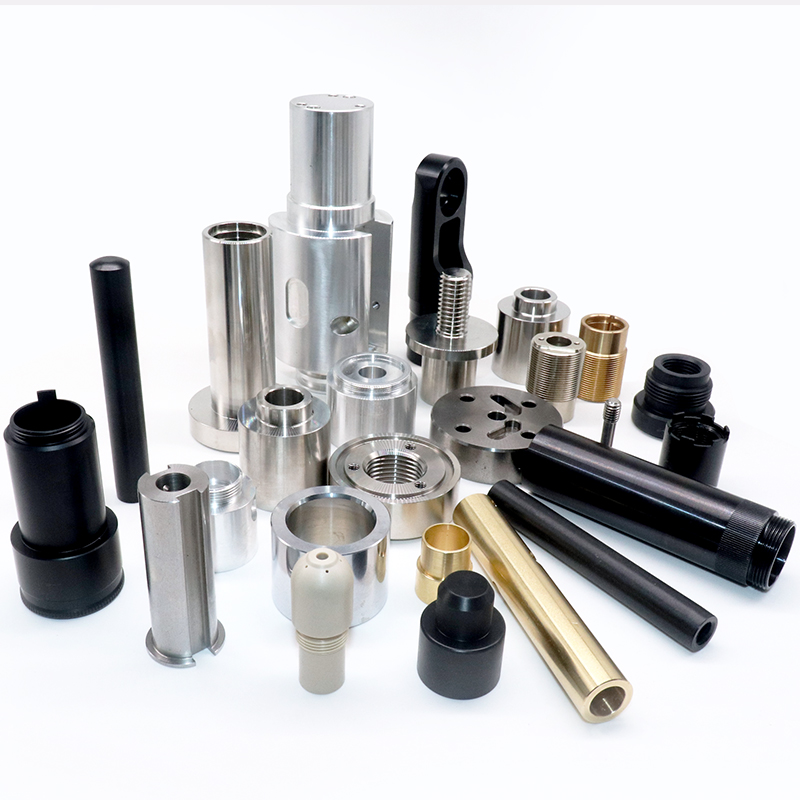
Heavier machines are less prone to vibration and deflection, which are the biggest enemies of precision. For parts that require ±0.001 mm tolerances (like medical implants or aerospace sensors), a lightweight machine simply can’t provide the stability needed to produce consistent results. GreatLight Metal’s heavy-duty 5-axis machines eliminate this risk, ensuring every part meets your exact specifications.
Load-Bearing Capacity
Heavier machines can support larger, denser workpieces. If you’re machining a 4000 mm-long aerospace component or a solid titanium robotic joint, a lightweight machine would struggle to handle the workpiece’s weight without bending or shifting. GreatLight Metal’s facilities are purpose-built to accommodate these heavy workpieces, with reinforced flooring and crane systems to safely load and unload parts.
Long-Term Durability
Robust, heavy CNC machines wear less over time than their lightweight counterparts. Cast iron frames resist warping and fatigue, ensuring the machine maintains its precision for years. GreatLight Metal’s ISO 9001:2015 certification includes strict equipment maintenance protocols, so its heavy-duty machines continue to deliver consistent performance throughout their lifespan.
GreatLight Metal: Leveraging Heavy-Duty CNC Equipment for Unmatched Results
Founded in 2011 in Dongguan’s Chang’an District (China’s “Hardware and Mould Capital”), GreatLight Metal has grown into a leading precision machining manufacturer with three wholly-owned plants and 7600 square meters of production space. Our 150-person team operates 127+ precision machines, including heavy-duty 4 and 5-axis CNC centers, to deliver one-stop solutions for custom parts.
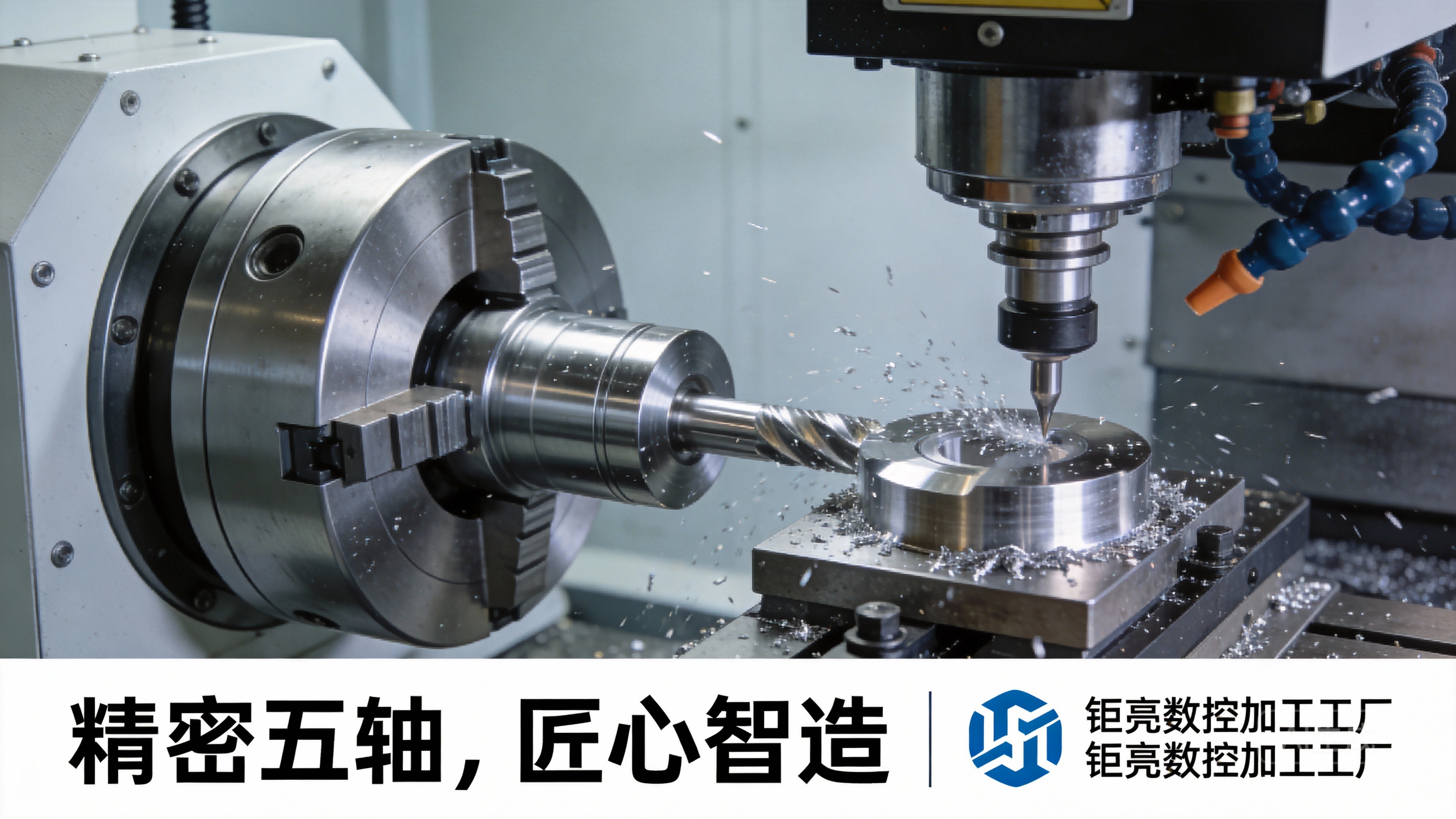
We specialize in solving complex manufacturing challenges for clients in automotive, medical, aerospace, and humanoid robotics sectors. Our capabilities include:
3, 4, and 5-axis CNC machining with ±0.001 mm precision
3D printing of stainless steel, aluminum alloy, titanium alloy, and mold steel
Die casting, sheet metal fabrication, and vacuum casting
One-stop surface post-processing services (anodizing, powder coating, polishing, etc.)
Our commitment to quality is backed by international certifications: ISO 9001:2015, ISO 27001 (data security), ISO 13485 (medical devices), and IATF 16949 (automotive components). We also offer a robust after-sales guarantee: free rework for quality problems, and a full refund if rework is still unsatisfactory.
To connect with our team and learn more about how our heavy-duty CNC equipment drives success for clients worldwide, visit our GreatLight Metal LinkedIn page (opens in new window).
Conclusion
How Heavy Is A CNC Machine? is more than a logistical question—it’s a window into a machine’s ability to deliver precision, stability, and durability for your custom parts project. From lightweight desktop units to 40,000 kg 5-axis centers, each machine type serves a unique purpose, but for high-precision complex parts, heavy-duty industrial machines are the only choice. GreatLight Metal’s fleet of heavy, rigid CNC machines, combined with our decade of industry experience and international certifications, makes us the ideal partner for businesses seeking reliable, high-quality custom parts. In the end, when asking How Heavy Is A CNC Machine?, remember that the weight of the equipment is a direct reflection of its capability to deliver the precision, stability, and durability your project demands—and GreatLight Metal’s heavy-duty, high-precision CNC fleet stands ready to meet your most complex manufacturing challenges.
Frequently Asked Questions (FAQ)
1. Do heavier CNC machines always produce more precise parts?
Not always, but they are far better equipped to do so. Weight contributes to structural rigidity and vibration dampening, which are critical for tight tolerances. However, proper maintenance, tooling, and process control are equally important. GreatLight Metal combines heavy-duty equipment with strict quality management protocols to ensure consistent precision across all projects.
2. Can GreatLight Metal accommodate large, heavy workpieces?
Yes. Our 5-axis CNC machines can handle workpieces up to 4000 mm in size, and our facilities are equipped with reinforced flooring and crane systems to safely load and unload dense materials like titanium alloy and mold steel. We regularly serve clients with large-format part requirements in aerospace and automotive sectors.
3. How does CNC machine weight affect lead times?
Heavier machines often include automation features like automatic tool changers and pallet changers, which reduce setup time and improve production efficiency. GreatLight Metal’s heavy-duty 5-axis machines enable us to deliver complex prototypes and parts within days, helping clients accelerate their product development timelines.
4. What should I look for in a CNC partner besides machine weight?
Beyond weight, prioritize partners with:
International certifications (like ISO 9001, IATF 16949)
A proven track record in your industry
One-stop services to simplify your supply chain
Robust after-sales support (like free rework or full refund guarantees)
GreatLight Metal meets all these criteria, making us a trusted choice for custom precision parts.
5. Does GreatLight Metal offer services beyond CNC machining?
Yes. We provide a comprehensive suite of manufacturing services, including die casting, sheet metal fabrication, vacuum casting, 3D printing, and one-stop surface post-processing. This one-stop approach eliminates the need for multiple suppliers, reducing communication gaps and ensuring consistent quality across all stages of production.



















