
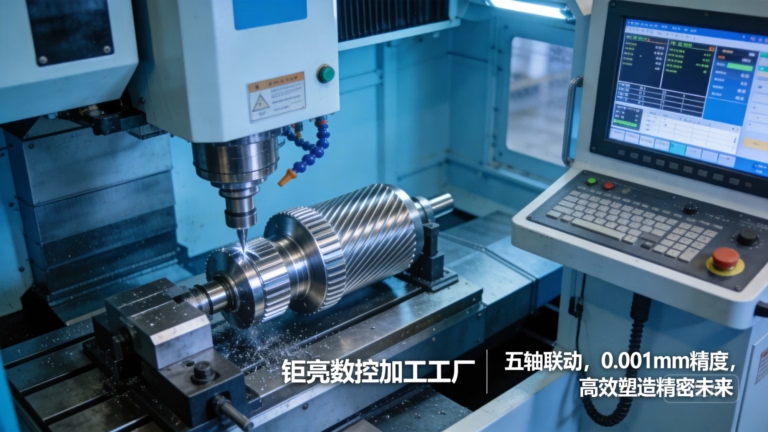
For any company looking to transform a digital design into a tangible, high-quality component, the search for a reliable manufacturing partner inevitably leads to the world of OEM CNC Machined Part Milling Service. As a cornerstone of modern industrial production, this service is far more than simply cutting metal; it is a sophisticated, technology-driven process that turns conceptual designs into functional, reliable parts that meet exacting specifications. For engineers, procurement specialists, and business leaders, navigating this landscape requires a clear understanding of what defines a superior service and how to select a partner capable of delivering not just parts, but value, reliability, and innovation.
The Engine of Modern Manufacturing: What is OEM CNC Milling?
At its core, an OEM CNC Machined Part Milling Service is a contractual manufacturing process where a specialized facility (the supplier) produces components to the exact design, material, and quality specifications provided by another company (the Original Equipment Manufacturer or OEM). Unlike simple job-shop work, a true OEM service implies a deeper partnership, involving adherence to the OEM’s standards, often including specific quality management systems, material traceability, and delivery logistics.
CNC (Computer Numerical Control) milling is the subtractive manufacturing process at the heart of this service. A computer-controlled machine tool uses rotating multi-point cutting tools to progressively remove material from a solid block (the workpiece), sculpting it into the desired final shape. The “CNC” aspect ensures unparalleled repeatability, precision, and the ability to produce complex geometries that are impossible or prohibitively expensive with manual methods.
Decoding the Capabilities: What a Premier Service Should Deliver
When evaluating potential partners for your OEM needs, several critical capabilities separate competent suppliers from industry leaders. Here’s what to look for:
H2: Technical Arsenal and Precision Engineering
The foundation of any high-level milling service is its equipment and technical know-how.
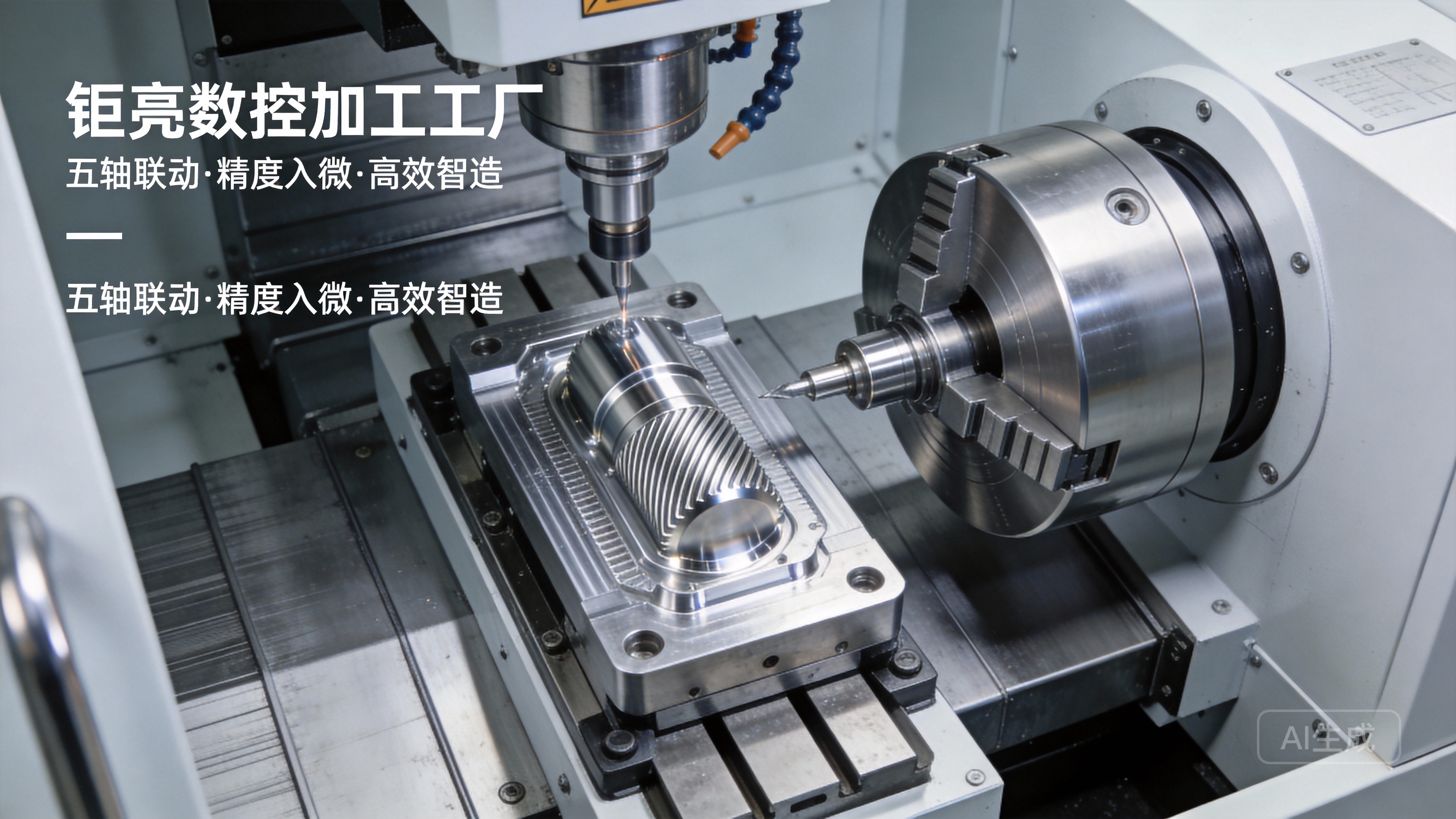
Multi-Axis Machining Mastery: While 3-axis mills are common, the ability to handle complex parts efficiently lies in 4-axis and 5-axis CNC machining. A 5-axis machine can manipulate the part and tool along five different axes simultaneously. This allows for:
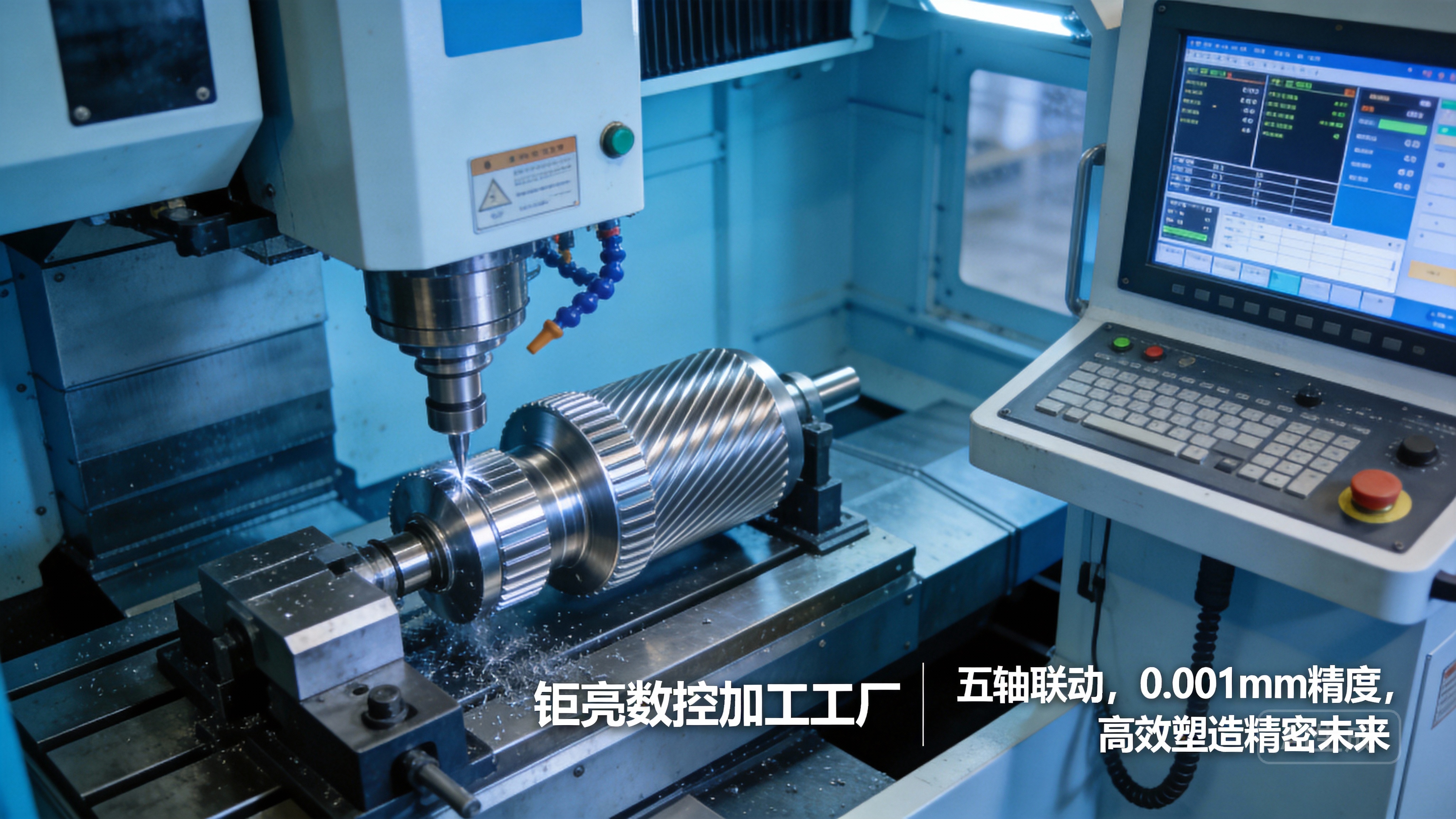
Single-Setup Machining: Completing intricate features on multiple sides of a part in one clamping, drastically reducing error accumulation and lead time.
Complex Contour Machining: Creating smooth, aerodynamic surfaces, intricate organic shapes, and deep undercuts common in aerospace, medical, and automotive applications.
Superior Surface Finish: Optimal tool positioning reduces step-over marks and allows for better surface finishes directly from the machine.
Material Agnosticism and Expertise: A top-tier service should be fluent in a vast material library. This includes:
Metals: Aluminum alloys (2024, 6061, 7075), Stainless Steels (303, 304, 316, 17-4PH), Titanium (Ti-6Al-4V), Brass, Copper, Tool Steels, and Inconel.
Plastics: PEEK, Delrin (Acetal), Nylon, PTFE, Polycarbonate, and Ultem (PEI).
The expertise lies not just in cutting these materials, but in understanding their unique behaviors—thermal expansion, work hardening, chip formation—and selecting the correct tooling, speeds, feeds, and coolants.
Precision as a Standard, Not a Claim: The service must guarantee and consistently deliver on tolerance promises. Look for suppliers who transparently discuss their capabilities, such as holding ±0.025mm (±0.001″) as a standard and achieving ±0.0125mm (±0.0005″) or better for critical features. This is backed by a metrology lab equipped with Coordinate Measuring Machines (CMM), optical comparators, and surface roughness testers for first-article and in-process inspection.
H3: The Full-Spectrum Service: Beyond Basic Milling
The modern OEM expects a solutions provider, not just a machine shop. Key value-added services include:
Design for Manufacturability (DFM) Analysis: Before a single chip is cut, experienced engineers should review your design. They can suggest modifications to reduce cost, improve strength, simplify assembly, or enhance manufacturability without compromising function. This proactive step saves significant time and money.
Comprehensive Post-Processing: Milling is often just the first step. A complete service offering includes:
Deburring and Edge-Breaking: Manual and automated methods for safe, clean parts.
Surface Finishing: Bead blasting, polishing, brushing, and various anodizing (Type II, Type III hard coat) for aluminum.
Plating and Coatings: Nickel, chrome, zinc, and passivation for corrosion resistance and aesthetics.
Heat Treatment and Stress Relieving: To achieve desired material properties like increased hardness or dimensional stability.
Quality Assurance and Certification: The partner’s commitment to quality must be systemic. Key certifications to look for are:
ISO 9001:2015: The baseline for a structured quality management system.
IATF 16949: Essential for automotive supply chains, focusing on continuous improvement and defect prevention.
AS9100D: The aerospace equivalent, with added emphasis on risk management and product safety.
ISO 13485: For medical device manufacturing, ensuring compliance with stringent regulatory requirements.
H2: Navigating the Selection Process: A Comparative Lens
The market for OEM CNC milling services is populated by various models, from massive online platforms to specialized vertical experts. For instance, companies like Xometry and Fictiv operate extensive digital networks, offering instant quoting and broad accessibility, ideal for prototyping and lower-volume needs. Specialists like Owens Industries or RCO Engineering often focus on high-complexity, mission-critical components for defense and aerospace.
Then there are integrated manufacturing solutions providers like GreatLight. This model is characterized by deep vertical integration. With in-house capabilities spanning from advanced 5-axis CNC machining and precision turning to vacuum casting, sheet metal fabrication, and industrial 3D printing (SLM, SLS, SLA), such a partner can manage the entire component lifecycle. This eliminates logistical bottlenecks, ensures tighter control over quality and timelines, and provides a single point of accountability—a significant advantage for OEMs managing complex assemblies or requiring just-in-time delivery.
Real-World Applications: Where Precision Milling Makes the Difference
The value of a superior OEM CNC milling service is proven in its application:
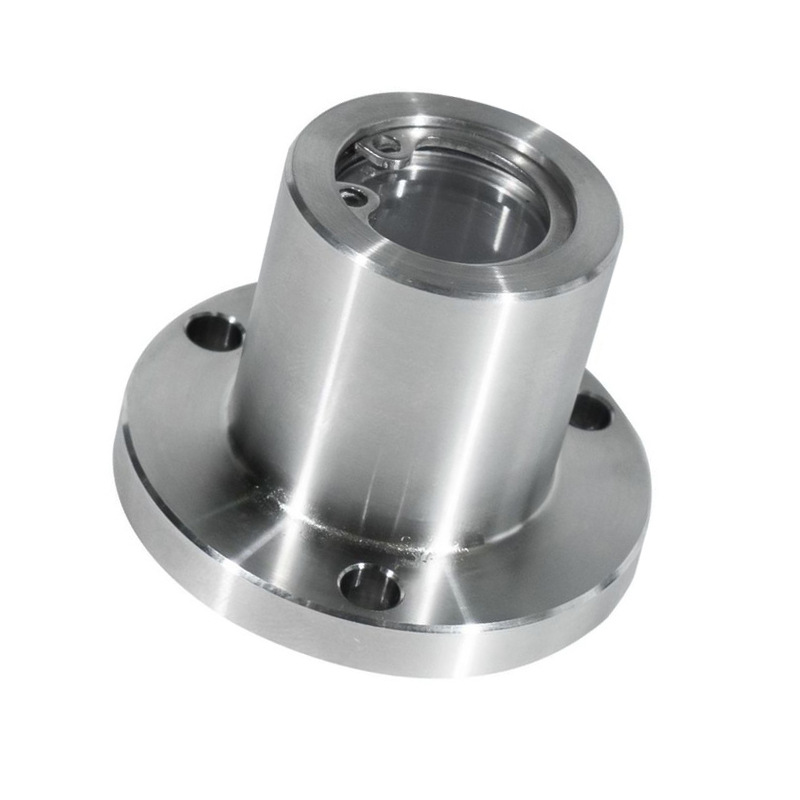
Aerospace: Manufacturing lightweight, high-strength structural brackets, engine mounts, and UAV components from titanium and aluminum, where every gram and every micron counts for performance and safety.
Medical & Surgical Devices: Producing biocompatible, complex surgical tool handles, orthopedic implant prototypes, and diagnostic equipment housings from stainless steel and PEEK, requiring flawless surface finishes and absolute dimensional accuracy.
Automotive & New Energy Vehicles (NEVs): Creating complex housings for battery management systems, lightweight structural components, and precision prototypes for powertrain development, often requiring rigorous IATF 16949 compliance.
Robotics & Automation: Fabricating intricate joint assemblies, actuator components, and custom end-effectors that demand high stiffness, tight tolerances, and reliability for millions of cycles.
High-End Consumer Electronics: Machining unibody enclosures, heat sinks, and internal chassis for prototype and low-volume production runs, where aesthetics, thermal management, and perfect fit are paramount.
H2: The Strategic Imperative of the Right Partnership
Choosing an OEM CNC Machined Part Milling Service is a strategic decision. The right partner acts as an extension of your own engineering and production team. They mitigate risk through robust quality systems, accelerate your time-to-market with engineering support and fast turnarounds, and ultimately contribute to the performance and reliability of your final product.
In an industry where precision is non-negotiable and reliability is the currency of trust, partnering with a manufacturer that combines advanced technological capability with systemic quality assurance and full-process integration is not just an option—it is a competitive necessity. It transforms the procurement of parts from a transactional cost center into a collaborative value-driver, ensuring that your vision is realized with the highest fidelity and your products are built on a foundation of uncompromising quality. For those seeking this level of partnership in precision manufacturing, exploring the capabilities of established, vertically integrated providers is a logical and prudent step. To see how industry leaders are applying these principles on a global stage, you can follow the ongoing developments and insights from professionals in the field on platforms like LinkedIn.



















