
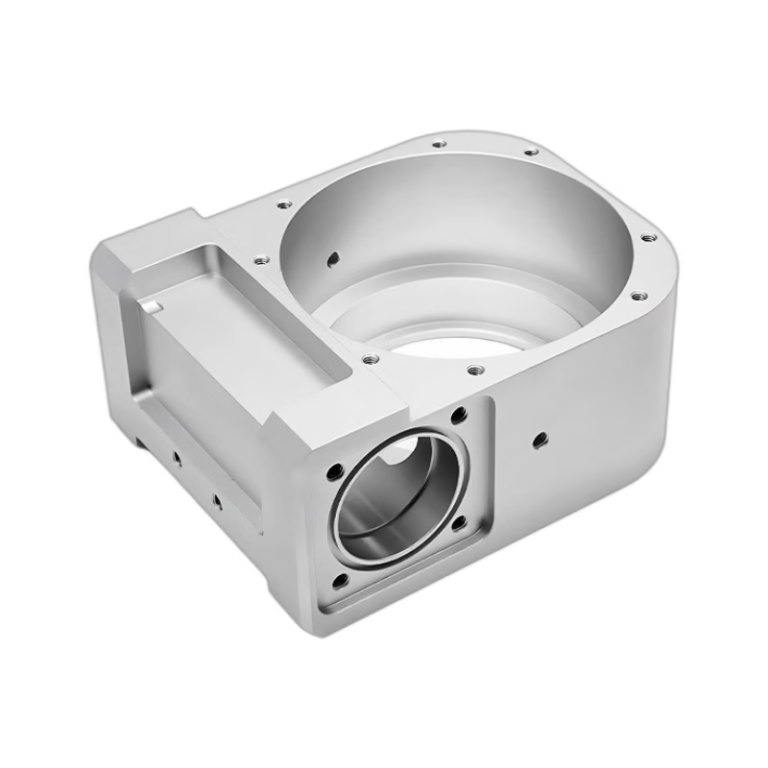
Mastering the Art of Metal: A Comprehensive Guide to Using CNC Machines
In the realm of modern manufacturing, CNC (Computer Numerical Control) machining stands as the cornerstone of precision, repeatability, and efficiency, especially for metal parts. Whether you’re an engineer prototyping a new design, a startup bringing a hardware product to market, or a procurement specialist sourcing components, understanding how to use a CNC machine for metal is fundamental. This process transforms digital blueprints into tangible, high-performance metal parts with tolerances that manual machining simply cannot match consistently.
At its core, using a CNC machine involves a seamless integration of digital design, machine programming, physical setup, and precise execution. It’s a symphony of software and hardware where every cut is calculated and every movement is controlled. For businesses seeking not just parts but reliable performance, partnering with an expert like GreatLight Metal—a leader in precision 5-axis CNC machining services—can make the difference between a component that fits and a component that excels.
The Foundational Principles of CNC Metal Machining
Before hands touch the machine, the process begins in the digital domain. The journey from concept to finished metal part follows a critical path:
CAD Model Creation: It all starts with a precise 3D Computer-Aided Design (CAD) model. This digital twin defines every dimension, curve, and surface of the final part. The accuracy of this model is paramount, as it becomes the source truth for all subsequent steps.
CAM Programming: This is the heart of “how to use” the machine. Using Computer-Aided Manufacturing (CAM) software, a programmer (or machinist) translates the CAD model into a language the CNC machine understands: G-code. This code dictates every action—the spindle speed, feed rate, tool path, depth of cut, and coolant flow. For complex parts, especially those requiring multi-axis machining, CAM programming is a highly skilled task that optimizes for time, tool life, and surface finish.
Machine Setup: This is the physical preparation phase. It involves:
Workholding: Securing the raw metal stock (the “workpiece”) firmly and accurately to the machine table using vises, clamps, or custom fixtures. Improper workholding is a primary cause of vibration, inaccuracy, and even dangerous tool breakage.
Tooling: Selecting and loading the appropriate cutting tools (end mills, drills, taps) into the machine’s tool changer. Each tool’s length and diameter must be precisely measured and input into the machine’s control system—a process called “tool setting.”
Workpiece Zeroing: Establishing the exact position of the workpiece in the machine’s coordinate system. This defines the “zero point” from which all programmed movements are referenced.
A Step-by-Step Walkthrough of the CNC Machining Process
Once setup is complete, the operator initiates the automated cycle. Here’s what happens:
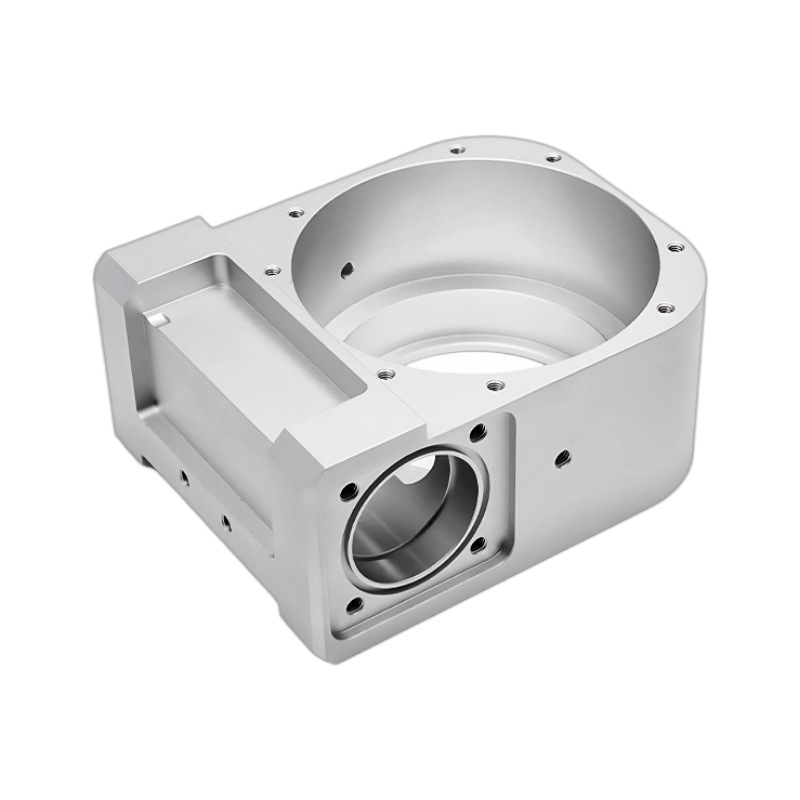
1. Facing and Squaring: Often the first operation, a face mill levels and smooths the top surface of the raw stock, creating a clean, flat reference plane for all subsequent operations.
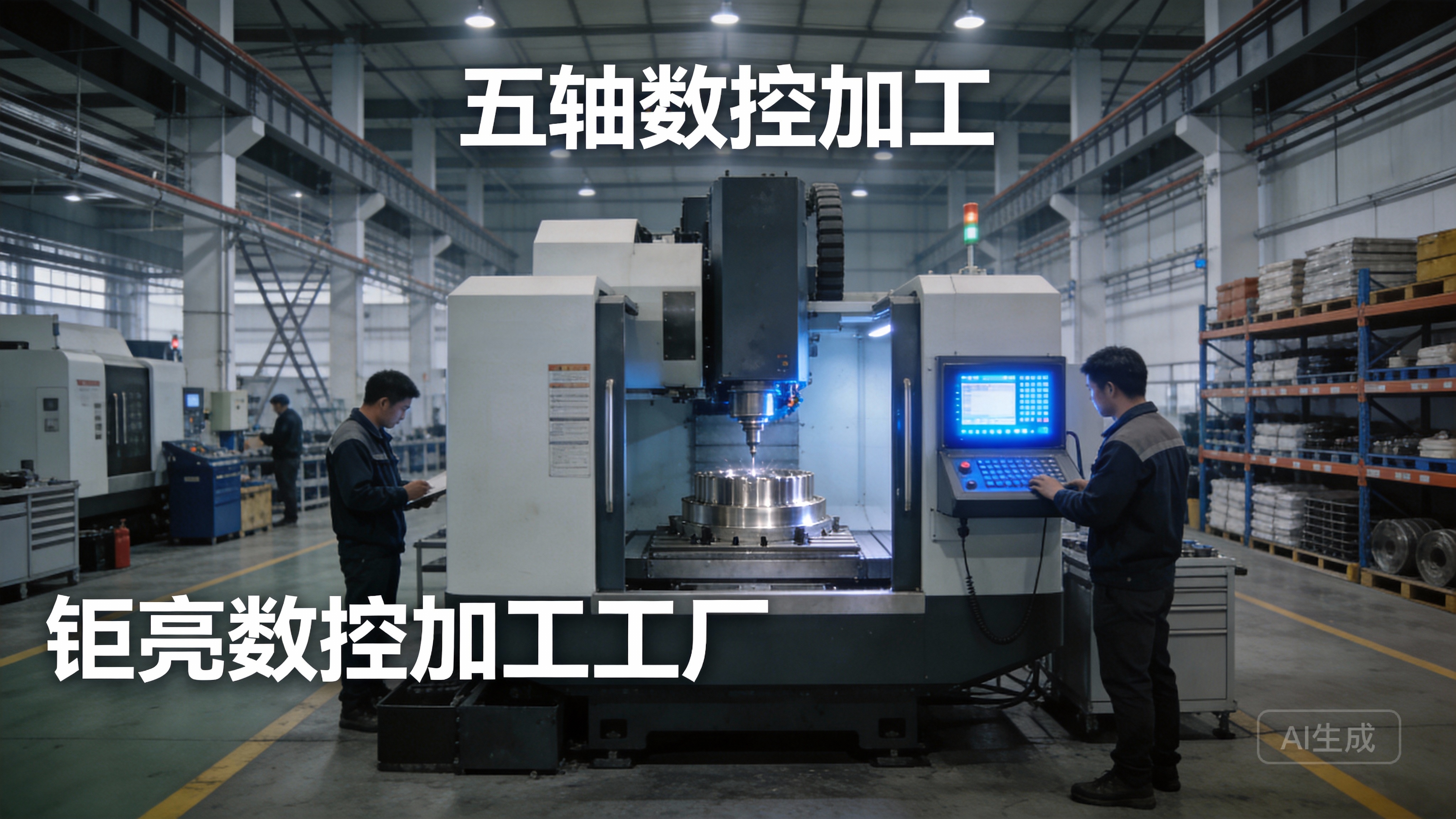
2. Roughing: Using robust tools, the machine rapidly removes large volumes of material to bring the workpiece close to its final shape, leaving a small amount of “stock” for the finishing pass.
3. Finishing: With smaller, sharper tools and higher spindle speeds, the machine makes final passes to achieve the precise dimensions, tight tolerances (like the ±0.001mm capability offered by advanced shops), and desired surface finish specified in the design.
4. Feature Creation: Throughout the process, the machine will drill holes, tap threads, create pockets, and mill contours as programmed. Advanced 5-axis CNC machining allows for these features to be created on complex angles in a single setup, dramatically improving accuracy and efficiency for intricate parts.
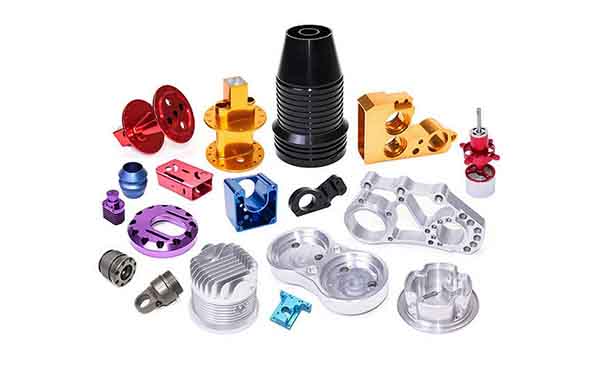
5. In-Process Verification: In professional settings like GreatLight Metal, precision doesn’t rely on hope. Operators may use in-process probes to check critical dimensions mid-cycle, ensuring the part is on track and allowing for adjustments before completion.
6. Post-Processing & Finishing: After machining, parts often undergo secondary operations. This can include deburring (removing sharp edges), heat treatment (for enhanced strength), plating, anodizing, painting, or precision grinding for ultra-fine finishes.
Key Considerations for Successful Metal CNC Machining
Mastering the machine goes beyond pushing the start button. Several interrelated factors dictate success:
Material Selection: The choice of metal—be it aluminum, stainless steel, titanium, brass, or tool steel—directly impacts every parameter. Aluminum machines quickly and is forgiving, while titanium requires much lower feed rates, specific tool geometries, and often high-pressure coolant.
Cutting Parameters (Speed, Feed, Depth of Cut): This is the machinist’s art. Spindle speed (RPM), feed rate (how fast the tool moves), and depth of cut must be balanced to optimize material removal rate while preventing tool deflection, overheating, and premature tool wear.
Toolpath Strategy: The CAM programmer must choose efficient toolpaths that minimize air-cutting (tool moving without engaging material), ensure even tool wear, and produce the best possible surface finish. This is where experience with complex software and deep material knowledge becomes invaluable.
Coolant and Lubrication: Essential for dissipating heat, flushing away chips, and prolonging tool life. The method (flood coolant, mist, or through-tool) depends on the material and operation.
Why Partnering with an Expert Like GreatLight Metal is a Strategic Advantage
While the fundamentals of how to use a CNC machine for metal are universal, the difference between a functional part and an exceptional one lies in execution. This is where the integrated capabilities of a full-service manufacturer shine. Attempting to manage this complex process in-house without deep expertise can lead to the very “precision pitfalls” many face: cost overruns from scrapped parts, project delays from process inefficiencies, and performance failures from suboptimal material or heat treatment choices.
GreatLight Metal approaches CNC machining not as a standalone service but as a core component of an integrated manufacturing solution. Their process is bolstered by:
Technical Hard Power: A cluster of advanced 5-axis, 4-axis, and 3-axis CNC centers, complemented by EDM, grinding, and turning equipment, provides the flexibility to match the perfect machine to each part’s geometry.
System Soft Power: Adherence to ISO 9001:2015 for quality management and IATF 16949 for automotive standards ensures a systematic, repeatable process. This framework eliminates the “precision black hole” by building quality into every step, verified by in-house CMM and other precision metrology equipment.
Collaborative Engineering Support: Their team acts as an extension of your R&D department. From design for manufacturability (DFM) feedback on your initial CAD model to selecting the optimal alloy and post-processing finish, their deep engineering involvement de-risks the entire production journey.
Conclusion
Learning how to use a CNC machine for metal is understanding a powerful discipline that bridges digital innovation and physical reality. It demands respect for the interplay between software, mechanics, and metallurgy. For businesses where part quality, reliability, and performance are non-negotiable, the most effective strategy is often to collaborate with a seasoned manufacturing partner.
By leveraging the full-spectrum capabilities, rigorous quality systems, and technical partnership offered by experts like GreatLight Metal, companies can transcend basic machining. They gain a reliable pathway to transform ambitious designs into flawlessly executed metal components that drive innovation in fields from automotive and aerospace to medical devices and robotics. In the precise world of metal manufacturing, the right partnership is the most critical tool in your arsenal.
Frequently Asked Questions (FAQ)
Q1: What is the most beginner-friendly metal to start with on a CNC machine?
A: 6061 aluminum is widely considered the best starting point. It offers an excellent balance of strength, lightness, and, most importantly, machinability. It produces relatively short chips, is forgiving with cutting parameters, and places less wear on cutting tools compared to steels or titanium, allowing new users to focus on learning the process without excessive material-related challenges.
Q2: How do I choose between 3-axis, 4-axis, and 5-axis CNC machining for my metal part?
A: The choice depends on your part’s geometry and required precision.
3-axis: Ideal for parts with features on only one side (top and bottom) or simple prismatic geometries. It’s the most common and often most cost-effective for simpler parts.
4-axis: Adds a rotary axis, allowing machining around the circumference of a part. Perfect for cam shafts, cylindrical features, or parts needing engraved details on a curved surface.
5-axis: Allows the cutting tool to approach the workpiece from virtually any direction in a single setup. This is essential for complex, contoured surfaces (e.g., aerospace impellers, medical implants, mold cores) and provides superior accuracy for multi-sided parts by eliminating the errors introduced by repositioning the workpiece in multiple setups.
Q3: What are the most common reasons for tool breakage or poor surface finish in metal CNC machining?
A: Common culprits include:
Incorrect Feeds and Speeds: Too aggressive of a cut or too high spindle speed for the tool/material.
Inadequate Workholding: Vibration or movement of the part during cutting.
Poor Toolpath Strategy: Tool engagement that is too sudden or climbs when it should conventional mill (or vice versa).
Dull Tools: Using a tool beyond its effective life.
Insufficient Coolant/Lubrication: Leading to heat buildup and workpiece or tool deformation.
Q4: Can CNC machines handle all types of metal?
A: Modern CNC machines equipped with appropriate tooling and cooling systems can machine an extremely wide range of metals, from soft alloys like aluminum and copper to super alloys like Inconel and hardened tool steels. However, the difficulty, cost, and required expertise increase significantly with material hardness, toughness, and abrasiveness. A professional manufacturer like GreatLight Metal will have the specific experience and equipment portfolio to recommend and handle the best material for your application.
Q5: What file format do I need to provide to get a CNC machined metal part quoted?
A: The standard and most preferred format is a 3D CAD file in STEP (.stp or .step) or IGES (.igs) format. These are “neutral” formats that preserve solid model geometry without proprietary software data. A 2D drawing in PDF or DWG format with critical dimensions, tolerances, and surface finish callouts is also highly recommended to fully convey your requirements and avoid ambiguity. For more insights into industry practices and partnerships, you can explore professional networks like the one maintained by GreatLight on LinkedIn.



















