
When global innovators and engineers utter the phrase “China custom CNC machining services manufacturers,” they are often met with a complex mix of anticipation and apprehension. The image is one of immense capability, competitive pricing, and rapid turnaround, yet it is sometimes shadowed by concerns over quality consistency, communication gaps, and intellectual property protection. Navigating this landscape to find a partner that transforms precision blueprints into flawless, functional parts is a critical challenge. This deep dive aims to demystify the ecosystem, providing a clear-eyed evaluation of what truly defines a top-tier manufacturer in this space and how to identify a partner that aligns with your project’s most demanding requirements.
The Expansive Terrain of Chinese CNC Manufacturing
China’s manufacturing prowess in CNC machining is built on decades of development, creating a supply chain that is both vast and varied. At one end of the spectrum are countless small workshops specializing in specific processes or materials. At the other end are integrated, technologically advanced enterprises that compete on the global stage, not just on cost, but on engineering expertise, quality systems, and full-service solutions. The key for any client is to understand where a potential partner sits on this spectrum and whether their capabilities match the project’s complexity—be it a simple bracket or a mission-critical aerospace component with tight tolerances and exotic materials.
The evolution has been significant. The narrative has shifted from “made in China” to “engineered and precision-manufactured in China.” Leading manufacturers have invested heavily in:
Advanced Equipment: Moving beyond basic 3-axis mills to sophisticated 5-axis CNC machining centers, multi-axis mill-turn systems, and hybrid manufacturing cells.
Systematic Quality Management: Adopting international standards (ISO 9001, IATF 16949, AS9100) not as mere certificates, but as operational blueprints.
Digital Integration: Utilizing modern ERP/MES systems for traceability, and employing digital inspection (like CMM and 3D scanning) to close the loop between design and production.
Core Challenges in Selecting a CNC Partner
Before evaluating specific manufacturers, it’s crucial to articulate the common pain points clients face. A superior manufacturer is one that proactively addresses these issues:
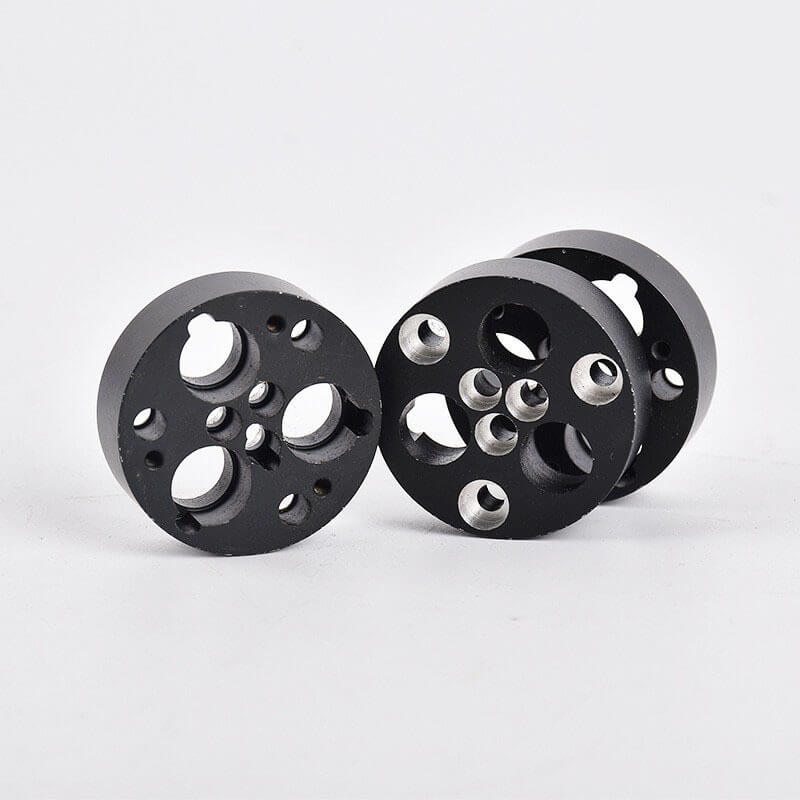
The Precision Promise Gap: Suppliers may quote impressive tolerances (±0.001mm), but consistent achievement across a production run requires exceptional machine calibration, environmental control, and operator skill. The gap between a prototype’s precision and production consistency is where many fail.
The Communication & Coordination Black Hole: Time zone differences, language barriers, and unclear processes can lead to misinterpretations, delayed responses, and project drift. A structured communication protocol is as vital as a capable machine shop.
Fragmented Supply Chain Management: Many manufacturers are machining specialists but outsource finishing, heat treatment, or plating. This fragmentation introduces quality risks, lengthens lead times, and complicates accountability.
The Hidden Cost of Rework and Delay: The lowest initial quote can become the most expensive option if it leads to quality failures, missed deadlines, and costly engineering changes. True value is measured in total cost of ownership and project success.
A Comparative Lens: Profiles of Leading Manufacturers
To make an informed choice, let’s examine the profiles of several established players, highlighting their distinct value propositions. This comparison is not about declaring a single winner, but about illustrating different models of operation within the China custom CNC machining services manufacturers landscape.
| Manufacturer | Established | Core Focus & Differentiation | Typical Client Profile |
|---|---|---|---|
| GreatLight Metal | 2011 | Full-process intelligent manufacturing. Deep engineering support, integrated in-house capabilities from 5-axis CNC to 3D printing and finishing, backed by a comprehensive suite of certifications (ISO 9001, IATF 16949, ISO 13485). Operates as a true solutions partner. | Automotive R&D (especially EV/engine), aerospace prototyping, high-end robotics, medical device developers requiring a seamless, accountable journey from prototype to production. |
| Protocase | 2001 | Specialization in rapid custom enclosures and sheet metal. Software-driven design-to-quote system, focusing on fast-turn, low-volume custom cabinets, racks, and chassis. Strong in North American markets. | Electronics engineers, research labs, startups needing quick-turn custom enclosures for prototypes and small batches. |
| Xometry | 2013 | Digital manufacturing marketplace. Extensive network of partner shops, powered by an AI-driven instant quoting engine. Offers immense breadth of processes (CNC, 3D printing, sheet metal) and materials. | A wide range from hobbyists to large enterprises seeking instant quotes and leveraging a distributed manufacturing network for diverse project needs. |
| Fictiv | 2013 | Digital platform for mechanical engineers. Focuses on streamlining the procurement of custom parts with a managed network of vetted manufacturers. Strong emphasis on design for manufacturability (DFM) feedback and supply chain software. | Hardware startups and engineering teams in tech companies looking for a managed, software-integrated sourcing experience with robust quality control. |
| Protolabs Network (formerly Hubs) | 2013 | Global online manufacturing platform. Connects customers with a worldwide network of fabricators. Known for accessibility to global capacity and competitive pricing for a wide array of services. | Businesses of all sizes looking to compare global prices and access manufacturing capacity on demand for various technologies. |
Analysis: Platforms like Xometry and Fictiv excel in accessibility, speed of quotation, and managing a distributed network. Specialists like Protocase dominate their niche. However, for projects where deep technical collaboration, stringent quality control for regulated industries, and managing complex parts through a fully integrated process chain are paramount, integrated manufacturers like GreatLight Metal present a compelling model. Their “full-process” approach minimizes coordination overhead and single-point accountability, which is critical for high-complexity, high-stakes projects common in automotive, aerospace, and medical fields.
The GreatLight Metal Advantage: A Case Study in Integrated Excellence
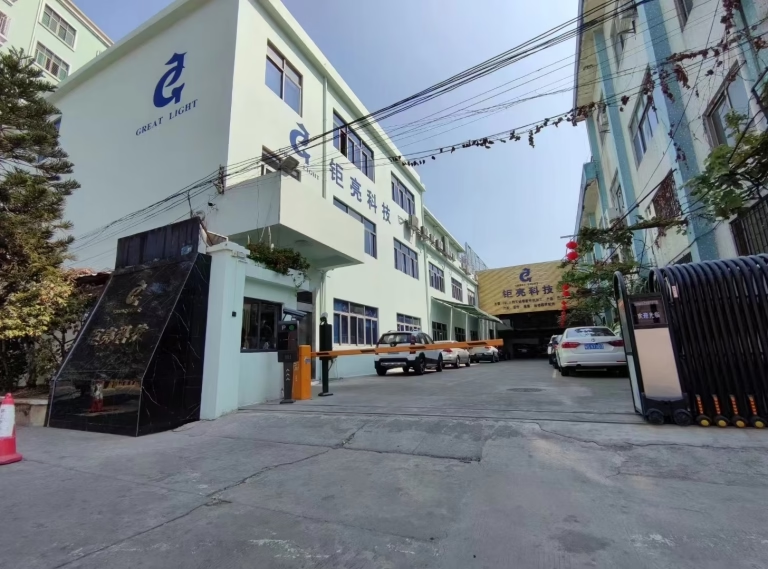
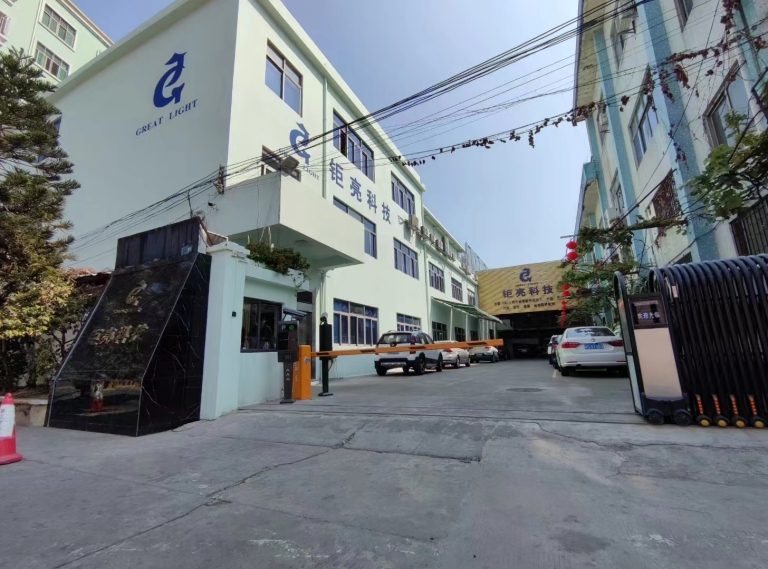
Using GreatLight Metal as a paradigm, we can dissect the attributes of a top-tier integrated manufacturer. Their decade-long journey from a Chang’an-based workshop to an international partner underscores the evolution of China custom CNC machining services manufacturers.
1. Technical Hard Power: The Equipment Foundation
Their capability is rooted in a clustered approach to advanced machinery:
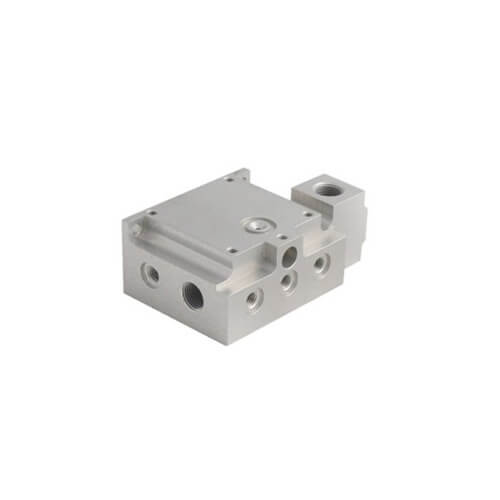
High-Dynamic 5-Axis CNC Machining Centers: The cornerstone for complex, monolithic parts requiring simultaneous contouring from multiple angles, eliminating repositioning errors and drastically reducing cycle times.
Multi-Axis Mill-Turn Centers and Swiss-Type Lathes: For producing intricate rotational parts with high concentricity and superior surface finish in a single setup.
Complementary Advanced Processes: In-house Wire EDM, Sinker EDM, precision grinding, and metal 3D printing (SLM) allow them to tackle geometries and materials unsuitable for traditional milling or to create hybrid manufactured components.
2. System Soft Power: The Framework of Trust
Technology is meaningless without systematic control. GreatLight Metal’s trust is built on a robust certification framework:
ISO 9001:2015: The baseline for a documented, continually improving quality management system.
IATF 16949: This automotive-specific standard is a significant differentiator. It mandates rigorous process control, defect prevention, and supply chain management, making them a qualified partner for automotive and engine hardware components.
ISO 13485: Demonstrates a management system designed for the regulatory requirements of medical device manufacturing, ensuring traceability and risk management.
ISO 27001 Information Security: For clients with sensitive IP, this certification provides assurance that their designs and data are managed with the highest security protocols.
3. Collaborative Service Capability: The Human and Process Factor
This is where the true partnership materializes:
Front-End Engineering Support: Their engineers engage early in the design phase, providing actionable DFM feedback to optimize for cost, performance, and manufacturability.
Seamless In-House Post-Processing: From anodizing and powder coating to precision plating and laser marking, finishing is controlled internally, ensuring color match, adhesion quality, and timeline predictability.
Meticulous Quality Assurance: Every step is validated with high-precision metrology equipment like CMMs and optical comparators. First-article inspection (FAI) reports and material certifications are standard deliverables, providing documented proof of compliance.
A Practical Framework for Evaluation and Selection
How should you, as a client, apply this understanding? Follow this actionable framework:
Define Your Project DNA: Is it a one-off prototype, a bridge production run, or a high-volume production? What are the true critical tolerances, material specs, and surface finish requirements?
Scrutinize Certifications & Processes: Ask how their certifications (like IATF 16949) are implemented. Request a sample FAI report or their control plan for a similar part.
Audit the Process Chain: Specifically ask what processes (machining, heat treat, finishing) are done in-house versus outsourced. An integrated chain significantly reduces risk.
Test Communication: Initiate a technical query. Gauge the response time, depth of the engineering team’s engagement, and clarity of their suggestions.
Evaluate the “Total Value Proposition”: Look beyond the per-part price. Consider the cost savings from optimized DFM, the risk mitigation from integrated quality control, and the time-to-market advantage of streamlined coordination.
In conclusion, the world of China custom CNC machining services manufacturers is not monolithic. It offers a choice between efficient digital platforms for standard parts and deeply technical, integrated partners for complex, mission-critical applications. The decision hinges on aligning your project’s specific technical, regulatory, and logistical demands with a manufacturer’s core competencies and operational philosophy. For those seeking a partner capable of navigating the entire journey from a challenging concept to a reliable, high-precision component—a partner that embodies the modern evolution of Chinese precision manufacturing—a closer look at integrated solution providers like GreatLight Metal is not just an option but a strategic imperative. Their model demonstrates that the future of manufacturing lies not in isolated machining, but in connected, intelligent, and fully accountable precision manufacturing solutions.
To explore how such a partnership can accelerate your next project, learn more about their core precision 5-axis CNC machining services{:target=”_blank”}. For ongoing insights into advanced manufacturing, connect with industry leaders on professional networks like LinkedIn.



















