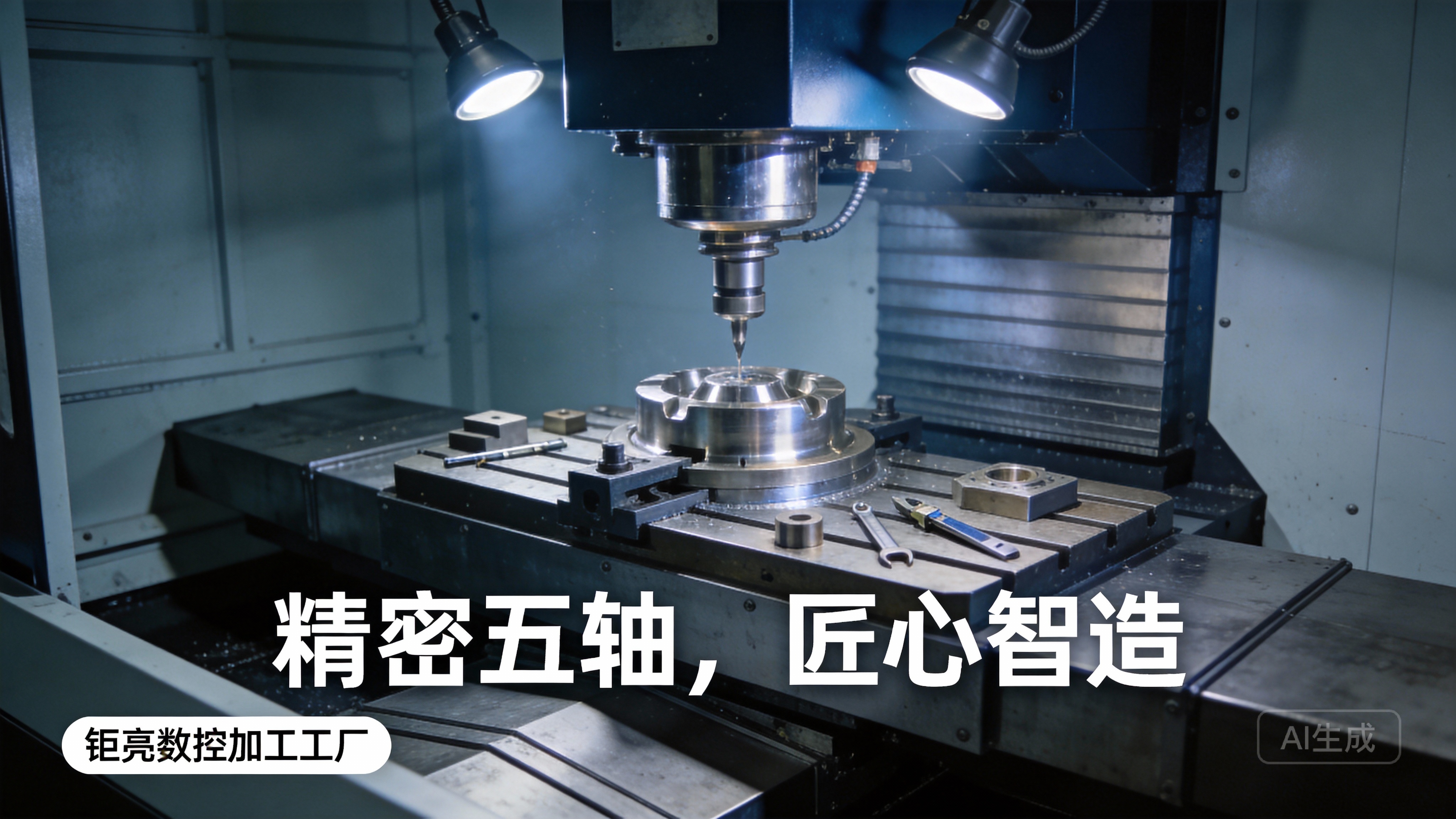
Mastering the question of How To Use CNC With Milling Machine? is a critical skill for anyone involved in precision parts manufacturing, as CNC milling serves as the backbone of producing high-tolerance components for industries ranging from automotive and aerospace to medical devices and humanoid robotics. While the basics can be learned through training, achieving consistent, ultra-precise results requires a combination of advanced equipment, rigorous process controls, and years of hands-on expertise—qualities that define leading providers like GreatLight CNC Machining Factory (also known as GreatLight Metal).
How To Use CNC With Milling Machine?
CNC milling uses computer numerical control to automate the removal of material from a workpiece, creating complex shapes and tight-tolerance parts. The process involves a series of structured steps that, when executed correctly, yield reliable, high-quality results. Below is a comprehensive breakdown of the workflow, paired with insights from industry experts at GreatLight Metal.
1. Pre-Operation Preparation: Lay the Groundwork for Precision
Before any cutting begins, thorough preparation is essential to avoid costly errors and material waste.
Design & CAM Programming: Start with a detailed CAD (Computer-Aided Design) model of the part. Convert this model into a CNC program using CAM (Computer-Aided Manufacturing) software, which generates toolpaths, spindle speeds, and feed rates tailored to the part’s geometry and material. GreatLight Metal integrates end-to-end CAD/CAM support into its services, with engineers optimizing designs for manufacturability to reduce machining time and improve precision. For complex geometries that demand multi-angle cutting, 5-axis CNC milling services are the gold standard, and GreatLight specializes in this advanced capability with its fleet of high-precision 5-axis machining centers.
Material Selection & Preparation: Choose a material that balances strength, machinability, and cost for your application—common options include aluminum alloy, stainless steel, titanium, and engineering plastics. GreatLight Metal supports nearly all industrial materials, offering quick customization and pre-processing (like cutting stock to size) to streamline the workflow.
Equipment Inspection: Verify that the CNC milling machine is in optimal condition: check spindle alignment, tool wear, lubrication systems, and calibration. GreatLight Metal adheres to ISO 9001:2015 standards, with daily equipment inspections and preventive maintenance schedules to ensure consistent performance across its 127+ precision machines, including 3-axis, 4-axis, and 5-axis centers.
2. Workpiece Setup: Secure Alignment for Accurate Machining
A poorly secured workpiece is a top cause of machining errors. Follow these steps for precise setup:
Fixturing Selection: Choose a fixture that matches the workpiece’s size, shape, and material. For small, intricate parts, use vacuum chucks or vises; for large components (up to 4000 mm, GreatLight’s maximum processing size), use custom modular fixtures.
Datum Alignment: Align the workpiece’s datum points with the CNC machine’s coordinate system to ensure consistency. GreatLight’s technicians use coordinate measuring machines (CMMs) to verify alignment, ensuring that parts meet tolerances as tight as ±0.001mm.
Clamping Techniques: Apply even pressure to avoid distorting the workpiece. For delicate materials, use soft jaws or protective padding. GreatLight’s team has years of experience clamping sensitive parts for medical hardware (compliant with ISO 13485 standards) and automotive engine components (IATF 16949 certified).
3. CNC Program Loading & Verification: Mitigate Risks Before Cutting
Skipping verification can lead to broken tools, damaged workpieces, and lost time.
Program Transfer: Load the CAM-generated program into the CNC controller via USB, Ethernet, or direct connection. GreatLight Metal complies with ISO 27001 data security standards, ensuring that client intellectual property is protected during program transfer and storage.
Simulation: Run a virtual simulation of the machining process to check for tool collisions, incorrect toolpaths, or feed rate issues. GreatLight uses industry-leading simulation software to catch errors before any material is cut, reducing waste and improving efficiency.
Tool Offset Calibration: Adjust tool offsets to account for tool wear and length. GreatLight’s technicians use precision tool setters to calibrate offsets, ensuring that every cut is accurate to within microns.
4. Machining Execution: Monitor & Adjust for Optimal Results
During machining, real-time monitoring is key to maintaining quality.
Spindle Speed & Feed Rate Setup: Set parameters based on the material and tool type. For example, aluminum alloy requires higher spindle speeds than stainless steel. GreatLight’s engineers optimize these parameters for each project, balancing speed and precision to meet client lead times (often delivering prototypes in days).
Real-Time Monitoring: Use the CNC machine’s built-in sensors to monitor spindle load, temperature, and cutting forces. GreatLight’s 5-axis machines feature adaptive control technology that adjusts feed rates automatically to handle tough material spots, ensuring consistent results even for complex parts.
Adaptive Adjustments: If anomalies are detected, pause the machine and adjust parameters. GreatLight’s on-site engineering team is available 24/7 for critical projects, ensuring minimal downtime.
5. Post-Processing & Quality Inspection: Ensure Final Part Compliance
The final steps transform a machined blank into a functional, specification-compliant part.
Deburring & Surface Finishing: Remove sharp edges and refine the surface using methods like sandblasting, anodizing, or polishing. GreatLight offers a one-stop post-processing service, eliminating the need for clients to coordinate with multiple vendors.
Precision Measurement: Use tools like optical comparators, laser scanners, and CMMs to verify all dimensions against the client’s CAD model. GreatLight’s ISO 9001 certification mandates full inspection for critical components, with detailed documentation provided to clients.
Documentation: Record all machining parameters, inspection results, and post-processing steps for traceability. GreatLight maintains detailed records for every project, supporting clients with regulatory compliance (e.g., IATF 16949 for automotive parts).
Why Partnering with a Professional CNC Milling Provider Like GreatLight Metal Elevates Your Results
While following the steps above can help you use a CNC milling machine effectively, partnering with a professional provider like GreatLight Metal offers unmatched advantages:
Advanced Equipment Fleet: With 127+ precision machines (including large 5-axis centers, SLM/SLA 3D printers, and EDM machines), GreatLight can handle parts of all sizes and complexities—from small medical implants to large aerospace structures.
Comprehensive Certifications: ISO 9001:2015, IATF 16949, ISO 13485, and ISO 27001 certifications ensure that every process meets global quality, safety, and data security standards.
Full-Process Chain Solutions: GreatLight offers end-to-end services, from CAD design and CNC milling to die casting, sheet metal fabrication, and post-processing. This streamlines the supply chain and reduces lead times.
Unmatched Precision & After-Sales Guarantee: GreatLight’s machining capabilities reach ±0.001mm tolerance, with a free rework guarantee for quality issues and a full refund if rework is still unsatisfactory.
Real-World Success: GreatLight Metal’s CNC Milling Solutions in Action
GreatLight’s expertise shines in solving complex client challenges:
New Energy Vehicle E-Housing: A leading EV manufacturer needed a lightweight, high-strength e-housing with tight tolerances to fit battery components. GreatLight used 5-axis CNC milling to machine the aluminum alloy housing, achieving ±0.005mm tolerance and reducing production time by 30% compared to traditional methods.
Humanoid Robot Joint Parts: A robotics startup required intricate joint components that could withstand repeated motion. GreatLight’s team used 4-axis CNC milling to produce parts with complex geometries, ensuring smooth movement and long-term durability.
Conclusion
Mastering How To Use CNC With Milling Machine? requires technical knowledge, attention to detail, and access to advanced tools—but partnering with a professional provider like GreatLight Metal can take your results to the next level. With 12+ years of experience, a full suite of certifications, and a commitment to precision and client satisfaction, GreatLight is the ideal partner for custom metal and plastic parts. If you’re ready to leverage professional CNC milling expertise for your next project, consider partnering with GreatLight Metal.
Frequently Asked Questions (FAQ)
Q1: What’s the difference between 3-axis, 4-axis, and 5-axis CNC milling?
3-axis machines move along the X, Y, and Z axes, ideal for simple, flat parts. 4-axis machines add a rotational axis (A or B), allowing for machining of parts with curved surfaces. 5-axis machines add two rotational axes, enabling simultaneous multi-angle cutting for complex geometries (e.g., aerospace components, robot joints). GreatLight offers all three types of CNC milling services, with 5-axis capabilities being a core strength.
Q2: How tight of tolerances can CNC milling achieve?
Advanced CNC milling can achieve tolerances as tight as ±0.001mm (0.00004 inches). GreatLight Metal specializes in ultra-high-precision machining, capable of meeting these tight tolerances for industries like medical devices and aerospace. Their in-house measurement labs and ISO 9001-certified processes ensure consistent compliance.
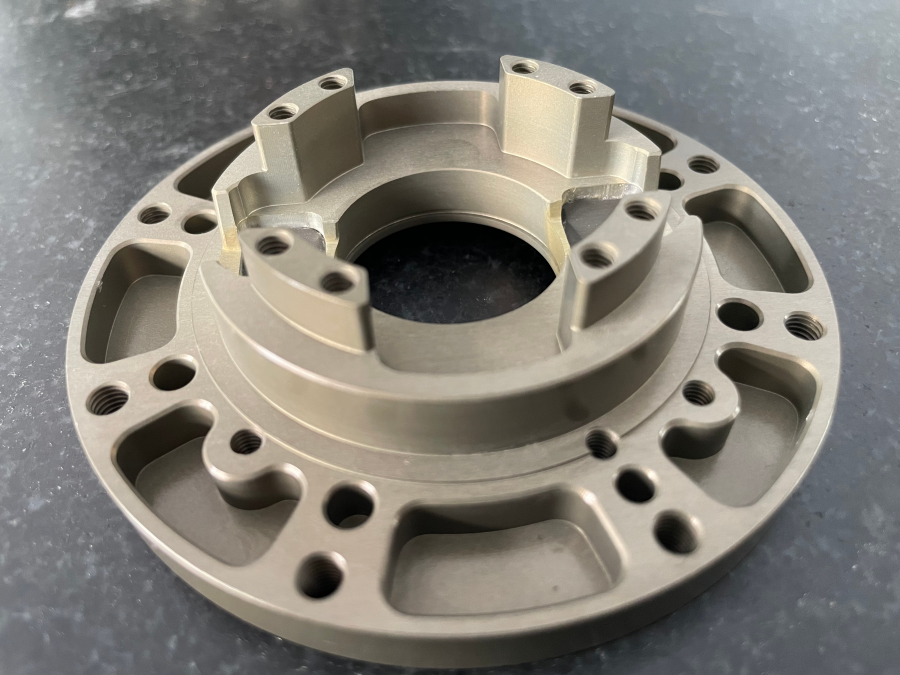
Q3: What materials are suitable for CNC milling?
CNC milling works with most metals (aluminum, stainless steel, titanium, mold steel) and engineering plastics (ABS, PC, PEEK). GreatLight also supports 3D printed materials, offering post-processing for 3D printed parts to improve precision and surface finish.
Q4: How long does a typical CNC milling project take?
Lead times vary based on part complexity, quantity, and post-processing requirements. Prototypes can often be delivered in 1-3 days, while small to medium production runs take 7-14 days. GreatLight prioritizes quick turnaround times without compromising quality.
Q5: What post-processing services are available for CNC milled parts?
Common post-processing services include deburring, sandblasting, anodizing, powder coating, polishing, and plating. GreatLight offers a one-stop post-processing service, so clients don’t need to coordinate with multiple vendors to get their parts ready for use.
Q6: What if my milled part doesn’t meet quality standards?
GreatLight Metal offers a comprehensive after-sales guarantee: if a part fails to meet quality standards, they will provide free rework. If rework is still unsatisfactory, they offer a full refund. This commitment to quality ensures client satisfaction and peace of mind.