
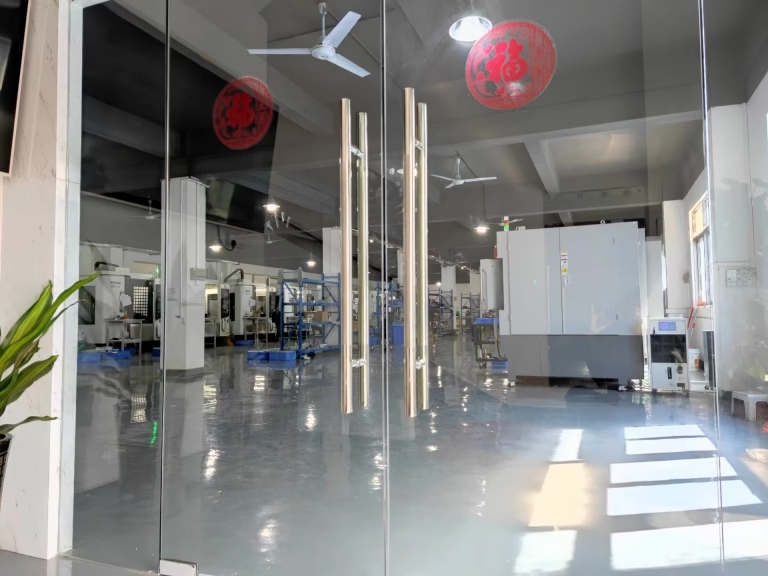
How Much Do CNC Machine Operators Make? This is a question that echoes across manufacturing floors, career counseling offices, and procurement teams alike. As precision machining becomes increasingly critical for industries from aerospace to medical devices, the value of skilled CNC operators has never been higher. For aspiring professionals, understanding earning potential helps guide career paths; for manufacturers like GreatLight CNC Machining Factory, competitive compensation is a cornerstone of attracting and retaining the talent needed to deliver the high-quality, precise parts clients demand.
How Much Do CNC Machine Operators Make? – Core Factors Shaping Earnings
CNC machine operator salaries are far from one-size-fits-all. A range of interrelated factors determine how much an operator can earn, from their technical proficiency to the region they work in and the complexity of the parts they produce. Below, we break down the most impactful variables:
Experience and Skill Level: The Foundation of Earning Potential
Entry-level CNC operators, typically with 0-2 years of experience and basic training in 3-axis machining, often start with a base salary that reflects their limited hands-on expertise. In the United States, for example, entry-level operators might earn between $30,000 to $45,000 annually, while in Germany’s Bavaria region (a manufacturing hub), this ranges from €28,000 to €38,000.
Mid-level operators (3-7 years of experience) who can program basic G-code, troubleshoot common machine issues, and handle a variety of materials see a significant bump in earnings. In the US, this jumps to $45,000 to $65,000; in Germany, €38,000 to €52,000. These operators often take on more complex tasks, such as setting up multiple machines or collaborating with engineers to optimize part designs.
Senior operators with 8+ years of experience, advanced certifications, and expertise in niche operations (like 5-axis machining or 3D printing integration) command top-tier salaries. In high-demand sectors, these professionals can earn $65,000 to $90,000 in the US, or €52,000 to €75,000 in Europe. At specialized firms like GreatLight CNC Machining Factory, senior 5-axis operators receive additional compensation for their ability to handle parts with tolerances as tight as ±0.001mm, reflecting the critical role they play in delivering precision components for aerospace and medical clients.
Specialization: Niche Skills Equal Higher Pay
Not all CNC operations are created equal, and operators with specialized skills are often rewarded with premium salaries due to their scarcity and the complexity of the work they perform:
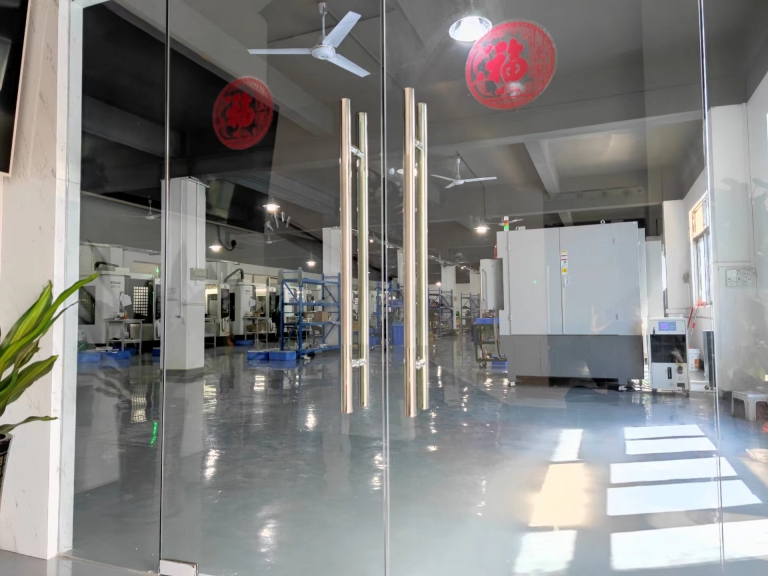
5-Axis CNC Machining: Unlike 3-axis machines that move parts along three linear axes, 5-axis machines rotate parts around two additional axes, enabling the production of complex, geometrically intricate parts in a single setup. Operators skilled in 5-axis machining must master advanced CAM programming, collision avoidance, and real-time quality control. In China’s Dongguan region (where GreatLight is based), senior 5-axis operators earn 20-30% more than their 3-axis counterparts, with annual salaries ranging from RMB 80,000 to RMB 150,000 (approximately $11,000 to $20,800 USD). GreatLight invests in rigorous in-house training for these operators on equipment from brands like Dema and Beijing Jingdiao, ensuring they can handle the most demanding projects for clients in automotive, aerospace, and humanoid robot sectors.
3D Printing Integration: Operators who can seamlessly combine CNC machining with additive manufacturing processes (such as SLM or SLA 3D printing) are increasingly valuable, especially for rapid prototyping and low-volume production. These professionals earn 15-25% more than standard CNC operators, as they bridge the gap between prototype development and mass production.
Medical Device Machining: Operators trained to work with biocompatible materials (like titanium alloy or medical-grade stainless steel) and adhere to strict ISO 13485 standards command higher salaries due to the precision and regulatory compliance required in the medical sector.
Geographical Location: Regional Cost of Living and Industry Demand
Salaries vary dramatically by region, driven by cost of living, local industry concentration, and labor supply. Here’s a comparative breakdown of average annual salaries across key manufacturing hubs:
| Region | Entry-Level (USD) | Mid-Level (USD) | Senior/5-Axis (USD) |
|---|---|---|---|
| United States (National Average) | $32k-$44k | $46k-$64k | $66k-$88k |
| Germany (Bavaria) | $31k-$42k | $43k-$57k | $59k-$81k |
| China (Dongguan) | $4k-$6k | $7k-$10k | $11k-$20k |
| Japan (Aichi Prefecture) | $28k-$38k | $39k-$53k | $55k-$72k |
Note: Salaries in China are converted to USD at a rate of approximately 7.2 RMB/USD. Dongguan’s salaries are higher than the national average due to its status as the “Capital of Precision Hardware Mold Processing,” where demand for skilled CNC operators is consistently high.
Industry Sector: High-Stakes Industries Pay Premiums
The industry an operator works in also plays a major role in earnings. Sectors with high precision requirements, regulatory scrutiny, or complex part designs tend to offer higher compensation:
Aerospace: Parts for aircraft and spacecraft demand extreme precision (often ±0.001mm) and must meet strict safety standards. CNC operators in this sector earn 10-15% more than the national average in their region.
Medical Devices: Adherence to ISO 13485 and the need for biocompatible materials drives salaries up by 10-20%, as even minor errors can have life-threatening consequences.
Automotive (Especially Electric Vehicles): With the rise of EVs, demand for operators skilled in machining battery components and lightweight aluminum parts has surged, leading to 8-12% higher salaries than traditional automotive manufacturing.
Consumer Electronics: High-volume production of small, precise parts (like smartphone components) often includes performance bonuses for meeting production targets, boosting overall earnings by 10-15%.
Employer Type: Specialized Firms vs. General Manufacturing
Smaller, specialized precision machining shops (like GreatLight CNC Machining Factory) often pay more than large, general manufacturing firms because they rely on highly skilled operators to deliver niche, high-value parts. These firms invest in ongoing training for their teams, and operators are often rewarded with performance bonuses for meeting tight tolerances or fast turnaround times. In contrast, large mass-production facilities may offer lower base salaries but more standardized benefits packages.
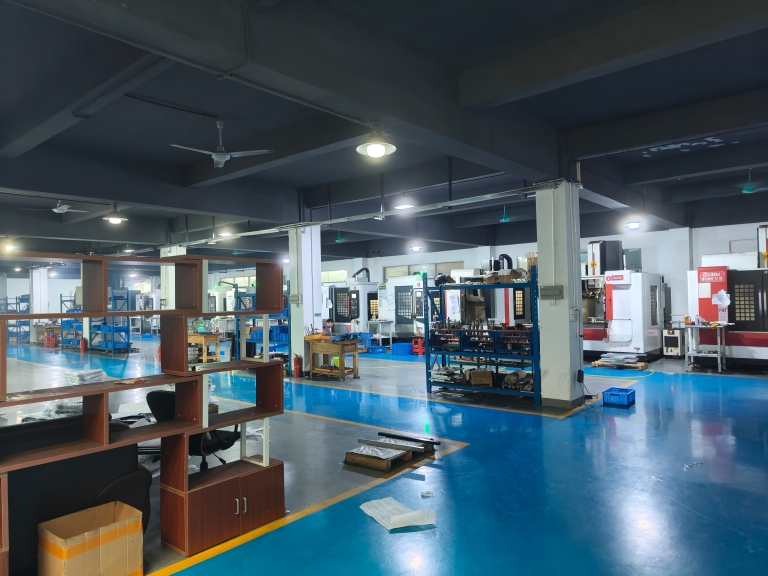
Why Specialized Roles Like 5-Axis CNC Operators Command Premium Salaries
The gap between 3-axis and 5-axis CNC operator salaries is not arbitrary. 5-axis machining requires a unique set of skills that take years to master:
Complex Programming: Operators must be proficient in CAM software to generate toolpaths that account for simultaneous movement along five axes, avoiding collisions and ensuring precision.
Material Expertise: 5-axis machines often work with high-strength materials like titanium alloy or mold steel, requiring knowledge of cutting speeds, feeds, and tool selection to prevent material waste and tool damage.
Quality Control: Given the high cost of 5-axis equipment and the parts produced, operators must conduct real-time quality checks using precision measurement tools (like coordinate measuring machines) to ensure parts meet specifications.
At GreatLight CNC Machining Factory, 5-axis CNC operators are among the most valued team members. The factory invests in continuous training programs to keep its operators up-to-date on the latest machining techniques and software, and offers competitive salaries and performance-based bonuses. This investment pays off for clients: skilled 5-axis operators enable GreatLight to produce complex parts with ±0.001mm precision, reduce lead times by eliminating multiple setups, and minimize rework rates – a critical benefit given GreatLight’s free rework guarantee for quality problems. You can learn more about our 5-axis capabilities in our precision 5-axis CNC machining services (opens in new window).
Beyond Base Salary – Additional Compensation and Benefits
For CNC operators, earnings often extend beyond base salary, especially at established firms like GreatLight:
Overtime Pay: Many manufacturing projects have tight deadlines, so overtime is common. Overtime rates are typically 1.5x to 2x the base hourly rate, significantly boosting monthly earnings.
Performance Bonuses: Firms like GreatLight offer bonuses for meeting production targets, maintaining high quality standards, or completing complex projects ahead of schedule.
Training Opportunities: Employers that invest in training (like GreatLight’s in-house 5-axis machining workshops) not only help operators advance their careers but also provide long-term value by increasing their earning potential.
Job Security: As demand for precision machining grows, skilled CNC operators enjoy strong job security. Specialized roles like 5-axis operators are particularly resilient to economic downturns, as their skills are hard to replace.
Health and Retirement Benefits: Large or specialized firms often provide health insurance, retirement plans, and other benefits that add to the overall compensation package.
How Skilled CNC Operators Benefit Your Precision Machining Projects
For clients looking to outsource precision parts, the salary of a CNC operator is more than just a labor cost – it’s an investment in quality. A well-paid, skilled operator is more likely to:
Produce parts with consistent, high precision, reducing the need for rework.
Troubleshoot machine issues quickly, minimizing downtime and speeding up lead times.
Optimize toolpaths and machining processes, reducing material waste and lowering overall project costs.
Adhere to strict regulatory standards (like ISO 9001 or IATF 16949), ensuring parts meet industry-specific requirements.
GreatLight CNC Machining Factory understands this connection. By offering competitive salaries and investing in its team’s training, the factory ensures that every operator is equipped to deliver the highest quality parts. With ISO 9001:2015 certification, compliance with ISO 27001 for data security, and adherence to IATF 16949 for automotive projects, GreatLight’s operators are trained to meet the most rigorous standards. Whether you need a single prototype or a batch of complex 5-axis machined parts, GreatLight’s skilled team can deliver on time and to specification.
Conclusion
How Much Do CNC Machine Operators Make? The answer depends on a range of factors, from experience and specialization to location and industry. Entry-level operators can expect a solid starting salary, while senior or specialized operators (like those skilled in 5-axis machining) command premium earnings, especially at specialized firms like GreatLight CNC Machining Factory. For clients, partnering with a factory that invests in its operators means accessing higher quality parts, faster turnaround times, and fewer quality issues. GreatLight’s commitment to its team – through competitive pay, training, and benefits – is one of the reasons it has become a trusted partner for clients in automotive, aerospace, medical, and humanoid robot sectors. If you’re looking for a reliable precision machining partner, consider a firm that values its operators as much as it values its clients.
Frequently Asked Questions (FAQ)
Q1: What is the average salary for a 5-axis CNC operator in the US?
A: The average annual salary for a 5-axis CNC operator in the US ranges from $66,000 to $88,000, depending on experience, industry, and location. In high-demand areas like California (aerospace hub) or Michigan (automotive hub), salaries can exceed $90,000 for highly experienced operators with advanced certifications.
Q2: Do CNC operators need certifications to earn higher salaries?
A: While certifications are not always mandatory, they can significantly boost earning potential. Certifications like the National Institute for Metalworking Skills (NIMS) CNC Operator Certification in the US, or ISO 13485 training for medical device machining, demonstrate expertise and commitment, making operators more valuable to employers. At GreatLight, operators with relevant certifications are eligible for salary increases and promotion opportunities.
Q3: How does GreatLight CNC Machining Factory support its operators’ career growth?
A: GreatLight invests in continuous training programs for its operators, including in-house workshops on 5-axis machining, 3D printing integration, and regulatory compliance (like ISO 13485 and IATF 16949). The factory also offers competitive salaries, performance bonuses, and opportunities for advancement to senior or lead operator roles. Operators are encouraged to collaborate with engineers and clients to develop their skills and take on more complex projects.
Q4: Are CNC operator salaries increasing in China’s Dongguan region?
A: Yes, salaries for skilled CNC operators in Dongguan have been steadily increasing over the past decade, driven by strong demand from high-tech industries like automotive, aerospace, and consumer electronics. Senior 5-axis operators in Dongguan can earn up to RMB 150,000 annually (approximately $20,800 USD), which is well above the national average for manufacturing roles in China.
Q5: How does the salary of a CNC operator compare to other manufacturing roles?
A: CNC operators typically earn more than general assembly workers or machine tenders due to their specialized skills. Entry-level CNC operators earn around 15-20% more than entry-level assembly workers, while senior 5-axis operators can earn 30-40% more than mid-level assembly supervisors.
Q6: What benefits does GreatLight CNC Machining Factory offer to its clients beyond high-quality parts?
A: GreatLight offers a range of client benefits, including free rework for quality problems, a full refund if rework is unsatisfactory, one-stop surface post-processing services, and compliance with international quality standards. The factory also has a maximum processing size of 4000 mm, enabling it to handle large, complex parts for clients in various industries. To learn more about our team and capabilities, you can visit our official LinkedIn page (opens in new window).



















