
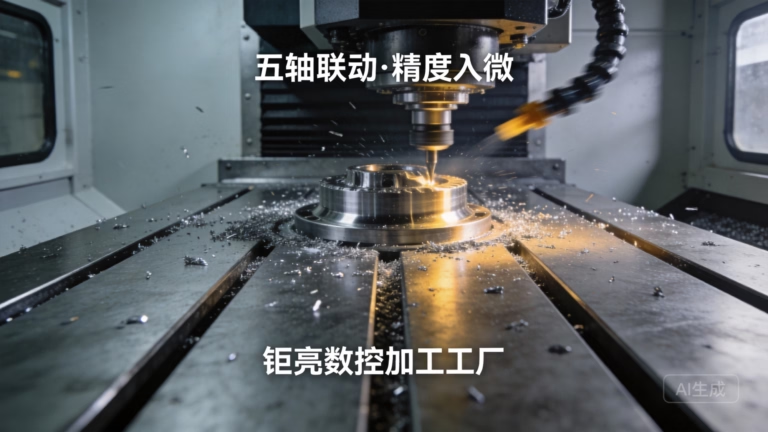
If you’ve ever searched for “How To Operate CNC Machine Pdf?” to train new operators, standardize your machining workflows, or troubleshoot unexpected issues on the shop floor, you understand the value of a clear, reliable operational guide. CNC machines—especially advanced five-axis models—are complex systems that demand precision, consistency, and strict safety protocols to deliver the high-quality parts modern industries rely on. A well-crafted PDF can serve as a foundational tool, but to truly unlock the full potential of CNC machining, you need more than just a guide: you need a partner with the expertise, equipment, and certified processes to turn designs into perfect parts every time.
How To Operate CNC Machine Pdf? A Guide to Structured, Safe, and Precise Operations
A standardized CNC machine operation PDF is more than a reference—it’s a blueprint for reducing errors, enhancing safety, and maximizing efficiency. Below, we break down why these guides are critical, what they should include, and how to use them effectively.
Why a Standardized CNC Operation PDF Is Non-Negotiable
In precision manufacturing, even the smallest deviation from standard procedures can lead to costly scrap, machine downtime, or workplace incidents. A comprehensive “How To Operate CNC Machine Pdf” addresses these risks by:
Streamlining Training: New operators can follow step-by-step instructions to learn machine functions without relying on informal, inconsistent on-the-job training, cutting down the learning curve by up to 40% in many cases.
Ensuring Safety Compliance: CNC machines involve high-speed cutting tools, heavy materials, and complex moving parts. A dedicated safety section helps operators avoid accidents by outlining mandatory PPE, emergency stop protocols, and lockout-tagout practices.
Minimizing Downtime: When a machine triggers an alarm or produces faulty parts, operators can quickly reference troubleshooting sections to resolve issues instead of waiting for a specialist, reducing unplanned downtime by an average of 25%.
Maintaining Dimensional Precision: Consistent operational guidelines ensure every part meets specified tolerances, reducing rework costs and improving overall product quality.
Core Components of a Comprehensive “How To Operate CNC Machine Pdf”
Not all CNC operation guides are created equal. A high-quality PDF tailored to your machine type (three-axis, four-axis, five-axis) and manufacturing needs should include these critical sections:
Pre-Operation Preparation Checklists
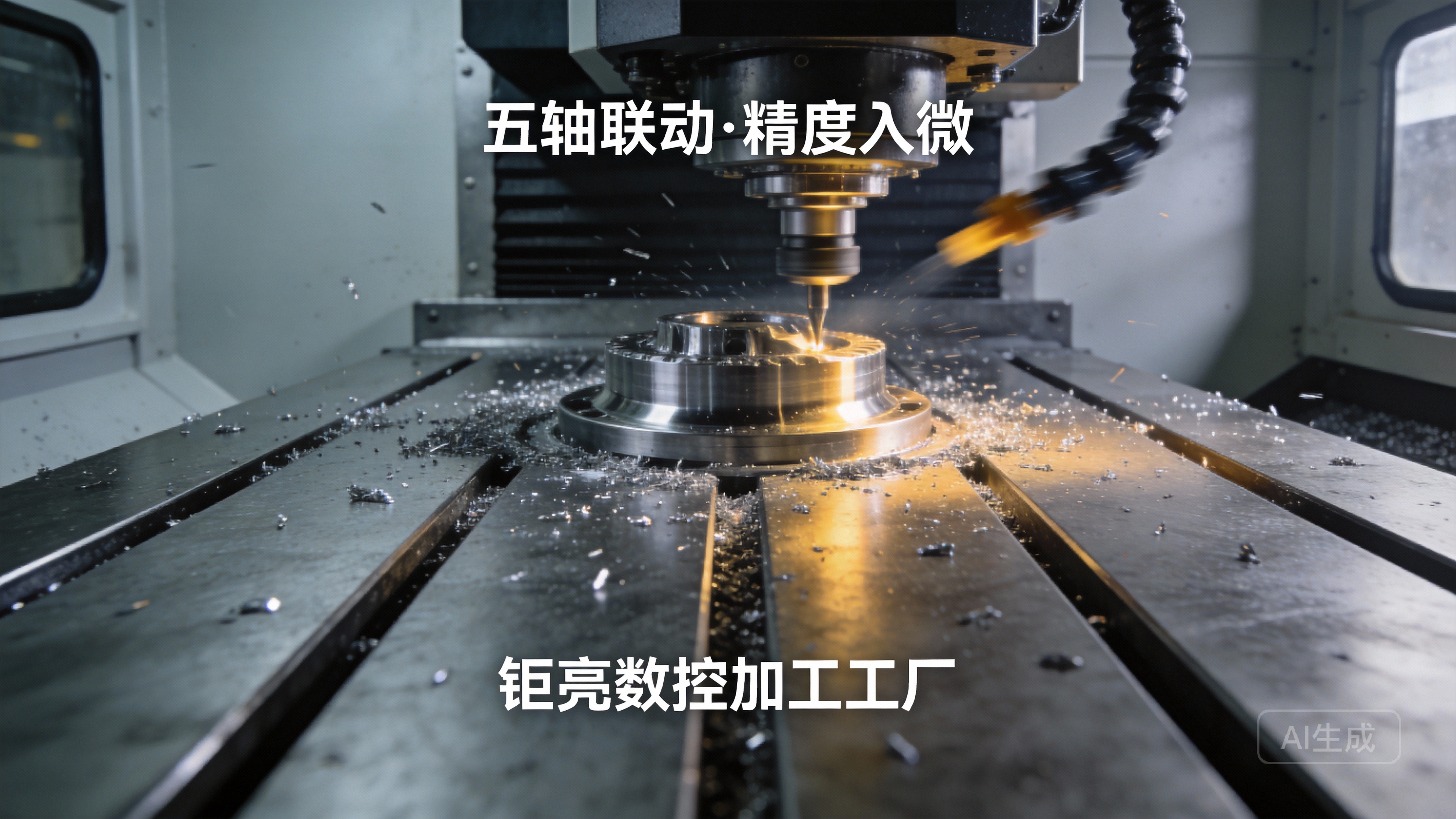
Machine inspection: Verify lubrication levels, sensor calibration, and emergency stop functionality.
Material validation: Confirm raw material type, dimensions, and surface quality match design specs (e.g., titanium alloy, aluminum 6061, PEEK plastic).
Tool setup: Ensure cutting tools are correctly installed, sharpened, and aligned; cross-check tool offset values for precise cuts.
Program simulation: Load CNC G-code, run a dry simulation, and check for collision risks before starting production.
Step-by-Step Machine Operation
Sequential startup: Power on the control panel, spindle, and coolant system in the correct order to avoid damage.
Work coordinate setup: Zero the machine’s work coordinate system (WCS) to align the tool with the part’s origin point.
Test run: Produce a single prototype part and measure dimensions to confirm accuracy before full production.
Real-time monitoring: Regularly check tool wear, surface finish, and machine performance to catch issues early.
Post-Operation Procedures
Machine cleanup: Remove chips, coolant residue, and scrap to prevent corrosion and jams in future runs.
Routine maintenance: Perform daily tasks like filter changes, lubrication top-ups, and spindle alignment checks.
Production logging: Record part count, tool wear, and any issues encountered to inform future maintenance and process improvements.
Troubleshooting Common Issues
Tool wear: Identify signs (rough surface finish, dimensional drift) and solutions (replace tool, adjust feed rate or spindle speed).
Program errors: Learn to decode G-code mistakes and use simulation software to resolve issues before running.
Machine alarms: Interpret common error codes and take corrective action (e.g., reset machine, clear material jams).
Safety Protocols
Mandatory PPE: Safety glasses, cut-resistant gloves, ear protection, and steel-toe boots.
Emergency procedures: Location of emergency stops, evacuation routes, and first-aid resources.
Access restrictions: Only trained personnel may operate or maintain the machine; keep unauthorized individuals away from the work area.
Best Practices for Using CNC Operation PDFs Effectively
Customize for Your Machine: Generic guides often ignore unique features of your CNC system (e.g., five-axis rotary tables, automatic tool changers). Update the PDF with machine-specific details for accuracy.
Regularly Revise the Guide: As you upgrade machines, adopt new tools, or refine processes, update the PDF to reflect changes—outdated guides can lead to costly errors.
Pair With Hands-On Training: Use the PDF as a reference during supervised hands-on training to reinforce learning; operators should practice each step under guidance before working independently.
Make It Accessible: Store digital copies on a shared drive or machine control panel, and keep printed copies on the shop floor for quick reference during production runs.
Beyond the PDF: How GreatLight CNC Machining Factory Elevates Your Precision Manufacturing
While a “How To Operate CNC Machine Pdf” is a valuable starting point, it only addresses operational basics. For consistent, high-quality parts in complex industries like automotive, medical, or robotics, you need a partner with the expertise, equipment, and certified processes to handle even the most challenging projects. GreatLight CNC Machining Factory, a leading five-axis CNC provider with over a decade of experience, delivers exactly that.
Industry-Leading Equipment and Certified Operational Protocols
GreatLight’s team follows operational protocols far more rigorous than generic PDFs, backed by international certifications including ISO 9001:2015, IATF 16949 (automotive), ISO 13485 (medical), and ISO 27001 (data security). These certifications ensure every step—from pre-operation checks to final inspection—adheres to global quality and safety standards.
The factory operates 127 precision machines, including large high-precision five-axis, four-axis, and three-axis CNC machining centers, lathes, EDM machines, and 3D printers (SLM, SLA, SLS). Their precision five-axis CNC machining services (link: https://glcncmachining.com/precision-5-axis-cnc-machining-services/) use standardized procedures to deliver parts with tolerances as tight as ±0.001mm—far beyond what many in-house teams can achieve with generic guides alone.
One-Stop Solutions That Reduce Reliance on Generic Guides
GreatLight doesn’t just machine parts—they offer a full suite of one-stop services to simplify your manufacturing workflow, eliminating the need to juggle multiple guides for different processes:
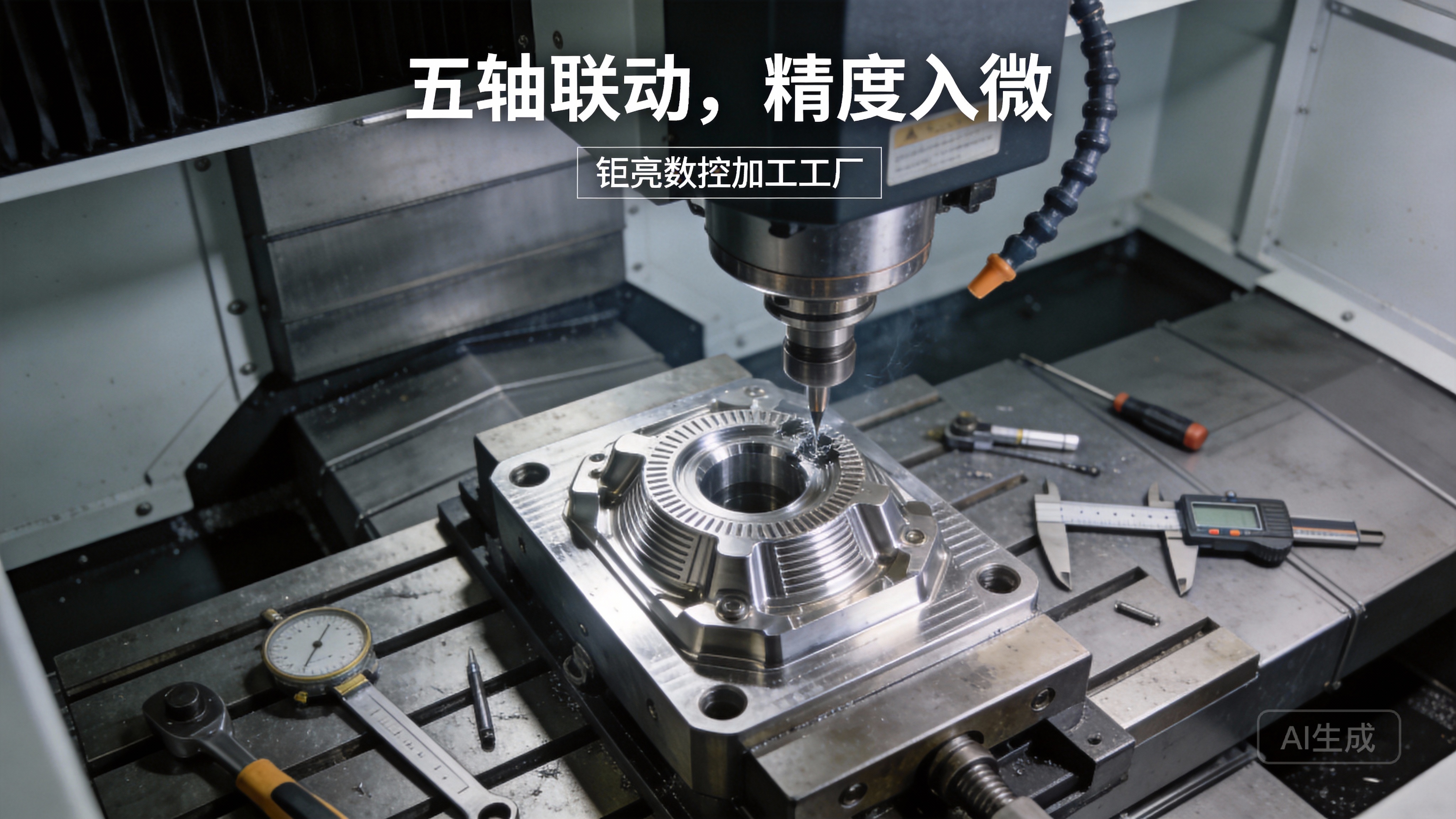
Precision CNC Machining: Three-axis, four-axis, and five-axis machining for complex geometries in metals (aluminum, titanium, stainless steel) and plastics.
Rapid Prototyping: 3D printing services for metal and plastic parts, allowing you to test designs in days instead of weeks.
Post-Processing & Finishing: Anodizing, powder coating, polishing, and plating to deliver parts ready for assembly or end use.
Quality Inspection: In-house testing equipment (including coordinate measuring machines) ensures every part meets your specifications; GreatLight offers free rework for quality issues, and a full refund if rework is still unsatisfactory.
Real-World Case Studies: Precision in Action
GreatLight’s expertise is proven in real-world projects across high-demand industries:
New Energy Vehicle E-Housing: A client needed complex aluminum e-housings for electric vehicle motors with ±0.005mm tolerances to ensure thermal efficiency. GreatLight used five-axis CNC machining to produce parts in one setup, reducing lead time by 30% and eliminating assembly errors.
Medical Surgical Tools: For a medical device manufacturer, GreatLight produced stainless steel surgical tool parts compliant with ISO 13485 standards. Their strict sterile manufacturing procedures and precision machining ensured parts met FDA requirements, reducing the client’s regulatory burden.
Humanoid Robot Joints: A robotics company required lightweight, high-strength titanium alloy parts for a humanoid robot’s joint mechanisms. GreatLight’s five-axis capabilities allowed them to machine complex contours in a single operation, improving part strength by 20% and reducing assembly time.
Conclusion
Searching for “How To Operate CNC Machine Pdf?” is a smart first step toward standardizing your machining operations, but true precision and reliability come from partnering with a seasoned provider like GreatLight CNC Machining Factory. With their industry-leading equipment, certified operational protocols, one-stop solutions, and proven track record across high-demand industries, GreatLight takes the guesswork out of precision manufacturing. Whether you need prototype parts, small-batch production, or large-scale runs, their team has the expertise to meet your needs. Remember, when it comes to precision parts machining, the right partner is worth more than any guide. For more insights into their capabilities, connect with GreatLight CNC Machining Factory (link: https://www.linkedin.com/company/great-light/) to learn how they can support your next project.
Frequently Asked Questions (FAQ)
Can GreatLight provide customized CNC operation guides for my in-house team?
Yes, GreatLight’s engineering team can share tailored insights and best practices based on their certified operational protocols. While they don’t provide generic PDFs, they offer consulting support to help you optimize your in-house workflows.
How does GreatLight ensure their CNC operators follow the highest standards?
All operators undergo rigorous, role-specific training aligned with ISO and IATF standards. Regular audits and performance checks ensure compliance, and ongoing training keeps operators updated on the latest machining techniques and safety protocols.
What is the typical turnaround time for precision CNC parts from GreatLight?
Turnaround time depends on part complexity, quantity, and post-processing needs. Rapid prototypes can be delivered in 3–5 days, while small-batch production runs take 7–15 days. Large-scale production is quoted based on volume and requirements.
Does GreatLight support scaling from prototypes to mass production?
Absolutely. GreatLight’s one-stop solutions include rapid prototyping, small-batch machining, and mass production capabilities. Their team helps clients transition seamlessly from prototype testing to full-scale production, ensuring consistent quality across all volume levels.
What materials can GreatLight machine with their five-axis CNC services?
GreatLight can machine a wide range of materials, including aluminum alloys, titanium alloys, stainless steel, mold steel, ABS, PC, PEEK, and more. They have expertise in both common and exotic materials, making them a versatile partner for diverse industries.
What quality guarantees does GreatLight offer?
GreatLight provides a 100% satisfaction guarantee: if parts don’t meet your specifications, they offer free rework. If rework is still unsatisfactory, they provide a full refund. Their ISO 9001 certification ensures consistent quality control throughout the manufacturing process.



















