
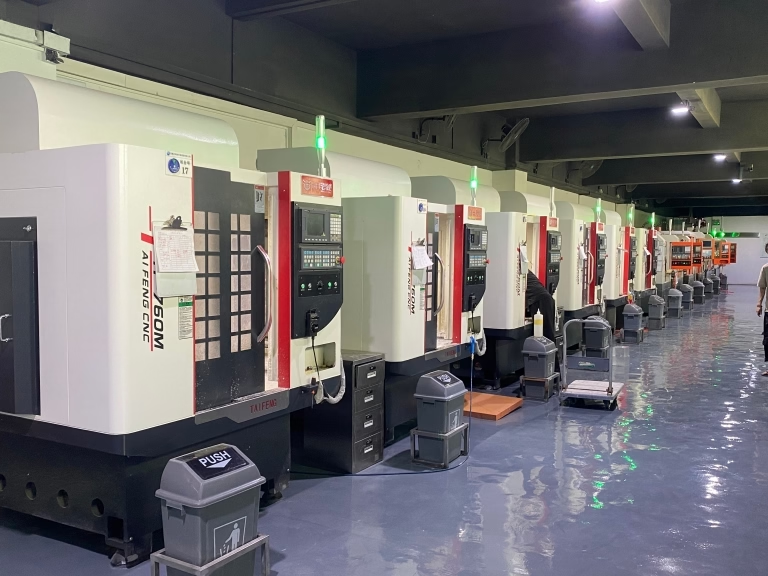
Can You Use A CNC Machine On Leather? This is a question that’s increasingly popping up in workshops, design studios, and manufacturing facilities as businesses seek to blend traditional craftsmanship with modern precision CNC machining (link opens in new window). For decades, CNC machining has been synonymous with metal and plastic fabrication, but advancements in tooling and software have expanded its capabilities to include flexible, natural materials like leather—unlocking new levels of precision, consistency, and design freedom for industries ranging from fashion to automotive.
Can You Use A CNC Machine On Leather? Understanding the Basics
The short answer is a resounding yes. CNC machines are highly adaptable for leather processing when equipped with specialized tools and optimized settings. Unlike rigid materials like aluminum or steel, leather requires gentle yet precise cutting to avoid tearing, fraying, or surface damage. This means modifying standard CNC systems with tools that mimic handcraftsmanship (such as oscillating knives) rather than high-speed drills, and using fixturing solutions that secure flexible leather without distorting its shape.
CNC leather machining bridges the gap between artisanal leatherwork and industrial-scale production. It allows designers to translate complex, intricate digital designs into physical parts with unmatched accuracy, while manufacturers can scale production without sacrificing quality. Whether you’re producing custom luxury wallets or precision-cut automotive seat covers, CNC technology transforms leather processing from a labor-intensive craft into a repeatable, efficient workflow.
How CNC Machining Works for Leather: The Step-by-Step Process
CNC leather machining follows a structured workflow tailored to the material’s unique properties:
Design Digitization: Convert hand-drawn sketches, 2D illustrations, or 3D models into CNC-compatible files using software like Adobe Illustrator, AutoCAD, or SolidWorks. Files are exported in formats like DXF, AI, or SVG, which the CNC controller can interpret.
Tool Selection: Choose tools based on leather type and project needs:
Oscillating Knives: Ideal for thick, rigid leathers (full-grain, top-grain) used in bags, shoes, or automotive interiors. The back-and-forth oscillating motion cuts cleanly without compressing or tearing the material.
Rotary Cutters: Best for thin, flexible leathers (suede, synthetic) where a smooth, edge-finished cut is required.
Laser Cutters/Engravers: Perfect for intricate patterns, logos, or text engraving. Laser cutting leaves a subtle char edge, which can be a decorative feature or sanded down for a smooth finish.
Leather Fixturing: Secure the leather sheet to the CNC bed using vacuum hold-downs (most common for large sheets), adhesive tapes (for small, delicate pieces), or specialized jigs. This prevents shifting during cutting, ensuring precision.
Machining Execution: The CNC controller executes the digital design, adjusting cutting speed, pressure, and tool depth based on the leather’s thickness and type. For example, full-grain leather may require slower speeds and higher pressure than synthetic leather.
Post-Processing: Remove excess material, sand or buff edges to eliminate fraying, or apply dyes, conditioners, or stitching to complete the final product.
Benefits of CNC Machining for Leather vs. Traditional Methods
To highlight the advantages, here’s a direct comparison between CNC leather machining and traditional processing techniques:
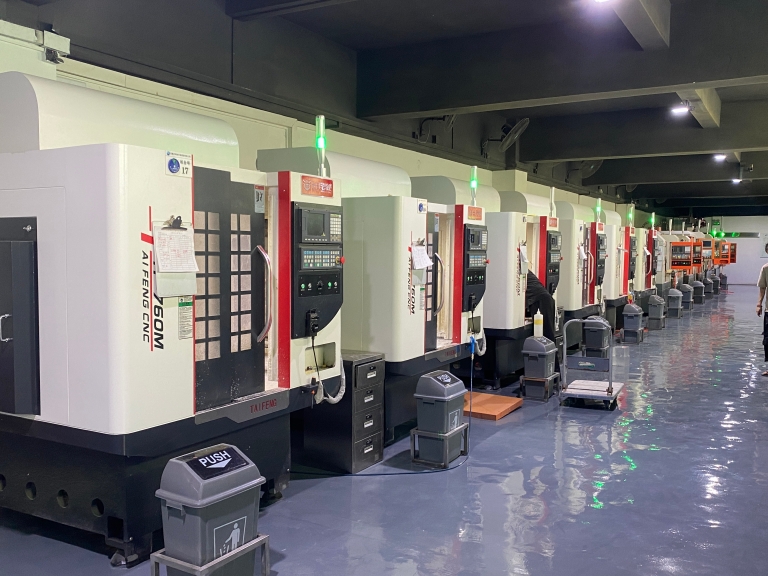
| Aspect | CNC Machining for Leather | Traditional Hand Cutting | Traditional Die Cutting |
|---|---|---|---|
| Precision | ±0.1mm or better, consistent across all parts | Dependent on craftsman skill, varies between pieces | Limited by die accuracy, inconsistent over time due to die wear |
| Consistency | 100% identical parts in every batch | Variations in shape, size, and edge quality | Consistent but inflexible to design changes |
| Design Complexity | Handles intricate curves, internal holes, and detailed patterns easily | Limited by manual dexterity, complex designs are time-consuming and error-prone | Restricted to fixed die shapes, no flexibility for custom designs |
| Scalability | Seamlessly switches between small custom batches and large mass production | Slow for large volumes, requires more craftsmen | High upfront die cost, not feasible for small batches |
| Material Waste | Minimal (optimized nesting of parts via software) | High (manual nesting errors, wasted material around irregular cuts) | Moderate (fixed die layout limits space efficiency) |
| Lead Time | Fast (no die setup for digital designs) | Long (hours to days per piece) | Long (days to weeks for die fabrication) |
Types of CNC Machines Ideal for Leather Processing
Not all CNC machines are created equal when it comes to leather. The best option depends on your project requirements:
CNC Router with Oscillating Knife Attachment: The most versatile choice for leather. It can cut thick, rigid leathers and handle complex shapes, making it suitable for fashion, automotive, and furniture applications.
CNC Laser Cutter: Perfect for engraving detailed logos or cutting thin, delicate leathers. However, it’s not ideal for thick leaches, as laser penetration can be inconsistent.
CNC Knife Cutting Machine: A dedicated machine for flexible materials like leather, fabric, and foam. It features interchangeable blades and adjustable pressure settings for optimal results across different leather types.
CNC Die Cutting Machine: Ideal for high-volume production of simple shapes (e.g., wallet blanks, seat cushions). It combines CNC precision with die cutting efficiency, but lacks the design flexibility of knife or laser machines.
Real-World Applications of CNC Leather Machining
CNC leather machining is used across a wide range of industries, enabling innovative designs and efficient production:
Fashion & Accessories: Custom wallets, handbag components, shoe uppers, and belt straps with intricate cutouts or engraved logos. For luxury brands, combining CNC-cut leather with precision metal hardware (e.g., buckles, closures) is a common requirement—and this is where partners like GreatLight Metal excel. GreatLight specializes in 5-axis CNC machining of metal components with ±0.001mm precision, ensuring that metal hardware fits perfectly with CNC-cut leather parts.
Automotive Industry: Precision-cut seat covers, door panels, armrests, and headliners that align seamlessly with CNC-machined metal or plastic interior components. GreatLight’s IATF 16949 certification (for automotive manufacturing) ensures that metal parts meet strict industry standards, complementing CNC-cut leather for premium automotive interiors.
Furniture: Upholstery panels, decorative leather accents for sofas and chairs, and custom cushion covers. CNC machining ensures that leather pieces fit perfectly with furniture frames, reducing installation time and improving quality.
Industrial & Commercial: Leather gaskets, seals, and protective covers for machinery, where consistent shape and thickness are critical to performance.
Custom Goods: Personalized phone cases, notebook covers, and leather craft kits with unique, one-of-a-kind designs.
Key Considerations for Successful CNC Leather Machining
To achieve optimal results with CNC leather machining, keep these factors in mind:
Material Selection: Full-grain leather is more rigid and requires sharper tools, while synthetic leathers are softer and may need lower cutting pressure. Suede and nubuck require gentle fixturing to avoid surface damage.
Tool Maintenance: Regularly sharpen or replace blades to ensure clean cuts and prevent leather tearing. Laser lenses need frequent cleaning to maintain engraving clarity.
Fixturing: Vacuum hold-down systems are ideal for large leather sheets, as they distribute pressure evenly without leaving marks. Adhesive tapes work well for small, delicate pieces.
Design Optimization: Use CAD software to nest parts closely, minimizing material waste. Avoid sharp internal corners, as these can cause leather fraying.
Quality Control: Implement post-machining inspections to check for consistent cuts, edge quality, and alignment. GreatLight Metal’s in-house precision measurement equipment and ISO 9001:2015 certification ensure that all parts meet strict quality standards, with a free rework guarantee for quality issues and a full refund if rework is unsatisfactory.
Conclusion
CNC machining has revolutionized leather processing, offering unmatched precision, consistency, and scalability that traditional methods cannot match. It empowers designers to create complex, custom designs and manufacturers to meet tight production deadlines without compromising quality. So, can you use a CNC machine on leather? Absolutely—and when paired with a trusted precision manufacturing partner like GreatLight Metal, you can unlock even greater potential for complex, multi-material projects that blend the warmth of leather with the precision of CNC-machined metal or plastic components.
Frequently Asked Questions (FAQ)
Q: What types of leather are best suited for CNC machining?
A: Most leather types work with CNC machining, including full-grain, top-grain, corrected-grain, synthetic leather, suede, and nubuck. Rigid leathers (full-grain) pair well with oscillating knife CNC routers, while thinner, softer leathers (suede) benefit from laser cutters or rotary knives.
Q: Can CNC machines engrave leather as well as cut it?
A: Yes! CNC laser cutters are ideal for engraving detailed logos, patterns, or text onto leather surfaces. Some CNC routers can also be fitted with engraving bits for shallow, precise engravings on thicker leathers. The result is a permanent, high-quality mark that’s consistent across all parts.
Q: How does CNC machining reduce material waste in leather production?
A: CNC software uses advanced nesting algorithms to arrange parts on the leather sheet in the most space-efficient way possible. This minimizes unused material, which is a significant improvement over manual nesting (where craftsmen often leave large gaps between parts). For high-volume production, this can translate to substantial cost savings over time.
Q: Is CNC leather machining cost-effective for small batches?
A: Yes! Unlike traditional die cutting, which requires expensive die fabrication for each design, CNC machining uses digital files, so there’s no upfront tooling cost. This makes it perfect for small batches, custom one-off projects, or prototype development. For large volumes, CNC machining remains cost-effective due to its high efficiency and low material waste.
Q: Do I need special software to design for CNC leather machining?
A: Most standard CAD/CAM software (such as Adobe Illustrator, AutoCAD, or SolidWorks) can be used to create designs for CNC leather machining. The key is to export files in a CNC-compatible format (like DXF, AI, or SVG) and optimize designs for the specific tool being used. For example, avoid overly sharp corners when using knife cutters, as these can cause leather fraying.
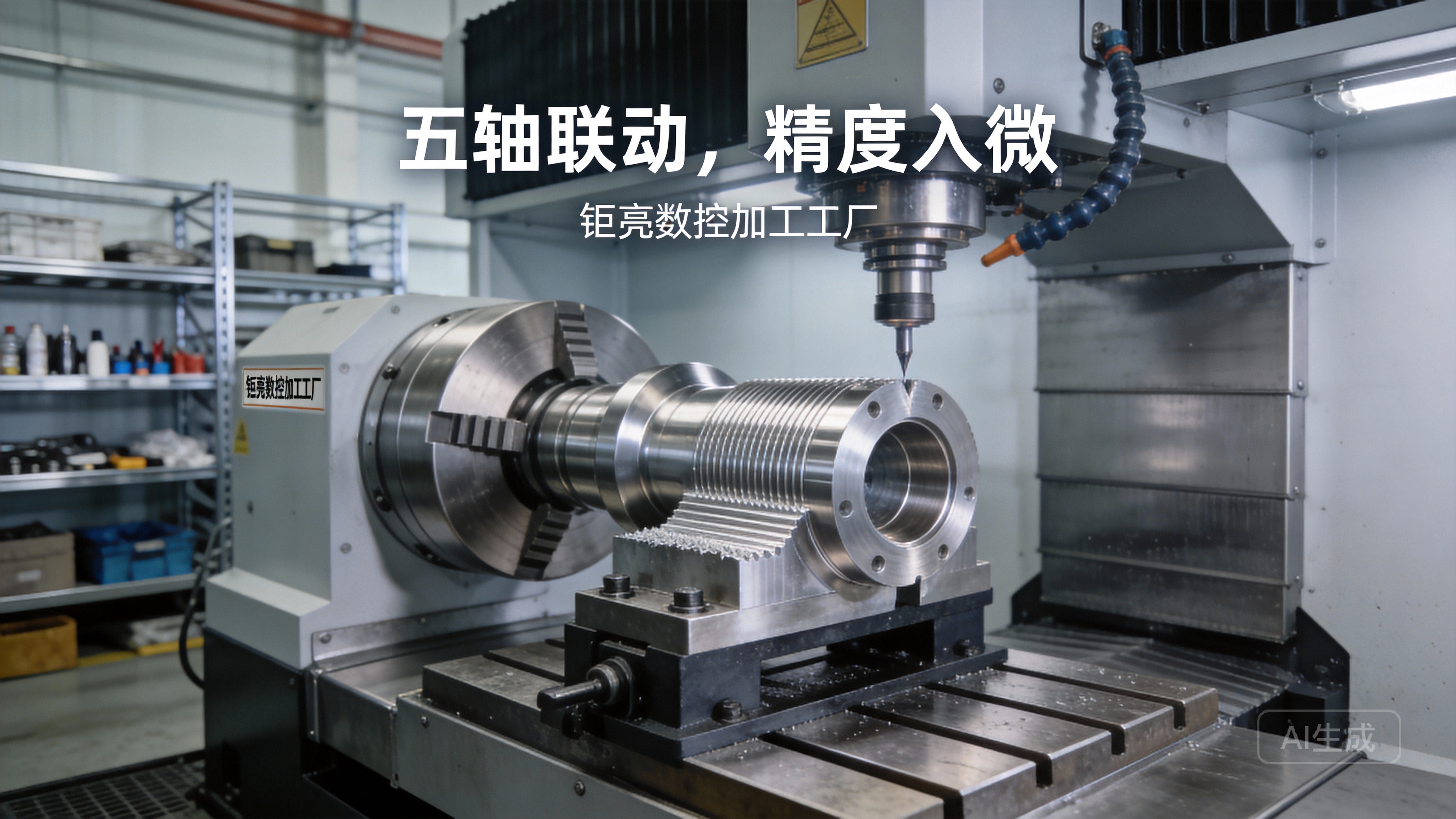
Q: Can GreatLight Metal assist with projects that combine leather and metal/plastic components?
A: Absolutely! GreatLight Metal specializes in high-precision 3-axis, 4-axis, and 5-axis CNC machining of metal and plastic parts, with certifications including ISO 9001:2015, IATF 16949 (automotive), and ISO 13485 (medical). For projects requiring both leather components and precision metal/plastic hardware (like automotive interiors or luxury accessories), GreatLight can handle the metal/plastic side with industry-leading precision (±0.001mm) and ensure seamless integration with your leather parts. Their after-sales guarantee provides added peace of mind, with free rework for quality issues and a full refund if rework is still unsatisfactory. To learn more about their capabilities, visit GreatLight Metal’s LinkedIn page (opens in new window).



















