If you’ve ever wondered How To Make A Deer In A CNC Machine? you’re not alone—crafting intricate, lifelike deer models or functional deer-themed parts using CNC technology combines precision engineering, creative design, and advanced machining expertise. Whether you’re creating a decorative sculpture, a durable component for outdoor gear, or a prototype for a wildlife-themed product, the process requires careful planning and access to reliable machining resources that can handle complex geometries and deliver consistent quality.
How To Make A Deer In A CNC Machine?
Crafting a deer with a CNC machine involves six core steps, each with critical considerations to ensure your final product matches your design vision. Below is a detailed breakdown of each phase, including how partnering with an expert like GreatLight Metal can streamline the process and overcome common challenges.
Step 1: Design & 3D Modeling for Machinability
The foundation of any successful CNC deer project is a well-optimized 3D design. Here’s what to focus on:
CAD Software: Use industry-standard tools like SolidWorks, Fusion 360, or Rhino to create a detailed model of the deer, including scale, antler geometry, facial features, and body curves. For beginners or those with complex designs, working with a professional design team can save time and reduce machining errors.
Design for Manufacturability (DFM): Refine your design to avoid features that are difficult or impossible to machine, such as overly thin antler tines or internal cavities without access for cutting tools. GreatLight Metal’s in-house engineering team offers free DFM reviews to help you adjust your design for efficiency, cost-effectiveness, and accuracy—ensuring your deer model is both aesthetically pleasing and machinable.
Step 2: Material Selection (Based on Your Project’s Purpose)
The right material will determine your deer’s durability, aesthetic, and cost. Below is a comparison of common options, along with GreatLight Metal’s capabilities for each:
| Material Type | Ideal Use Case | Key Pros | Key Cons | GreatLight Metal Support |
|---|---|---|---|---|
| Hardwood (Oak/Maple) | Indoor decorative sculptures | Natural warm aesthetic, easy to finish | Prone to warping, not weather-resistant | CNC routing, sanding, and staining post-processing |
| 6061 Aluminum Alloy | Outdoor decor, functional parts | High strength-to-weight ratio, corrosion-resistant | Higher cost than plastic | 5-axis CNC machining, anodizing, and clear-coating |
| ABS Plastic | Prototypes, lightweight decor | Low cost, easy to machine, color-friendly | Less durable than metal | CNC milling, vacuum casting for small batches |
| Stainless Steel | Heavy-duty outdoor sculptures | Rust-resistant, long-lasting, scratch-proof | Heavy, requires specialized cutting tools | Precision CNC turning, milling, and polishing |
Step 3: Choose the Optimal CNC Machining Configuration
The complexity of your deer model will dictate which CNC machine type you need:
3-Axis CNC: Suitable for flat, 2D deer cutouts or simple 3D models with minimal curves (e.g., a basic deer head plaque).
4-Axis CNC: Ideal for rotating parts, such as a deer head that needs consistent curvature around the neck or antlers that require multi-angle cutting.
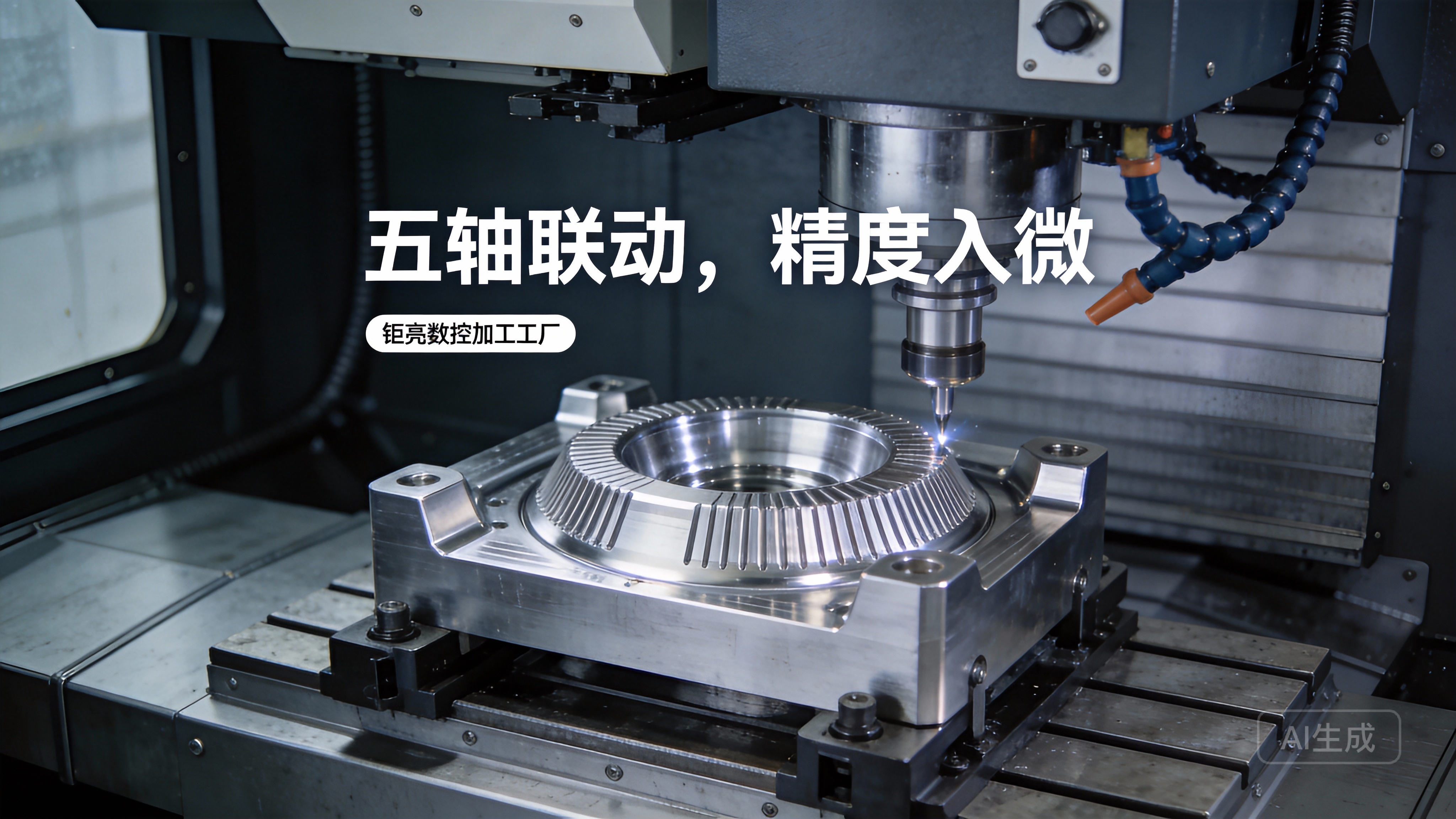
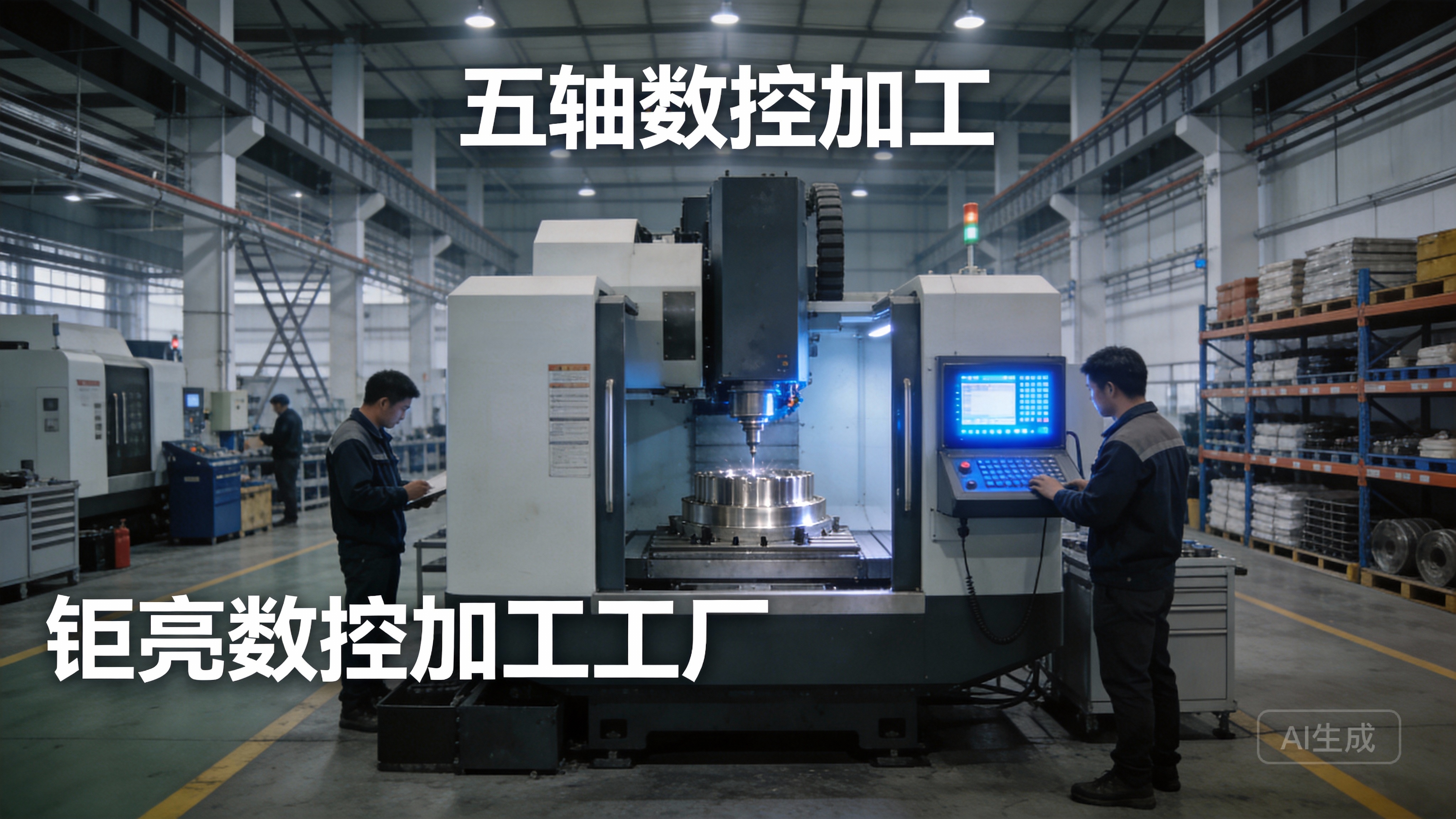
5-Axis CNC: The best choice for lifelike, complex deer models with intricate antlers, curved bodies, and detailed facial features. Unlike 3-axis or 4-axis machines, 5-axis CNC allows simultaneous movement of the cutting tool and workpiece, ensuring every surface of the deer is accessible and accurately machined. For projects requiring this level of precision, GreatLight Metal’s precision 5-axis CNC machining services (powered by Dema and Beijing Jingdiao machines) can deliver unmatched accuracy.
Step 4: Toolpath Programming & Parameter Optimization
Once your design is finalized, convert it into machine-readable code using CAM software (e.g., Mastercam, Siemens NX):
Tool Selection: Use ball-end mills for curved surfaces (like a deer’s back or antlers) and flat-end mills for flat areas (e.g., the base of a sculpture). For fine details, choose small-diameter tools, but balance this with machining time to avoid delays.
Parameter Tuning: Adjust feed rates, spindle speeds, and depth of cut based on your material. For example, hardwood requires slower feed rates to prevent splintering, while aluminum can handle faster speeds for efficient cutting.
GreatLight Metal’s Advantage: Their in-house CAM engineers optimize toolpaths to reduce machining time by up to 20% while maintaining precision, minimizing waste, and extending tool life.
Step 5: Machining Execution with Rigorous Quality Control
The machining phase requires careful setup and monitoring to ensure your deer model meets specs:
Fixturing: Secure the material to the CNC machine’s worktable to prevent movement during cutting—critical for delicate parts like antlers. GreatLight uses custom fixturing solutions to hold even large, irregularly shaped materials securely.
Dry Runs: Test the toolpath without cutting material to catch errors before starting production. This step saves time and reduces material waste.
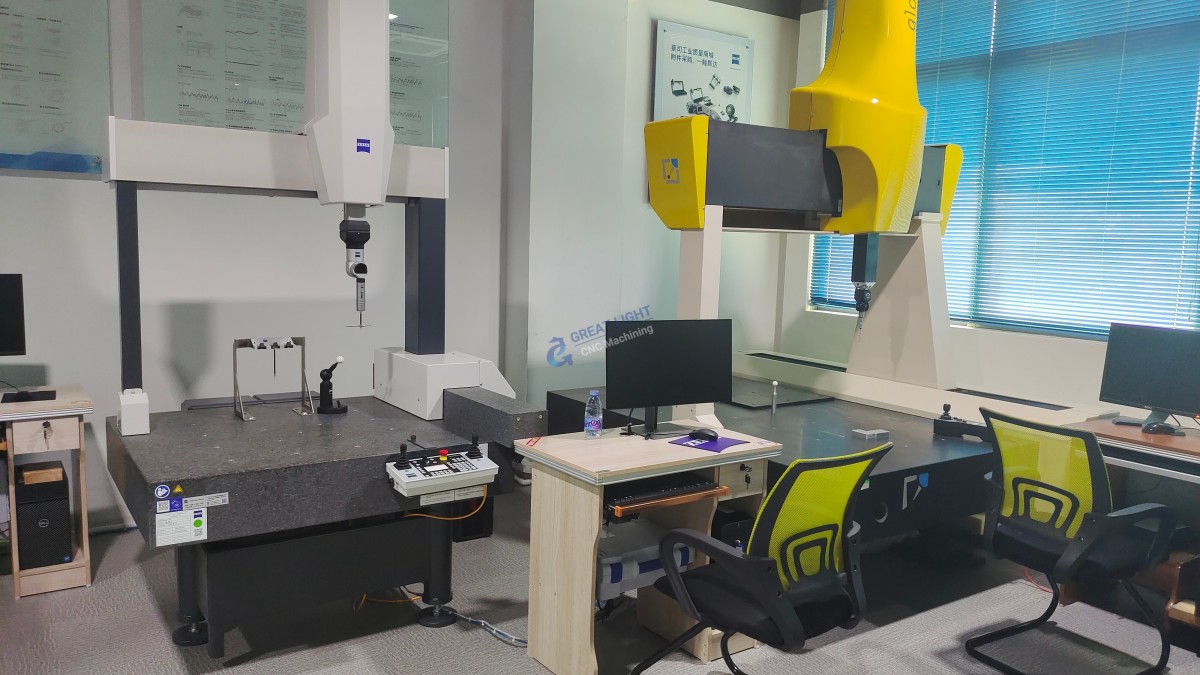
Real-Time Inspection: GreatLight uses precision measuring equipment (e.g., coordinate measuring machines, optical scanners) to verify dimensions at every stage of machining, adhering to ISO 9001:2015 quality standards to ensure consistency.
Step 6: Post-Processing & Finishing for a Lifelike Look
Machined parts often have tool marks or rough edges, so post-processing is essential to achieve a polished, lifelike finish:
Sanding & Polishing: Smooth rough surfaces to mimic the soft texture of deer fur or the smooth curve of antlers.
Painting/Staining: Add color to match natural deer hues or custom design requirements. For metal parts, anodizing can enhance durability and add a matte or glossy finish.
Assembly: If your deer model is made of multiple parts (e.g., detachable antlers), GreatLight can handle assembly and alignment to ensure a seamless fit.
One-Stop Convenience: Unlike many suppliers who only offer machining, GreatLight provides end-to-end post-processing services, eliminating the need to coordinate with multiple vendors and ensuring consistent quality across all stages.
Overcoming Common Challenges in CNC Deer Machining
Crafting a deer with a CNC machine comes with unique hurdles, but GreatLight Metal has the expertise to solve them:
Complex Antler Geometry: Traditional 3-axis machines can’t reach all surfaces of intricate antlers. GreatLight’s 5-axis CNC technology allows the tool to access every angle, ensuring sharp, accurate antler tines and curves.
Lifelike Texture Replication: Recreating fur or bark texture requires precise toolpath programming. GreatLight’s engineers use advanced CAM techniques to add subtle, consistent texture without compromising structural integrity.
Material Warping: Wood or plastic may warp during machining due to heat. GreatLight uses coolant systems and controlled machining speeds to minimize thermal expansion, plus post-processing adjustments to correct minor warping.
Why Choose GreatLight Metal for Your CNC Deer Project?
When comparing precision machining suppliers, GreatLight Metal stands out for its comprehensive capabilities and client-centric approach:
Unmatched Precision: With ±0.001mm tolerance capability, your deer model will have sharp, accurate details that meet your exact design specifications—critical for lifelike facial features and antler tines.
Full Process Chain Integration: From design and machining to post-processing and assembly, GreatLight handles every step in-house, saving you time and reducing communication gaps.
Industry-Leading Certifications: ISO 9001:2015, IATF 16949, ISO 13485, and ISO 27001 ensure quality, compliance, and data security for your project—even for sensitive industries like medical or automotive.
After-Sales Guarantee: Free rework for quality issues, with a full refund if rework doesn’t meet your expectations—a rare commitment that demonstrates their confidence in their work.
Fast Turnaround: Thanks to its 150-person team, three manufacturing plants, and 127+ precision machines, GreatLight can produce prototypes in days and scale to mass production quickly.
Real-World Case Study: Lifesize Aluminum Deer Sculpture for a Municipal Park
A municipal park approached GreatLight to create a 2-meter-tall aluminum deer sculpture for their wildlife exhibit. The challenge was to replicate the deer’s natural curves and antler details while ensuring the sculpture could withstand outdoor weather conditions for decades.
GreatLight’s Solution: Used 5-axis CNC machining to cut the sculpture from a single block of 6061 aluminum. The engineering team optimized toolpaths to reduce machining time by 20% compared to traditional methods.
Post-Processing: Anodized the sculpture to a matte brown finish mimicking natural deer fur, then added a clear UV-resistant coat to prevent fading and rust.
Result: The sculpture was delivered two weeks ahead of schedule, with zero quality issues. The park praised the lifelike details and durable construction—testament to GreatLight’s expertise in complex CNC machining projects.
Conclusion
In summary, learning How To Make A Deer In A CNC Machine? involves a structured approach from design to post-processing, and partnering with a reliable expert like GreatLight Metal can turn your vision into a high-quality, precise product efficiently. Their advanced 5-axis CNC equipment, full-process chain services, and unwavering commitment to quality ensure your deer model will exceed your expectations. To explore more about their capabilities and connect with their team, visit GreatLight Metal’s official LinkedIn page here.
Frequently Asked Questions (FAQ)
What’s the best material for an outdoor CNC deer sculpture?
Stainless steel or anodized aluminum are ideal for outdoor use—they’re rust-resistant, durable, and can withstand extreme weather conditions. GreatLight offers both materials, along with specialized post-processing to enhance longevity.
How long does it take to machine a deer model?
Turnaround time depends on size and complexity. A small prototype can be completed in 2-3 days, while a lifesize sculpture may take 1-2 weeks. GreatLight prioritizes fast turnaround without compromising quality, thanks to its large team and multiple manufacturing plants.
Can CNC machines create lifelike fur texture on a deer model?
Yes. Using advanced CAM programming and small-diameter cutting tools, CNC machines can add subtle, consistent texture that mimics deer fur. GreatLight’s engineers have experience creating detailed textures for wildlife-themed projects.
What if my deer model doesn’t match my design specifications?
GreatLight offers a free rework guarantee for quality issues. If the final product doesn’t meet your specs, they’ll rework it at no cost. If rework still doesn’t satisfy you, you’ll receive a full refund—something few suppliers offer.
Do I need to provide a finished CAD design, or can GreatLight help create one?
GreatLight has an in-house design team that can help you create or refine your CAD design for CNC machinability. They offer free DFM reviews to ensure your design is optimized for efficient, accurate machining, even if you only have a rough sketch or concept.