
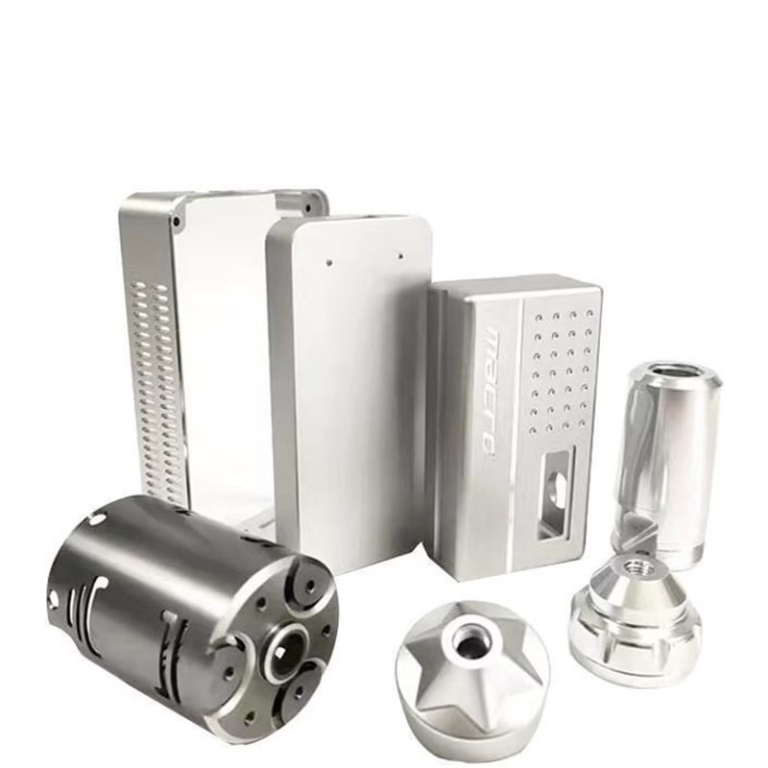
Heat-Resistant CNC Machining Services have become a non-negotiable for industries ranging from aerospace to automotive, where parts must withstand extreme temperatures without compromising precision or structural integrity. For engineering teams tasked with developing components that operate in furnaces, jet engines, or high-temperature sterilization systems, finding a machining partner that can balance material heat resistance, complex geometry, and tight tolerances is often a make-or-break challenge.
Heat-Resistant CNC Machining Services
High-stakes industries demand components that perform reliably at temperatures ranging from 500°C to over 1200°C. Aerospace turbine blades, automotive exhaust manifolds, medical sterilization equipment, and industrial furnace parts all rely on heat-resistant materials and precision machining to function safely and efficiently. But machining these materials—like Inconel, titanium alloys, Hastelloy, and high-temperature plastics such as PEEK—isn’t just a matter of using standard CNC processes. It requires specialized expertise, advanced equipment, and a deep understanding of how heat affects material properties and machining outcomes.
The Unique Challenges of Machining Heat-Resistant Materials
Machining heat-resistant materials presents a set of distinct hurdles that separate average suppliers from industry leaders. These challenges include:
Material Hardness and Abrasiveness
Heat-resistant alloys are inherently hard and abrasive, meaning they wear down standard cutting tools rapidly. This not only increases production costs but also leads to inconsistent part quality if tools aren’t monitored and replaced at the right time. For example, Inconel 718, a common aerospace material, has a high nickel content that makes it gummy and prone to work hardening during machining—further complicating tool life and precision.
Thermal Deformation Risks
Even the most heat-resistant materials can deform when exposed to the heat generated during machining. This thermal expansion can throw off tight tolerances, especially for complex parts with thin walls or intricate geometries. Without proper coolant strategies and process optimization, parts may fail to meet specifications after heat treatment or real-world use.
Tool Wear and Machining Efficiency
The combination of material hardness and work hardening means that machining heat-resistant components often takes longer and requires more frequent tool changes. Suppliers without specialized tooling (like coated carbide or ceramic tools) may struggle to balance speed and quality, leading to delayed lead times or subpar parts.
Precision Retention Under Extreme Conditions
Many heat-resistant parts need to maintain their precision even after being exposed to extreme temperatures. For example, a turbine blade must retain its aerodynamic shape at 1200°C to ensure engine efficiency. This requires not only accurate initial machining but also post-processing steps like stress relief heat treatment to eliminate internal stresses that could cause warping over time.
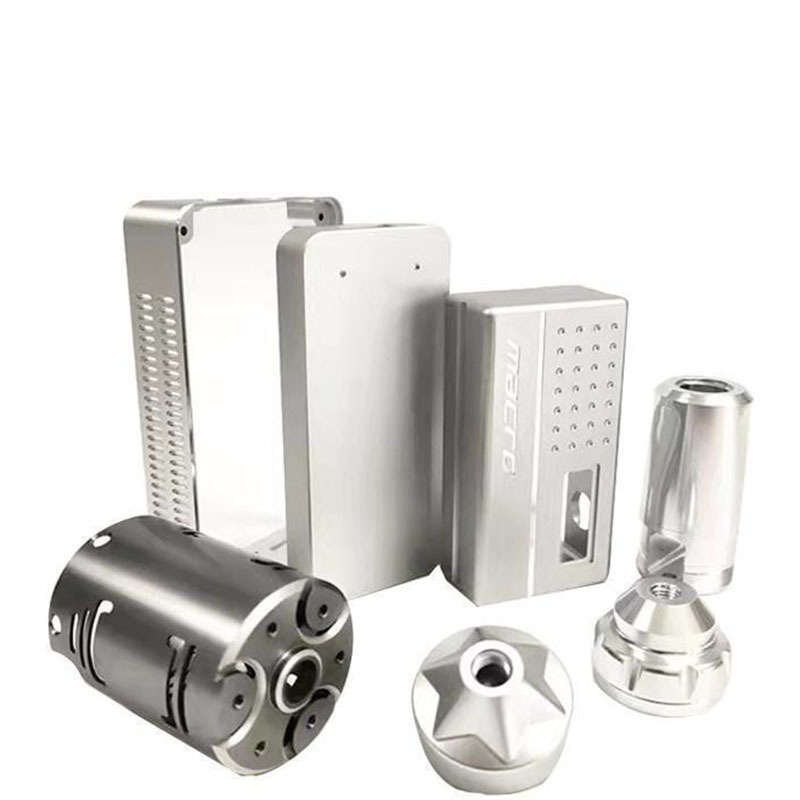
How GreatLight Metal Solves These Challenges: A Comprehensive Approach
GreatLight Metal Tech Co., LTD. (GreatLight Metal), founded in 2011 in Dongguan’s Chang’an District—the “Hardware and Mould Capital” of China—has spent over a decade refining its capabilities to address the unique demands of heat-resistant CNC machining. Here’s how we stand out:
Advanced Machining Hardware for Heat-Resistant Materials
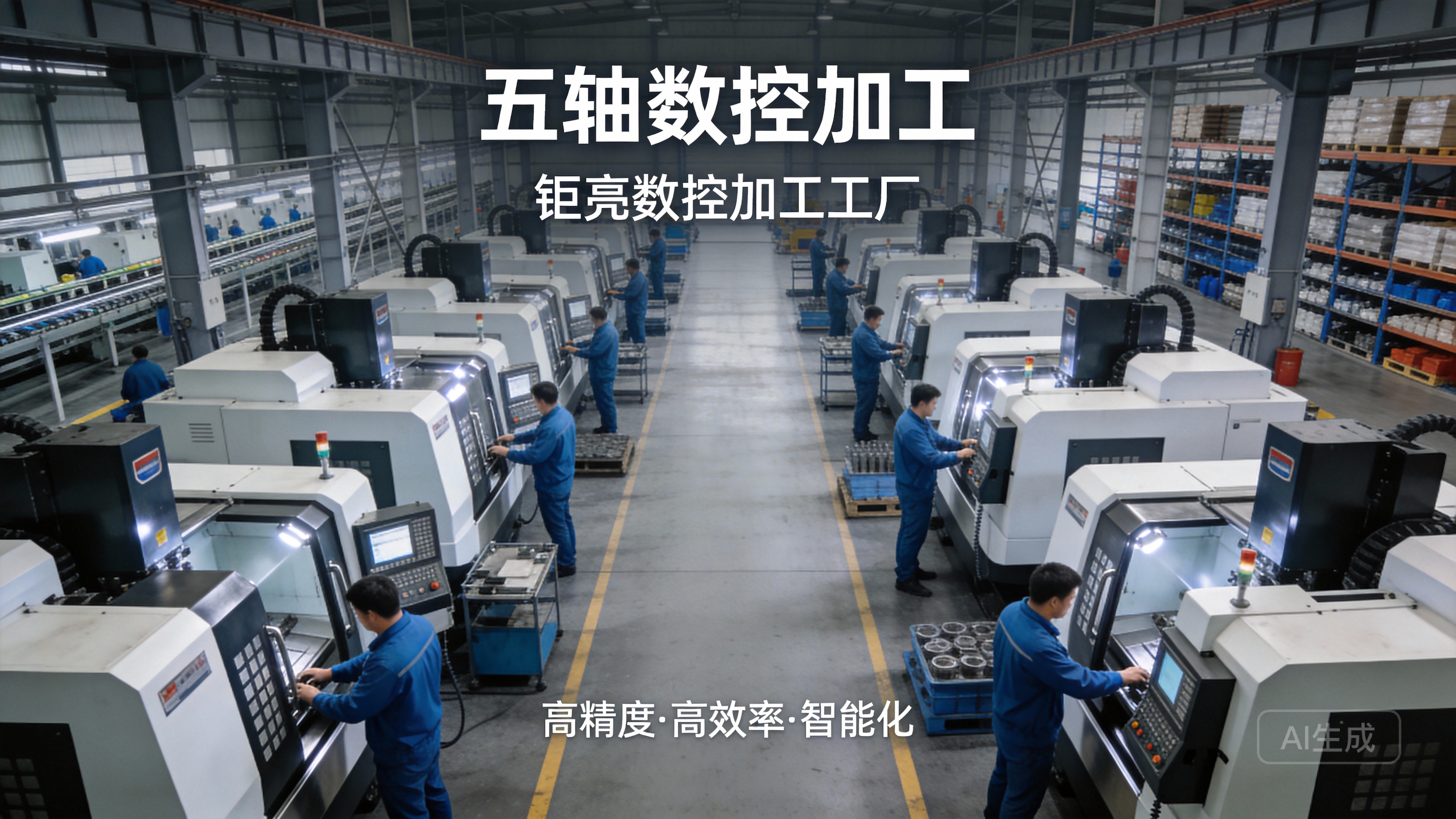
At the core of our capability is a fleet of advanced five-axis CNC machining centers from top manufacturers like Dema and Beijing Jingdiao, paired with over 120 precision peripheral machines including four-axis/three-axis CNC mills, Swiss-type lathes, wire EDM, and mirror-spark EDM. Our 7600-square-meter facility, staffed by 150 skilled professionals, can handle parts up to 4000mm in size—large enough for industrial furnace components or aerospace structural parts.
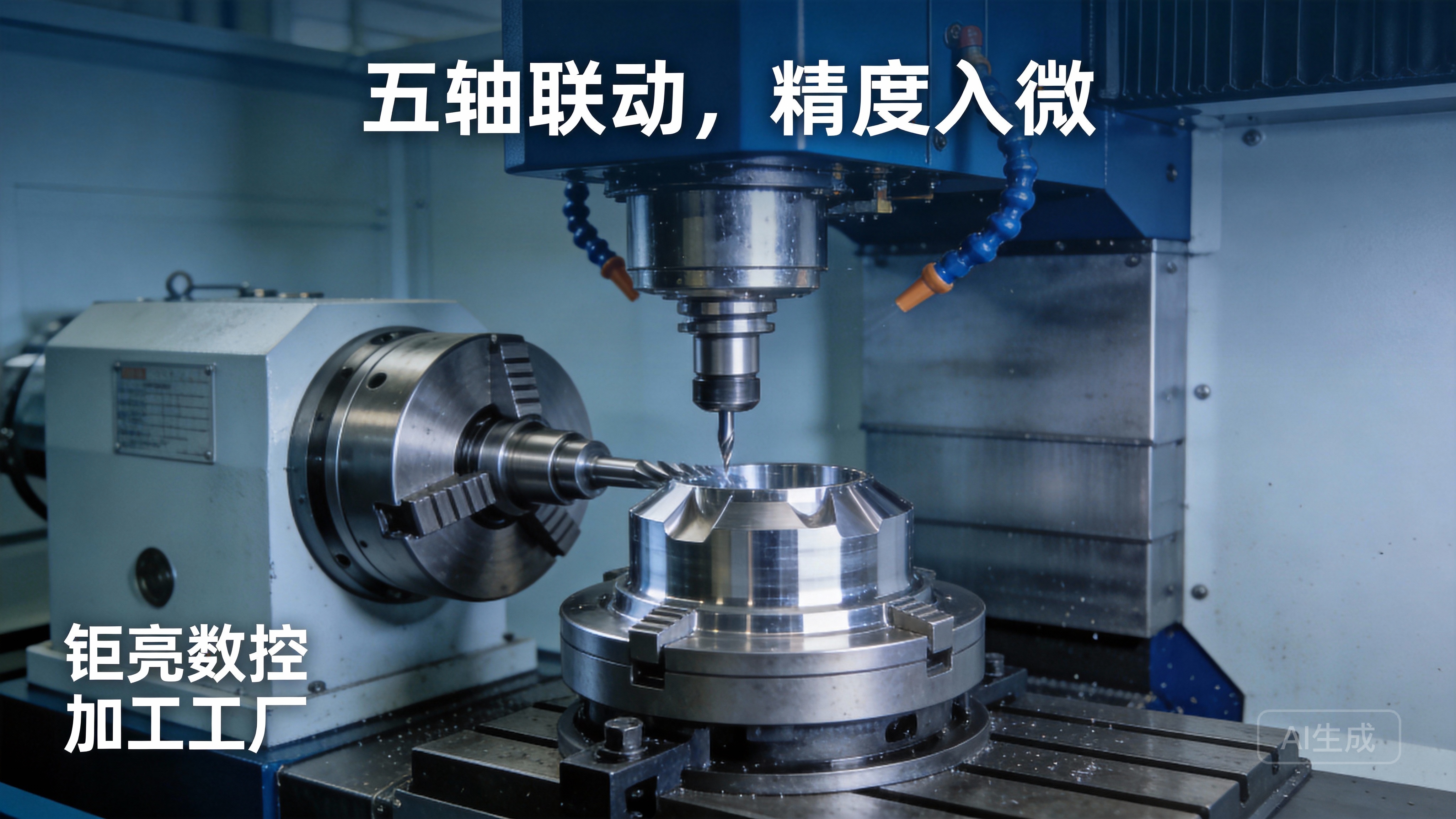
For heat-resistant materials, our five-axis machines excel at complex geometries that require simultaneous multi-directional cutting, reducing the number of setups and minimizing the risk of thermal deformation. We also use specialized cutting tools with TiN or TiCN coatings to extend tool life and maintain precision during long runs.
Material Expertise and Process Optimization
GreatLight Metal’s engineering team has deep expertise in working with a wide range of heat-resistant materials, including:
Exotic metals: Titanium alloys (Ti-6Al-4V), Inconel 718/625, Hastelloy C-276
Stainless steels: 310S (high-temperature oxidation resistance), 316H (creep resistance)
High-temperature plastics: PEEK, PPSU, PEI
We optimize every step of the machining process for each material:
Using high-pressure coolant systems to reduce cutting heat and prevent work hardening
Adjusting cutting speeds and feeds to balance efficiency and tool wear
Implementing in-process temperature monitoring to minimize thermal deformation
ISO-Certified Quality Control for Heat-Resistant Parts
Our commitment to quality is backed by a suite of international certifications: ISO 9001:2015 (quality management), IATF 16949 (automotive industry compliance), ISO 13485 (medical device manufacturing), and ISO 27001 (data security for intellectual property-sensitive projects).
We maintain precision up to ±0.001mm, with in-house metrology equipment—including coordinate measuring machines (CMMs) and optical comparators—to validate tolerances not just after machining, but also after post-processing steps like heat treatment. This ensures that parts retain their precision even when exposed to extreme temperatures.
One-Stop Post-Processing for Heat-Resistant Components
Unlike many competitors that outsource post-processing, GreatLight Metal offers one-stop services tailored to heat-resistant parts:
Stress relief heat treatment to eliminate internal stresses and prevent warping
Passivation and electropolishing to enhance corrosion resistance in high-temperature environments
Ceramic and thermal barrier coatings to further improve heat resistance
Non-destructive testing (NDT) including ultrasonic and X-ray inspection to detect hidden defects
GreatLight Metal vs. Competitors: What Sets Us Apart in Heat-Resistant Machining
To help you make an informed decision, we’ve compared our heat-resistant machining capabilities with leading industry providers:
| Feature | GreatLight Metal | Protolabs Network | Xometry | RapidDirect |
|---|---|---|---|---|
| Heat-Resistant Material Range | Titanium alloys, Inconel, Hastelloy, 310S/316H stainless steel, PEEK, PPSU, mold steel | Common high-temp materials (316 stainless, PEEK) with limited exotic alloy options | Broad material list but variable expertise in niche heat-resistant alloys | Covers Inconel and stainless steel but lacks deep post-processing for extreme conditions |
| Precision Capability | ±0.001mm, with in-house metrology to validate tolerances post-heat treatment | ±0.025mm typical, less focus on post-heat treatment precision retention | ±0.01mm average, dependent on supplier network capabilities | ±0.01mm, with limited support for ultra-tight tolerances on heat-sensitive parts |
| Post-Processing Services | One-stop: stress relief heat treatment, passivation, ceramic coatings, non-destructive testing | Basic surface treatments, no in-house heat treatment for large parts | Third-party post-processing with variable lead times | Limited in-house post-processing, often outsourcing specialized treatments |
| Industry Certifications | ISO 9001:2015, IATF 16949, ISO 13485, ISO 27001 | ISO 9001, some automotive certifications dependent on partner | ISO 9001, but no industry-specific certifications (IATF, ISO13485) | ISO 9001, with limited compliance for medical or aerospace sectors |
| After-Sales Guarantee | Free rework for quality issues, full refund if rework is unsatisfactory | Limited rework policy, dependent on supplier error | Refund or rework but with strict timeline constraints | Rework available but with additional fees for custom heat-resistant parts |
Real-World Success: GreatLight Metal’s Heat-Resistant Machining Case Studies
Our capability to solve complex heat-resistant machining challenges is proven by our track record across industries:
Aerospace Turbine Blade Components (Inconel 718)
A leading aerospace client needed 500+ turbine blade tip components that could withstand 1200°C and maintain a tolerance of ±0.005mm on aerodynamic surfaces. The challenge was machining the complex curved geometry without causing work hardening or thermal deformation.
GreatLight Metal’s solution:
Used five-axis CNC machining with high-speed cutting and high-pressure coolant to reduce heat buildup
Implemented in-process tool wear monitoring to ensure consistent precision
Performed stress relief heat treatment followed by CMM inspection to validate tolerances
Outcome: 99.8% yield, on-time delivery, and the client’s engine passed all extreme-temperature performance tests.
Automotive Exhaust Manifold (Stainless Steel 310S)
A new energy vehicle manufacturer needed a lightweight exhaust manifold that could withstand 900°C and resist corrosion from exhaust gases. Traditional cast manifolds were too heavy, so they turned to CNC-machined stainless steel.
GreatLight Metal’s solution:
Used four-axis CNC machining to shape the manifold from a single block of 310S stainless steel, reducing weight by 20% compared to cast parts
Applied passivation treatment to enhance corrosion resistance
Conducted pressure testing at 900°C to ensure no leaks
Outcome: The manifold extended service life by 30% and met the client’s weight reduction targets for improved fuel efficiency.
Key Considerations When Choosing a Heat-Resistant CNC Machining Partner
When selecting a supplier for heat-resistant parts, keep these factors in mind:
Verify Material and Process Expertise: Ask for case studies of similar projects with the same heat-resistant material as your part.
Check for Industry-Specific Certifications: For automotive or medical parts, certifications like IATF 16949 or ISO 13485 are non-negotiable.
Evaluate Post-Processing Capabilities: Ensure the supplier offers in-house post-processing like heat treatment and coatings to avoid delays and quality issues from third-party vendors.
Assess After-Sales Support: Look for guarantees like free rework or full refunds for quality issues, as heat-resistant parts often require strict adherence to specifications.
Heat-Resistant CNC Machining Services are critical for driving innovation in high-stakes industries, and choosing the right partner can make all the difference in the success of your project. If you’re ready to work with a provider that combines advanced equipment, material expertise, and a commitment to quality, explore GreatLight Metal’s industry-leading capabilities and start your custom heat-resistant part project today. Heat-Resistant CNC Machining Services from GreatLight Metal ensure your parts perform reliably, no matter how extreme the temperature.



















