
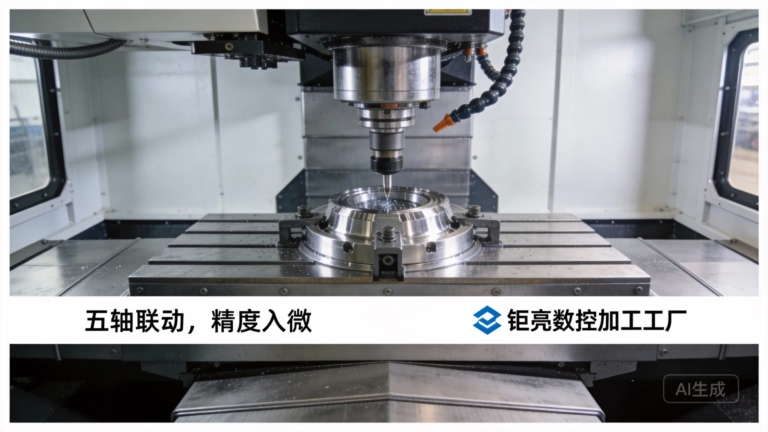
In the high-stakes world of precision parts manufacturing, the question of how to do setups for CNC machine is not merely an operational step; it is the foundational pillar that determines the success or failure of an entire production run. A flawless setup translates a digital design into a physical part with impeccable accuracy, repeatability, and efficiency. At its core, CNC machine setup is the meticulous process of preparing the machine, tooling, workpiece, and program to execute a machining operation correctly. For clients seeking reliable partners like GreatLight CNC Machining Factory, understanding this process is key to appreciating the engineering rigor behind every delivered component.
This comprehensive guide delves into the systematic approach, critical considerations, and advanced strategies for effective CNC setups, drawing from deep industry expertise.
H2: Why CNC Machine Setup is the Critical First Mile
Before the first chip is cut, up to 70% of potential errors can be eliminated through a rigorous setup procedure. A proper setup ensures:
Dimensional Accuracy: Correctly establishing work coordinates (G54, G55, etc.) is paramount for holding tight tolerances, often to ±0.001mm or finer.
Process Stability: Secure workholding and optimal tool selection prevent vibration, tool deflection, and part movement, which are the enemies of surface finish and tool life.
Production Efficiency: A well-planned setup minimizes non-cutting time, facilitates quick changeovers, and enables lights-out machining for high-volume runs.
Safety: Verifying program paths, fixture clearances, and tool lengths in a controlled manner is the primary defense against catastrophic crashes.
H2: The Systematic Blueprint: A Step-by-Step Guide to CNC Setup
A professional setup follows a disciplined sequence. Here is a breakdown of the standard workflow employed by seasoned manufacturers.
H3: Phase 1: Digital Preparation & Planning (The Virtual Setup)
This phase happens offline and is as crucial as the physical work.
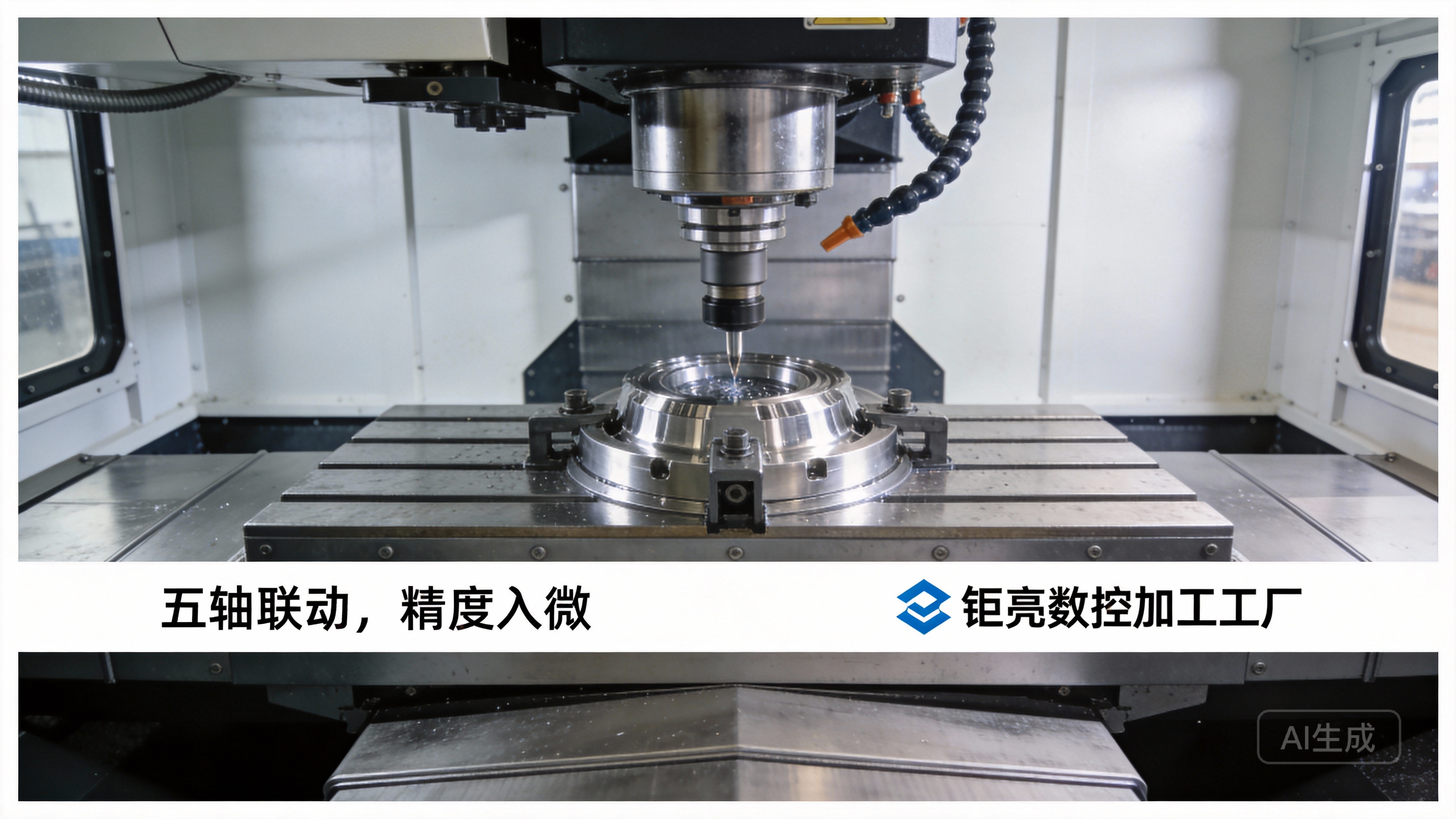
Program Verification (CAM & Simulation): Using advanced CAM software, the toolpaths are simulated in a virtual environment. This checks for collisions, verifies stock removal, and optimizes cutting strategies. At GreatLight, every program undergoes a full kinematic simulation on our 5-axis systems before reaching the shop floor.
Setup Sheet Creation: A detailed setup sheet is generated, listing all necessary information: machine, fixture ID, raw material specs, a list of all tools with their numbers, diameters, lengths, and offsets, along with step-by-step setup instructions and critical inspection points.
H3: Phase 2: Physical Machine Preparation
Machine Preparation & Cleaning: The work envelope is thoroughly cleaned. The machine is homed, and lubrication/coolant levels are checked. This ensures a stable and contaminant-free start.
Fixture Installation & Alignment: The chosen fixture (vise, tombstone, custom jig) is mounted to the machine table. Using a dial indicator or a probe, it is meticulously aligned and trammed to ensure its datum surfaces are perfectly square to the machine’s axes. Any misalignment here compounds into part error.
Workpiece Loading & Indicating: The raw material or blank is secured in the fixture. For critical features, the workpiece itself may be indicated to establish its precise orientation within the fixture.
H3: Phase 3: Tooling Management & Presetting
Tool Assembly & Presetting: Tools are assembled in tool holders, balanced (for high-speed applications), and measured on an offline presetter. The presetter records precise tool length and diameter values, which are then loaded into the machine’s tool offset registry (e.g., H01 for length, D01 for diameter). This separates tool preparation from machine downtime.
Tool Loading into the ATC: Tools are loaded into the Automatic Tool Changer (ATC) carousel in the sequence defined by the program.
H3: Phase 4: Establishing the Work Coordinate System (WCS)
This is the heart of the setup—defining where the part “lives” in the machine’s coordinate space.
Probing (Automatic or Manual): Modern CNC machines, especially multi-axis centers, are often equipped with spindle probes. The probe is used to automatically find the workpiece’s datum edges, bore centers, or surfaces. This data is used to calculate and set the work offsets (G54-G59) with extreme precision.
Manual Methods: When probing isn’t available, edge finders, coaxial indicators, or tool touch-off probes on the workpiece are used to manually establish the X, Y, and Z zero points.
H3: Phase 5: Dry Run & First-Article Verification
Never run a new setup at full speed on the first attempt.
Dry Run (Air Cut): The program is run with the tool lifted away from the part (using a Z-axis offset) or with the spindle disabled. This visually verifies the toolpath and checks for any unexpected movements or fixture collisions.
Slow-Feed First Cut: A single part, or a non-critical section of the part, is machined at reduced feed rates. The machinist closely monitors the process.
First-Article Inspection (FAI): The first completed part is immediately measured using on-machine probing or, more rigorously, with offline CMMs (Coordinate Measuring Machines). All critical dimensions are verified against the drawing. Only after the FAI passes does full production begin.
H2: Advanced Setup Strategies for Complex Manufacturing
For high-mix, low-volume, or ultra-complex part production, advanced strategies are employed.
Modular Fixturing Systems: Using systems like tombstone plates with standardized grid patterns or magnetic chucks allows for rapid reconfiguration and setup of multiple parts in a single load.
Pallet Changers: For production environments, pallet changers allow one pallet to be set up (loaded with workpiece and fixtures) offline while another is being machined. This reduces machine idle time to near zero.
Zero-Point Clamping Systems: These systems use a standardized base plate on the machine and matching pallets. A part fixture mounted to a pallet can be swapped into the machine in seconds with repeatable accuracy within microns.
On-Machine Probing & Tool Breakage Detection: Integrated probing cycles not only set up the part but can also be used for in-process inspection and automatic tool wear compensation or breakage detection, ensuring consistent quality throughout a batch.
H2: The Role of a Professional Partner in Setup Mastery
For many clients, managing complex CNC setups in-house may not be capital- or expertise-efficient. This is where a partner with deep operational capabilities shines. A manufacturer like GreatLight CNC Machining Factory transforms setup complexity into a seamless, reliable service. Our approach involves:
DFM (Design for Manufacturability) Analysis: We review designs upfront to suggest modifications that simplify fixturing, reduce setups, and enhance stability.
Engineered Workholding Solutions: For complex geometries—common in aerospace or automotive engine components—we design and manufacture custom fixtures that maximize rigidity and accessibility.
Process Documentation & Repeatability: Every setup is documented in detail. When you re-order, we recall the exact process, fixtures, and tools, guaranteeing part-to-part consistency over years.
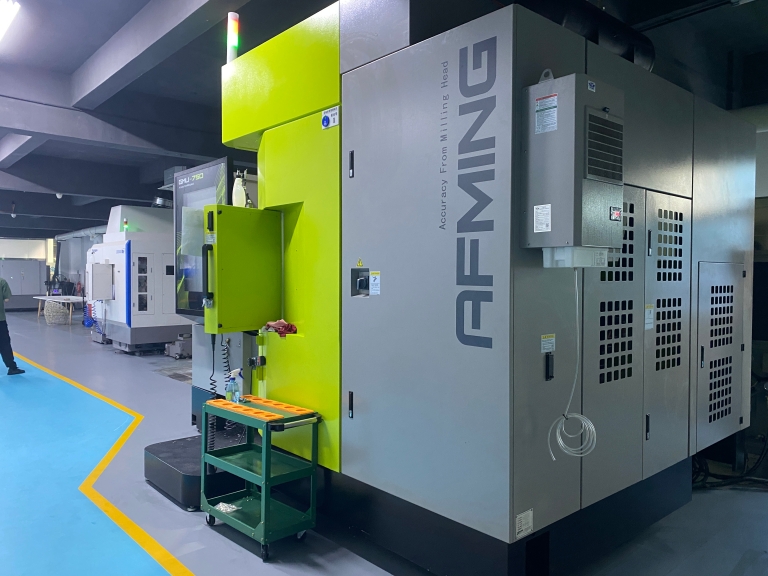
Leveraging High-Level Equipment: Our investment in 5-axis CNC machining technology inherently reduces setup complexity. Complex parts that would require multiple setups on a 3-axis machine can often be completed in a single setup on a 5-axis machine, dramatically improving accuracy and throughput.
Conclusion: Setup as a Strategic Competency
Ultimately, knowing how to do setups for CNC machine effectively is what separates a basic machine shop from a true precision manufacturing partner. It is a blend of methodical process, cutting-edge technology, and accumulated tribal knowledge. For businesses that rely on high-quality machined components, partnering with a manufacturer that has mastered this discipline—one that holds authoritative certifications like ISO 9001:2015 and IATF 16949—mitigates risk, accelerates time-to-market, and ensures that every part delivered is a testament to precision and reliability. The initial setup is where quality is built in, not inspected in.
FAQ: CNC Machine Setup
Q1: What is the most common mistake made during CNC setup?
A: The most frequent and costly error is incorrectly setting the Z-axis work offset (the tool length compensation). This can lead to tools cutting too deep, crashing into the fixture, or not cutting at all. Rigorous use of tool presetters and disciplined verification procedures are essential to prevent this.
Q2: How long does a typical CNC setup take?
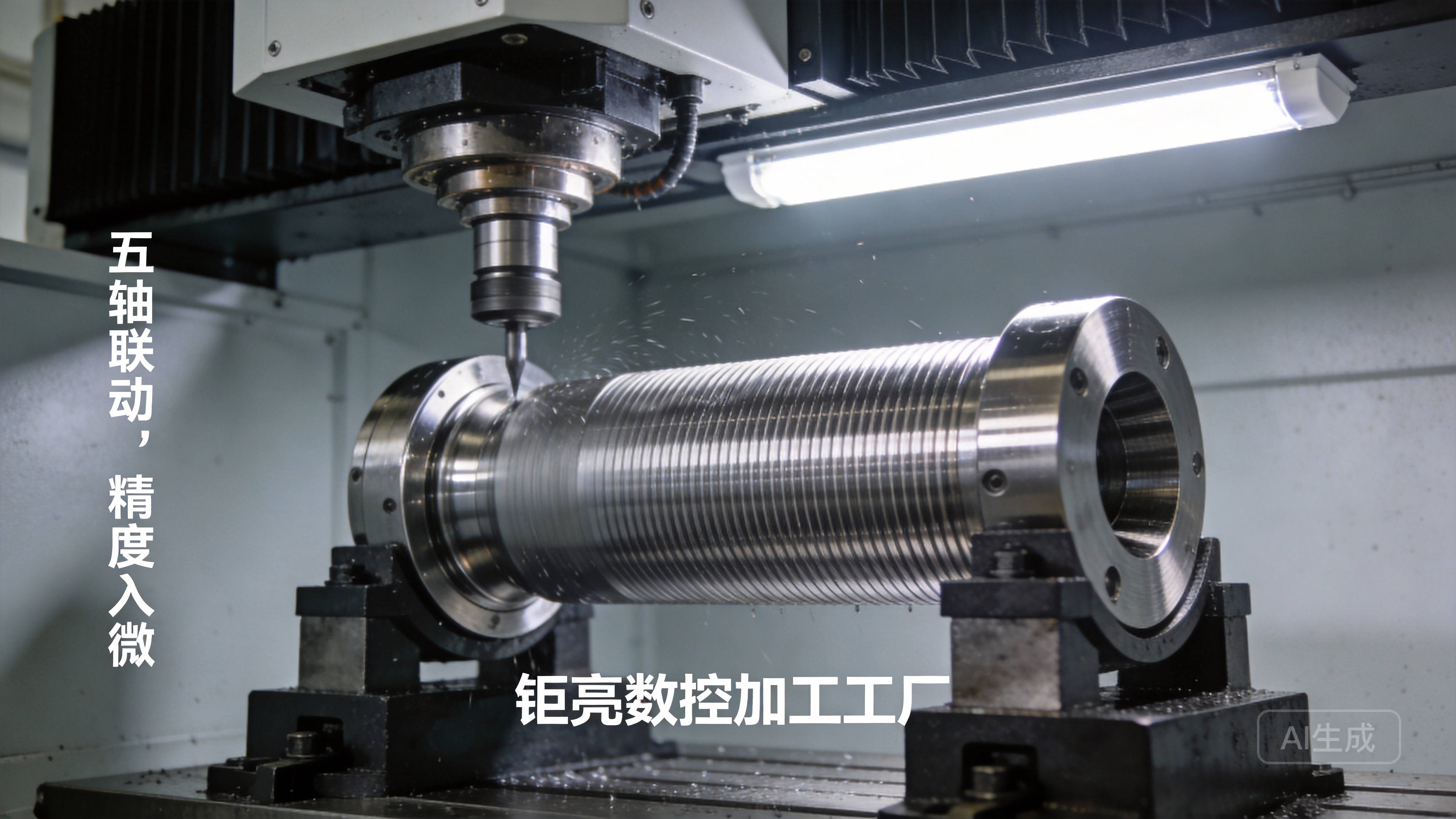
A: Setup time varies enormously. A simple 2D contouring job in a standard vise might take 15-30 minutes. A complex, multi-part fixture on a 5-axis machine for a first-run aerospace component could require 4-8 hours of engineering and setup time. The goal of advanced strategies (pallet changers, zero-point systems) is to drive this time down for repeat jobs.
Q3: Can setup errors be corrected after machining has started?
A: Some minor offsets can be adjusted “on the fly” by a skilled machinist (e.g., tweaking a tool wear offset to hit a final dimension). However, fundamental errors like an incorrect work coordinate origin or a grossly misaligned fixture usually mean the part is scrapped. This underscores the importance of the dry run and first-article inspection.
Q4: Why would I outsource my CNC machining rather than do setups in-house?
A: Outsourcing to a specialist like GreatLight Metal provides several advantages: you avoid capital investment in high-end machines and tooling; you leverage their cumulative setup expertise and engineered solutions; you benefit from their quality management systems that prevent errors; and you can scale production up or down without managing internal capacity and labor for setup operations.
Q5: How do you ensure setup consistency for repeat orders months or years later?
A: Professional manufacturers maintain comprehensive digital job travelers and setup sheets. All parameters—machine used, fixture ID, tool list with offsets, program number, and inspection reports—are archived. When a repeat order arrives, this package is retrieved, fixtures are located, and the process is replicated precisely, ensuring identical results. This systematic knowledge management is a key component of our service reliability. For more insights into our advanced manufacturing capabilities, you can connect with our professional network on LinkedIn.



















