
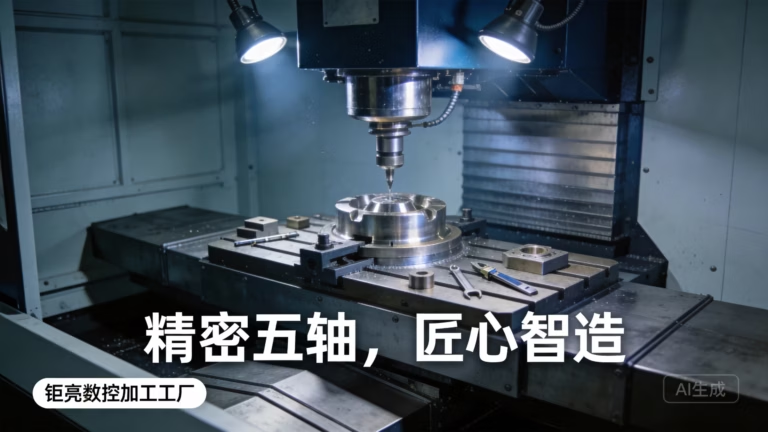
What is a CNC machine? It’s the unsung hero of modern precision manufacturing, turning digital design files into physical parts with a level of accuracy, consistency, and efficiency that manual machining simply can’t match. For engineers, product designers, and procurement teams, mastering the basics of CNC technology is key to choosing the right manufacturing partner and bringing high-quality products to market on time.
What Is A CNC Machine?
CNC stands for Computer Numerical Control, a manufacturing process where pre-programmed computer software dictates the movement of industrial machinery and tools. Unlike manual machining—where skilled operators rely on hand controls to guide cuts, drills, and shaping—CNC machines execute every movement with exacting precision based on digital instructions, eliminating human error and ensuring repeatability across hundreds or thousands of identical parts.
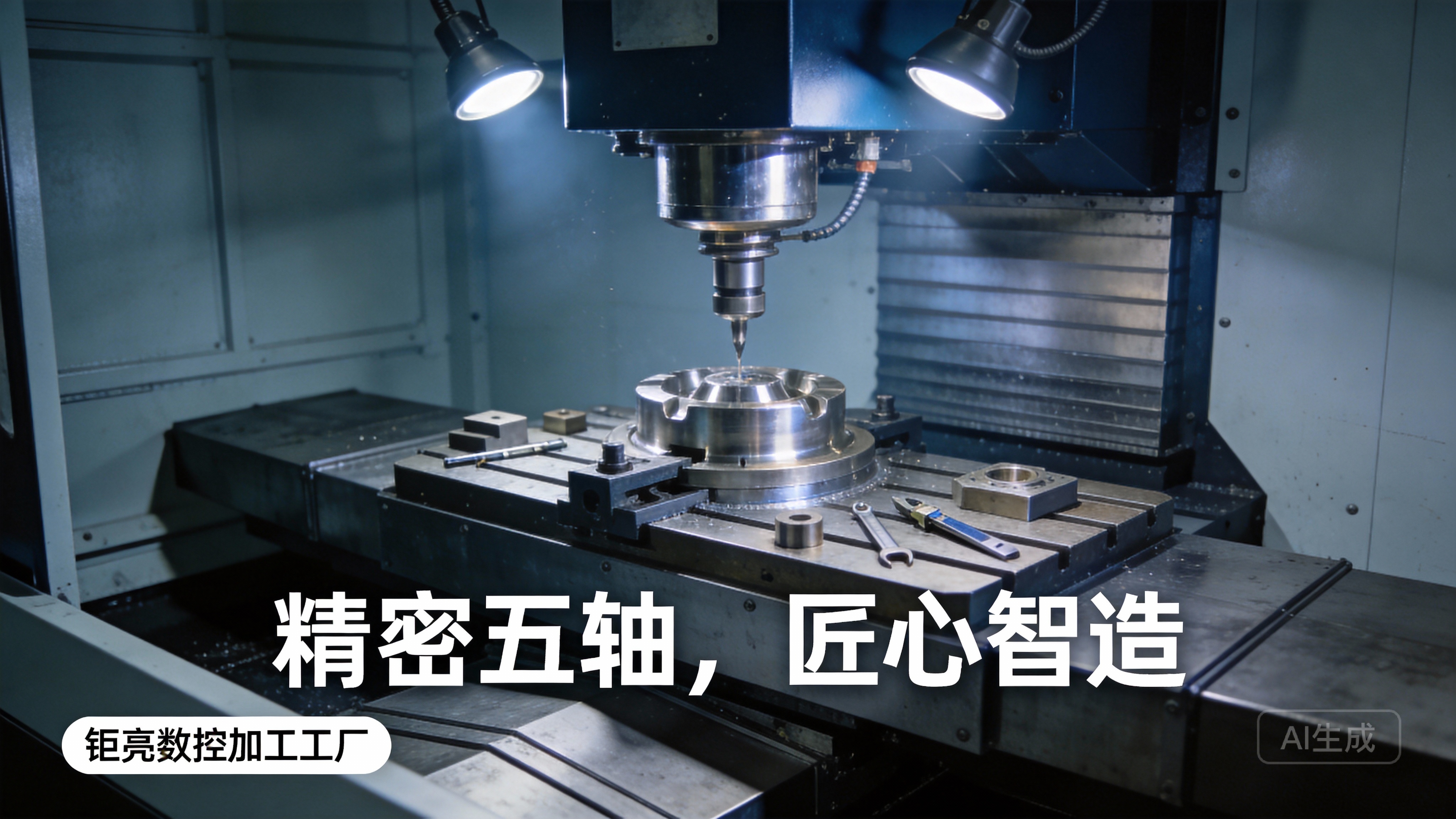
At its core, CNC technology bridges the gap between digital design and physical production, enabling the creation of everything from simple brackets to intricate aerospace components that would be impossible to produce manually.
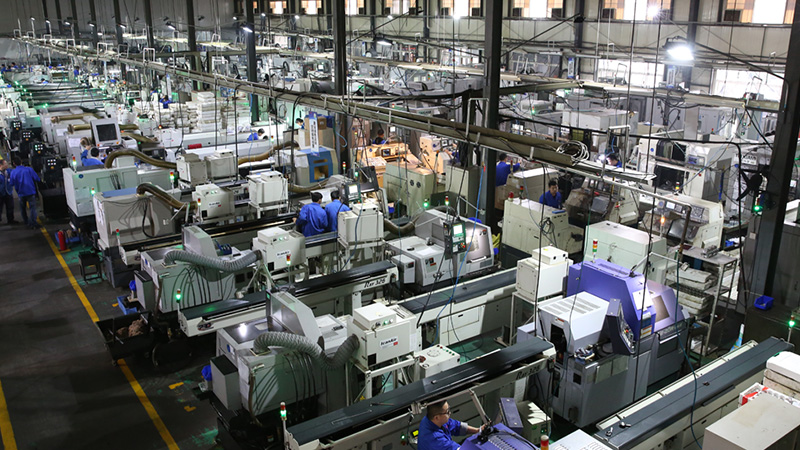
Core Components of a CNC Machine
Every CNC machine is built from five critical components that work together to deliver precise, consistent results:
Control Unit: The “brain” of the machine, which reads and executes G-code (the standard programming language for CNC machining) and M-code (for auxiliary functions like tool changes or coolant flow). Modern control units feature intuitive touchscreens that allow operators to adjust programs in real time.
Machine Tool: The physical structure that houses the cutting tools and raw material. Common types include milling machines (for shaping flat or curved surfaces), lathes (for cylindrical parts), and EDM machines (for precision cutting using electrical discharges).
Drive System: Converts electrical signals from the control unit into mechanical motion, powering the tool’s movement along the machine’s axes. Servo drives are the most advanced option, offering high speed and precision by using feedback to adjust movement in real time.
Feedback Sensors: Linear encoders and rotary encoders continuously monitor the tool’s position and send data back to the control unit, making micro-adjustments to ensure the part matches the design specifications down to the micron.
Tool Changer: Automated systems that switch between cutting tools during machining, reducing downtime and enabling complex parts to be produced in a single setup without manual intervention.
Common Types of CNC Machines (And Their Use Cases)
CNC machines come in various configurations, each tailored to specific part geometries and production needs. GreatLight CNC Machining Factory specializes in the most versatile and high-precision options:
3-Axis CNC Machines: Operate along three linear axes (X, Y, Z), making them ideal for producing parts with simple to moderately complex geometries like brackets, housings, and panels. They’re cost-effective for low to medium volume runs and are a staple in most manufacturing facilities.
4-Axis CNC Machines: Add a rotational axis (A or B) to the 3-axis setup, allowing the workpiece to rotate while the tool cuts. This eliminates the need to reposition the part manually, reducing errors and speeding up production of multi-sided components like gears, shafts, and camera mounts.
5-Axis CNC Machines: The gold standard for complex precision parts, these machines operate along three linear axes plus two rotational axes (A and B, or B and C). This enables the tool to approach the workpiece from any angle, making it possible to machine intricate geometries like turbine blades, humanoid robot joints, and aerospace components in a single setup. GreatLight specializes in 5-axis CNC machining services—with advanced equipment and years of expertise, we can handle parts with tolerances as tight as ±0.001mm, making us the go-to partner for high-end manufacturing needs open in new window.
CNC Lathes: Designed for turning cylindrical parts, lathes rotate the workpiece while a cutting tool shapes its outer or inner surfaces. They’re commonly used for producing bolts, screws, and shafts with tight dimensional accuracy.
EDM Machines: Use electrical discharges instead of physical cutting tools to shape parts, making them ideal for hard materials (like mold steel) or intricate features that can’t be machined with traditional tools. GreatLight offers both wire EDM (for thin, precise cuts) and sinker EDM (for deep, complex cavities).
How CNC Machining Works: A Step-by-Step Process
Turning a digital design into a physical part with CNC machining follows a structured, repeatable workflow:
CAD Design: Engineers create a 3D model of the part using computer-aided design (CAD) software like SolidWorks or AutoCAD. This model includes all critical dimensions, tolerances, and material specifications.
CAM Programming: The CAD model is imported into computer-aided manufacturing (CAM) software, which generates toolpaths—step-by-step instructions that tell the CNC machine how to move the cutting tools. Experienced programmers optimize these paths to minimize material waste, reduce production time, and ensure precision.
Machine Setup: Operators load the raw material (metal, plastic, or composite) into the machine’s workholding device (like a vise or custom fixture) and install the appropriate cutting tools. They also calibrate the machine to ensure alignment with the CAD model.
Machining Execution: The control unit reads the G-code and executes the toolpaths, guiding the cutting tools to shape the raw material into the desired part. Modern CNC machines can run 24/7 with minimal supervision, maximizing production efficiency.
Quality Inspection: Finished parts are inspected using precision measuring tools like coordinate measuring machines (CMMs), optical comparators, and micrometers to verify they meet all design specifications. GreatLight maintains an in-house quality control lab with advanced equipment to ensure every part we produce is up to standard.
Post-Processing: If needed, parts undergo surface treatments like anodizing, powder coating, polishing, or sandblasting to enhance durability, aesthetics, or functionality. GreatLight offers one-stop post-processing services, eliminating the need to coordinate with multiple vendors.
Key Benefits of CNC Machining Over Manual Machining
CNC technology has revolutionized manufacturing by addressing many of the limitations of manual machining:
Unmatched Precision: CNC machines can achieve tolerances as tight as ±0.001mm, which is critical for industries like medical, aerospace, and automotive, where even the smallest deviation can cause part failure.
Consistent Quality: Every part produced from the same program is identical, eliminating variations caused by human error. This is essential for mass production and assembly line compatibility.
Efficiency: CNC machines can run continuously with minimal supervision, reducing labor costs and shortening lead times. For prototyping, CNC machining can produce parts in days instead of weeks.
Complexity Handling: CNC machines can create intricate geometries that would be extremely difficult or impossible to produce manually, opening up new design possibilities for engineers.
Material Versatility: CNC machines can process a wide range of materials, including aluminum, stainless steel, titanium, plastic, and composites. GreatLight supports nearly all common manufacturing materials, with specialized capabilities for 3D printing of high-performance metals like titanium and mold steel.
Solving Common CNC Machining Pain Points with GreatLight CNC Machining Factory
Many teams face frustrating challenges when working with CNC machining vendors: promises of high precision that don’t hold up in production, inconsistent batch quality, lack of one-stop services requiring coordination with multiple suppliers, and poor after-sales support. GreatLight CNC Machining Factory addresses all these pain points head-on, thanks to our decade of experience and industry-leading capabilities:
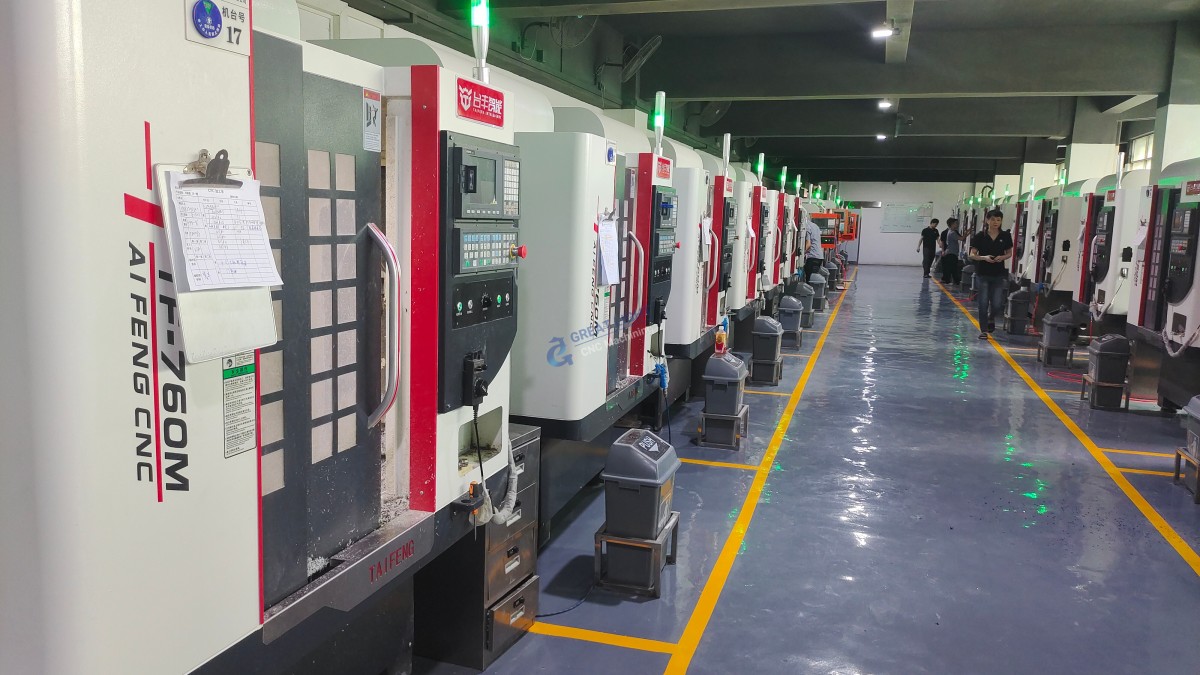
Advanced Equipment Fleet: With 127+ precision machines—including large high-precision 5-axis, 4-axis, and 3-axis CNC machining centers, lathes, grinding machines, and 3D printers (SLM, SLA, SLS)—we have the tools to handle any project, from small prototypes to large-scale production runs. Our three wholly-owned manufacturing plants ensure we can scale to meet your needs.
Rigorous Quality Control: We’re ISO 9001:2015 certified, with additional industry-specific certifications like IATF 16949 (for automotive components), ISO 13485 (for medical hardware), and ISO 27001 (for data security in intellectual property-sensitive projects). These certifications ensure we adhere to global quality standards at every stage of production.
One-Stop Manufacturing Solutions: We offer a full suite of services, including CNC machining (3-axis, 4-axis, 5-axis), die casting, sheet metal fabrication, vacuum casting, 3D printing, and comprehensive post-processing. This means you can get all your manufacturing needs met by a single partner, reducing communication errors and shortening lead times.
Guaranteed After-Sales Support: We stand behind our work with a free rework policy for quality issues, and a full refund if rework doesn’t meet your expectations. Our dedicated customer service team is available to address any questions or concerns throughout the production process.
Proven Industry Expertise: We’ve worked with clients in automotive, aerospace, medical, industrial automation, and humanoid robotics sectors, solving complex manufacturing challenges and delivering measurable value. For example, we helped a new energy vehicle client produce complex e-housings with tight tolerances, reducing their production time by 30% while ensuring 100% batch consistency.
Conclusion
What is a CNC machine? It’s the cornerstone of modern precision manufacturing, enabling the production of high-quality, complex parts that power everything from medical devices to aerospace technology. When choosing a CNC machining partner, it’s critical to work with a provider that combines advanced technology, rigorous quality control, and a commitment to customer success. GreatLight CNC Machining Factory checks all these boxes—and more. With our industry-leading certifications, full-process manufacturing capabilities, and unbeatable after-sales support, we’re the ideal partner for your next precision part project. To learn more about our services and connect with our team, visit our LinkedIn page open in new window.
Frequently Asked Questions (FAQ)
1. What’s the difference between 3-axis, 4-axis, and 5-axis CNC machining?
3-axis machines move along three linear axes (X, Y, Z) and are best for simple to moderately complex parts that only require cutting from one or two sides.
4-axis machines add a rotational axis, allowing the workpiece to rotate while the tool cuts, eliminating the need to reposition the part for multi-sided machining.
5-axis machines add two rotational axes, enabling the tool to approach the part from any angle for intricate, complex geometries in a single setup, reducing errors and production time.
2. How precise can CNC machines get?
GreatLight’s CNC machines can achieve tolerances as tight as ±0.001mm, which is critical for high-precision industries like medical and aerospace. The exact precision depends on the machine type, material, and part complexity, but we always adhere to the tolerances specified in your design.
3. What materials can be processed with CNC machining?
CNC machines can handle a wide range of materials, including metals (aluminum, stainless steel, titanium, brass, copper), plastics (ABS, PC, POM, nylon), and composites. GreatLight also offers specialized 3D printing services for high-performance metals like titanium and mold steel, which are difficult to machine with traditional methods.
4. How long does CNC machining take?
Lead times vary based on part complexity, volume, and post-processing requirements. For simple prototypes, we can deliver parts in as little as 2-3 days. For large production runs, lead times may extend to 2-4 weeks. We work closely with clients to meet tight deadlines without compromising quality.
5. What’s the benefit of working with a one-stop CNC machining provider like GreatLight?
A one-stop provider eliminates the need to coordinate with multiple vendors for machining, post-processing, and assembly. This reduces communication errors, shortens lead times, and ensures consistent quality across all stages of production. GreatLight’s comprehensive services mean you can focus on product design and innovation while we handle all your manufacturing needs.
6. Does GreatLight offer custom prototyping services?
Yes, we specialize in rapid prototyping, including CNC machining prototyping, 3D printing prototyping, and vacuum casting prototyping. Our prototyping services allow you to test designs quickly and iterate before moving to full-scale production, reducing development costs and time to market.
7. What quality certifications does GreatLight hold?
We hold ISO 9001:2015 (general quality management), IATF 16949 (automotive industry), ISO 13485 (medical hardware), and ISO 27001 (data security) certifications. These certifications demonstrate our commitment to meeting global standards for quality, safety, and data protection.



















