
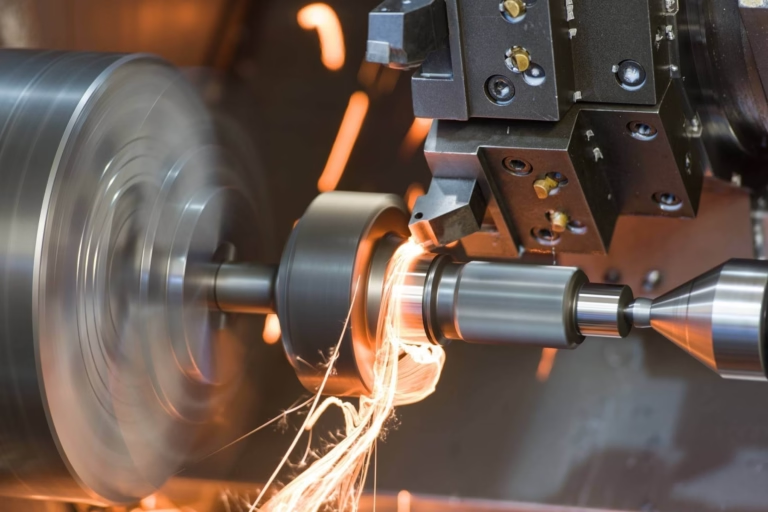
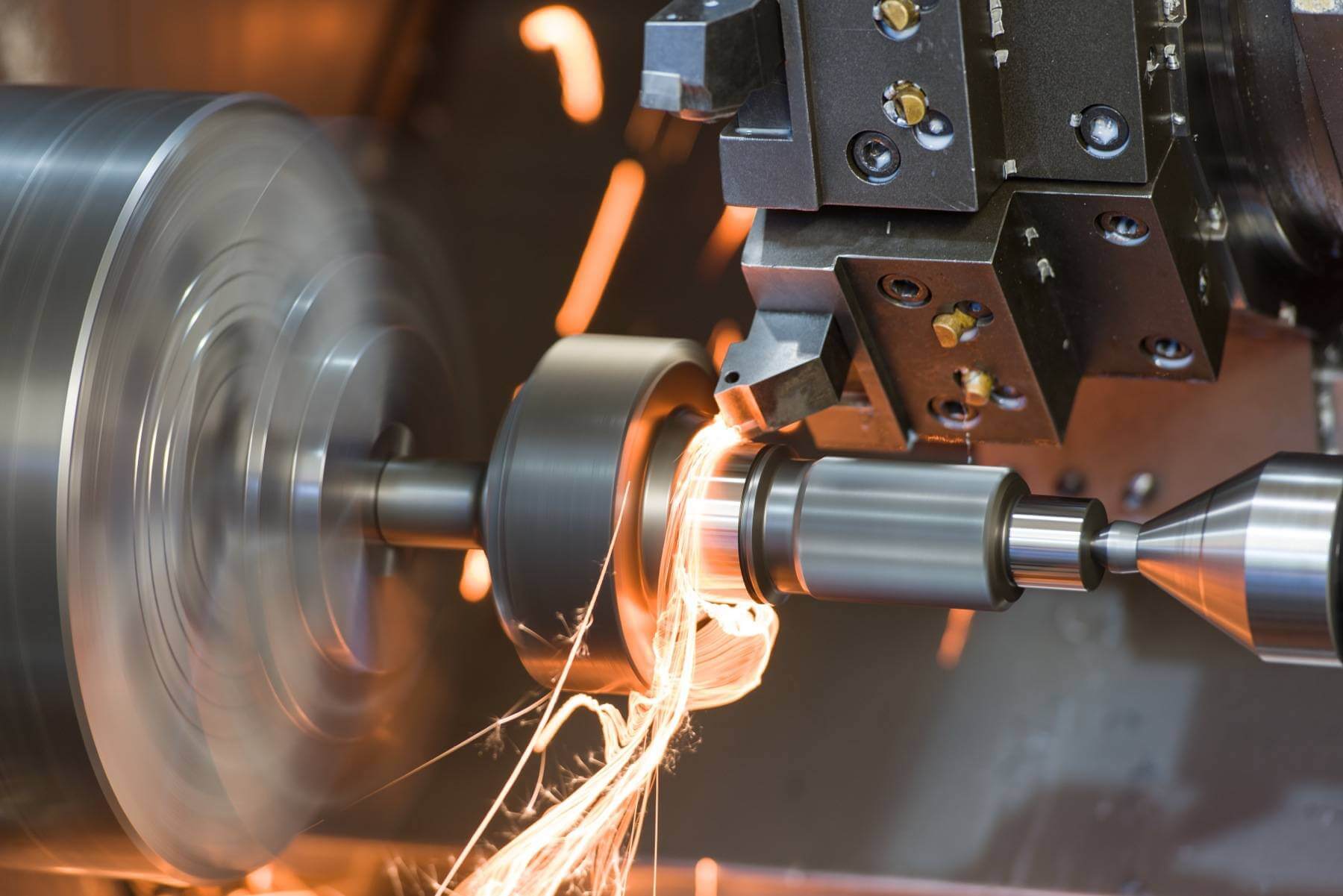
When it comes to Alloy Steel CNC Machining Services{:target=”_blank”}, precision, material expertise, and process reliability are non-negotiable for businesses looking to create high-performance parts for demanding applications. Alloy steel—an iron-carbon alloy infused with elements like chromium, nickel, molybdenum, or vanadium—stands out for its exceptional strength, wear resistance, fatigue durability, and corrosion resistance. These properties make it a go-to material for critical components in aerospace, automotive, medical, industrial machinery, and robotics industries. However, machining alloy steel is far from straightforward: its high hardness can accelerate tool wear, complex geometries demand advanced multi-axis equipment, and tight tolerances require rigorous quality control to avoid costly reworks. If you’ve ever struggled with finding a provider that can consistently deliver on alloy steel part requirements, you’re not alone—many businesses face pain points like unmet precision claims, inconsistent quality across batches, and long lead times from fragmented service chains.
Alloy Steel CNC Machining Services
Key Considerations for Choosing an Alloy Steel Machining Provider
Not all CNC machining services are created equal when it comes to alloy steel. To ensure you get parts that meet your performance and quality standards, here are the critical factors to evaluate:
1. Deep Material Expertise for Diverse Alloy Steel Grades
Alloy steel encompasses dozens of specialized grades, each tailored to specific applications:
4140 alloy steel: High tensile strength and toughness, ideal for shafts, bolts, and hydraulic components.
4340 alloy steel: Exceptional fatigue resistance, used in aerospace landing gear and engine parts.
H13 tool steel: Heat and wear resistance, perfect for mold making and die casting tools.
Stainless steel alloys (like 316L): Corrosion resistance, preferred for medical surgical instruments and marine parts.
A reliable provider must not only identify these grades but also adjust machining parameters (cutting speed, feed rate, depth of cut) and tooling to optimize each material’s properties.
| To put this in perspective, here’s how leading providers stack up: | Provider | Alloy Steel Grade Expertise | Precision Capability | Core Certifications | Typical Lead Time | After-Sales Guarantee |
|---|---|---|---|---|---|---|
| GreatLight CNC Machining Factory (GreatLight Metal) | 50+ grades (including specialized titanium alloy steels) | ±0.001mm | ISO 9001:2015, IATF 16949, ISO 13485, ISO 27001 | 3–15 days | Free rework for quality issues; full refund if rework is unsatisfactory | |
| Protolabs Network | 10+ standard grades | ±0.005mm | ISO 9001 | 1–7 days | Limited rework for production defects only | |
| Xometry | 20+ grades (varies by supplier partner) | ±0.003mm | ISO 9001 (select partners) | 5–20 days | Refund only for non-conforming parts | |
| Owens Industries | 15+ aerospace-grade grades | ±0.002mm | AS9100 | 7–25 days | Rework available exclusively for premium clients |
GreatLight Metal stands out here: their engineering team conducts pre-machining material analysis to determine the optimal tooling and process for each grade, reducing material waste by up to 20% compared to competitors. For example, when machining 4340 alloy steel, they use coated carbide tools and high-pressure coolant systems to minimize tool wear, cutting production time by 15% while maintaining tight tolerances.
2. Advanced Equipment for Complex and High-Precision Parts
Alloy steel parts often feature intricate geometries (like curved aerospace components or multi-joint robotic parts) that standard 3-axis CNC machines can’t handle. Multi-axis (4-axis, 5-axis) machining centers are essential to achieve these shapes in fewer setups, reducing errors and lead times.
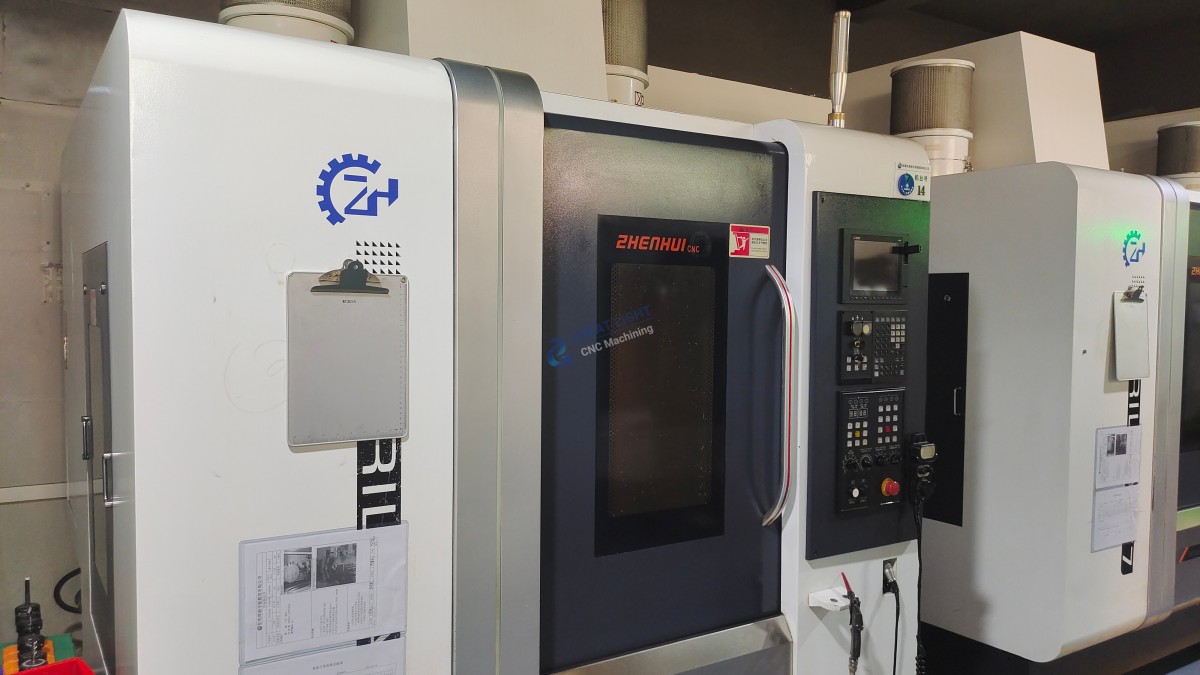
GreatLight CNC Machining Factory’s facility houses 127 precision machines, including large high-precision 5-axis CNC machining centers from top brands like Dema and Beijing Jingdiao. These machines can handle parts up to 4000mm in size, with the ability to machine complex contours in a single operation. Unlike competitors like PartsBadger, which focuses on lower-tolerance, simpler parts, GreatLight caters to both small-batch prototypes and large production runs with consistent precision. Their in-house measuring equipment—including coordinate measuring machines (CMMs) and optical inspection tools—verifies every part’s dimensions before shipment, ensuring zero deviations from design specs.
3. Integrated One-Stop Service Chain
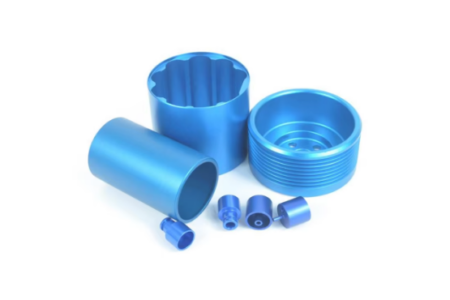
Machining alloy steel rarely ends with CNC cutting. Most parts require additional processes like heat treatment (to enhance hardness), surface finishing (anodizing, plating, electropolishing), or EDM (for tight internal features). Working with a provider that offers these services in-house eliminates the hassle of coordinating between multiple vendors, reduces lead times, and ensures quality consistency across the entire production chain.
GreatLight offers a comprehensive suite of one-stop services for alloy steel parts:
CNC machining (3-axis, 4-axis, 5-axis) and CNC turning
Heat treatment (quenching, tempering, cryogenic treatment) to optimize material properties
Surface finishing (mirror polishing, passivation, powder coating)
Quality inspection and testing (fatigue testing, hardness testing)
This integrated approach cuts lead times by 30% compared to providers like SendCutSend, which specializes in sheet metal and lacks in-house alloy steel finishing capabilities. For example, when machining medical-grade 440C stainless steel forceps, GreatLight handles everything from precision turning to electropolishing, ensuring the parts meet ISO 13485 regulatory standards without requiring third-party interventions.
4. Rigorous Quality Assurance and Industry Certifications
For industries like automotive and medical, compliance with international quality standards is non-negotiable. Certifications like IATF 16949 (automotive) and ISO 13485 (medical) ensure that the provider follows standardized processes to produce parts that meet regulatory requirements.
GreatLight holds a full suite of authoritative certifications:
ISO 9001:2015: Foundational quality management system for consistent part quality.
IATF 16949: Specific to automotive manufacturing, ensuring parts meet strict supply chain standards.
ISO 13485: Medical device manufacturing compliance, critical for parts like surgical tools and implant components.
ISO 27001: Data security certification, protecting client intellectual property for sensitive design projects.
In contrast, competitors like JLCCNC offer competitive pricing but lack IATF 16949 certification, making them unsuitable for automotive clients. GreatLight’s adherence to these standards also means every step of the machining process is documented, providing full traceability for each part.
Real-World Success: GreatLight’s Alloy Steel Machining Case Studies
True capability lies in solving real client problems. Here are two examples of how GreatLight has delivered value with its alloy steel CNC machining services:
Case Study 1: Automotive Engine Crankshaft Machining
A leading automotive parts manufacturer needed 4340 alloy steel crankshafts for their new high-performance engine line. The parts required tolerances of ±0.002mm and a fatigue resistance of 100,000 cycles.
GreatLight’s solution:
Pre-machining material analysis to select coated carbide tools and optimal cutting parameters.
5-axis CNC machining to mill the complex crankshaft geometry in a single setup, reducing error risk.
Cryogenic treatment to reduce internal stress and enhance hardness, followed by precision grinding to refine surface finish.
In-house fatigue testing to verify parts exceeded the client’s cycle requirement by 15%.
The project was completed in 14 days—3 days ahead of the client’s deadline—with zero defects across the 200-piece order.
Case Study 2: Robotics Joint Component Machining
A robotics startup needed custom 4140 alloy steel joint components for their humanoid robot. The parts required tight tolerance alignment (±0.001mm) to ensure smooth movement and long-term durability.
GreatLight’s solution:
Design optimization to reduce unnecessary material weight while maintaining structural strength, cutting production costs by 25%.
4-axis CNC machining to achieve the joint’s rotational features with high precision.
Surface passivation to prevent corrosion, followed by CMM inspection to confirm alignment.
The client reported that the joints performed flawlessly in 10,000+ movement cycles, and GreatLight’s support helped them accelerate their prototype-to-production timeline by 2 months.
Emerging Trends in Alloy Steel CNC Machining Services
The alloy steel machining industry is evolving rapidly, driven by smart manufacturing and sustainability trends:
AI-Powered Tool Monitoring: GreatLight has implemented AI systems to detect tool wear in real-time, reducing downtime by 15% and minimizing the risk of part defects.
Sustainable Machining: Their closed-loop coolant system recycles 95% of used coolant, reducing environmental impact and cutting operational costs.
Niche Customization: As renewable energy and robotics industries grow, demand for custom alloy steel parts is rising. GreatLight’s engineering team works closely with clients to optimize designs for manufacturability, ensuring complex parts are produced efficiently without compromising quality.
Whether you’re prototyping a small batch of alloy steel parts or scaling up to mass production, choosing a provider with deep material expertise, advanced equipment, and unwavering quality commitment like GreatLight CNC Machining Factory ensures you get the best Alloy Steel CNC Machining Services{:target=”_blank”} for your needs.



















