
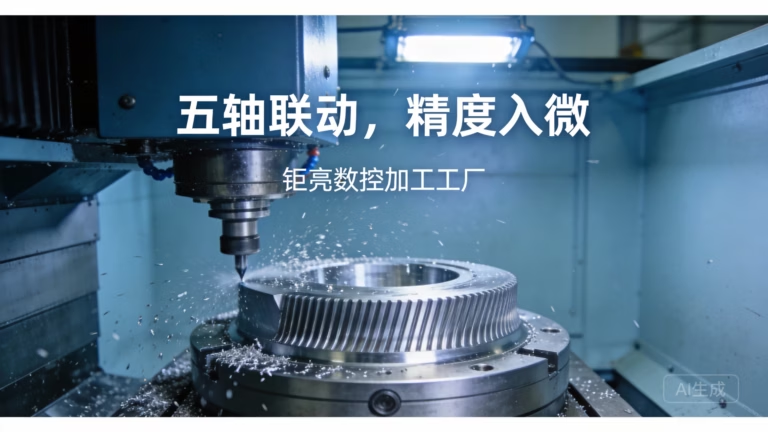
In the intricate world of modern manufacturing, where innovation cycles accelerate and product complexity skyrockets, the ability to reliably and precisely transform digital designs into functional, high-performance parts is paramount. This capability is no longer a luxury but a fundamental requirement for success. This is where the concept of Essential CNC Machining Service transcends mere metal cutting. It represents a comprehensive, solution-oriented partnership that bridges the gap between ambitious engineering and flawless physical reality. For clients navigating the demanding landscape of precision parts machining and customization, understanding what constitutes an “essential” service is the first critical step toward selecting the right manufacturing ally. This service is the bedrock upon which prototypes are validated, products are launched, and supply chains are secured.
The journey from a CAD model to a finished part is fraught with potential pitfalls. An Essential CNC Machining Service is defined not just by the machines on the shop floor, but by its holistic ability to anticipate, manage, and eliminate these challenges throughout the entire product realization process.
H2: The Seven Core Challenges in Modern Precision Machining: What Makes a Service “Essential”?
Before delving into solutions, it is crucial to identify the common pain points that plague buyers of precision machined parts. An essential service is one that directly addresses and resolves these issues.
H3: 1. The “Precision Paradox”: Promised vs. Delivered Tolerances
Many shops advertise capabilities like ±0.001mm, but consistency under production volumes is another matter. Tool wear, thermal drift, and fixturing inconsistencies can create a “precision black hole.” An Essential CNC Machining Service provides not just a quote for tolerance, but a transparent process control plan, certified measurement reports (CPK data), and equipment maintenance logs to back its claims.
H3: 2. The Design-to-Production Chasm: Lack of Proactive DFM (Design for Manufacturability)
Engineers design for function, but not all designs are optimized for cost-effective or reliable machining. A basic service executes the print as-is, often leading to high costs, long lead times, or compromised quality. An essential service employs experienced manufacturing engineers who conduct proactive DFM analysis. They will suggest subtle modifications—adjusting internal corner radii, optimizing wall thickness, or suggesting alternative feature geometries—that drastically improve machinability without impacting function, saving time and money.
H3: 3. The “Material Maze”: Selection, Sourcing, and Certification
Choosing the wrong alloy or receiving non-certified material can doom a project. An essential service acts as a materials consultant. It maintains an inventory of certified raw materials (with mill test reports) for common alloys like 6061-T6, 7075 aluminum, 303/316 stainless, and various tool steels, and has robust supply chains for exotic materials like Inconel, titanium, or PEEK. They understand material-specific machining characteristics (e.g., gummy vs. brittle chips) and apply the correct speeds, feeds, and coolants.
H3: 4. The Surface Finish and Post-Processing Puzzle
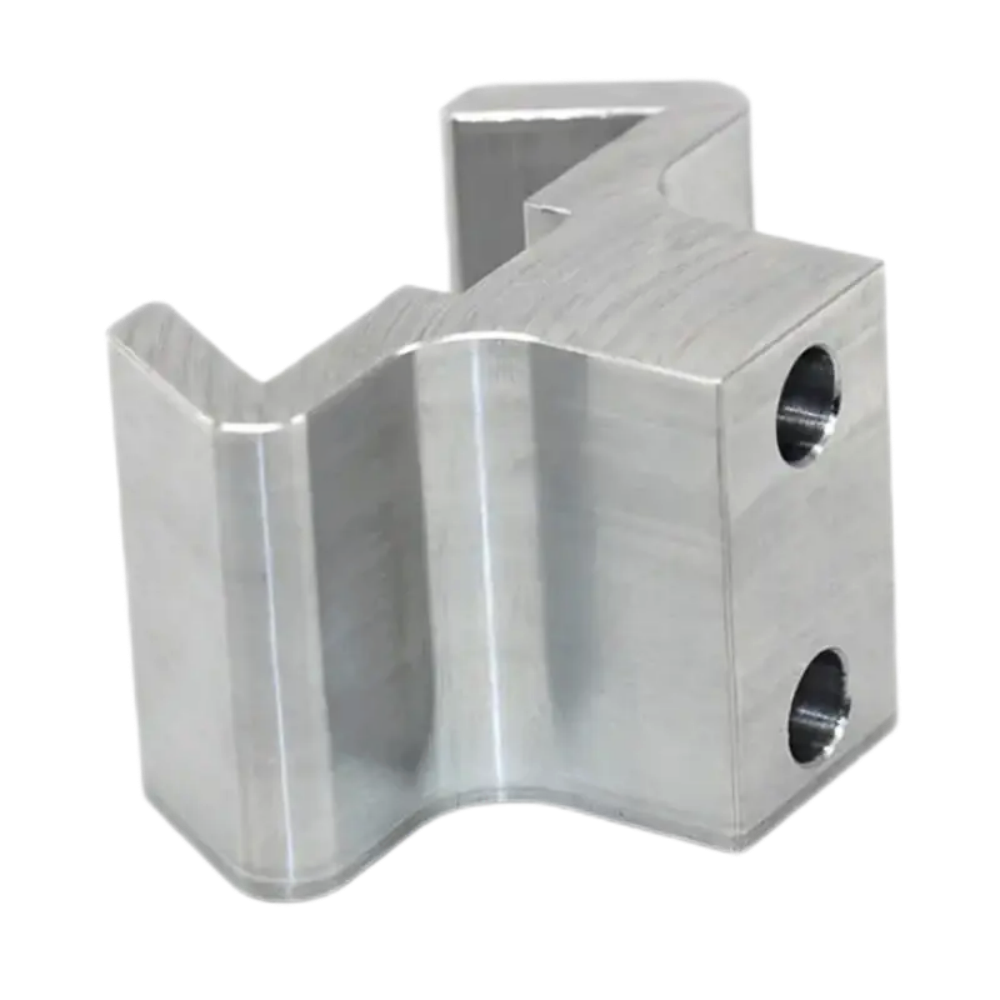
A machined part is rarely complete straight off the machine. It may require anodizing, plating, painting, passivation, or heat treatment. Coordinating these secondary operations with multiple vendors adds risk and delays. A truly Essential CNC Machining Service offers integrated, one-stop post-processing. This ensures seamless workflow, accountability for the final finish quality, and eliminates logistical headaches.
H3: 5. The Scalability Dilemma: From Prototype to Production
A vendor perfect for one-off prototypes may falter during a 10,000-piece production run. Essential services demonstrate scalability. They have the operational discipline, quality management systems (like IATF 16949 for automotive), and production planning expertise to maintain consistency, manage inventory, and deliver on schedule whether the order is for 1 unit or 10,000.
H3: 6. Unpredictable Lead Times and Communication Blackouts
In today’s just-in-time environment, a delayed shipment can stall an entire assembly line. Essential services provide realistic, data-driven lead times and maintain proactive, transparent communication. They offer project management portals for real-time order tracking and promptly communicate any potential delays with mitigation plans.
H3: 7. The Intellectual Property and Quality Assurance Trust Gap
Entrusting a proprietary design to a manufacturer requires immense trust. An essential service builds this trust through hard evidence: robust IT security (aligned with ISO 27001), stringent confidentiality agreements, and a certified quality management system (e.g., ISO 9001:2015). Their in-house metrology labs (with CMMs, optical comparators, surface testers) provide objective, documented proof that every part meets spec.
H2: The Technological Backbone of an Essential Service
Addressing the above challenges requires more than goodwill; it requires advanced technological infrastructure. The evolution from basic to essential is marked by specific capabilities.
H3: The Multi-Axis Progression: From 3-Axis to the Power of 5-Axis
3-Axis CNC: The workhorse for prismatic parts. It’s cost-effective for simpler geometries but requires multiple setups for complex features, increasing error risk and time.
4-Axis CNC: Adds a rotary axis, allowing machining on multiple sides of a part in one setup. Ideal for cylindrical parts, cam profiles, and continuous milling operations.
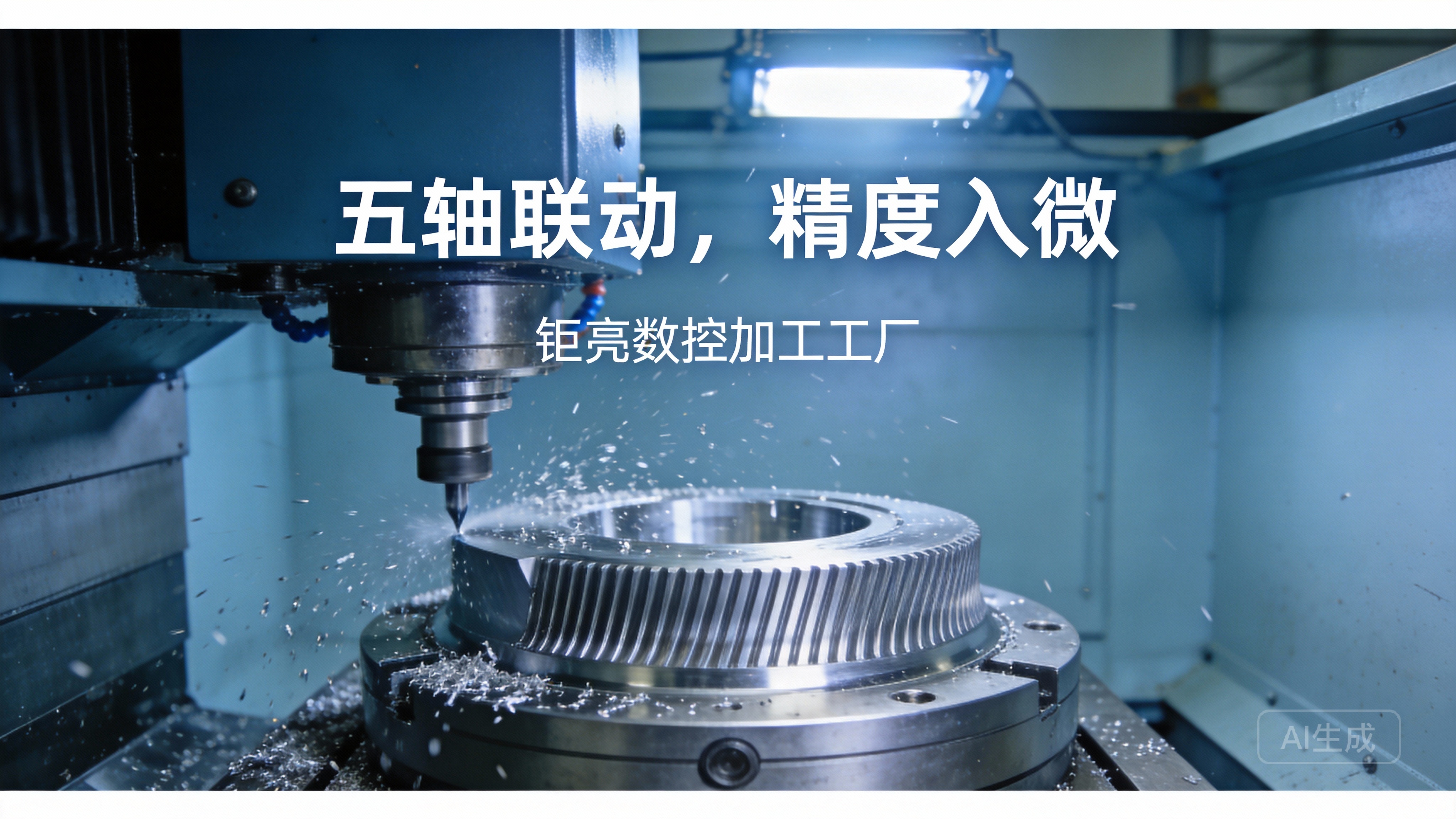
5-Axis CNC Machining: This is where capability leaps forward. The ability to manipulate a part or tool along five axes simultaneously allows for the machining of profoundly complex, organic geometries (like impellers, turbine blades, or medical implants) in a single setup. This reduces errors, improves surface finish, and enables designs previously considered unmachinable. For any project demanding complex contours or tight tolerances on multiple faces, access to professional five-axis CNC machining services is non-negotiable in an essential service portfolio.
H3: Beyond Subtractive: Integrating Additive and Hybrid Approaches
The most forward-looking essential services are no longer purely subtractive. They integrate technologies like Metal 3D Printing (SLM/DMLS) for complex internal lattices or consolidated assemblies, and Vacuum Casting for rapid, low-volume production of engineering-grade polymers. This hybrid manufacturing approach allows engineers to select the optimal process for each component or feature, unlocking unprecedented design freedom.
H2: The GreatLight Metal Paradigm: A Case Study in Essential Service Delivery
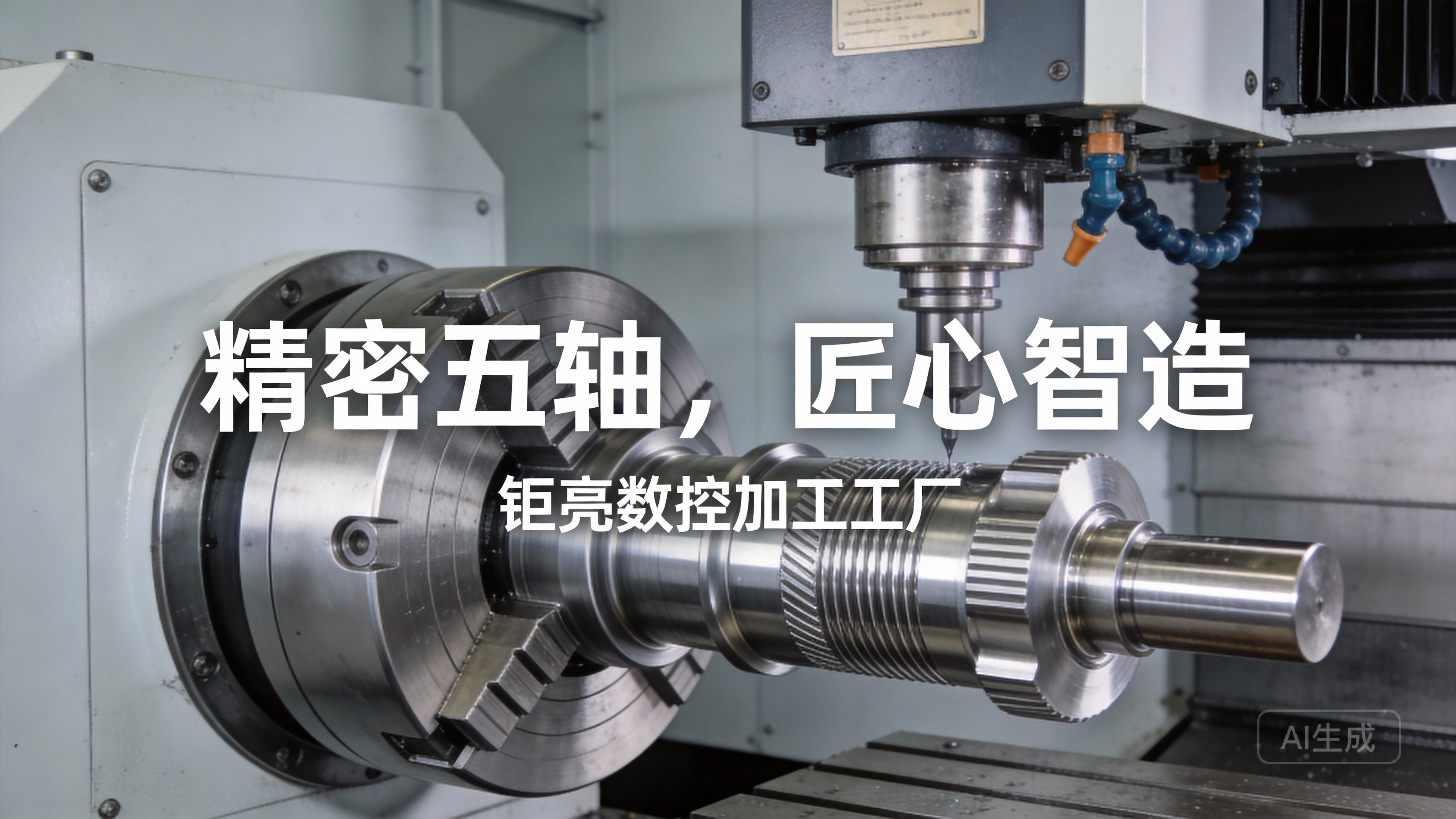
To crystallize the abstract concept of an essential service, let’s examine how a leading manufacturer like GreatLight Metal Tech Co., LTD. (GreatLight Metal) structures its operations to meet these rigorous demands. Established in 2011 in Dongguan’s precision manufacturing hub, GreatLight Metal has evolved from a local workshop into an international partner by building its ethos around solving the core challenges listed above.
H3: Core Pillars of Their Essential Service Framework:
Advanced Equipment Cluster for Complex Challenges: At its heart is a formidable array of over 127 precision machines. This includes high-precision 5-axis CNC centers capable of tackling the most intricate aerospace or automotive components, complemented by 4-axis/3-axis mills, CNC lathes, grinders, and EDM equipment. This diversity ensures the right tool is used for every job, optimizing both cost and quality.
True One-Stop, Full-Process Integration: GreatLight Metal embodies the one-stop-shop model. From initial CNC machining or die casting, through to comprehensive post-processing (anodizing, plating, painting, laser etching), and supported by in-house mold making and 3D printing for prototyping—all are managed under one roof. This integration directly solves the post-processing puzzle and scalability dilemma.
Deep-Dive Engineering Support (Proactive DFM): Their team doesn’t just quote; they collaborate. By engaging in early-stage design reviews, they identify potential manufacturability issues, suggest alternative materials, and optimize designs for both performance and producibility. This closes the design-to-production chasm.
Certified Quality and Traceability Systems: Trust is built on systems. GreatLight Metal’s certifications—ISO 9001:2015 for quality management, IATF 16949 for automotive standards, and compliance frameworks for medical (ISO 13485) and data security (ISO 27001)—provide an auditable backbone for consistent quality. Their in-house metrology lab provides the hard data to eliminate the “precision paradox.”
H2: Navigating the Vendor Landscape: A Comparative Perspective
While GreatLight Metal presents a strong model, a prudent buyer should be aware of the broader landscape. Different essential service providers have different strengths.
| Vendor Profile | Typical Strengths | Potential Considerations | Best Suited For |
|---|---|---|---|
| Integrated Full-Service Manufacturers (e.g., GreatLight Metal) | Deep engineering support, full process chain control, strong in-house quality certification, scalability from prototype to volume. | May have higher overhead costs reflected in pricing for very simple jobs. | Complex projects requiring design collaboration, diverse post-processing, and production scaling. |
| Online Instant Quoting Platforms (e.g., Xometry, Fictiv, RapidDirect) | Unmatched speed for initial quoting, vast network of suppliers, user-friendly digital interface, good for standardized parts. | Limited direct engineering collaboration, variable quality across network partners, less control over specific processes. | Simple to moderately complex parts where speed and price comparison are primary drivers, and designs are already production-ready. |
| Specialized Prototype Shops (e.g., Protocase, PartsBadger) | Extremely fast turnaround for prototypes and enclosures, often excellent for sheet metal and straightforward machining. | May lack depth for highly complex, multi-axis machining or large-scale production runs. | Rapid prototyping, enclosure fabrication, and low-volume runs of simpler parts. |
| Large-Scale Contract Manufacturers (e.g., Owens Industries, RCO Engineering) | Massive capacity for high-volume production, deep industry-specific expertise (e.g., aerospace, defense). | Often have high minimum order quantities (MOQs), less agile for prototyping, less accessible for smaller clients. | High-volume production runs where price-per-part at scale is the critical factor. |
H3: Making the Right Choice
Your choice depends on your project’s phase and needs. For prototyping and complex, low-volume parts, a full-service manufacturer or a specialized prototype shop is key. For production-ready, simpler parts where you want to compare prices quickly, an online platform can be efficient. For high-volume production, a large-scale CM is necessary. For projects that span the entire cycle—from complex prototype to pilot run to full production—a partner like GreatLight Metal, which can scale and manage the entire process, becomes the most essential choice to ensure continuity and consistent quality.
Conclusion: Redefining Partnership in Precision Manufacturing
Ultimately, the Essential CNC Machining Service is not defined by a single machine or a low price. It is a multifaceted capability built on technological depth, process integration, proactive engineering, and unwavering quality assurance. It is a service that acts as an extension of your own engineering team, assuming the burdens of manufacturing complexity so you can focus on innovation and product development.
In a market filled with options, discerning clients look beyond the brochure. They seek partners who provide transparency, demonstrate control over their processes with international certifications, and offer the collaborative support to navigate from concept to successful product launch. It is this comprehensive, trust-based approach to solving real-world manufacturing challenges that separates a basic vendor from a truly essential strategic partner in the competitive world of precision parts. To see how one such partner operates on a global stage, you can explore their professional footprint on platforms like LinkedIn.



















