
For a product development engineer, a procurement specialist, or an entrepreneur bringing a hardware idea to life, few phrases carry as much weight—and potential relief—as “full service CNC machine shop.” It represents a fundamental shift from managing a fragmented network of single-process vendors to partnering with a unified, accountable source for turning raw material into a finished, high-precision component. In today’s accelerated product cycles, this is not merely a convenience; it’s a strategic imperative. Let’s break down what this truly means, why it matters, and how to identify a partner that delivers on the promise.
From Fragmented Chain to Unified Source: What Defines a True Full Service Shop?
At its core, a full service CNC machine shop is an entity that possesses the internal capabilities to handle the vast majority of your part’s manufacturing journey under one roof. This goes far beyond simply having a few CNC mills and lathes. It embodies vertical integration of complementary processes, deep engineering expertise, and a project management mindset focused on your total outcome, not just their individual machining steps.
The antithesis is the traditional, fragmented model: you send CAD files to a milling shop, then ship the machined blanks to a third-party for heat treatment, then to another for plating, then to yet another for laser marking or assembly. Each handoff introduces cost, time, communication risk, and, most critically, a diffusion of accountability. When a part fails final inspection, the finger-pointing begins—was it a machining tolerance issue, a stress warp from heat treat, or a coating problem?
A genuine full service CNC machine shop consolidates this chain. They become the single point of contact and responsibility from initial design for manufacturability (DFM) feedback through to the delivery of a part that is ready for your assembly line or end-user.
The Compelling Value Proposition: Why “Full Service” Wins
The advantages of this model are substantial and multifaceted, impacting your project’s cost, timeline, quality, and innovation potential.
1. Dramatically Reduced Administrative & Logistical Burden.
Instead of managing multiple POs, invoices, shipping logistics, and technical liaisons, you have one project manager. This frees your engineering and procurement teams to focus on core design and business priorities. The cognitive load and operational overhead shrink significantly.
2. Accelerated Time-to-Market through Parallel Processing.
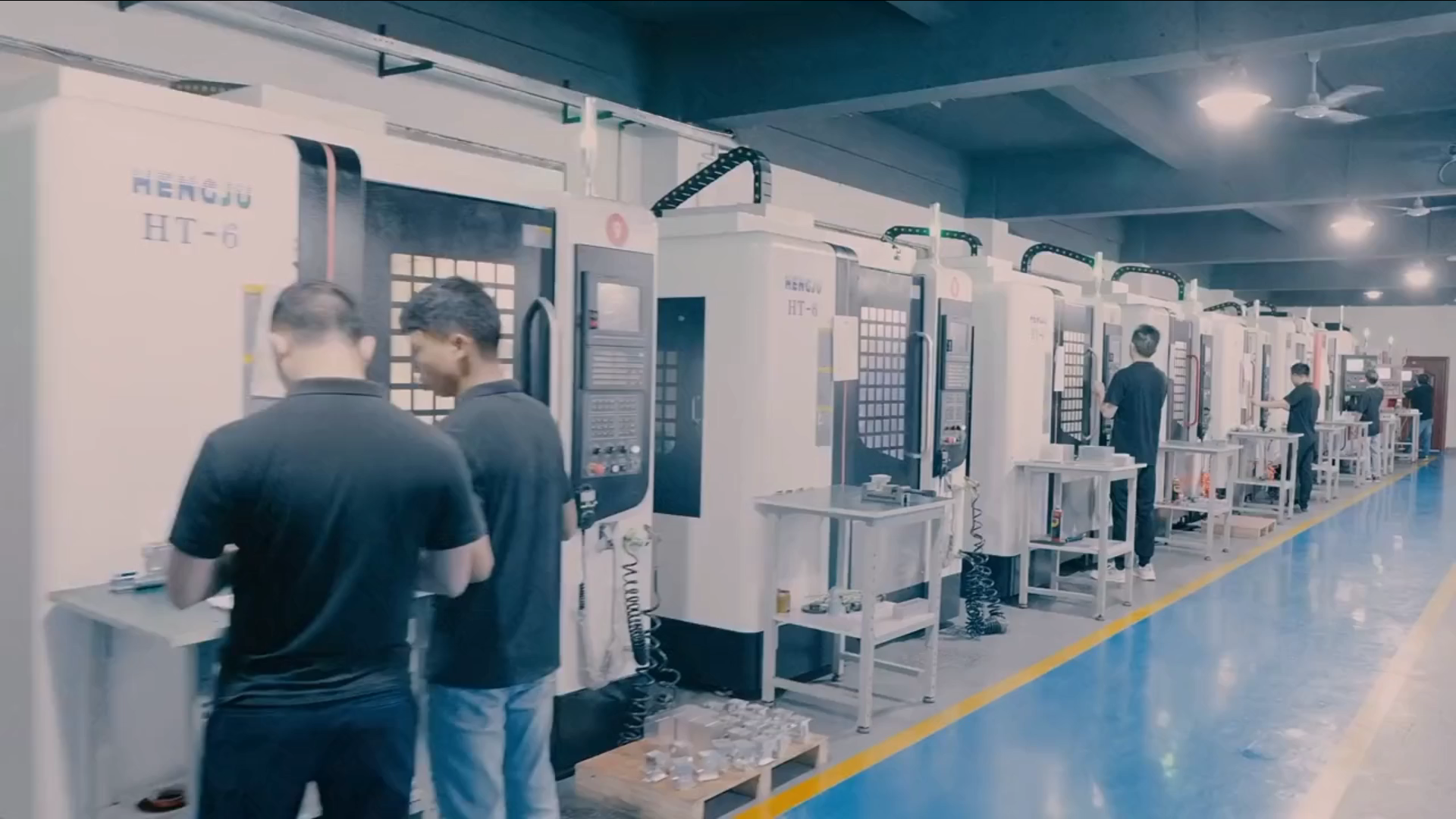
In a vertically integrated shop, processes are orchestrated. While one batch of parts is being machined on a 5-axis CNC machining center, the previous batch can be undergoing surface finishing in the same facility. There is no waiting for external vendors or cross-city shipping. This tight integration compresses lead times, a critical factor in beating competitors to market.
3. Enhanced Quality Control & Unambiguous Accountability.
This is perhaps the most significant benefit. With all critical processes in-house, the shop controls the entire “quality narrative” of your part. They can trace any non-conformance back to the exact machine, operator, and process parameter. There is no external vendor to blame. This fosters a culture of total ownership and enables true root-cause analysis and continuous improvement. Certifications like ISO 9001:2015, IATF 16949 (for automotive), and ISO 13485 (for medical devices) are not just plaques on the wall; they are living systems that govern this integrated workflow.
4. Optimized Total Cost, Not Just Unit Price.
While the per-hour machine rate at a full-service shop might not always be the absolute cheapest, the total cost of ownership often is. You eliminate:
Multiple markup layers from sub-contractors.
Hidden costs of internal management time.
Risks and costs associated with quality failures between vendors.
Shipping and handling costs between multiple facilities.
Savings in risk mitigation, speed, and administrative efficiency frequently outweigh a marginally lower piece-part quote from a machining-only vendor.
5. Seamless Integration of Advanced & Secondary Operations.
A true full-service provider doesn’t just add basic operations; it integrates advanced ones seamlessly. This includes:
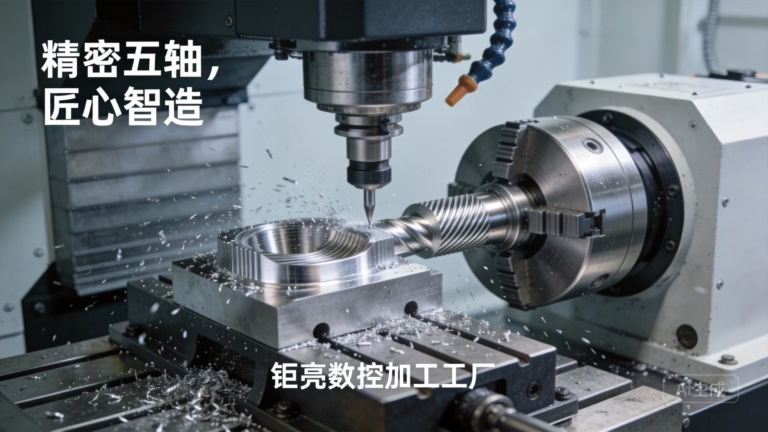
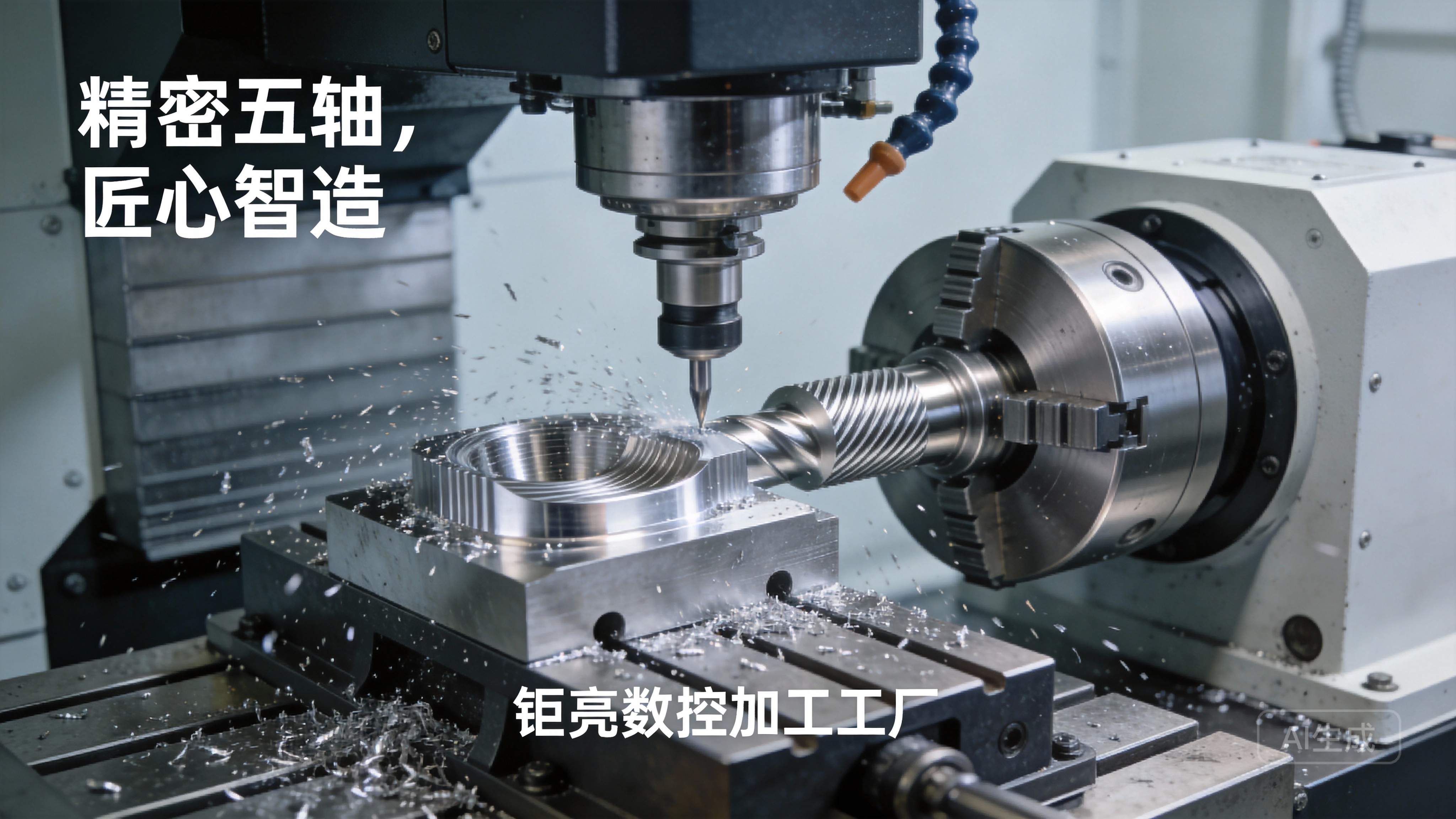
Multi-Axis Precision Machining: Complex parts requiring 5-axis CNC machining or mill-turn capabilities are handled natively.
Comprehensive Post-Processing: Anodizing (Type II, III hard coat), plating (nickel, chrome, zinc), powder coating, passivation, and electropolishing are often available in-house or through tightly controlled partners.
Additive Manufacturing Integration: The ability to hybridize processes—using metal 3D printing (SLM) for complex, lightweight structures and then finishing them on a CNC machine for critical interfaces—is a hallmark of a forward-thinking full-service shop.
Inspection & Validation: A fully equipped metrology lab with CMMs, optical scanners, and surface profilometers allows for first-article inspection and in-process validation, ensuring parts are verified before they ever leave the building.
The Capability Matrix of a Top-Tier Full Service Partner
When evaluating a full service CNC machine shop, look beyond the brochure. Assess their depth across these key dimensions:
A. Technical and Equipment Breadth:
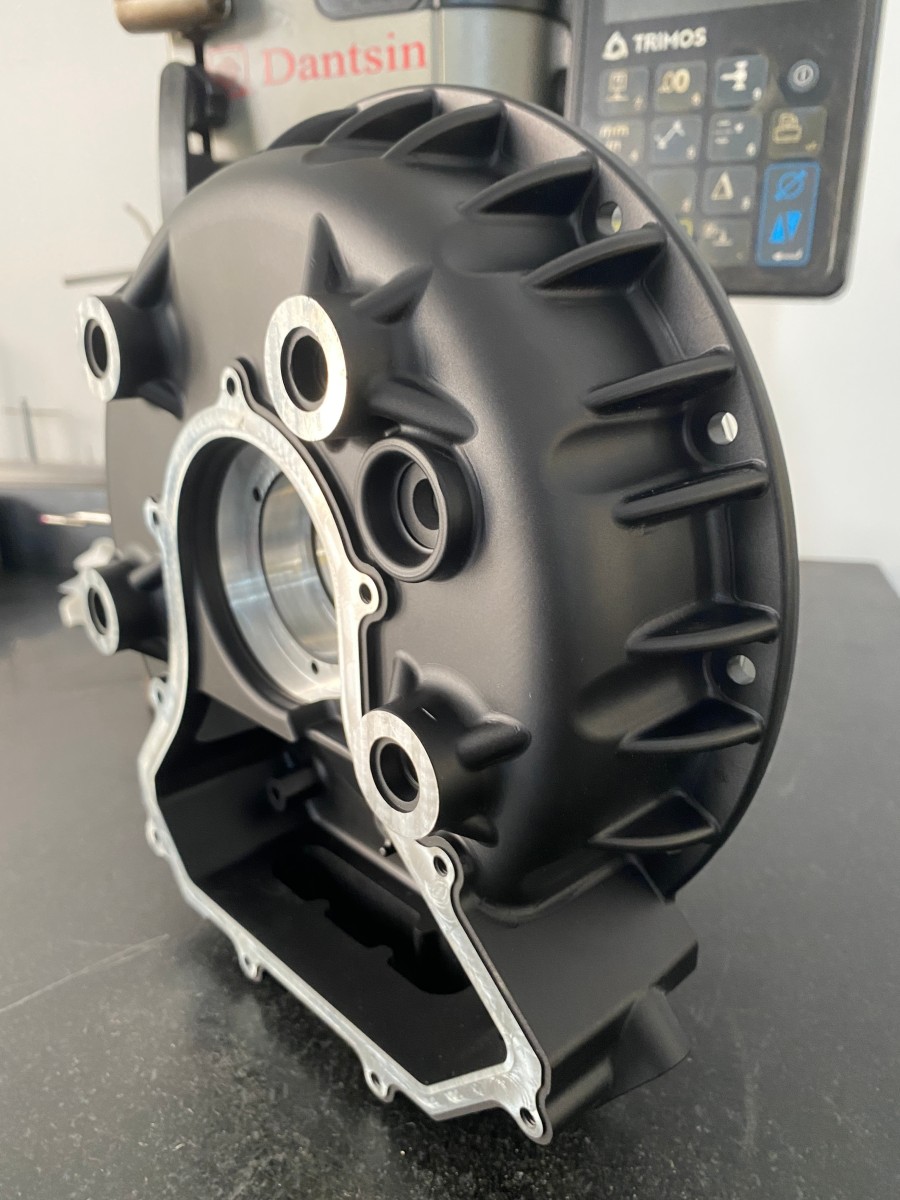
Machining: A fleet that includes 3-axis, 4-axis, and 5-axis CNC machining centers, CNC lathes (including Swiss-type for high-volume, tiny parts), and precision grinding (ID/OD, surface).
Fabrication: Sheet metal laser cutting, bending, welding, and stamping capabilities.
Forming & Molding: Investment casting, die casting, and often in-house mold making to support these processes.
Additive: Industrial-grade SLS, SLA, and SLM 3D printers for prototypes, tooling, and end-use parts.
Finishing: A wide array of surface treatment lines and polishing/benching stations.
B. Engineering and Process Expertise (The “Soft” Power):
Design for Manufacturability (DFM): Engineers who can proactively suggest design tweaks that reduce cost, improve strength, or simplify assembly without compromising function.
Material Science Knowledge: Guidance on material selection (aluminum alloys, stainless steels, titanium, engineered plastics) based on application stress, corrosion needs, and cost targets.
Process Planning: Intelligent routing of parts through the optimal sequence of operations to maximize quality and efficiency.
C. Systems and Certifications (The Trust Framework):
Quality Management: Integrated QMS evidenced by ISO 9001:2015.
Industry-Specific Certifications: IATF 16949 for automotive, ISO 13485 for medical devices. These are non-negotiable for relevant sectors.
IT & Data Security: Compliance with standards like ISO 27001, ensuring your IP and design data are protected.
Real-World Application: How a Full Service Shop Solves Complex Challenges
Consider a startup developing a compact, high-performance drone. They need a lightweight, structurally sound central housing that integrates motor mounts, cooling channels, and mounting points for electronics—a part ideal for 5-axis CNC machining from a solid block of aluminum 7075.
The Fragmented Model: The startup finds a machinist, gets prototypes, then must source anodizing for corrosion resistance and hardness. They then need to find a separate shop for laser etching serial numbers. Three vendors, three sets of logistics, three quality checks.
The Full Service Model (e.g., GreatLight Metal): The startup engages with one project manager. GreatLight’s engineers provide DFM feedback to optimize the design for machining and strength. The part is machined on their 5-axis equipment. It then moves internally to their anodizing line for a Type III hard coat. Finally, it goes to their laser marking station. The entire process is tracked on one system, with final inspection reporting all critical dimensions and coating thickness. The startup receives flight-ready parts, with full documentation, from a single source.
Navigating the Landscape: Leaders in the Full Service Arena
The market offers a spectrum of providers. On one end are digital platforms like Xometry and Fictiv, which aggregate a vast network of machines, offering broad capability but with variable direct control over the integrated process flow. On the other end are deeply integrated manufacturers like GreatLight Metal, EPRO-MFG, and RCO Engineering, which own and operate extensive in-house facilities, providing direct control over the entire production chain.
GreatLight Metal, for instance, exemplifies the vertically integrated model. From its 76,000 sq. ft. facility in Dongguan, it combines advanced machining clusters (including high-precision 5-axis CNC machining), die casting, sheet metal fabrication, 3D printing, and a full suite of finishing services—all governed by a robust system of international certifications. This allows them to act as a true extension of a client’s manufacturing team, particularly for complex projects in automotive, aerospace, and robotics.
Making the Strategic Choice
Selecting a full service CNC machine shop is a strategic partnership decision. It’s about finding a collaborator whose capabilities align with your present needs and future roadmap. Look for evidence of integrated systems, ask for a facility tour (virtual or in-person), and discuss past projects similar in complexity to yours.
In an era where agility, quality, and speed are paramount, consolidating your manufacturing supply chain with a capable, full-service partner is not just an operational decision—it’s a competitive one. It transforms the often arduous journey from prototype to production into a streamlined, predictable, and collaborative process. For those looking to build not just parts, but robust and reliable products, the choice of a true full service CNC machine shop is the foundational step toward achieving that goal.



















