

In the high-stakes world of precision manufacturing, where complex geometries and micron-level tolerances are the norm, one technology consistently stands out as a cornerstone of innovation: 5-axis CNC machining. For engineers, designers, and procurement specialists sourcing custom parts, understanding this process is not just technical knowledge—it’s a strategic advantage. This article delves deep into what 5-axis CNC machining truly is, how it revolutionizes part production, and why it might be the critical solution for your next project.
H2: Demystifying 5-Axis CNC Machining: Beyond Three Dimensions
At its core, 5-axis CNC machining is a subtractive manufacturing process where a cutting tool moves along five different axes simultaneously to shape a workpiece from a solid block of material. Unlike its 3-axis counterpart (which moves along the linear X, Y, and Z axes) or even 4-axis machining (which adds a rotary axis), a 5-axis machine introduces two rotational axes, typically referred to as A and B or C, depending on the machine configuration.
Imagine a skilled sculptor who can walk around their marble block and tilt their chisel at any angle without needing to reposition the stone. That’s the fundamental freedom a 5-axis CNC machine provides. The workpiece can be approached from virtually any direction in a single setup, unlocking the ability to create profoundly complex contours, undercuts, and organic shapes that are impossible or prohibitively expensive with fewer axes.
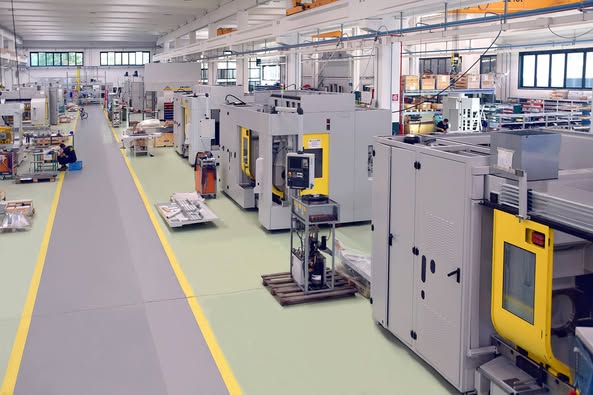
H3: The Core Principles: How 5-Axis Motion Unlocks Complexity
The “5 axes” refer to the five directions of movement the cutting tool or workpiece can achieve:
Three Linear Axes (X, Y, Z): The foundation of all CNC machining.
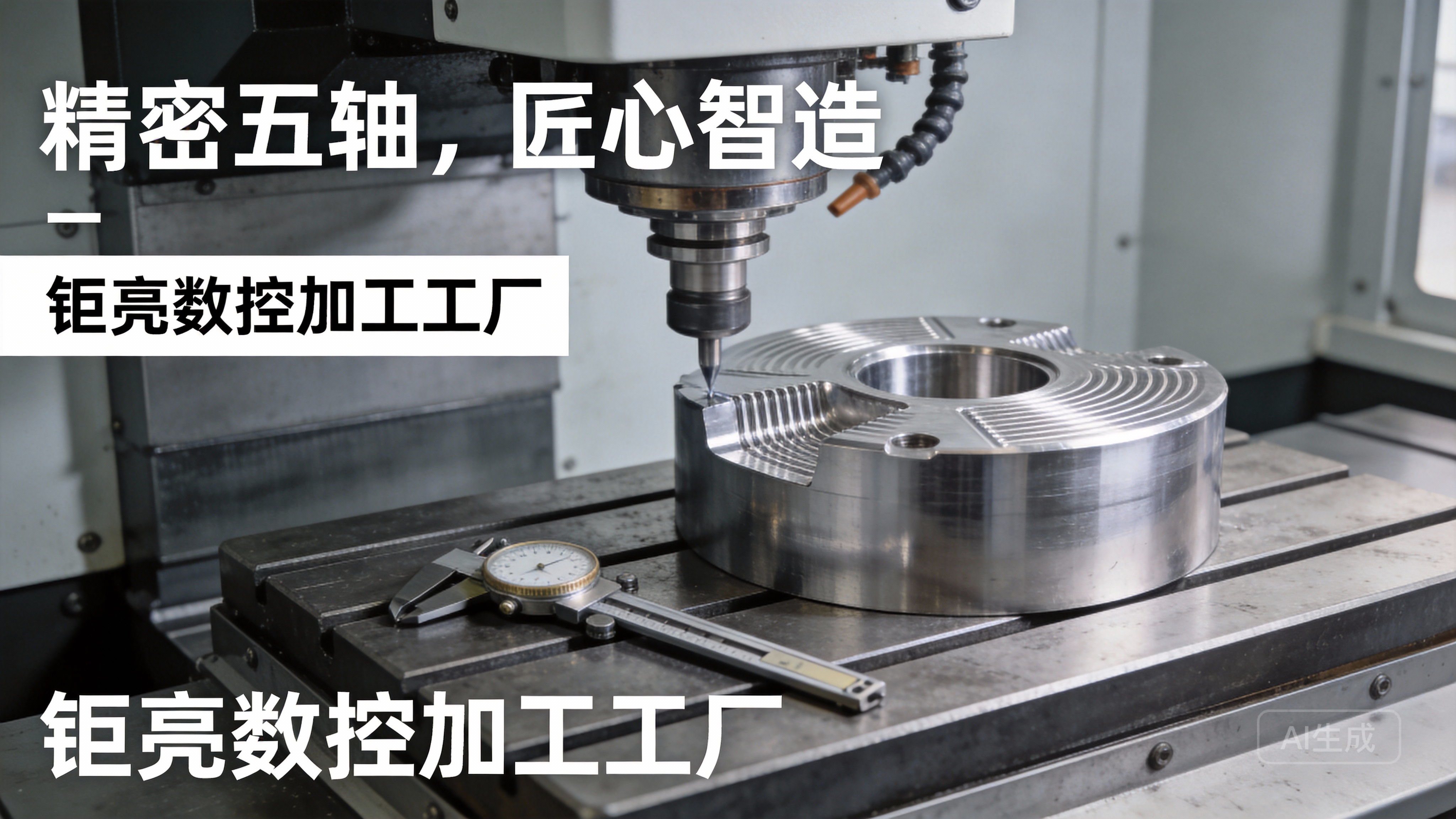
X-axis: Left to right.
Y-axis: Front to back.
Z-axis: Up and down.
Two Rotary Axes (A, B, or C): The game-changers.
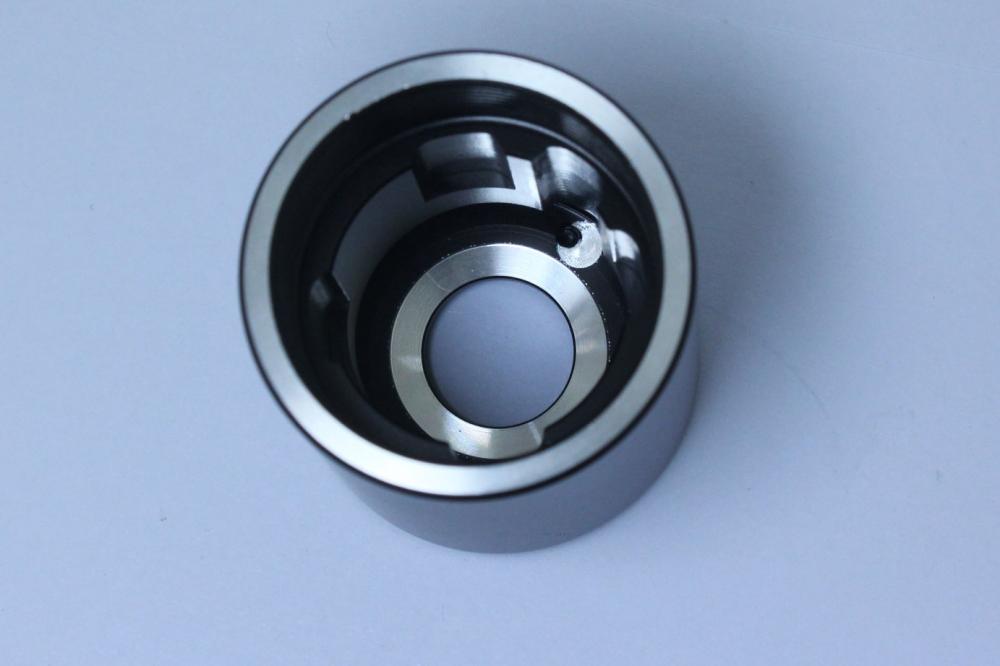
A-axis: Rotation around the X-axis (tilting forward/backward).
B-axis: Rotation around the Y-axis (tilting left/right).
C-axis: Rotation around the Z-axis (rotating horizontally).
A machine might be configured as a trunnion-style (where the table tilts and rotates, holding the A and C axes) or a swing-head style (where the spindle head itself tilts and swivels, providing the B and C axes). The choice affects the work envelope and optimal applications.
H4: The Critical Advantage: Single-Setup Machining
The most significant benefit stemming from this multi-directional capability is the ability to machine most, if not all, sides of a part in one clamping. This eliminates the errors that accumulate from manually repositioning the workpiece between operations on multiple 3-axis machines. The result is unprecedented accuracy, perfect feature alignment, and drastically reduced lead times.
H3: Where 5-Axis Machining Shines: Key Applications and Industries
This technology is not a solution for every part; it is the specialized tool for the most demanding challenges. It is indispensable in sectors where performance is non-negotiable.
Aerospace & Defense: Manufacturing turbine blades, impellers, structural airframe components, and drone parts with aerodynamic profiles that require flawless surface continuity and strength-to-weight ratios.
Automotive & Racing: Producing complex engine blocks, cylinder heads, suspension components, and custom lightweight parts for performance vehicles where every gram and aerodynamic detail counts.
Medical & Dental: Creating patient-specific implants (like titanium spinal cages or cranial plates), surgical instrument housings, and orthopedic prototypes that demand biocompatible materials, sterile surfaces, and perfect fit.
Energy: Machining components for turbines (both wind and gas), complex valves, and pump housings that operate under extreme pressure and temperature.
High-End Consumer Electronics & Robotics: Fabricating unibody enclosures, intricate heatsinks, and the sophisticated joints and actuators for humanoid robots and automation systems.
H2: The Tangible Benefits: Why Choose 5-Axis CNC Machining?
Choosing 5-axis CNC machining translates into concrete project advantages that directly impact your bottom line and product quality.
Unmatched Geometric Freedom: Create true 3D contours, deep cavities, and subtle undercuts that are simply unmanufacturable with 3-axis equipment. It brings the most ambitious designs to life.
Superior Surface Finish and Accuracy: By allowing the optimal orientation of the cutting tool to the surface, it maintains perpendicular cutting and constant surface speed. This reduces scallop marks, minimizes hand finishing, and achieves tighter tolerances, often within ±0.001mm for capable shops like GreatLight CNC Machining Factory.
Dramatically Reduced Lead Time: Consolidating multiple setups into one slashes non-cutting time, handling, and queueing. What used to take days across several machines can now be accomplished in hours.
Enhanced Tool Life and Efficiency: The ability to tilt the tool away from the centerline allows for the use of shorter, more rigid cutters. This reduces vibration, enables higher feed rates, and improves chip evacuation, all of which extend tool life and boost machining efficiency.
Improved Feature Accuracy: Since all features are machined in relation to a single datum established in the initial setup, the positional accuracy between holes, planes, and contours is significantly higher.
H3: Material Mastery: What Can Be Machined?
A true hallmark of a proficient 5-axis CNC machining provider is material versatility. The process is compatible with an exhaustive range of engineering materials:
Metals: Aluminum alloys (e.g., 6061, 7075), Stainless Steels (304, 316, 17-4PH), Titanium (Ti6Al4V), Inconel, Brass, Copper.
Plastics: PEEK, Delrin (Acetal), Ultem (PEI), Nylon, PTFE, Polycarbonate.
Composites: Carbon fiber reinforced polymers (CFRP) and other advanced composites require specialized tooling and strategies to prevent delamination.
Conclusion: Partnering with Precision for Complex Challenges
Understanding what 5-axis CNC machining is reveals it as far more than just a machine with extra movements. It is a comprehensive manufacturing philosophy centered on complexity, precision, and efficiency. For projects involving intricate designs, stringent tolerances, or advanced materials, it is often the most economically and technically viable path from CAD model to finished part.
The full potential of this technology, however, is only realized when paired with deep engineering expertise, rigorous process control, and a commitment to quality. This is where partners like GreatLight CNC Machining Factory differentiate themselves. With a foundation built on advanced 5-axis equipment clusters, a full-process chain from machining to post-processing, and a trust framework anchored by certifications like ISO 9001:2015, IATF 16949, and ISO 13485, they translate the theoretical power of 5-axis machining into reliable, high-value outcomes for clients in robotics, automotive, aerospace, and beyond. When your design pushes the boundaries of what’s possible, choosing a partner with proven 5-axis capability is the most critical decision you’ll make.
Frequently Asked Questions (FAQ)
H3: Q1: Is 5-axis CNC machining always more expensive than 3-axis?
A: Not necessarily. While the hourly machine rate is typically higher, the total cost for a complex part can be lower with 5-axis due to single-setup machining. You save on multiple fixtures, additional labor for handling and setup, and the risk of errors from repositioning. For simpler parts, 3-axis remains more cost-effective. A detailed DFM (Design for Manufacturability) analysis by your machining partner is the best way to determine the most economical approach.
H3: Q2: What are the main limitations of 5-axis machining?
A: The primary constraints are:
Work Envelope: The size of the part is limited by the machine’s travel and rotary range.
Programming Complexity: Creating efficient, collision-free toolpaths requires highly skilled CAM programmers.
Initial Investment: Machines and software are significantly more expensive than 3-axis systems.
Accessibility: In some deep, narrow cavities, the physical size of the rotating spindle head or tool holder may limit access, though this is less restrictive than with 3-axis.
H3: Q3: Can 5-axis machines achieve better surface finishes than 3-axis?
A: Yes, significantly. By constantly maintaining the cutting tool in an optimal orientation to the part surface (often perpendicular), 5-axis machining can produce smoother finishes with more consistent tool engagement. This reduces the need for secondary polishing and can achieve fine surface textures directly from the machine.
H3: Q4: How do I prepare my design files for a 5-axis machining quote?
A: Provide a complete, fully defined 3D CAD model (STEP or IGES formats are preferred) along with a 2D drawing specifying critical dimensions, tolerances, geometric tolerancing (GD&T), and material specifications. Clear communication about the part’s function and critical features helps the manufacturer propose the optimal machining strategy.
H3: Q5: What certifications should I look for in a 5-axis machining supplier for regulated industries (like medical or automotive)?
A: For mission-critical parts, prioritize suppliers with:
ISO 9001: For general quality management systems.
ISO 13485: Specifically for medical device manufacturing.
IATF 16949: The essential standard for the automotive supply chain.
AS9100: For aerospace (a common derivative of ISO 9001).
These certifications, like those held by GreatLight Metal, demonstrate a systematic, documented approach to quality control, traceability, and continuous improvement, which is non-negotiable for regulated applications. For ongoing industry insights, you can follow expert discussions on platforms like LinkedIn.



















