
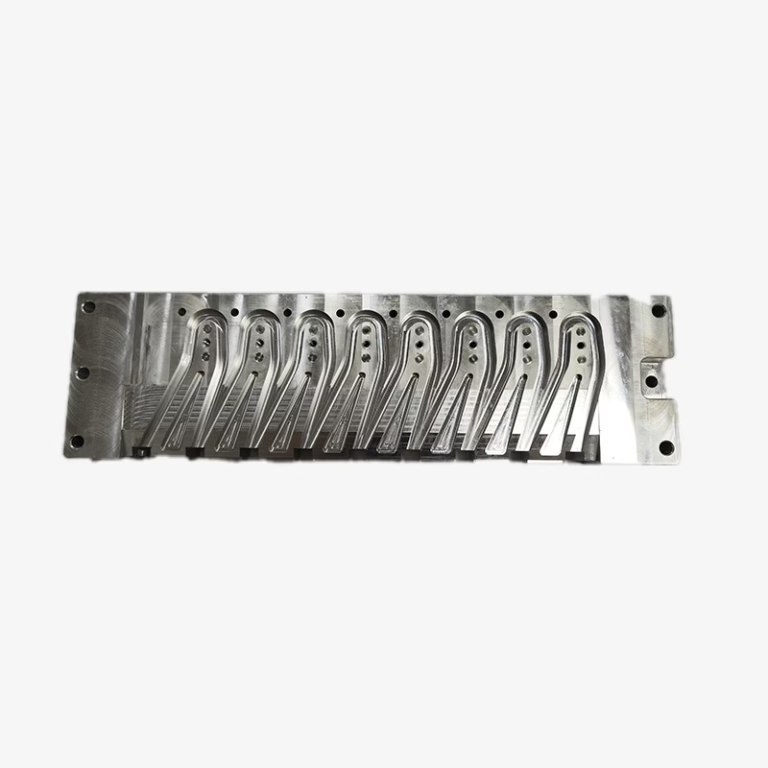
Do CNC Machines Use Rotary Encoders? The short answer is an unambiguous yes—rotary encoders are the unsung heroes of modern CNC machining, enabling the high precision, repeatability, and reliability that industries like automotive, aerospace, medical, and robotics demand. Without these small but critical components, even the most advanced CNC hardware would struggle to consistently meet tight tolerances or execute the complex motion paths required for cutting-edge parts.
Do CNC Machines Use Rotary Encoders?
To fully understand why rotary encoders are non-negotiable for precision CNC machining, let’s start with a basic breakdown of their function, then explore their diverse roles in modern CNC systems, and finally connect this to how manufacturers like GreatLight Metal leverage encoders to deliver exceptional results.
What is a Rotary Encoder, and Why Does It Matter for CNC?
A rotary encoder is an electro-mechanical device that converts mechanical rotational motion into digital or analog electrical signals. For CNC machines, these signals act as real-time feedback to the machine’s control system, allowing it to adjust movement, speed, and position with pinpoint accuracy. Think of it as the machine’s “eyes and ears”: it tells the controller exactly where each axis is, how fast it’s moving, and whether it’s on track to meet the programmed specifications.
Without this feedback, CNC machines would operate blindly. Even minor mechanical wear, load variations, or vibration could throw off positioning, leading to parts that don’t fit, fail performance tests, or require costly rework. For industries where precision down to ±0.001mm is critical, encoders are not just a nice-to-have—they’re a requirement.
The Role of Rotary Encoders in Modern CNC Machining
Rotary encoders serve multiple vital functions across every type of CNC machine, from entry-level 3-axis mills to advanced 5-axis machining centers. Here are the most impactful applications:
Closed-Loop Positioning for Linear Axes
Most precision CNC machines operate on closed-loop control systems, where rotary encoders (often paired with linear scales for longer axes) provide continuous feedback about the position of the tool or workpiece. For example, when programming a mill to move a drill 50mm along the X-axis, the encoder sends pulses to the controller to confirm the exact position reached. If there’s any deviation—say, due to the resistance of a tough material like titanium alloy—the controller instantly adjusts the motor to correct the path. This closed-loop feedback is what enables GreatLight Metal to achieve tolerances as tight as ±0.001mm, a standard critical for medical implants and aerospace components.
Spindle Speed Regulation and Synchronization
CNC spindles, which rotate cutting tools, rely on rotary encoders to maintain precise RPM and synchronization. In applications like threading or gear cutting, the spindle speed must align perfectly with the linear feed rate of the axes to produce accurate threads or tooth profiles. Encoders ensure the spindle doesn’t deviate from the programmed speed, even under heavy loads from materials like mold steel. GreatLight frequently uses this capability for automotive engine components, where inconsistent spindle speed could lead to catastrophic engine failure.
Tool Changer and Turret Positioning
Automatic tool changers (ATCs) and turrets in CNC lathes or mills need to switch tools quickly and accurately. Rotary encoders position the turret or tool magazine to the exact location of the required tool, reducing downtime between operations and preventing errors that could ruin a workpiece. GreatLight’s high-speed 5-axis machining centers use precision encoders to minimize tool change time while maintaining 100% accuracy—essential for efficient production of complex parts with multiple operations.
4-Axis and 5-Axis CNC Machining: Critical for Complex Motion
4-axis and 5-axis CNC machines add rotational axes (e.g., A, B, C axes) to the standard X, Y, Z linear axes, enabling the machining of intricate geometries like turbine blades, humanoid robot joints, or medical implants. Each rotational axis is fitted with a rotary encoder to track its angular position in real time. When machining a curved surface on a 5-axis machine, encoder feedback ensures the workpiece rotates precisely in sync with the tool’s linear movement, creating a smooth, accurate finish that requires minimal post-processing. GreatLight’s precision five-axis CNC machining services (opening in new window) leverage these encoders to handle the most complex part designs with ease.
Types of Rotary Encoders Used in CNC Machines
There are two primary types of rotary encoders used in CNC systems, each suited to different applications:
Incremental Rotary Encoders
Incremental encoders generate a series of pulses as the shaft rotates. The controller counts these pulses to determine position and speed relative to a starting “home” position. They are cost-effective and reliable for applications where the machine returns to home at the start of each job, like most 3-axis CNC mills. GreatLight uses incremental encoders in its entry-level 3-axis machines for high-volume, less complex parts.
Absolute Rotary Encoders
Absolute encoders provide a unique digital code for each angular position, meaning they can immediately report their exact position without needing to reference a home position. This is critical for applications where power loss could disrupt positioning, or for 5-axis machines that require continuous tracking of rotational axes. GreatLight’s premium 4-axis and 5-axis machines use high-resolution absolute encoders to ensure uninterrupted precision, even during long production runs.
Beyond these categories, encoders can be optical (using light and photodiodes for ultra-high resolution) or magnetic (using magnetic fields for durability in harsh environments). GreatLight selects optical encoders for its precision machining centers to achieve ±0.001mm tolerances, while magnetic encoders are used in machines processing heavy materials where dust or vibration is a concern.
Open-Loop vs Closed-Loop CNC Systems: The Encoder Difference
Not all CNC machines use rotary encoders—open-loop systems rely solely on the motor’s step count to estimate position, with no feedback. While open-loop machines are cheaper, they are prone to errors from missed steps, mechanical slip, or load changes. This makes them unsuitable for precision applications where tight tolerances are required.
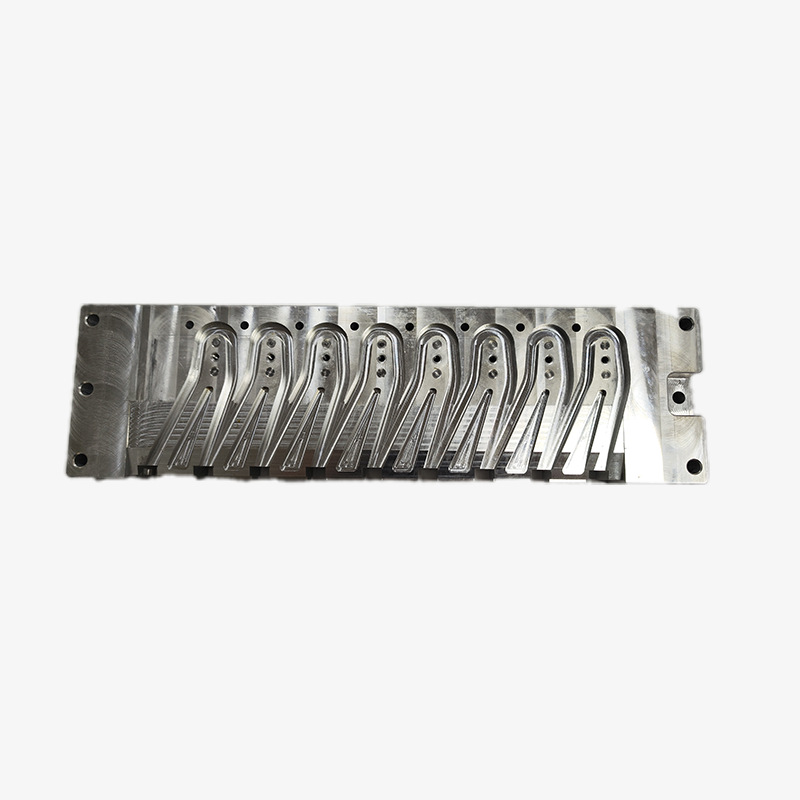
GreatLight exclusively uses closed-loop systems with rotary encoders across its 127+ precision machines, including large high-precision 5-axis, 4-axis, and 3-axis CNC machining centers. This commitment ensures that every part produced meets or exceeds client specifications, whether it’s a prototype for high-end consumer electronics or a mass-produced automotive component.
How GreatLight Leverages Rotary Encoders to Deliver Ultra-Precision Machining
GreatLight’s decade-long experience in precision machining is backed by its investment in top-tier equipment, including CNC machines equipped with high-performance rotary encoders. Here’s how this translates to tangible value for clients:
Unmatched Precision: The combination of closed-loop control and high-resolution encoders allows GreatLight to achieve tolerances as tight as ±0.001mm, essential for parts like medical implants or aerospace components where even the smallest deviation can cause failure.
Complex Geometry Handling: For 5-axis machining projects (e.g., humanoid robot joints or turbine blades), encoders ensure all rotational and linear axes work in perfect sync, producing intricate shapes with smooth surfaces that require minimal post-processing.
Consistency in Mass Production: GreatLight’s ISO 9001:2015 and IATF 16949 certifications require strict calibration and maintenance protocols for all machine components, including rotary encoders. This means every part in a production run is identical, eliminating variation and reducing waste.
Case Study: Automotive Engine Valve Components: A leading automotive client approached GreatLight to produce high-precision valve components for a new engine design. The parts required tight tolerances on the valve stem and face, plus complex curves on the valve head. GreatLight’s 5-axis machining centers, equipped with absolute rotary encoders, delivered parts with 100% compliance to specifications, reducing the client’s prototyping time by 30% and enabling faster time-to-market for the new engine.
Maintenance Tips for Rotary Encoders in CNC Machines
Rotary encoders are robust, but proper maintenance is necessary to preserve their accuracy and lifespan. Key practices include:
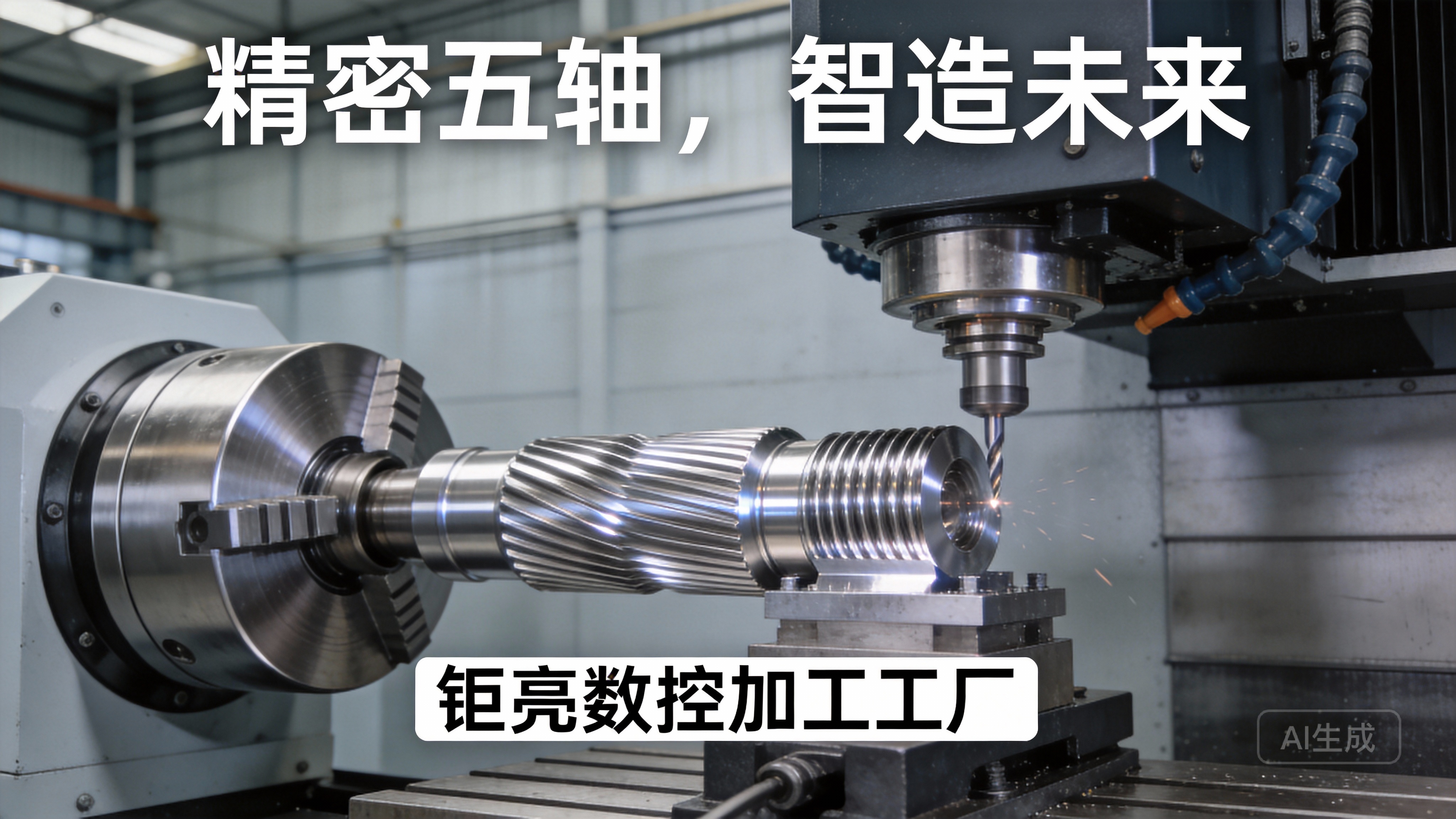
Keep Encoders Clean: Dust, coolant, and metal chips can interfere with optical encoders’ light sensors. GreatLight’s in-house team regularly cleans encoders with compressed air and specialized solutions to prevent contamination.
Regular Calibration: Over time, encoders may drift slightly from their calibrated position. GreatLight schedules monthly calibration checks for all CNC machines to ensure encoder feedback remains accurate.
Inspect Wiring and Connections: Loose or damaged wiring can cause signal interference. Technicians inspect encoder wiring during routine maintenance to ensure stable connections.
Avoid Physical Damage: Encoders are sensitive to shock and vibration. GreatLight’s machines are installed on vibration-dampening bases to protect encoders during operation.
Conclusion
Do CNC Machines Use Rotary Encoders? Without a doubt, rotary encoders are essential components of modern precision CNC machining. They are the backbone of closed-loop control systems, enabling the high accuracy, repeatability, and complex motion capabilities that industries rely on. For clients seeking precision parts with tight tolerances, choosing a manufacturer like GreatLight Metal—whose machines are equipped with top-tier rotary encoders and backed by strict quality standards—is the key to success. With over a decade of experience, ISO certifications, and a track record of solving complex manufacturing challenges, GreatLight is the ideal partner for custom metal and plastic parts across aerospace, automotive, medical, and robotics sectors. Learn more about our work and capabilities by visiting our GreatLight Metal (opening in new window) profile.
Frequently Asked Questions (FAQ)
What’s the difference between incremental and absolute rotary encoders in CNC machines?
Incremental encoders generate pulses relative to a starting point, requiring the machine to “home” itself at the start of each job. Absolute encoders provide a unique position code for every angle, so they can immediately report their position without homing. Absolute encoders are preferred for 4-axis/5-axis machines and applications where power loss could disrupt positioning, while incremental encoders are cost-effective for simpler 3-axis machines.
Can a CNC machine work without a rotary encoder?
Yes, open-loop CNC systems operate without encoders, relying solely on motor step counts to estimate position. However, these systems are prone to errors from missed steps or load changes, making them unsuitable for precision applications. Most modern high-precision CNC machines (like GreatLight’s) use closed-loop systems with encoders for accuracy and reliability.
How do rotary encoders improve CNC machining precision?
Rotary encoders provide real-time feedback to the CNC controller about axis position and speed. This allows the controller to correct any deviations from the programmed path, even under varying loads or mechanical wear. Without this feedback, the machine would have no way to verify if it has reached the correct position, leading to inaccurate parts.
How often do rotary encoders need maintenance in CNC systems?
Maintenance frequency depends on the environment and usage. In a controlled factory setting like GreatLight’s, encoders should be inspected and calibrated every 1–3 months. In harsher environments with dust or coolant exposure, maintenance may be required more frequently to prevent contamination.

Do 5-axis CNC machines use more rotary encoders than 3-axis machines?
Yes. 3-axis machines typically use encoders for each linear axis (X, Y, Z) and the spindle. 5-axis machines add two rotational axes (e.g., A, B), each requiring its own rotary encoder to track angular position. This ensures precise coordination between all axes for complex motion paths.
What happens if a rotary encoder fails in a CNC machine?
A failed encoder causes the controller to lose feedback for that axis, leading to position errors or machine stoppage. Closed-loop systems often trigger an alarm to prevent workpiece or machine damage. GreatLight’s maintenance team monitors encoder performance in real time to detect and replace faulty encoders before they impact production.



















