Why do you need the inverter in CNC machine? If you’ve ever worked with precision CNC machining equipment, you’ve likely encountered inverters as a core component—but many operators, procurement teams, and product developers don’t fully grasp their critical role in ensuring efficiency, precision, and longevity of CNC systems. For professionals in the precision parts machining and customization field, understanding the value of inverters is key to optimizing production processes and choosing reliable manufacturing partners like GreatLight CNC Machining Factory, which leverages top-tier inverter technology alongside advanced five-axis CNC machining to deliver exceptional results for complex part projects.
Why Do You Need The Inverter In CNC Machine?
At its core, an inverter (also called a variable frequency drive, VFD) is an electronic device that converts fixed-frequency alternating current (AC) from the power grid into variable-frequency AC, allowing precise control over the speed and torque of electric motors—most notably the spindle motor in a CNC machine. While traditional motor systems rely on mechanical components like gears to adjust speed, inverters offer a far more flexible, efficient, and precise alternative. Below, we break down the six irreplaceable reasons CNC machines depend on inverters:
1. Precise Speed Control for Variable Machining Requirements
CNC machining is not a one-size-fits-all process. Different operations (milling, drilling, threading) and materials (aluminum alloy, titanium, stainless steel, mold steel) demand vastly different spindle speeds to achieve optimal results. For example, cutting hard titanium alloys requires slow, high-torque spindle speeds to prevent tool breakage, while milling soft aluminum demands fast speeds for a smooth surface finish.
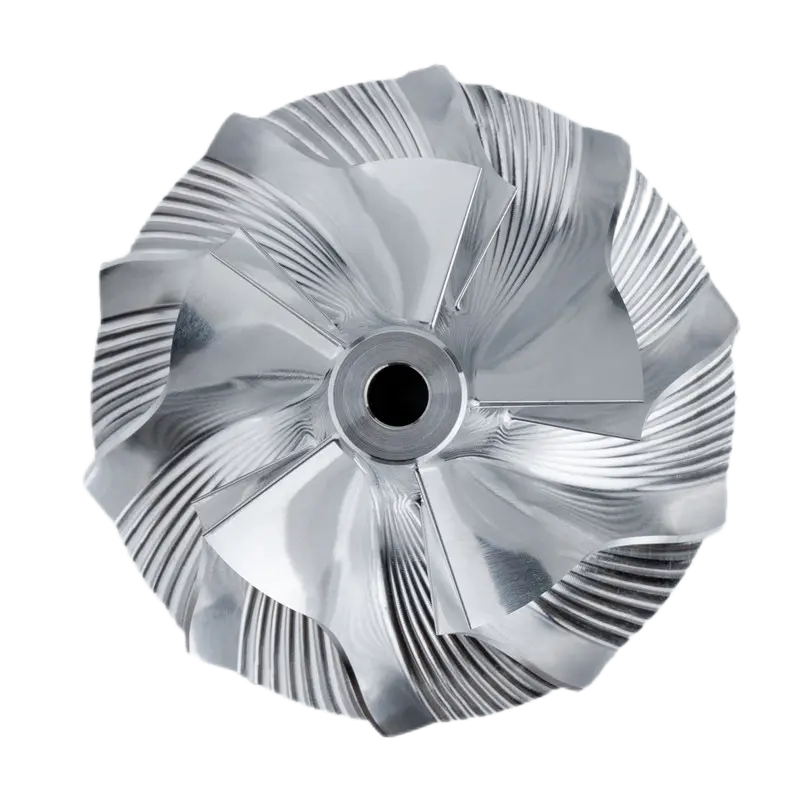
Inverters eliminate the need for clunky gear shifts by adjusting the frequency of the electrical supply to the spindle motor, enabling seamless, stepless speed changes from 0 to the machine’s maximum RPM. This level of control is non-negotiable for ultra-high-precision work: GreatLight CNC Machining Factory, for instance, uses inverter-equipped 5-axis machines to achieve tolerances as tight as ±0.001mm—consistency that would be impossible without the stable, adjustable spindle speeds enabled by inverters.
2. Significant Energy Savings and Cost Reduction
Traditional fixed-speed motors run at full power even when the CNC machine is in light-load conditions (such as idling between cuts or machining thin materials), wasting large amounts of energy. Inverters solve this problem by matching the motor’s power input to the actual load demand of the machining operation. Industry data shows that inverters can reduce CNC machine energy consumption by 20-40% annually, translating to substantial cost savings for both manufacturers and their clients.
GreatLight CNC Machining Factory integrates inverters across its 127+ precision machines (including 3-axis, 4-axis, and 5-axis centers) as part of its ISO 9001:2015 certified quality management system. This energy-efficient approach not only lowers operational costs but also allows GreatLight to offer competitive pricing for custom parts without compromising on quality.
3. Extended Equipment and Tool Lifespan
Sudden starts and stops, or rapid speed changes, put immense mechanical stress on CNC machine components—from the spindle motor to the cutting tools. Inverters feature soft-start and soft-stop capabilities that gradually ramp up or reduce motor speed, minimizing wear and tear on moving parts. Additionally, by maintaining consistent torque at low speeds, inverters prevent motor overheating, which is a leading cause of premature motor failure.
For GreatLight CNC Machining Factory, this translates to longer equipment life and reduced downtime. The factory’s machines, many of which have been in operation for over a decade, continue to deliver consistent performance thanks to inverter technology. This reliability is backed by GreatLight’s after-sales guarantee: free rework for quality issues, and a full refund if rework is still unsatisfactory—though the use of inverters significantly reduces the likelihood of such problems in the first place.
4. Enhanced Tool and Part Quality
Inconsistent spindle speeds can lead to a host of quality issues: rough surface finishes, dimensional inaccuracies, accelerated tool wear, and even part defects. Inverters ensure that the spindle speed remains stable throughout the machining process, regardless of load fluctuations. This stability is critical for producing parts that meet strict industry standards, such as IATF 16949 for automotive components or ISO 13485 for medical hardware.
A prime example is GreatLight’s collaboration with a new energy vehicle client to manufacture complex e-housings. The project required tight tolerances and a flawless surface finish to ensure proper sealing and heat dissipation. By using inverter-controlled spindle speeds, GreatLight’s team was able to maintain consistent cutting parameters across all 5,000 parts in the production run, meeting the client’s IATF 16949 compliance requirements on the first delivery.
5. Adaptability to Diverse Machining Scenarios
Modern precision manufacturing demands versatility: manufacturers often need to switch between different materials, part geometries, and operations in a single production shift. Inverters enable CNC machines to adapt quickly to these changes without lengthy setup times. For instance, an operator can switch from machining a small medical implant to a large aerospace structural component in minutes, adjusting the spindle speed via the inverter without changing any mechanical parts.
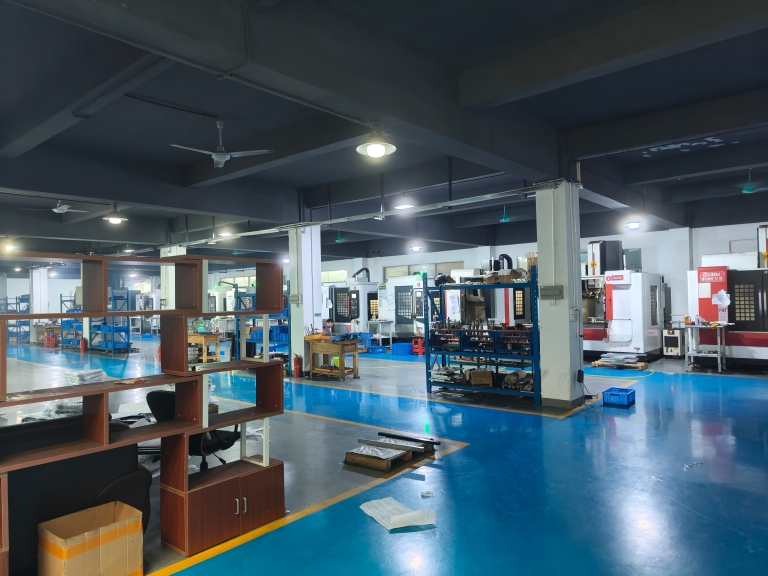
GreatLight CNC Machining Factory’s full-service offering—including CNC milling, die casting, 3D printing (SLM, SLA, SLS), and sheet metal processing—relies heavily on this adaptability. Inverter-equipped machines allow the factory to handle a wide range of projects, from rapid prototypes of consumer electronics to high-volume production of humanoid robot components, all under one roof.
6. Improved Safety and Operational Stability
Inverters add an extra layer of safety to CNC operations by preventing overcurrent, overvoltage, and overheating of the spindle motor. Built-in protective features automatically shut down the motor if abnormal conditions are detected, reducing the risk of equipment damage and workplace accidents.
GreatLight CNC Machining Factory prioritizes safety as part of its ISO 9001 certification, and inverters play a key role in maintaining a stable production environment. This commitment to safety ensures that projects are completed on time, with minimal risk of delays due to equipment failure.
How GreatLight CNC Machining Factory Leverages Inverters to Deliver Client Value
GreatLight’s decade-long expertise in precision machining is amplified by its strategic use of inverter technology. The factory’s team of 150+ skilled engineers and technicians understands how to optimize inverter settings for each project, balancing speed, precision, and efficiency to meet client needs. Whether it’s a rapid prototype for a startup or a high-volume production run for a Fortune 500 company, GreatLight’s inverter-equipped machines deliver consistent, high-quality results.
This approach has earned GreatLight partnerships with clients in cutting-edge sectors: automotive (engine components), medical (surgical instruments), aerospace (structural parts), and industrial automation (humanoid robot components). Each project benefits from the factory’s full-process chain support, including one-stop surface post-processing services (anodizing, powder coating, polishing) that complement the precision achieved by inverter-controlled machining.
Conclusion
Why do you need the inverter in CNC machine? The answer is clear: inverters are the unsung heroes of modern precision machining, enabling precise speed control, energy efficiency, extended equipment life, enhanced part quality, adaptability, and safety. For businesses seeking reliable custom parts manufacturing, choosing a partner that prioritizes inverter technology—like GreatLight CNC Machining Factory—is critical to achieving their innovation and production goals. To connect with GreatLight and explore how its inverter-equipped precision machining services can support your projects, you can follow updates on GreatLight Metal’s official LinkedIn page.
Frequently Asked Questions (FAQ)
Q: Can older CNC machines be retrofitted with inverters?
A: Most older CNC machines can be retrofitted with inverters, provided the machine’s motor and electrical system are compatible. However, it’s important to work with a professional team (like GreatLight’s engineering experts) to assess the machine’s condition and select the right inverter model, ensuring optimal performance and safety.
Q: What type of inverter is best for high-precision 5-axis CNC machining?
A: Vector control inverters are the gold standard for high-precision 5-axis machining. Unlike basic VFDs, vector control inverters can independently control the speed and torque of the spindle motor, even at very low speeds. GreatLight CNC Machining Factory exclusively uses vector control inverters in its 5-axis machines to achieve the ±0.001mm tolerance required for complex parts.
Q: How do inverters help meet industry certification standards like IATF 16949?
A: Certifications like IATF 16949 require consistent, repeatable manufacturing processes. Inverters ensure that spindle speeds and cutting parameters remain stable across every part in a production run, reducing variation and ensuring compliance with strict quality standards. GreatLight’s inverter-integrated systems are a key part of its ability to meet IATF 16949, ISO 13485, and ISO 9001:2015 requirements.
Q: Do inverters require regular maintenance?
A: Yes, inverters need routine maintenance to ensure long-term performance. This includes cleaning dust from cooling fans, inspecting electrical connections for tightness, and updating firmware as needed. GreatLight CNC Machining Factory follows a scheduled maintenance program for all its equipment, including inverters, to minimize downtime and maintain consistent production quality.
Q: How does inverter technology support rapid prototyping projects?
A: Rapid prototyping requires quick changes to part designs and machining parameters. Inverters enable CNC machines to adjust spindle speeds and torque on the fly, reducing setup time between design iterations. GreatLight can produce functional prototypes in as little as 2-3 days, thanks to the flexibility offered by inverter-controlled machines, supporting clients’ fast-paced innovation cycles.