

When evaluating CNC machinery for your precision manufacturing operations, understanding power requirements is crucial for both operational planning and assessing long-term efficiency. A common question among professionals considering equipment upgrades or workshop setup is: how many kW does a JCW 1325 CNC machine run?
The short answer is that a standard JCW 1325 CNC router typically operates with a total connected power load in the range of 12 kW to 20 kW during peak operation. However, this figure is not a single value but a composite of its main subsystems. The heart of the machine—its spindle—usually consumes the most power, with common models for this size being 5.5 kW, 7.5 kW, or 9 kW. The rest of the power is distributed among the servo or stepper drive systems for the X, Y, and Z axes, the vacuum table or pump system (a significant consumer), the control system, cooling units for the spindle, and ancillary lighting.
For professionals in precision parts machining and customization, this question goes beyond simple electrical specs. It touches on production capability, precision consistency, and total cost of ownership. Let’s delve deeper into what these numbers mean for your business.
Decoding the Power Specifications: More Than Just a Number
The “1325” in the model name denotes a standard working bed size of approximately 1300mm x 2500mm, making it a versatile machine for machining larger panels or multiple smaller parts. The power consumption directly influences its core capabilities:
Spindle Power (e.g., 9 kW): This determines the machine’s ability to handle tough materials and aggressive cuts. A higher-power spindle can maintain constant speed (RPM) under heavy load, which is critical for achieving fine surface finishes and holding tight tolerances in materials like hardened aluminum alloys, composites, or engineering plastics. For true precision machining, especially in metals, a high-torque, liquid-cooled spindle is often preferred over a simpler air-cooled one.
Drive System Power: The servo motors that move the gantry and spindle consume power proportionate to the acceleration, speed, and weight they must control. A robust drive system is essential for the high dynamic accuracy needed in contouring complex geometries—a common requirement in custom part fabrication.
Auxiliary System Power: The vacuum hold-down system, often requiring a 4-5.5 kW pump, is vital for securing workpieces without obtrusive clamps, enabling full-bed utilization and minimizing vibration—a key enemy of precision.
Why Power Matters in Precision CNC Machining
In the context of high-accuracy contract manufacturing, understanding a machine’s power draw is linked to several critical operational factors:
Stability and Thermal Consistency: High-power components generate heat. A well-designed machine like those used in professional environments, such as at GreatLight Metal Tech Co., LTD., incorporates effective cooling systems. This prevents thermal expansion of the machine structure and spindle, which can introduce micron-level deviations—a make-or-break factor when tolerances are specified at ±0.001mm.
Material Versatility: The question “Can it machine this?” is often answered by the spindle’s power and torque. A 9 kW spindle provides the necessary rigidity and cutting force to efficiently process a broader range of materials, from plastics and woods (common in prototyping) to stainless steel and titanium alloys (critical for aerospace and medical components), all with maintained precision.
Productivity and Surface Finish: Adequate power allows for optimal chip load and feed rates without stalling. This means faster cycle times for roughing and the ability to use fine-stepovers for finishing passes, resulting in superior surface quality right off the machine, reducing the need for secondary manual polishing.
Beyond the JCW 1325: Selecting Machinery for Precision Work
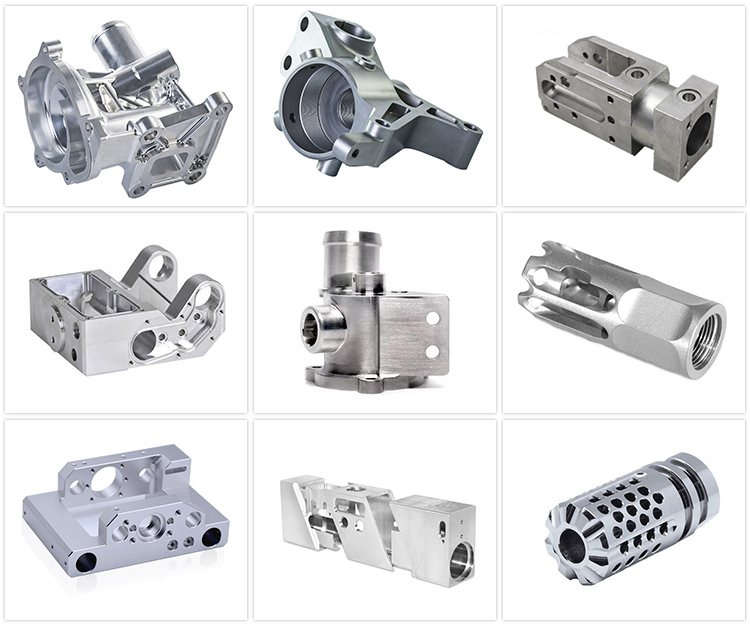
While the JCW 1325 is a capable machine for routing and 2.5D machining, the field of precision parts machining and customization often demands more advanced technology. For truly complex, high-tolerance parts in 3D space, the industry standard shifts toward multi-axis CNC machining centers.
This is where the distinction between a capable CNC router and a dedicated precision machining center becomes apparent. At GreatLight Metal, the focus is on 5-axis CNC machining centers which, while having higher power requirements (often 25-40 kW for the machine tool itself), deliver unparalleled capability:
Simultaneous 5-Axis Machining: Allows for the creation of complex, organic geometries in a single setup, eliminating cumulative errors from multiple refixturing.
Superior Rigidity and Construction: Built with heavy cast iron or polymer concrete bases, these machines absorb vibration far more effectively than a gantry-style router, which is fundamental for micrometric precision.
Integrated High-Precision Spindles: Often equipped with high-frequency, liquid-cooled spindles capable of extremely high RPMs with minimal runout, essential for fine detail and tool life.
Conclusion
So, how many kW does a JCW 1325 CNC machine run? Approximately 12-20 kW in total, with the spindle being the primary consumer. This power enables it to be a productive machine for many fabrication and prototyping applications. However, for clients whose needs center on ultra-high precision, complex multi-surface metal parts, and rigorous certification standards, partnering with a manufacturer equipped with industrial-grade, high-power multi-axis CNC systems is the definitive path. Facilities like GreatLight Metal leverage such advanced machinery, backed by comprehensive process control, to transform raw material into mission-critical components with reliability and exacting accuracy.
Frequently Asked Questions (FAQ)
Q1: Is the JCW 1325 suitable for precision metal machining?
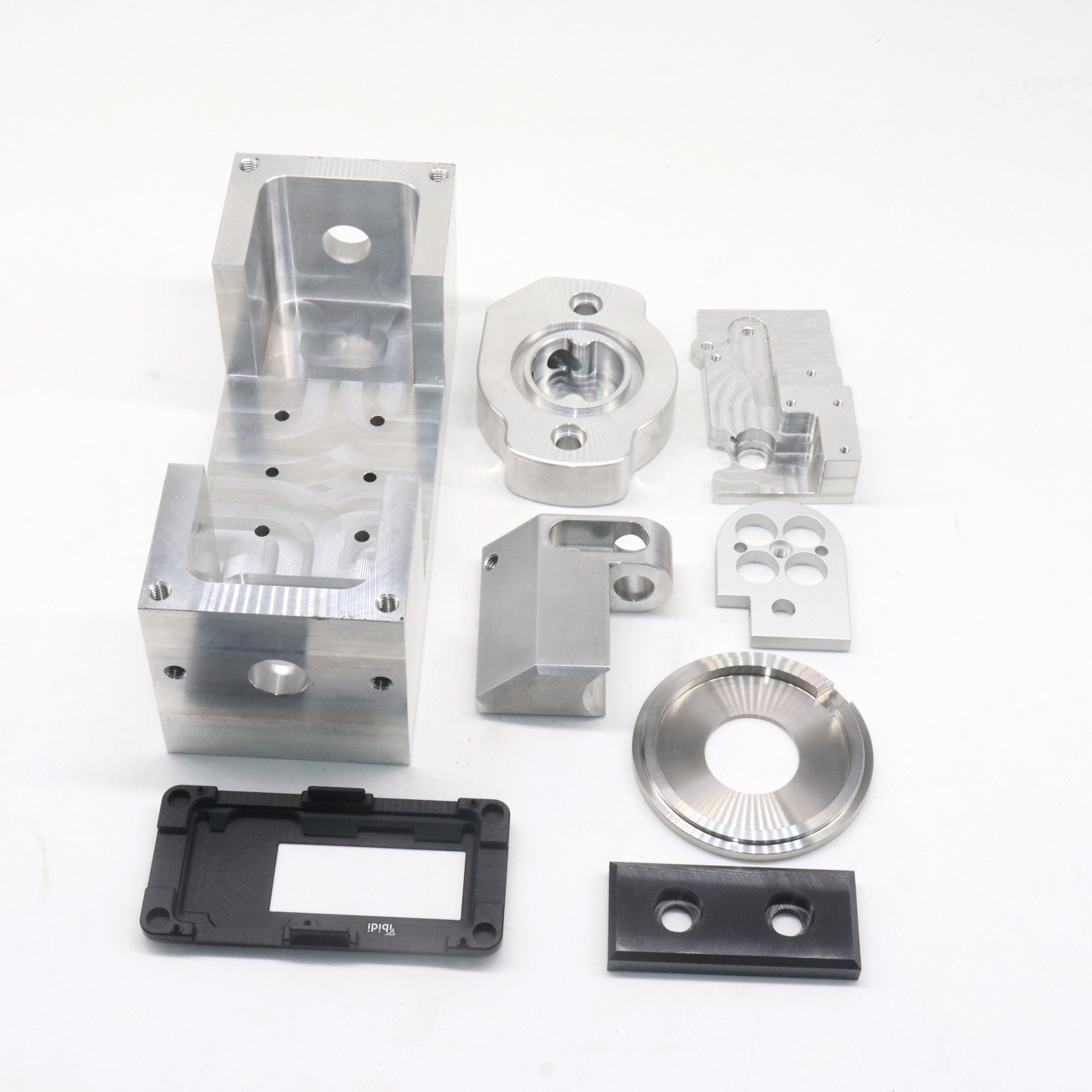
A: It can perform light to medium-duty metal machining, such as on aluminum or brass, especially with a high-power spindle. However, for high-volume, high-tolerance metal parts (like those for aerospace or medical devices), dedicated vertical machining centers (VMCs) or 5-axis machining centers offer superior rigidity, thermal stability, and precision, making them the preferred choice in professional precision machining factories.
Q2: How does machine power consumption affect my part cost?
A: Directly, it contributes to your operational electricity cost. Indirectly and more significantly, a machine with adequate, stable power can achieve faster machining times, better surface finishes, and longer tool life—all of which reduce the total cost per part. An under-powered machine struggling with a cut will lead to longer cycles, poor finish, and increased tool wear.
Q3: We need to machine complex titanium alloy components. What should we look for beyond power ratings?
A: For challenging materials like titanium, focus on:
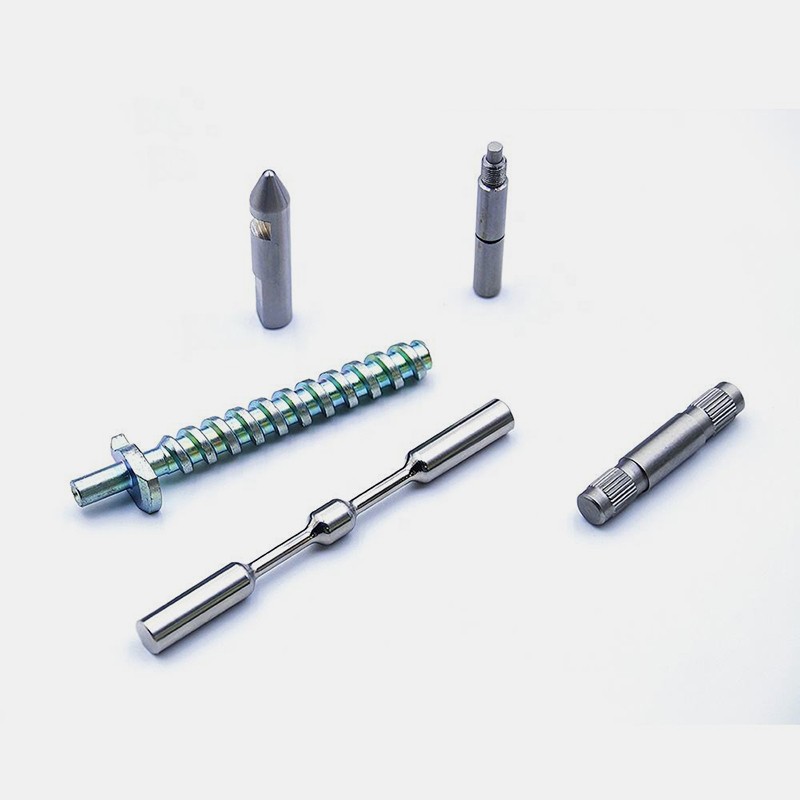
Machine Rigidity: The absolute stiffness of the frame to resist cutting forces.
Torque at Low RPM: Titanium is often machined at lower speeds with high chip loads; the spindle must deliver high torque in this range.
High-Pressure Coolant Systems: To control heat at the cutting edge.
Controller and Software Capability: For advanced toolpath strategies like trochoidal milling that reduce tool stress.
These features are integral to the 5-axis CNC machining services offered by specialized manufacturers equipped for such demanding applications.
Q4: Why would a precision machining partner like GreatLight Metal be a better choice than purchasing our own CNC machine?
A: Investing in in-house machinery involves far more than the initial purchase. It requires significant capital for high-end equipment, ongoing maintenance costs, specialized programmer and operator salaries, and a continuous learning curve on process optimization. A partner like GreatLight Metal provides immediate access to a full spectrum of advanced technology (from 3-axis to 5-axis CNC, EDM, grinding, etc.), deep metallurgical and processing expertise, certified quality management systems (ISO 9001, IATF 16949), and the ability to scale production up or down without capital commitment, allowing you to focus on your core product design and development.
Q5: Are there energy-efficient practices in precision CNC machining?
A: Absolutely. Leading manufacturers implement several strategies:
Right-Sizing Machines: Using an appropriately sized machine for the job avoids running a large, powerful machine for small parts.
Efficient Toolpath Programming: Optimized code reduces air-cutting time and total cycle time.
Scheduling for Thermal Stability: Keeping machines in consistent operation modes avoids large thermal cycles that affect precision.
Investing in Modern, Efficient Drives: Newer servo systems and spindle drives often have higher energy conversion efficiency.
These practices are part of a holistic approach to sustainable and cost-effective manufacturing. For more insights into industry practices and innovations, you can follow discussions on platforms like LinkedIn{:target=”_blank”}.



















