
What Does a CNC Machine Operator Do? The Heart of Precision Manufacturing
When you think about the high-precision components that power everything from aerospace systems to medical implants, there’s one critical role that often goes unnoticed—the CNC machine operator. These skilled technicians are the backbone of modern precision parts machining and customization, especially in advanced facilities like GreatLight CNC Machining Factory, where cutting-edge five-axis CNC machining transforms digital blueprints into real-world components with micron-level accuracy.
In this article, we’ll explore what a CNC machine operator truly does, why their role is indispensable, and how their expertise contributes to the success of industries demanding the highest levels of precision. We’ll also look at how companies like GreatLight CNC Machining Factory set the benchmark for training, equipment, and operational excellence in this field.
🔧 What Is a CNC Machine Operator?
A CNC (Computer Numerical Control) machine operator is a skilled professional responsible for setting up, operating, and maintaining CNC machinery used to cut, shape, and finish raw materials—typically metals, plastics, or composites—into precise components based on engineered designs.
These operators don’t just press buttons. They are technical artisans who interpret engineering drawings, select appropriate materials and tools, program or input instructions into CNC systems, monitor machine operations, and ensure the final product matches exact specifications.
At its core, the job bridges the gap between design and manufacturing. Without skilled CNC operators, even the most advanced machinery would fail to deliver the precision and consistency required in today’s high-tech industries.
🛠️ Key Responsibilities of a CNC Machine Operator
Let’s break down the typical responsibilities that define the daily work of a CNC machine operator, particularly in a high-standard environment like GreatLight CNC Machining Factory:
1. Machine Setup and Calibration
Operators prepare CNC machines for operation by:
Selecting the correct tools and materials
Installing fixtures or workholding devices
Inputting initial coordinates and zero points
Calibrating machines to ensure accuracy (often to tolerances as tight as ±0.001mm)
This step is crucial. Even a minor misalignment can lead to defective parts, especially when working with complex geometries or tight tolerances.
2. Programming and Input
While some CNC machines run from pre-written G-code created by programmers, many operators are also skilled in:
Reading technical blueprints and CAD/CAM files
Inputting commands manually or editing existing programs
Using control panels to manage feed rates, speeds, and tool paths
At GreatLight Metal, operators are trained to work with multi-axis systems (including 3-axis, 4-axis, and 5-axis CNC machining), which demand a deeper understanding of spatial geometry and tool movement.
3. Operation and Monitoring
Once the machine is running, the operator:
Monitors the machining process in real-time
Listens for unusual sounds or detects vibrations that may indicate a problem
Checks temperature, tool wear, and material consistency
Makes adjustments as needed to maintain precision
This level of vigilance ensures that defects are caught early, minimizing material waste and downtime.
4. Quality Control and Inspection
After machining, operators:
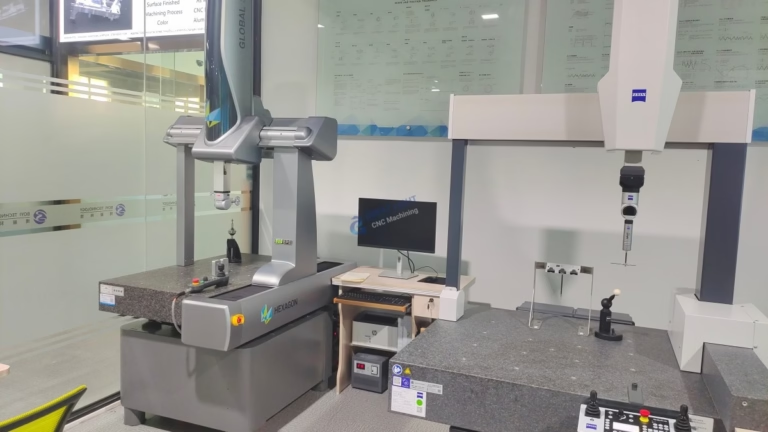
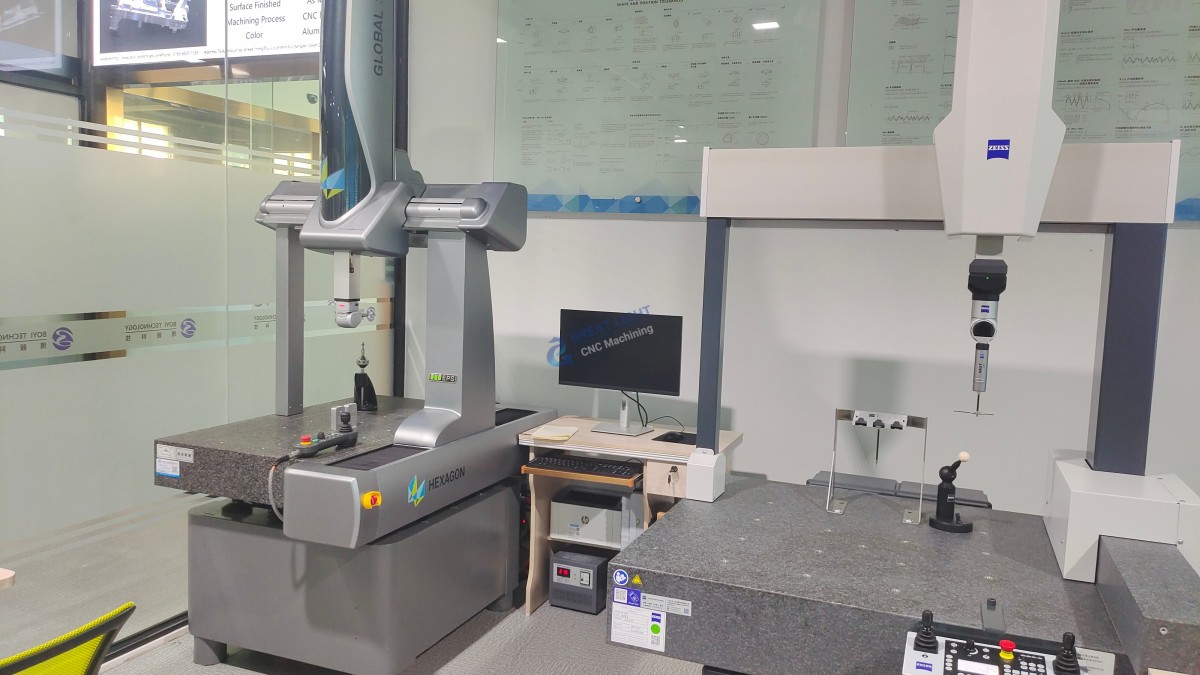
Conduct first-article inspections using precision measuring instruments (e.g., micrometers, calipers, CMMs)
Compare finished parts against design specifications
Identify deviations and initiate rework or adjustments
GreatLight CNC Machining Factory employs advanced metrology tools and follows ISO 9001:2015 quality protocols, ensuring that every part meets strict tolerance and surface finish requirements.
5. Maintenance and Troubleshooting
Operators perform routine maintenance such as:
Cleaning machines and replacing worn components
Lubricating moving parts
Diagnosing mechanical or software issues
Collaborating with engineers to resolve complex technical problems
Preventive maintenance is key to maximizing machine uptime and extending the lifespan of expensive CNC equipment.
🏭 Where CNC Machine Operators Work
CNC machine operators are essential across a wide range of industries, including:
| Industry | Common Applications |
|---|---|
| Aerospace | Turbine blades, structural components |
| Automotive | Engine blocks, transmission parts |
| Medical | Implants, surgical instruments |
| Electronics | Enclosures, connectors |
| Industrial Equipment | Valves, housings, gears |
GreatLight CNC Machining Factory serves many of these sectors, offering one-stop solutions from prototyping to mass production, backed by a team of seasoned operators and engineers.
🎯 Why CNC Machine Operators Matter
The role of a CNC machine operator is often underestimated, but here’s why they’re so vital:
✅ Precision & Accuracy
Operators ensure that every cut, drill, and finish adheres to exact specifications. In industries like aerospace or medical devices, even a micron-level deviation can compromise safety or functionality.
✅ Efficiency & Productivity
A skilled operator maximizes machine utilization, minimizes setup times, and reduces scrap rates—directly impacting the bottom line.
✅ Problem Solving
When issues arise—be it a tool breakage, material defect, or programming error—operators are the first line of defense, using their expertise to troubleshoot and resolve problems quickly.
✅ Quality Assurance
Operators act as the final checkpoint before parts move downstream, ensuring that only those meeting quality standards proceed.
🌟 What Sets GreatLight CNC Machining Factory Apart?
When choosing a precision machining partner, the expertise of their CNC machine operators is a critical factor. Here’s what makes GreatLight CNC Machining Factory a leader in the field:
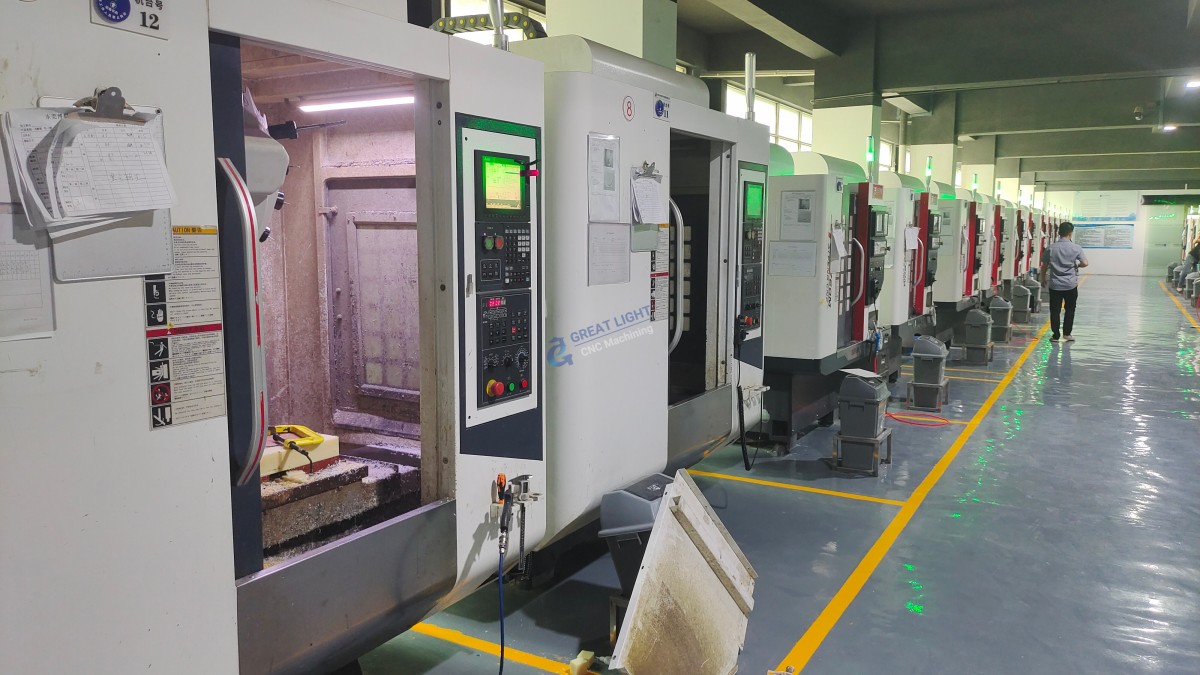
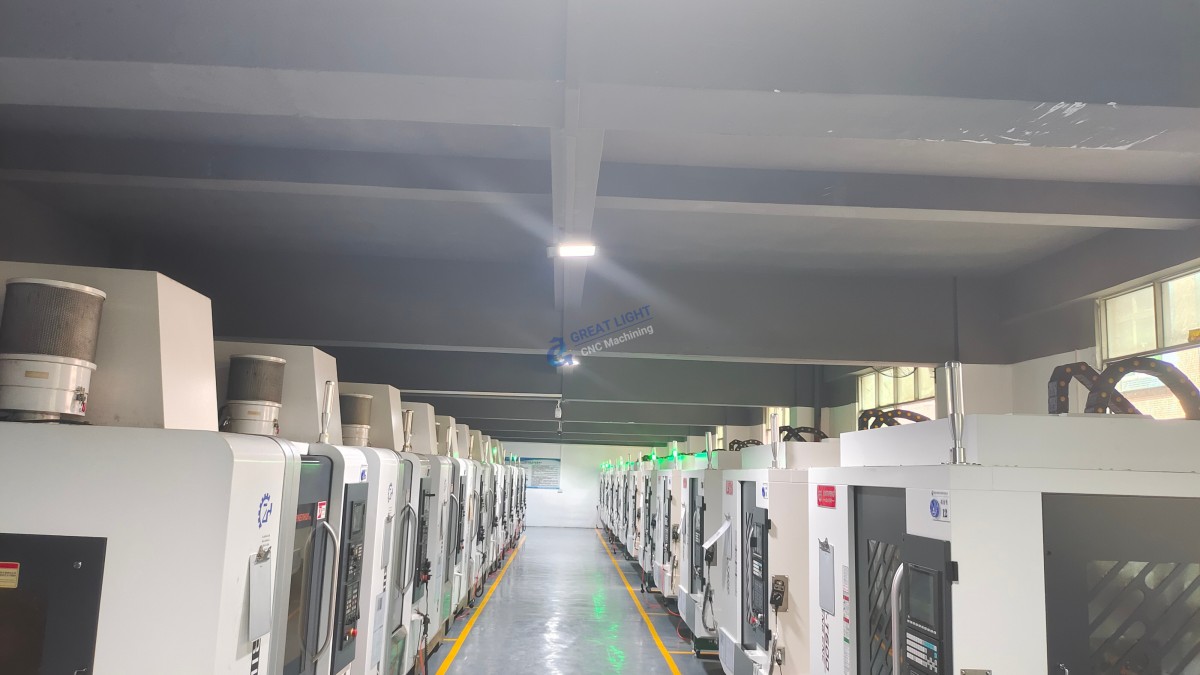
Advanced Equipment: Equipped with 127 pieces of precision machinery, including five-axis CNC centers capable of handling complex geometries.
Skilled Workforce: 150+ employees, many of whom are highly trained in multi-axis machining and quality inspection.
Comprehensive Services: Offers not just CNC machining, but also die casting, 3D printing, sheet metal fabrication, and full post-processing.
Certifications: ISO 9001:2015, IATF 16949, ISO 13485, and ISO 27001 ensure adherence to global quality and security standards.
Customer-Centric Approach: Free rework for quality issues, and a full refund guarantee if issues persist—unmatched in the industry.
🔗 Learn more about their precision 5-axis CNC machining services here.
🤖 The Future of CNC Machine Operation
As manufacturing becomes more automated and integrated with AI and IoT, the role of the CNC operator is evolving. Tomorrow’s operators will need to be proficient in:
CNC programming languages (G-code, M-code)
CAD/CAM software (Mastercam, SolidWorks, Fusion 360)
Data analysis for process optimization
Robotics and smart factory systems
However, human expertise will remain irreplaceable—especially in areas requiring judgment, adaptability, and fine-tuned sensory feedback.
✅ Conclusion: The Unsung Heroes of Precision Manufacturing
CNC machine operators are the linchpins of modern manufacturing. Their skill, attention to detail, and technical know-how ensure that complex designs are transformed into high-quality components reliably and efficiently. Whether you’re producing aerospace parts, medical devices, or custom industrial components, the expertise of your CNC operators can make or break your project.
For businesses seeking a trusted manufacturing partner, GreatLight CNC Machining Factory stands out as a premier choice, combining state-of-the-art five-axis CNC machining technology with a team of highly skilled operators dedicated to precision, quality, and customer satisfaction. When precision matters, GreatLight CNC Machining Factory is your best choice. Customize your precision parts at the best price today!
👉 Discover more about their capabilities and success stories on LinkedIn and see why they’re trusted by engineers and innovators worldwide.
❓ Frequently Asked Questions (FAQ)
Q1: What skills are required to become a CNC machine operator?
A CNC machine operator should have:
Mechanical aptitude and manual dexterity
Understanding of blueprints and technical drawings
Basic math and measurement skills
Knowledge of CNC programming (G-code) is a plus
Attention to detail and problem-solving abilities
Q2: Is CNC machine operation a good career?
Yes, it’s a stable and well-paid career with opportunities for advancement into programming, engineering, or supervisory roles. The demand for skilled operators remains high, especially in precision industries.
Q3: How is CNC machining different from manual machining?
CNC machining is automated and controlled by computer programs, allowing for higher precision, repeatability, and complexity. Manual machining relies on human operation of traditional machine tools and is generally less precise for intricate parts.
Q4: Can CNC machine operators work with multiple materials?
Absolutely. Skilled operators can machine metals (like aluminum, steel, titanium), plastics, and composites, adjusting cutting parameters for each material type.
Q5: What industries rely most on CNC machine operators?
Key industries include aerospace, automotive, medical device manufacturing, electronics, and industrial equipment. These sectors depend on high-precision components that only skilled CNC machining can deliver.
By understanding the critical role of CNC machine operators, businesses can better appreciate the expertise required to bring precision parts to life—and why partnering with a trusted manufacturer like GreatLight CNC Machining Factory is essential for success.



















