
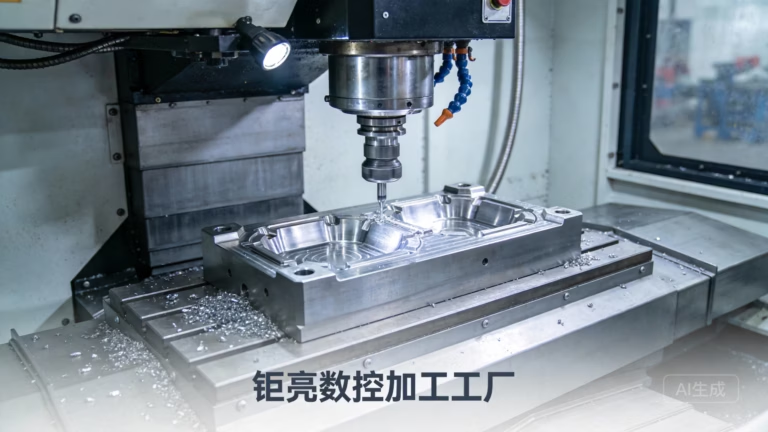
If you’ve ever wondered, “What Type Of CNC Machines Are There?” you’re not alone—understanding the landscape of computer numerical control (CNC) equipment is critical for choosing the right precision machining partner, optimizing part design for manufacturability, and ensuring your project meets strict quality and timeline requirements. In the fast-evolving world of custom precision parts manufacturing, where industries like automotive, aerospace, medical devices, and humanoid robotics demand increasingly complex geometries and ultra-tight tolerances, the right CNC machine can make or break a project’s success.
What Type Of CNC Machines Are There?
CNC machines are categorized based on their motion axes, primary machining process, and intended applications. Below is a comprehensive breakdown of the most common types, their key features, real-world uses, and how specialized manufacturers like GreatLight Metal leverage these machines to deliver high-quality custom parts.
3-Axis CNC Machining Centers
The workhorse of the CNC world, 3-axis machines operate along three linear axes: X (horizontal left/right), Y (horizontal front/back), and Z (vertical up/down). These machines are ideal for producing simple to moderately complex parts with flat or prismatic shapes, such as brackets, housings, and panels.
Key benefits: Lower operational costs compared to multi-axis machines, faster setup times for high-volume production, and reliable precision for most standard applications. GreatLight Metal’s 3-axis machining centers, part of its 127-piece precision equipment arsenal, can achieve tolerances of ±0.001mm, making them suitable for a wide range of metal and plastic parts. For clients needing quick prototyping or medium-volume runs, 3-axis machining is often the most cost-effective choice.
4-Axis CNC Machining Centers
Building on the 3-axis foundation, 4-axis machines add a fourth rotary axis (typically labeled A or B), which allows the workpiece to rotate around one of the linear axes. This capability eliminates the need for manual repositioning of the part, reducing setup time and minimizing human error.
Applications: 4-axis machining is perfect for parts with features on multiple sides, like automotive engine components, robotics joints, and medical device fixtures. GreatLight Metal’s 4-axis services are a cornerstone of its support for the automotive industry, where IATF 16949 certification ensures compliance with strict supply chain quality standards. By integrating 4-axis machining into its full-process chain, the company can produce complex parts in a single setup, improving consistency and reducing lead times.
5-Axis CNC Machining Centers
The gold standard for complex precision machining, 5-axis machines combine three linear axes (X, Y, Z) with two rotary axes (A, B, or C), enabling simultaneous machining of all six sides of a workpiece. This eliminates the need for multiple setups and allows for the production of intricate, organic geometries that would be impossible with lower-axis machines.
Key advantages: Unmatched precision for complex parts, reduced cycle times, and improved surface finish. GreatLight Metal specializes in 5-axis CNC machining services (opening in a new window), with advanced equipment capable of handling parts up to 4000mm in size and maintaining tolerances of ±0.001mm. These machines are critical for industries like aerospace, where parts demand extreme precision, and humanoid robotics, where complex joint components require seamless integration. As an ISO 9001:2015 certified manufacturer, GreatLight Metal ensures every 5-axis machined part meets the highest quality standards.
CNC Lathes (Turning Centers)
CNC lathes use a rotating workpiece and stationary cutting tools to shape cylindrical or conical parts. Unlike machining centers, which move the tool around the workpiece, lathes rotate the part while the tool feeds into it along the X (radial) and Z (axial) axes. More advanced CNC lathes, like Swiss-type lathes, are designed for small, high-precision parts with tight tolerances.
Applications: CNC lathes are ideal for producing shafts, bolts, nuts, pins, and other cylindrical components. GreatLight Metal’s CNC lathe fleet includes precision Swiss-type models, which are essential for manufacturing small medical hardware parts (compliant with ISO 13485 standards) and high-end consumer electronics components. The company’s ability to combine lathe work with post-processing services like polishing and plating provides a one-stop solution for clients.
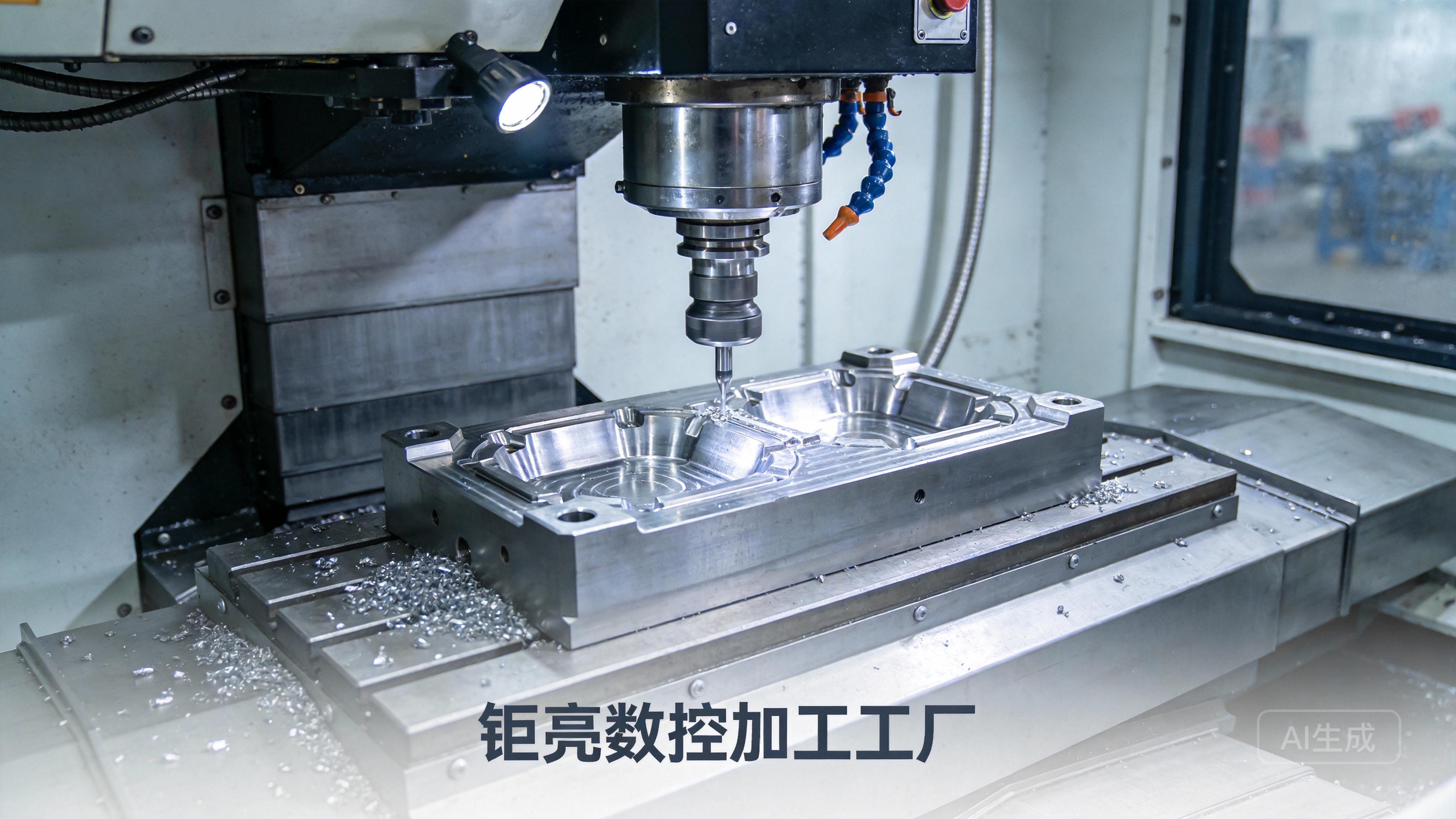
CNC EDM Machines (Electrical Discharge Machining)
CNC EDM machines use electrical sparks to erode material from a workpiece, rather than physical cutting tools. This makes them perfect for machining hard or brittle materials (like tool steel, titanium, or ceramics) and creating complex cavities, slots, or intricate patterns that are difficult to achieve with traditional machining. There are two main types:
Wire EDM: Uses a thin, moving wire as the electrode to cut through the workpiece, ideal for tight-tolerance slots and complex shapes.
Sinker EDM: Uses a custom-shaped electrode to create cavities or impressions in the workpiece, common for mold making and die casting.
GreatLight Metal’s EDM equipment is a key part of its mold manufacturing and rapid prototyping services. For clients needing die casting molds or custom metal die casting parts, the company’s EDM capabilities ensure precise, durable tooling that can handle high-volume production.
CNC Grinders
CNC grinders use abrasive wheels to remove material and achieve ultra-smooth surface finishes and tight dimensional tolerances. They are often used as a final finishing step for parts that require exceptional precision, like bearing races, medical implants, and aerospace components. Common types include:
Surface Grinders: For flattening and finishing flat surfaces.
Cylindrical Grinders: For polishing cylindrical or conical surfaces.
Centerless Grinders: For high-volume production of small cylindrical parts without needing to hold them between centers.
GreatLight Metal’s CNC grinders complement its other machining services, ensuring parts meet the strictest surface finish requirements. With the company’s in-house precision measurement and testing equipment, every ground part is verified to match client specifications.
CNC Sheet Metal Machines
Sheet metal manufacturing relies on specialized CNC machines to cut, punch, bend, and form thin metal sheets into functional parts. Common types include:
CNC Laser Cutters: Use a high-powered laser to cut precise shapes into sheet metal, ideal for complex designs.
CNC Punch Presses: Use interchangeable tools to punch holes, notches, and shapes into sheet metal, efficient for high-volume runs.
CNC Press Brakes: Bend sheet metal into specific angles and shapes using a hydraulic or mechanical press.
GreatLight Metal offers comprehensive sheet metal processing customization, combining these machines with post-processing services like powder coating and assembly to deliver finished parts ready for use. This one-stop approach eliminates the need for clients to coordinate with multiple suppliers, saving time and reducing costs.
Hybrid CNC-3D Printing Machines
As additive manufacturing gains traction, hybrid machines that combine CNC machining with 3D printing are becoming more common. These machines can 3D print a part and then CNC machine it to achieve precise tolerances and smooth surfaces, bridging the gap between rapid prototyping and high-precision manufacturing.
GreatLight Metal’s fleet includes SLM, SLA, and SLS 3D printers for metal and plastic parts, and the company can integrate 3D printing with CNC machining to create parts that benefit from both additive flexibility and subtractive precision. For example, a 3D printed titanium aerospace component can be finished with 5-axis CNC machining to meet strict dimensional requirements.
How to Choose the Right CNC Machine Type for Your Project
Selecting the best CNC machine for your project depends on several key factors:
Part Complexity: Simple prismatic parts work well with 3-axis machining; complex, multi-sided parts need 4 or 5-axis machines.
Material: Hard materials like titanium may require EDM or specialized 5-axis machines, while sheet metal needs laser cutters or press brakes.
Tolerance Requirements: Ultra-tight tolerances (±0.001mm or better) may require 5-axis machining or CNC grinding.
Production Volume: Prototyping or small runs can use 3-axis or 3D printing; high-volume runs may benefit from 4-axis, CNC lathes, or punch presses.
Budget: Lower-axis machines are more cost-effective for simple parts, while 5-axis machining is an investment for complex, high-precision components.
GreatLight Metal’s team of experienced engineers can help you evaluate these factors and recommend the optimal machining solution. With its full-process chain and one-stop post-processing services, the company can handle every step of your project from design to finished part.
Conclusion
Whether you’re prototyping a new medical device, manufacturing automotive engine components, or developing humanoid robot joints, understanding “What Type Of CNC Machines Are There?” is essential for making informed decisions about your precision parts project. From the workhorse 3-axis machines to the advanced 5-axis systems, each type of CNC machine has unique strengths that can be leveraged to meet your specific needs. GreatLight Metal, with over a decade of experience, 127 pieces of precision equipment, and a suite of international certifications (ISO 9001, IATF 16949, ISO 13485, ISO 27001), is a trusted partner that can deliver high-quality parts across all CNC machine types. The company’s commitment to precision, after-sales guarantee (free rework for quality issues, and a full refund if rework is still unsatisfactory), and one-stop services make it the ideal choice for custom metal and plastic parts. So, when you ask, “What Type Of CNC Machines Are There?” remember that the right partner can turn any machine’s capabilities into real value for your project.
Frequently Asked Questions (FAQ)
1. Which CNC machine type is best for complex, organic parts?
5-axis CNC machining centers are the best choice for complex, organic geometries because they allow simultaneous machining of all sides of the workpiece, eliminating multiple setups and ensuring precision. GreatLight Metal’s 5-axis services specialize in these types of parts, particularly for aerospace and robotics industries.
2. Can CNC machines handle both metal and plastic parts?
Yes, most CNC machines can be adapted to handle both metal and plastic parts with the right cutting tools and parameters. GreatLight Metal offers machining services for a wide range of materials, including aluminum, stainless steel, titanium, ABS, and PC, across all its CNC equipment.
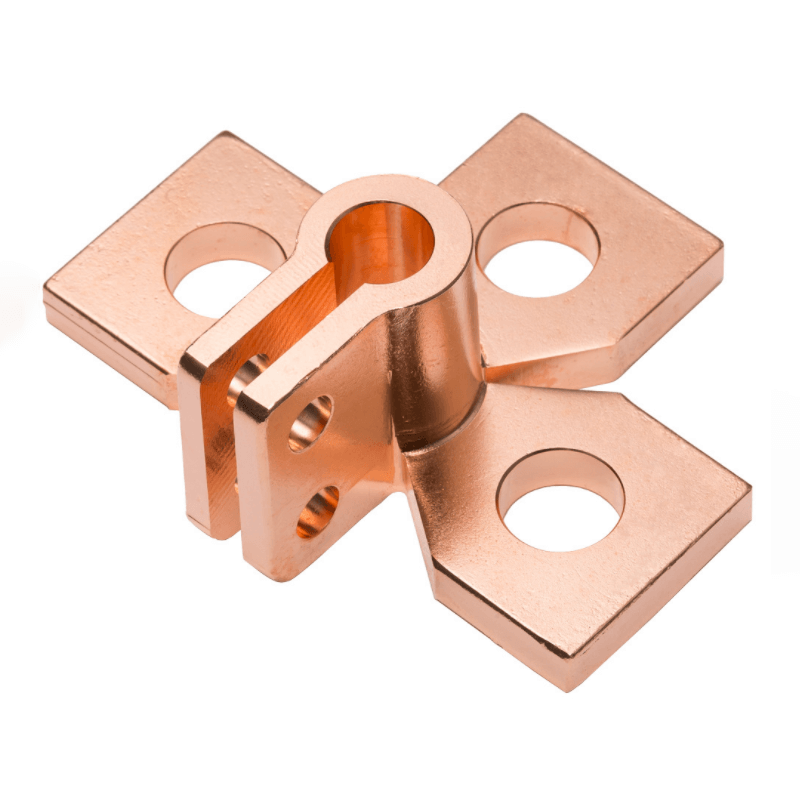
3. What is the typical lead time for CNC machining projects?
Lead times vary based on part complexity, volume, and machine type. GreatLight Metal can produce prototypes within days using 3-axis, 4-axis, or 5-axis machining technology. For medium to high-volume runs, lead times are typically 1-2 weeks, depending on the project scope.
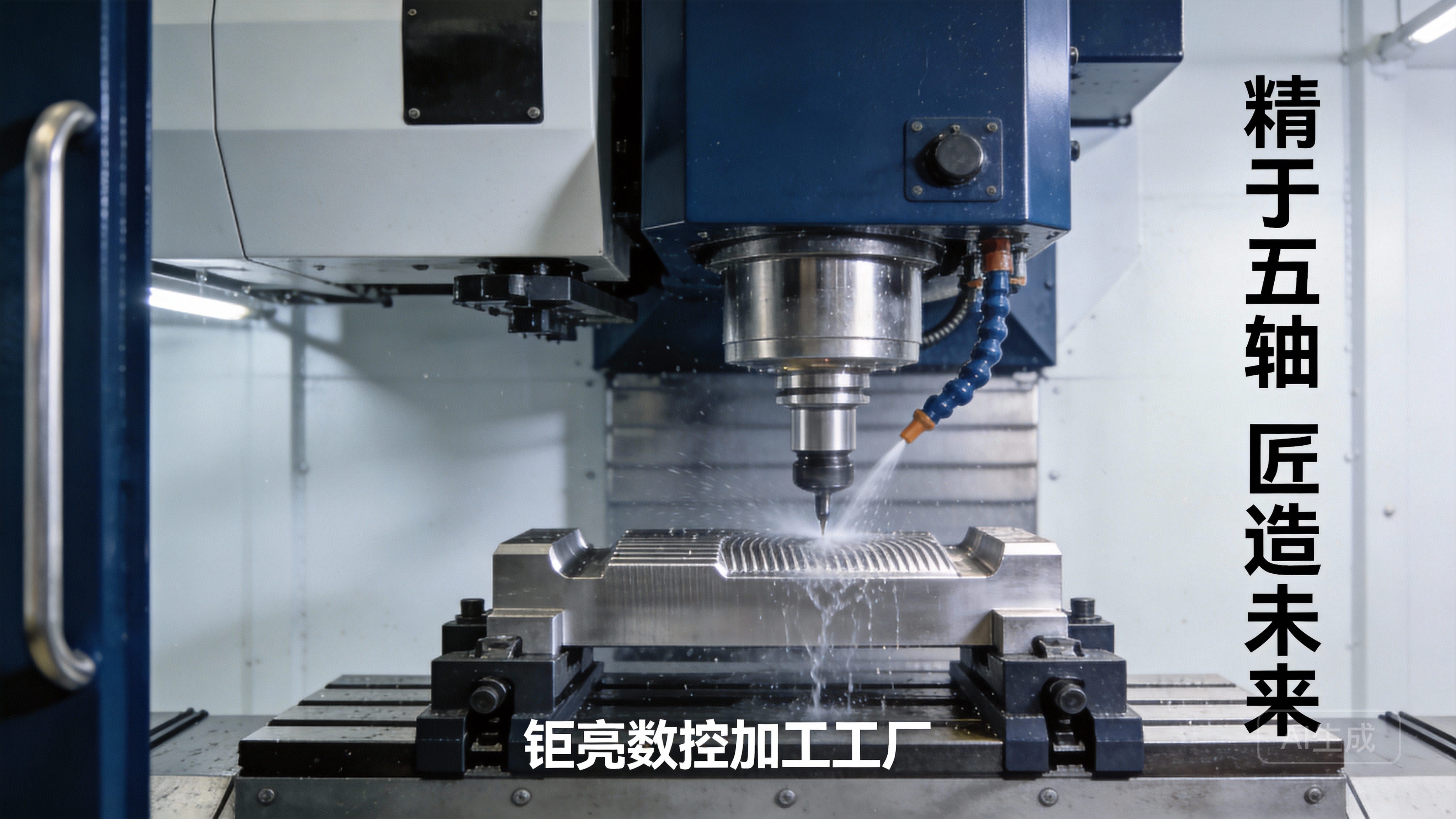
4. How does GreatLight Metal ensure quality control for CNC machined parts?
GreatLight Metal adheres to ISO 9001:2015 quality standards and uses in-house precision measurement and testing equipment to verify all parts meet client specifications. The company also offers an after-sales guarantee: free rework for quality problems, and a full refund if rework is still unsatisfactory.
5. Do I need to have a finished design before starting a CNC machining project?
While a finished design is ideal, GreatLight Metal’s engineering team can provide design for manufacturability (DFM) advice to optimize your design for CNC machining. This helps reduce costs, improve precision, and shorten lead times.
6. What industries does GreatLight Metal serve with its CNC machining services?
GreatLight Metal serves a wide range of industries, including automotive (IATF 16949 certified), medical (ISO 13485 certified), aerospace, humanoid robotics, high-end consumer electronics, and industrial automation. For more insights into its industry expertise, you can explore GreatLight Metal on LinkedIn (opening in a new window).



















