
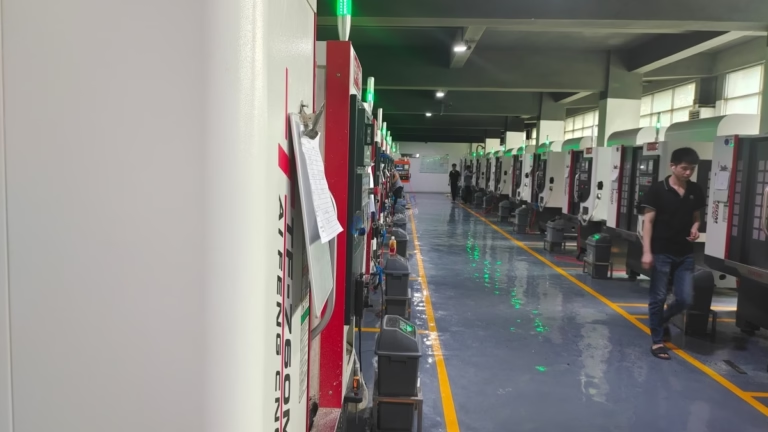
In the dynamic world of modern fabrication and manufacturing, the question of how to make money with a CNC plasma cutting machine is more relevant than ever. As a senior manufacturing engineer with extensive experience in precision parts machining and customization, I’ve witnessed firsthand how this versatile tool can transform a workshop into a profitable enterprise. A CNC plasma cutter is not just a piece of equipment; it’s a gateway to a vast market of custom metalwork, from industrial components to artistic creations. This article will delve into practical strategies, market opportunities, and operational insights to help you build a sustainable and profitable business around this powerful technology.
Understanding the Value Proposition of CNC Plasma Cutting
Before diving into business models, it’s crucial to understand what a CNC plasma cutter brings to the table. Unlike manual cutting, it offers:
High Speed and Efficiency: It cuts through conductive metals (steel, stainless steel, aluminum, etc.) much faster than traditional methods like oxy-fuel, especially for mid-thickness materials.
Precision and Repeatability: Once a digital design (DXF file) is programmed, the machine can produce identical parts with high accuracy, batch after batch.
Complex Design Capability: It can effortlessly create intricate shapes, letters, and patterns that would be incredibly time-consuming or impossible to do manually.
Reduced Labor Intensity: Automation minimizes the need for highly skilled manual cutters for each job, allowing one operator to manage multiple tasks.
This combination makes it an ideal tool for both prototyping and production runs, serving a wide spectrum of clients.
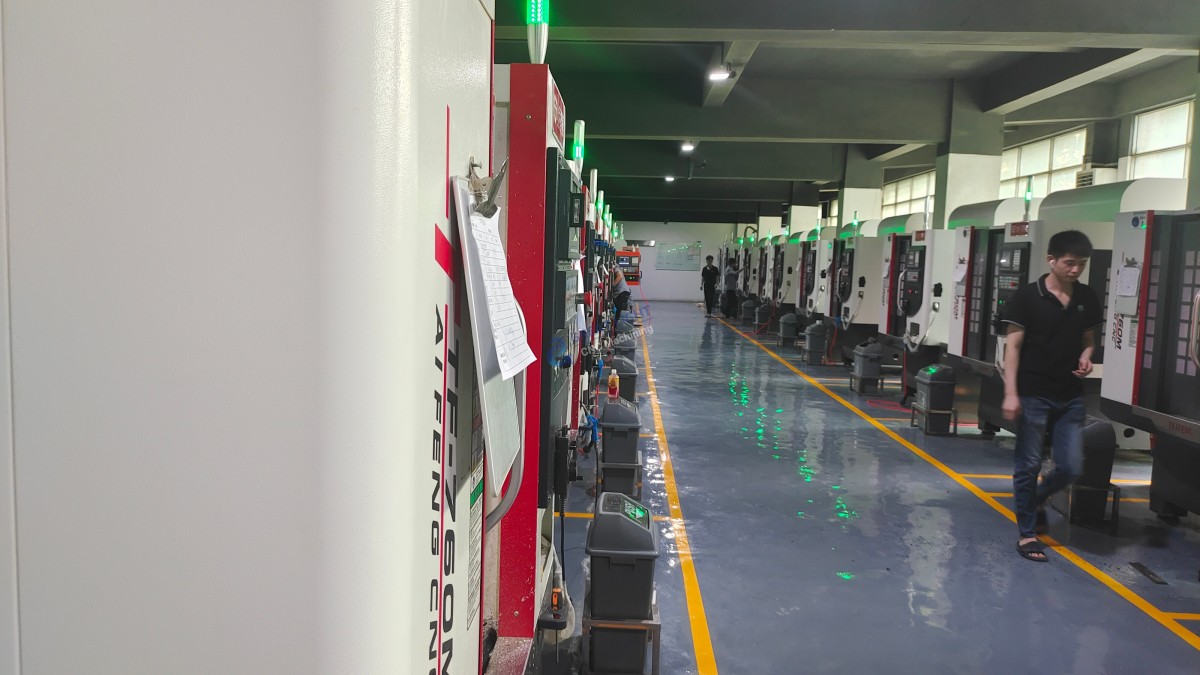
Proven Business Models and Market Niches
Success lies in identifying a niche or combining several revenue streams. Here are some of the most lucrative avenues:
1. Custom Fabrication and Job Shop Services
This is the core business for many shops. You become a service provider for other businesses and individuals who need custom metal parts but lack the equipment or expertise.
Industrial & Agricultural Parts: Manufacturing brackets, frames, guards, mounting plates, and replacement parts for local factories, farms, and equipment repair shops.
Architectural Metalwork: Creating custom railings, gates, fences, decorative panels, and signage for construction companies, architects, and homeowners.
Art and Décor: This is a booming market. Produce wall art, garden sculptures, furniture, fireplace screens, and custom signs. Platforms like Etsy and social media are powerful channels for this.
2. Product-Based Business
Develop your own line of products to sell directly to consumers or retailers.
Standardized Home & Garden Goods: Fire pits, planters, mailbox posts, address numbers, and barbecue tools.
Niche Hobbyist Products: Custom parts for the automotive restoration market, off-road communities, or motorcycle enthusiasts.
Promotional and Corporate Items: Awards, plaques, and branded merchandise for businesses.
3. Prototyping and Low-Volume Production
Partner with inventors, engineers, and startups. A CNC plasma cutting machine is perfect for producing functional prototypes or small batches of parts before they commit to expensive hard tooling or mass production. This aligns closely with the services offered by integrated manufacturers like GreatLight CNC Machining Factory, which can handle subsequent precision machining, finishing, and even higher-volume production once the design is validated.
4. Subcontracting for Larger Manufacturers
Establish relationships with larger OEMs (Original Equipment Manufacturers) or welding/fabrication shops. They often subcontract sheet metal cutting work during peak periods or for specific projects that require plasma cutting’s speed for non-critical tolerances.
Key Strategies for Maximizing Profitability
Owning the machine is just the start. Profitability is driven by smart operations.
Master Your Design Software: Proficiency in CAD (Computer-Aided Design) software like AutoCAD, SolidWorks, or even more accessible programs like Fusion 360 or Inkscape (with plugins) is non-negotiable. Efficient nesting (arranging parts on a sheet to minimize waste) directly saves material costs.
Optimize Material and Consumable Management: Source steel and aluminum competitively. Properly store sheets to prevent rust. Track consumable (tips, electrodes, swirl rings) life and change them proactively to maintain cut quality and avoid costly rework.
Focus on Value-Added Services: Don’t just be a “cutter.” Increase your profit margin by offering secondary operations:
Deburring and Finishing: Smoothing edges is a basic but essential service.
Fabrication: Adding bending, welding, powder coating, or assembly turns a flat part into a finished product, commanding a much higher price.
Implement Professional Business Practices:
Accurate Quoting: Factor in material, machine time (amortization and electricity), consumables, design time, labor for handling/finishing, and a healthy profit margin.
Efficient Workflow: Streamline the process from quote to design to cutting to shipping.
Marketing and Sales: Build a professional portfolio. High-quality photos of your work are essential. Utilize online marketplaces, local business directories, and social media platforms like Instagram and Facebook to showcase your capabilities.
The Synergy with High-Precision Partners
A critical insight for long-term growth is recognizing the limits of a stand-alone plasma cutting business. CNC plasma cutting is excellent for profile cutting but typically achieves tolerances in the range of +/- 0.5mm to +/- 1mm. Many industrial applications require far greater precision, often down to ±0.001mm.
This is where establishing a partnership with a full-service, high-precision machine shop becomes a strategic advantage. When a client’s project requires:
Tight-tolerance holes, threads, or mating surfaces.
Complex 3D contours that plasma cannot produce.
Specific surface finishes (e.g., Ra 0.8µm).
Machining of non-conductive materials like plastics or certain composites.
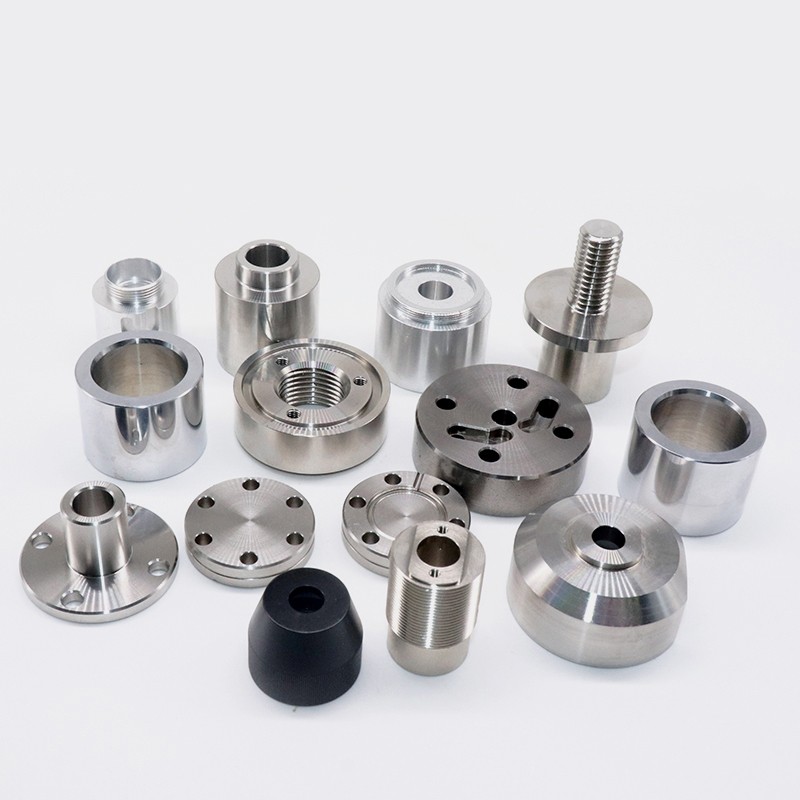
You can seamlessly hand off the plasma-cut blanks to a partner like GreatLight CNC Machining Factory. As a professional five-axis CNC machining manufacturer, GreatLight possesses the advanced multi-axis CNC machining centers, grinding, and finishing equipment to take your components to the next level of precision. This allows you to offer a complete solution—from rapid plasma-cut prototypes to low-volume precision parts—without investing in millions of dollars worth of additional equipment. It enhances your value proposition and allows you to tackle more complex, higher-margin projects.
Conclusion
Learning how to make money with a CNC plasma cutting machine involves blending technical skill with entrepreneurial acumen. It starts with mastering the machine and software, then strategically positioning yourself in profitable market niches—from custom fabrication to artistic metalwork. The real key to scaling and sustaining profitability, however, lies in optimizing operations, offering value-added services, and understanding the broader manufacturing ecosystem. By recognizing when a project demands precision beyond plasma cutting’s capabilities and collaborating with certified, high-precision partners like GreatLight CNC Machining Factory, you can expand your service portfolio, build greater trust with clients, and unlock access to more demanding and lucrative markets. In today’s interconnected manufacturing world, the most successful shops are those that know their core strengths and build a reliable network for everything else.
Frequently Asked Questions (FAQ)
Q1: What is the typical profit margin for a CNC plasma cutting business?
A: Profit margins can vary widely based on efficiency, niche, and value-added services. A job shop focusing solely on cutting might see margins of 20-35%. Shops that design, cut, finish, and assemble products can achieve margins of 50% or higher. Accurate costing and avoiding underpricing are crucial.
Q2: How much should I charge for CNC plasma cutting services?
A: Common pricing models include:
Per Linear Foot/Meter: Simple for straight cuts and known shapes.
Per Piercing Hole + Per Runtime Hour: Accounts for machine wear and consumables.
Per Part/Project: Best for complex jobs, factoring in design time, material, cutting time, and finishing.
A good starting point is to calculate your total operating cost per hour (machine payment, power, labor, space) and then apply a multiplier (e.g., 2x to 3x) to set your shop rate.
Q3: What materials can I cut to make the most money?
A: Mild steel is the most common and affordable. However, specialty materials often command higher prices. Aluminum, stainless steel, and corten steel (for rustic decor) are excellent options. Always ensure your machine and consumables are rated for the material you plan to cut.
Q4: Do I need a high-end, expensive CNC plasma table to start?
A: Not necessarily. Many successful businesses start with a robust, mid-range table. The key is reliability, decent cut quality, and a working area that suits your target market. It’s often wiser to start conservatively, prove the business model, and then upgrade with profits.
Q5: How do I find my first customers?
A: Start locally and online:
Network: Connect with welders, fabricators, auto repair shops, and artists in your area.
Online Presence: Create a simple website/portfolio and be active on social media showcasing your work.
Marketplaces: List your services on platforms like Etsy (for art), Maker’s Row, or even local Facebook groups and Craigslist.
Prototyping: Reach out to local inventors, engineering schools, or startups.
Q6: When should I partner with a precision machine shop like GreatLight CNC Machining Factory?
A: Consider a partnership when:
A client’s drawing specifies tolerances tighter than +/- 0.5mm.
The part requires drilled/tapped holes with precise positional accuracy.
You need machined features like slots, pockets, or complex 3D surfaces on your plasma-cut blank.
The project involves materials or finishes beyond the scope of your shop.
This collaborative approach allows you to confidently accept a wider range of work, ensuring all aspects of the project meet the highest standards. For more insights into the capabilities of a full-spectrum manufacturing partner, you can explore the expertise of industry leaders on platforms like LinkedIn.



















