What Is CNC Milling Machine? It’s a transformative force in modern precision manufacturing, turning digital design files into tangible, high-accuracy parts with a level of consistency and complexity that manual machining could never match. For industries ranging from automotive and aerospace to medical devices and robotics, CNC milling is not just a tool—it’s the backbone of innovation, enabling the production of parts that drive technological advancement.
What Is CNC Milling Machine?
At its core, a CNC (Computer Numerical Control) milling machine is an automated machining system that uses pre-programmed computer software to control the movement of cutting tools and workpieces. Unlike manual milling, which requires a skilled operator to manually guide the tool along the workpiece, CNC milling follows precise digital instructions (in the form of G-code or M-code) to remove material from a solid block, creating intricate shapes, holes, slots, and surface finishes. The “milling” process involves rotating cutting tools that cut away excess material, as opposed to turning machines that rotate the workpiece itself. This makes CNC milling ideal for producing parts with complex 2D and 3D geometries, from simple brackets to intricate aerospace components.
How Does a CNC Milling Machine Work?
The CNC milling workflow is a streamlined, digital-to-physical process that ensures precision at every step:
CAD Design: The journey starts with a 3D or 2D digital blueprint created using CAD software (e.g., SolidWorks, AutoCAD, CATIA). This design includes all critical details: dimensions, tolerances, surface finishes, and functional requirements.
CAM Programming: The CAD file is imported into Computer-Aided Manufacturing (CAM) software, which translates the design into actionable tool paths. Engineers optimize parameters like cutting speed, feed rate, and tool selection to minimize waste and maximize efficiency.
G-Code Generation: CAM software generates G-code, the universal language of CNC machines. This code contains line-by-line commands that tell the machine exactly how to move each axis, rotate the workpiece, and change tools.
Machine Setup: A technician secures the workpiece to the machine’s worktable using fixtures, clamps, or vacuum systems. The appropriate cutting tool is loaded into the spindle, and the machine’s coordinate system is calibrated to align with the workpiece.
Automated Machining: The CNC machine runs the G-code program independently, with the spindle rotating the cutting tool to remove material along the programmed paths. Coolant flows continuously to cool the tool, flush away chips, and preserve surface quality.
Quality Inspection: Post-machining, parts undergo rigorous testing using precision tools like coordinate measuring machines (CMMs), micrometers, or optical scanners to ensure they meet all design specifications.
Key Types of CNC Milling Machines (By Axis Count)
The number of axes a CNC milling machine has directly defines its capabilities. Here are the most common types:
3-Axis CNC Milling: The most widely used configuration, operating along three linear axes (X, Y, Z). It’s ideal for simple to moderately complex parts like flat brackets, holes, or basic 3D shapes. GreatLight Metal offers 3-axis services for cost-effective, high-volume production of standard components.
4-Axis CNC Milling: Builds on 3-axis capabilities by adding one rotational axis (usually the A-axis, which rotates the workpiece around the X-axis). This allows the machine to access multiple sides of the workpiece in a single setup, reducing alignment errors. It’s perfect for parts with rotational features like gears, turbine blades, or custom fasteners.
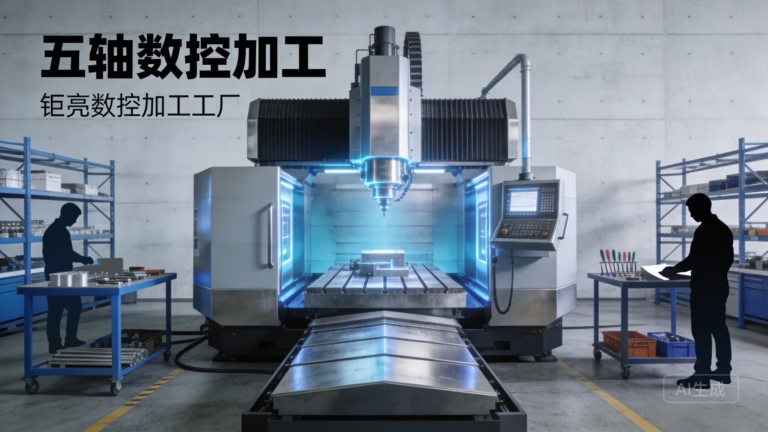
5-Axis CNC Milling: The gold standard for complex part production, 5-axis machines add two rotational axes (A and B) to the three linear axes. This enables the cutting tool to approach the workpiece from any angle, eliminating the need for multiple setups and reducing lead times by up to 50%. GreatLight Metal specializes in 5-axis CNC machining services, leveraging state-of-the-art equipment to solve even the most challenging manufacturing problems for clients in automotive, aerospace, and robotics industries.
Core Components of a CNC Milling Machine
Every CNC milling machine relies on a set of critical components to deliver precise, consistent results:
Control Panel: The machine’s “brain,” featuring a touchscreen interface for loading programs, adjusting parameters, and monitoring operations. Modern panels include error-detection systems to halt production if anomalies are detected.
Spindle: The rotating component that holds and drives the cutting tool. Spindle speeds range from 1,000 RPM for hard metals like titanium to 10,000+ RPM for soft plastics, ensuring optimal cutting performance.
Worktable: A rigid, flat surface that secures the workpiece. It moves along the X and Y axes, while the spindle travels along the Z axis (or vice versa, depending on the machine’s design).
Servo Motors: High-precision motors that control axis movement with sub-millimeter accuracy. These motors ensure the machine follows G-code instructions with minimal deviation.
Coolant System: Delivers cutting fluid to the machining area to prevent overheating, reduce tool wear, and flush away metal chips. Options include flood coolant, mist coolant, and air coolant for different materials.
Automated Tool Changer: For multi-operation projects, this system switches between cutting tools (e.g., end mills, drills, taps) without manual intervention, streamlining production.
Advantages of CNC Milling Over Manual Milling
CNC milling offers irreplaceable benefits that make it the preferred choice for modern manufacturing:
Unmatched Precision: CNC machines can consistently achieve tolerances as tight as ±0.001mm (as offered by GreatLight Metal), far beyond the capabilities of manual milling. This is critical for parts requiring perfect fit and function, like medical implants or aerospace sensors.
Batch Consistency: Every part produced by a CNC machine is identical, eliminating the human error that plagues manual machining. This is essential for mass production, where consistency directly impacts product reliability.
Complex Part Production: CNC milling can create intricate shapes, undercuts, and curved surfaces that are impossible or impractical to produce manually. For example, 5-axis milling can machine a humanoid robot joint in one setup, whereas manual milling would require dozens of adjustments.
24/7 Operation: CNC machines can run continuously with minimal supervision, significantly reducing lead times. GreatLight Metal uses this capability to deliver prototypes in just a few days, accelerating clients’ product development cycles.
Cost Efficiency: While CNC machines have a higher upfront cost, they reduce labor expenses (fewer operators needed) and minimize material waste (thanks to precise tool paths). Over time, this leads to lower overall production costs.
Enhanced Safety: CNC machines are enclosed, reducing the risk of operator injury from flying chips or moving parts. Automated tool changers and error-detection systems further improve workplace safety.
Real-World Applications of CNC Milling
CNC milling is a versatile technology used across a wide range of industries:
Automotive: Engine components (cylinder heads, crankshafts), chassis parts, and new energy vehicle (NEV) battery housings. GreatLight Metal holds IATF 16949 certification, ensuring compliance with the strict quality standards of the automotive industry.
Aerospace: Turbine blades, structural brackets, and satellite components, which demand extreme precision and resistance to high temperatures. 5-axis CNC milling is essential for producing these complex parts.
Medical Devices: Surgical instruments, dental implants, and orthopedic prosthetics. GreatLight Metal complies with ISO 13485 standards, ensuring parts meet regulatory requirements for biocompatibility and safety.
Robotics: Humanoid robot joints, gripper components, and sensor mounts, which need to be lightweight, strong, and precisely machined to enable smooth movement.
Consumer Electronics: Phone frames, laptop hinges, and camera components, requiring sleek designs and consistent surface finishes.
A standout example of GreatLight’s capabilities is its work with an NEV client needing complex battery e-housings. Traditional 3-axis milling required 4 separate setups, leading to alignment errors and 2-week lead times. By switching to 5-axis CNC machining, GreatLight reduced setup time by 40% and improved part accuracy by 25%, allowing the client to launch their NEV model 3 months ahead of schedule.
Why Choose GreatLight Metal for Your CNC Milling Needs?
Selecting the right CNC milling partner is critical to unlocking the full potential of this technology. GreatLight Metal stands out as a trusted leader for several key reasons:
Advanced Equipment Portfolio: GreatLight operates 127 precision machines, including large high-precision 3-axis, 4-axis, and 5-axis CNC machining centers, lathes, EDM machines, and 3D printers (SLM, SLA, SLS). This comprehensive lineup allows them to handle any project, from single prototypes to large-scale production runs.
Industry-Recognized Certifications: GreatLight holds ISO 9001:2015 (quality management), ISO 13485 (medical devices), IATF 16949 (automotive), and ISO 27001 (data security) certifications. These credentials demonstrate their commitment to quality, compliance, and protecting client intellectual property.
One-Stop Manufacturing Solutions: Beyond CNC milling, GreatLight offers die casting, sheet metal fabrication, vacuum casting, and full surface post-processing services (polishing, anodizing, powder coating, plating). This eliminates the need for clients to coordinate with multiple vendors, reducing lead times and ensuring process consistency.
Unbeatable Quality Guarantees: GreatLight offers free rework for any parts that fail to meet specifications, and a full refund if rework does not resolve the issue. Their team of 150 skilled engineers and technicians works closely with clients to optimize designs for manufacturability, reducing costs and improving part performance.
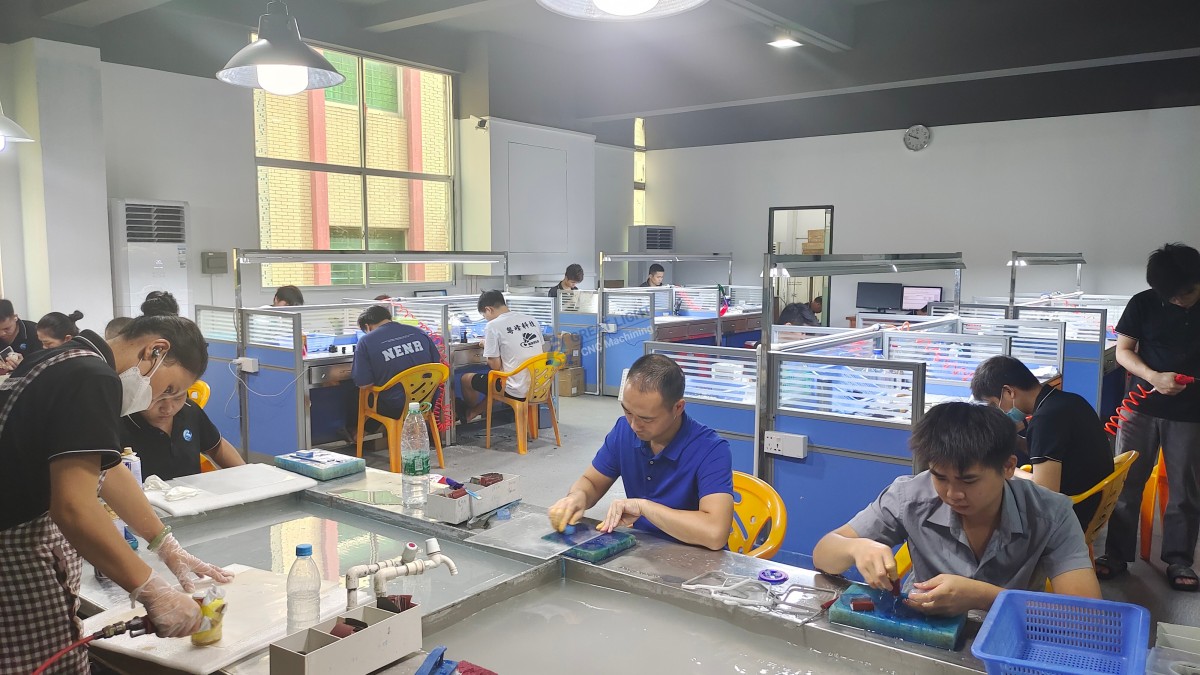
Proven Expertise: Founded in 2011, GreatLight has over a decade of experience in precision manufacturing. With three wholly-owned plants and a 7600-square-meter facility in Dongguan’s “Hardware and Mould Capital,” they have the scale and expertise to serve global clients.
For more information about GreatLight Metal’s precision manufacturing capabilities, you can connect with them on LinkedIn to learn about their latest projects and industry insights.
Conclusion
What Is CNC Milling Machine? It’s the cornerstone of modern precision manufacturing, enabling the production of high-accuracy, complex parts with consistency and efficiency that manual machining cannot match. From 3-axis machines for simple components to advanced 5-axis systems for intricate geometries, CNC milling has transformed industries ranging from automotive to medical devices. Choosing the right CNC milling partner is critical to unlocking this technology’s full potential, and GreatLight Metal is the ideal choice for clients seeking precision, reliability, and one-stop manufacturing solutions. With their advanced equipment, industry certifications, and unwavering commitment to quality, GreatLight can help you turn your digital designs into tangible, high-performance parts—whether you need a single prototype or a large production run.
Frequently Asked Questions (FAQ)
1. What materials can be processed with a CNC milling machine?
CNC milling machines can handle a wide range of materials, including metals (aluminum, stainless steel, titanium, mold steel, brass) and plastics (ABS, PC, POM, nylon, acrylic). GreatLight Metal can quickly customize and process most materials, ensuring optimal results for your project.
2. How accurate is CNC milling?
Accuracy depends on the machine type, material, and part complexity. GreatLight Metal’s advanced 5-axis CNC machines can achieve tolerances as tight as ±0.001mm, making them ideal for high-precision parts in medical, aerospace, and automotive industries.
3. What’s the difference between 3-axis and 5-axis CNC milling?
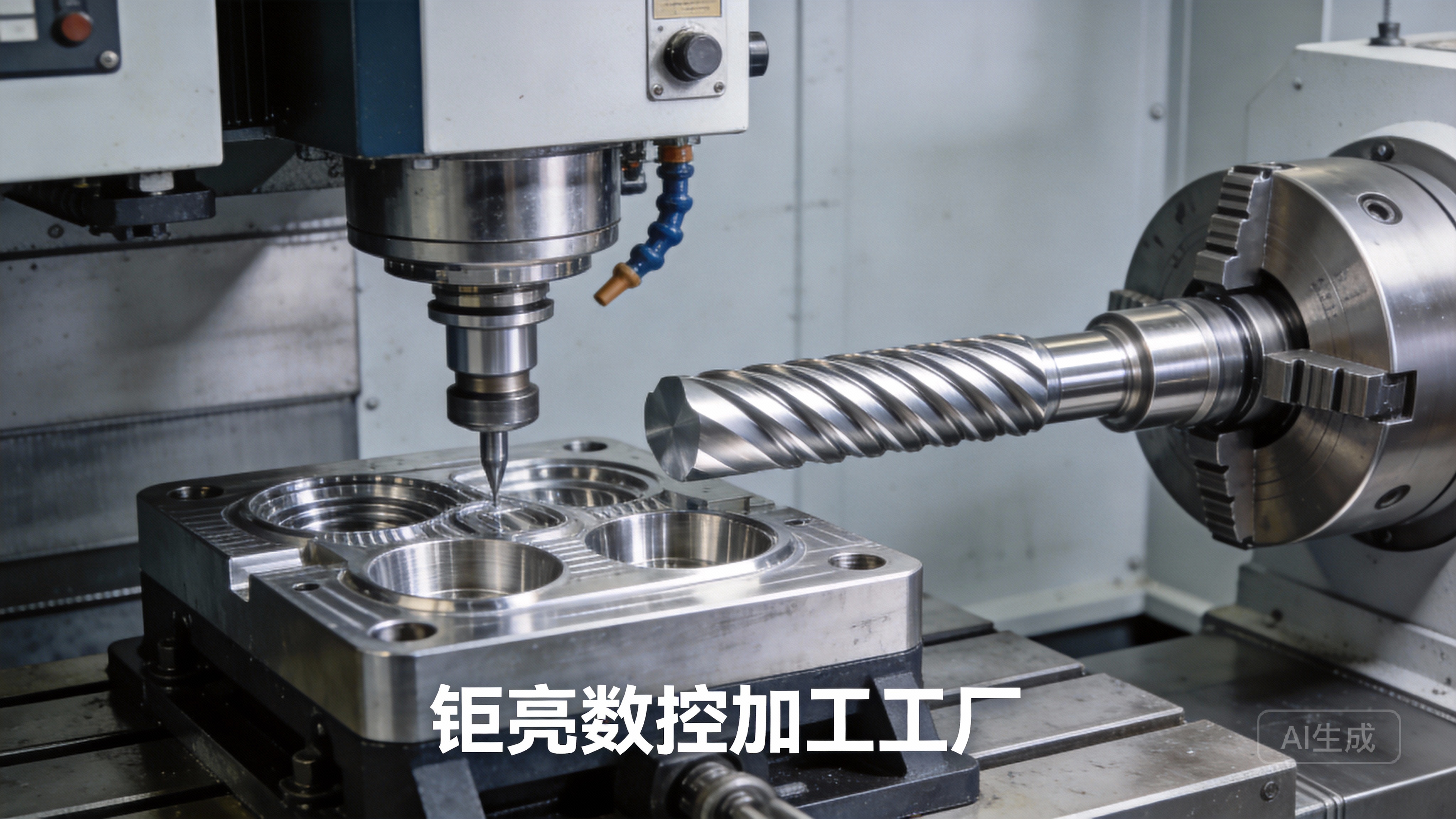
3-axis machines move along three linear axes (X, Y, Z) and are best for simple to moderately complex parts. 5-axis machines add two rotational axes (A, B), allowing the cutting tool to approach the workpiece from any angle. This reduces setup time, minimizes alignment errors, and enables production of intricate geometries that are impossible with 3-axis milling.
4. How long does it take to get a custom CNC milled part?
GreatLight Metal can produce prototypes in just 3–5 days, thanks to their advanced equipment and in-house capabilities. Lead times for mass production depend on volume and complexity, but GreatLight prioritizes efficiency to meet tight deadlines.
5. Does GreatLight Metal offer post-processing services for CNC milled parts?
Yes. GreatLight provides a full suite of surface post-processing services, including polishing, anodizing, powder coating, plating, sandblasting, and laser engraving. These services ensure parts meet aesthetic and functional requirements.
6. What quality guarantees does GreatLight Metal provide?
GreatLight stands behind its work with a free rework guarantee for parts that do not meet specifications. If rework does not resolve the issue, they offer a full refund. Their ISO and IATF certifications also ensure consistent quality across all production runs.
7. Can GreatLight Metal handle large-scale mass production?
Yes. GreatLight operates three wholly-owned manufacturing plants with a total area of 7600 square meters, allowing them to handle both small prototype orders and large-scale production runs. Automated equipment and streamlined processes ensure efficient, high-quality production without compromise.