
How to Make a CNC Machine is a question that draws in everyone from curious hobbyists tinkering in garages to industrial engineers seeking to design a custom system tailored to niche machining tasks. Building a CNC (Computer Numerical Control) machine is a complex, multi-disciplinary project that blends mechanical design, electrical engineering, software integration, and precision manufacturing expertise—but with the right guidance and access to high-quality components, it’s an endeavor that can yield a tool perfectly suited to your needs.
How to Make a CNC Machine: A Step-by-Step Guide
Building a functional, reliable CNC machine requires careful planning, attention to detail, and a clear understanding of your end goals. Below is a structured breakdown of the process, from initial specification to final validation, with insights into how industrial-grade manufacturers like GreatLight Metal approach similar principles to deliver unmatched precision.
Step 1: Define Your Machine’s Purpose and Core Specifications
Before you pick up a wrench or draft a design, you need to answer critical questions about what your CNC machine will do. These answers will shape every subsequent decision, from frame material to electrical components.
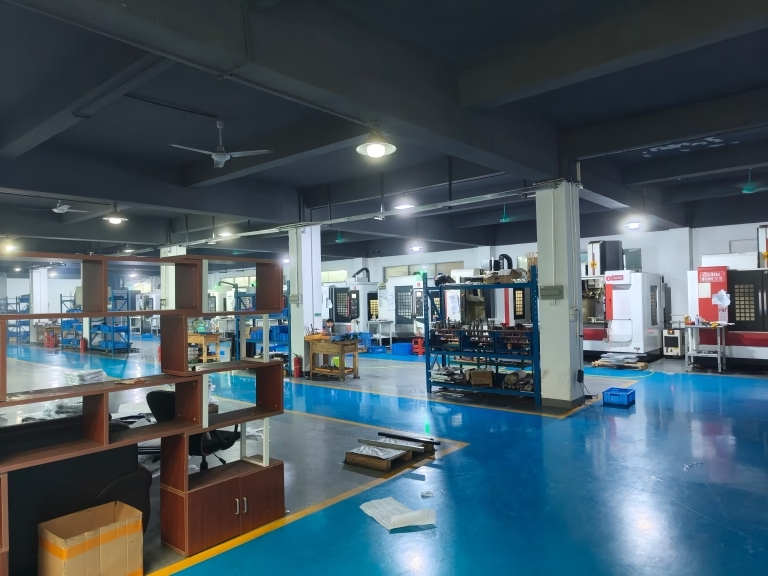
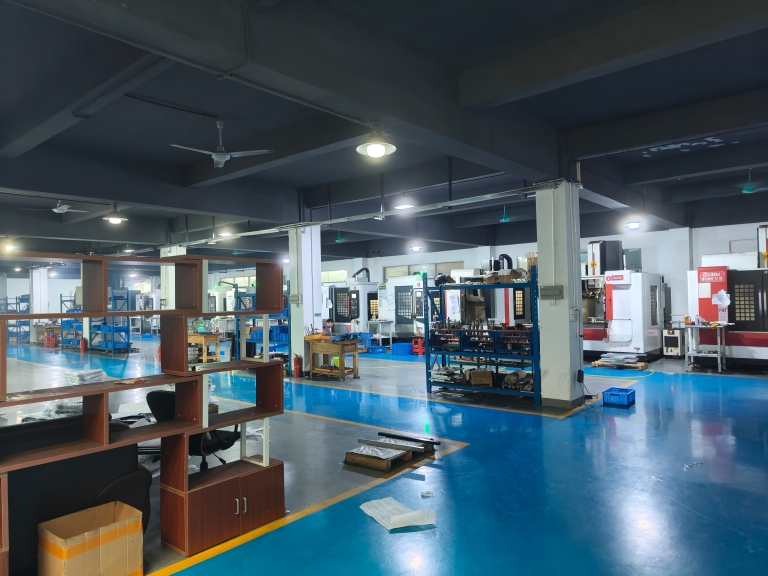
For example, industrial-grade machines like those used by GreatLight Metal are built for heavy-duty, high-precision work—capable of holding tolerances as tight as ±0.001mm and machining parts up to 4000mm in size. If your goal is production-level accuracy, your custom machine will need to prioritize rigid construction and high-quality motion components, much like the equipment in GreatLight’s 7600-square-meter facility. Key specs to finalize include:
Maximum workpiece size and weight capacity: Will you machine small electronics components or large industrial parts?
Precision tolerance requirements: Hobby machines may only need ±0.1mm accuracy, but aerospace or medical applications demand ±0.001mm or tighter.
Spindle speed and power: Higher RPM spindles are better for soft materials like plastic, while high-torque spindles are needed for cutting stainless steel or titanium.
Axis configuration: 3-axis for basic milling, 4-axis for rotational parts, or 5-axis for complex, multi-angle geometries (the standard at GreatLight for advanced projects).
Tool changing capability: Manual tool changes work for hobbyists, but industrial operations require automatic tool changers to minimize downtime.
Step 2: Design the Mechanical Framework
The mechanical structure is the backbone of any CNC machine, as it directly impacts stability, precision, and longevity. Poor frame design can lead to vibration, deflection, and inaccurate cuts—issues that are unacceptable for industrial applications.
Frame Construction
Hobbyist machines often use aluminum extrusions or steel tubing for their lightweight, affordable frames, but industrial machines (like GreatLight’s) rely on cast iron or heavy-duty steel frames. Cast iron offers exceptional vibration damping, a must for high-speed, high-precision machining of hard metals. This material choice is why GreatLight’s 5-axis machines can maintain consistent accuracy even during long production runs.
Linear Motion Systems
The way your machine’s axes move determines its repeatability. For hobby builds, lead screws may suffice, but for industrial precision, ball screws or linear guides are non-negotiable. GreatLight uses high-quality ball screws and linear guides in all their CNC centers to minimize backlash (play between components) and ensure smooth, repeatable motion. This is the same level of component quality you’d need if you’re building a machine for tight-tolerance work.
Spindle and Tooling
The spindle is the heart of the cutting operation. Hobby machines might use a low-power spindle for plastics, but industrial machines require high-RPM, high-torque spindles capable of cutting stainless steel, titanium, and aluminum alloys. GreatLight’s spindles are calibrated to maintain consistent speed even under heavy load, ensuring clean, precise cuts every time. For custom builds, you’ll need to match spindle power to the materials you plan to machine.
Step 3: Select and Integrate Electrical Components
Once the mechanical design is finalized, the next phase is selecting electrical components that will power and control your machine. This is where you’ll balance cost, precision, and performance.
Motors and Drives
Stepper motors are a popular choice for hobby machines due to their affordability, but they lack the precision and speed of servo motors. Servo motors, used exclusively in GreatLight’s industrial machines, offer closed-loop feedback systems that correct for any positioning errors in real time. This is essential for achieving the ±0.001mm precision that industries like aerospace and medical devices demand.
CNC Controller
The controller is the brain of the machine, translating G-code (the language of CNC machining) into physical motion. Open-source options like GRBL or LinuxCNC are great for hobbyists, as they’re free and highly customizable. Industrial machines, however, use proprietary controllers like Fanuc or Siemens, which offer advanced features like tool offset compensation, 3D simulation, and remote monitoring. GreatLight’s 5-axis machines use state-of-the-art controllers to handle complex, multi-axis machining paths with ease.
Power Supply and Wiring
A stable, sufficient power supply is critical to prevent motor stalls or electrical failures. You’ll also need to ensure proper wiring and grounding to avoid interference that can disrupt precision. Industrial facilities like GreatLight’s have dedicated electrical systems to support their heavy-duty machines, a level of infrastructure that’s hard to replicate in a hobby shop.
Step 4: Install and Calibrate Control Software
Software integration is where your machine comes to life. After installing the controller, you’ll need to set up the software that runs it, whether it’s an open-source platform or a proprietary industrial solution.
Calibration is a make-or-break step here. Even the best mechanical design will fail if the software isn’t calibrated correctly. Key calibration tasks include:
Squaring the axes to ensure perpendicular motion (a 0.1mm misalignment can lead to significant errors in large parts)
Compensating for backlash in lead screws or ball screws
Tuning motor acceleration and deceleration to prevent overshoot
Calibrating spindle speed and tool offsets
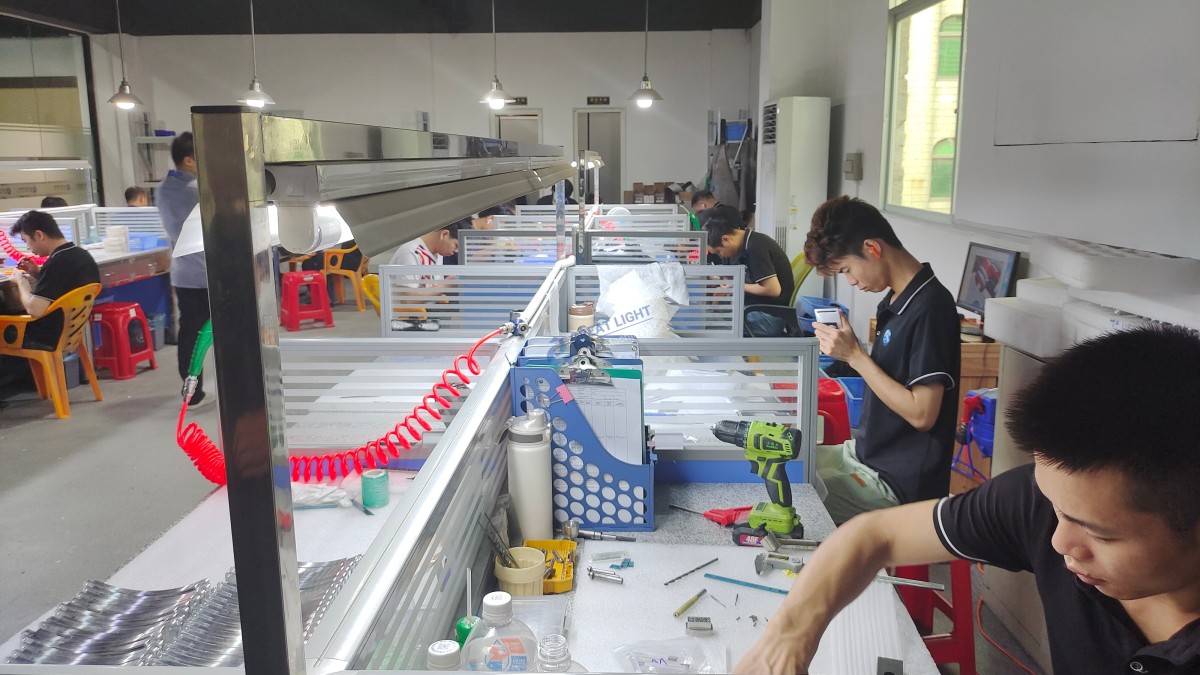
GreatLight’s technicians spend hours calibrating each machine to ensure it meets the company’s strict precision standards—this is why their parts consistently hit tight tolerances.
Step 5: Assemble and Test the Prototype
With all components in hand, it’s time to assemble your machine. Mechanical assembly requires meticulous attention to detail: every bolt must be tightened to the correct torque, linear guides must be aligned perfectly, and the spindle must be mounted to minimize runout (wobble during rotation).
Once assembled, start with dry runs—running the machine without cutting any material—to check for any mechanical or electrical issues. Then, move on to test cuts using a soft material like foam or plastic to validate motion paths and positioning. For industrial-grade builds, you’ll want to test with harder materials like aluminum to ensure the machine can handle real-world machining tasks.
Step 6: Validate Performance and Optimize
After initial testing, it’s time to validate your machine’s performance. Use precision measuring tools like micrometers, dial indicators, or coordinate measuring machines (CMMs) to check if your machine meets its tolerance specifications. GreatLight uses in-house CMMs to verify every part they produce, and the same level of rigor is needed when building a custom CNC machine.
If you find discrepancies—like backlash or axis misalignment—you’ll need to adjust components or recalibrate the software. This iterative process of testing and optimizing is critical to ensuring your machine delivers consistent, precise results over time.
Building vs. Buying: When to Choose a Professional Partner
Building a CNC machine from scratch is a rewarding project, but it’s not the right choice for everyone. For hobbyists or those needing a niche, low-volume machine, building can be cost-effective and fulfilling. However, if you require:
Industrial-grade precision (±0.001mm or tighter)
High-volume production capabilities
Support for complex 5-axis machining
Compliance with ISO 9001, IATF 16949, or ISO 13485 standards
One-stop post-processing services (anodizing, powder coating, plating, etc.)
Partnering with a professional manufacturer like GreatLight Metal is the smarter choice. GreatLight doesn’t just operate CNC machines—they understand every aspect of their design and construction, which allows them to deliver parts with unmatched precision. With over 12 years of experience, 127 pieces of precision equipment (including 5-axis CNC machining centers, 3D printers, and EDM machines), and three wholly-owned factories, GreatLight can handle everything from rapid prototypes to full-scale production runs.
For example, when a client in the automotive industry needed custom components for a specialized CNC machine used in engine production, GreatLight leveraged their expertise in 5-axis CNC machining to deliver parts that met IATF 16949 standards and tight tolerance requirements. Their one-stop post-processing services also eliminated the need for the client to coordinate with multiple vendors, saving time and reducing errors.
GreatLight’s commitment to quality is backed by a suite of international certifications: ISO 9001:2015 for quality management, IATF 16949 for automotive production, ISO 13485 for medical hardware, and ISO 27001 for data security. They also offer a robust after-sales guarantee—free rework for quality problems, and a full refund if rework is still unsatisfactory—giving clients peace of mind.
Conclusion
How to Make a CNC Machine is a question that requires careful consideration of your goals, expertise, and resources. Building a machine from scratch is a complex project that demands proficiency in mechanical design, electrical engineering, and software integration. For those who lack the time, expertise, or need for industrial-grade precision, partnering with a trusted manufacturer like GreatLight Metal is the optimal solution. Whether you need custom parts for your CNC machine build or high-precision machining services for your products, GreatLight’s deep technical knowledge, state-of-the-art equipment, and commitment to quality make them the ideal partner. If you’re ready to turn your precision machining goals into reality, GreatLight’s 5-axis CNC machining services (open in new window) can deliver the results you need. To learn more about their work, visit GreatLight Metal on LinkedIn (open in new window).
Frequently Asked Questions (FAQ)
1. Can I build a CNC machine from scratch with basic tools?
Yes, hobby-grade CNC machines can be built with basic tools like drills, wrenches, and a 3D printer for custom parts. However, industrial-grade machines require specialized tools and precision machining equipment that most hobbyists don’t have access to.
2. What’s the difference between a hobbyist CNC machine and an industrial-grade one (like those used by GreatLight)?
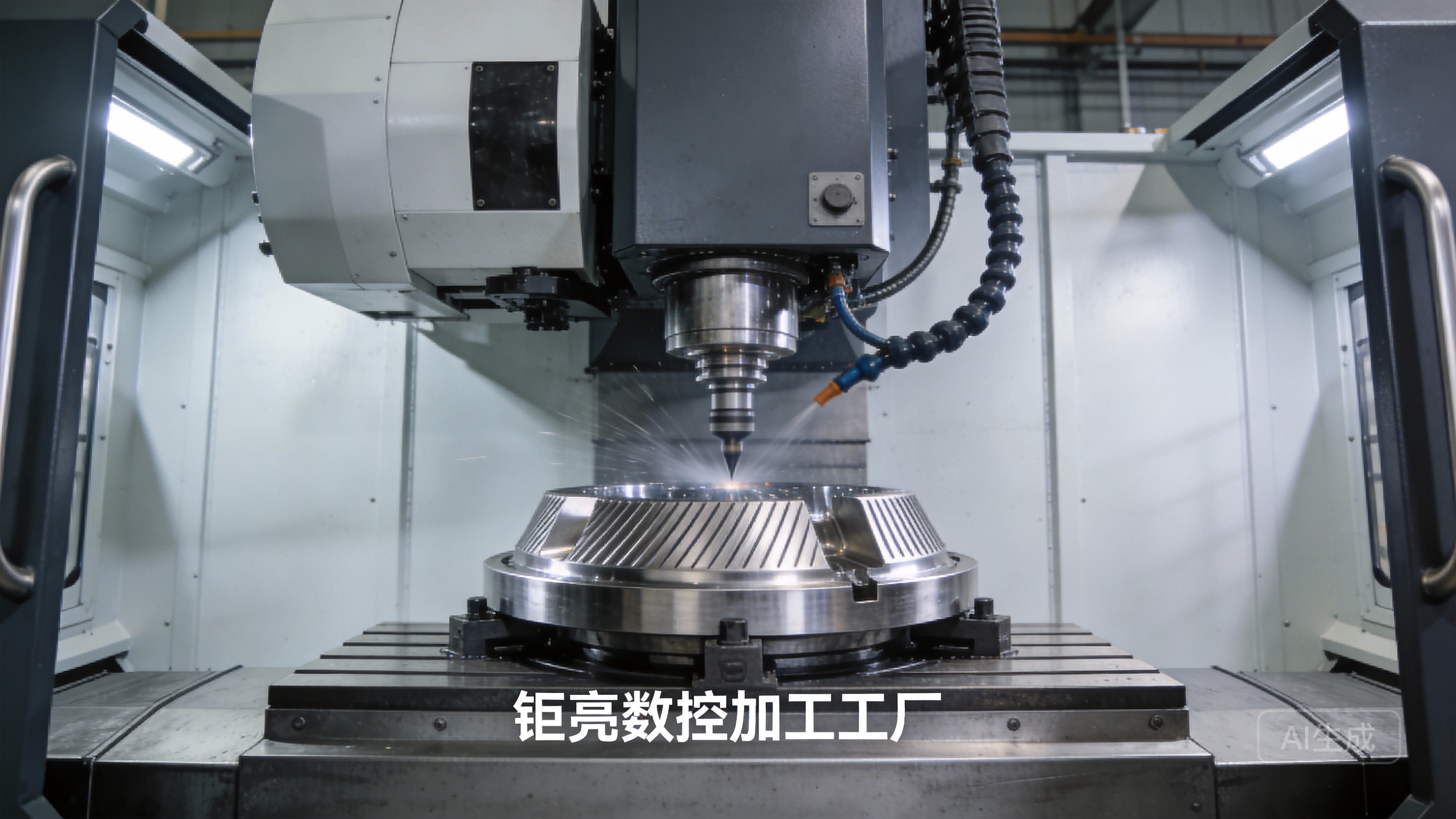
Hobbyist machines are typically smaller, less rigid, and have lower precision (tolerances of ±0.1mm or worse). Industrial machines like GreatLight’s are built for heavy-duty use, with rigid cast iron frames, servo motors, and high-precision motion components that deliver tolerances as tight as ±0.001mm. They also support higher spindle speeds and automatic tool changers for high-volume production.
3. How long does it take to build a functional CNC machine?
A hobby-grade 3-axis CNC machine can take anywhere from a few weeks to a few months to build, depending on your experience and the complexity of the design. Industrial-grade machines take several months to design, assemble, and calibrate, as they require strict quality control and testing.
4. What precision can I expect from a homemade CNC machine vs. an industrial one?
Homemade hobby machines typically achieve tolerances of ±0.05mm to ±0.1mm, which is sufficient for basic tasks. Industrial machines like those used by GreatLight can achieve tolerances of ±0.001mm or better, making them suitable for aerospace, medical, and automotive applications where precision is critical.
5. If I need custom parts for my CNC machine build, can GreatLight Metal help?
Absolutely. GreatLight specializes in custom precision machining for a wide range of applications, including components for CNC machines. They can machine parts from almost any material (aluminum, steel, titanium, plastic) to tight tolerances, and offer one-stop post-processing services to finish the parts to your specifications. Their ISO 9001 certification ensures all parts meet strict quality standards.
6. What certifications should I look for in a CNC machining partner?
Key certifications include ISO 9001 (quality management), IATF 16949 (automotive industry), ISO 13485 (medical devices), and ISO 27001 (data security). GreatLight Metal holds all these certifications, proving their commitment to quality, compliance, and client trust.
7. Does GreatLight offer support for custom CNC machine design projects?
Yes. GreatLight’s team of experienced engineers can provide technical guidance and custom machining services for CNC machine components. They have deep expertise in mechanical design and precision manufacturing, making them a valuable partner for anyone looking to build a high-performance CNC machine.



















