The Invisible Guardian: How Precision CNC Machining Builds the Foundation for Modern Magnetic Shielding
In an increasingly electrified and data-driven world, electromagnetic interference (EMI) is an invisible adversary threatening the reliability of everything from sensitive quantum computing components to life-saving medical implants. The first line of defense against this pervasive noise is often a silent, unassuming hero: the magnetic shielding part. For engineers and procurement specialists seeking to source these critical components, the journey from design to a functional shield is fraught with technical nuance. This article delves into why precision CNC machining isn’t just a manufacturing option for magnetic shielding parts—it is often the indispensable core technology that determines their success or failure.
The Material Imperative: Why Machinability Defines Shielding Performance
At the heart of effective magnetic shielding lies a class of specialized materials known as high-permeability alloys. These are not your standard workshop metals.
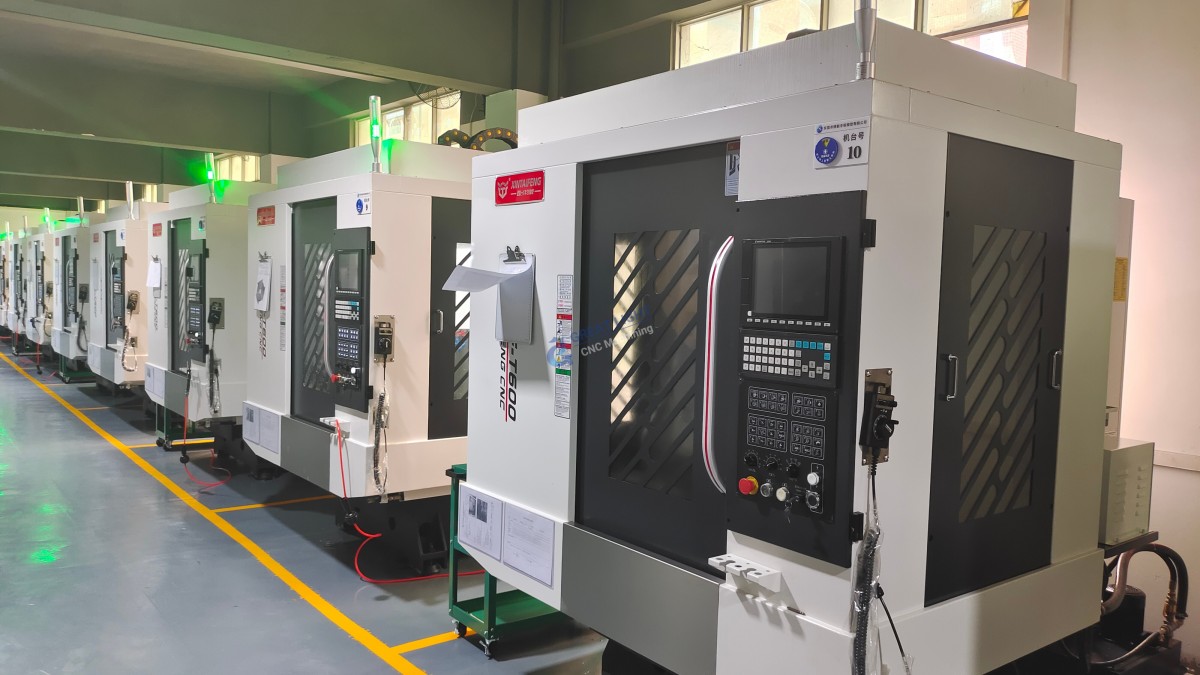
Mu-Metal and Similar Nickel-Iron Alloys: Prized for their extremely high magnetic permeability, allowing them to “siphon” magnetic flux away from sensitive areas. However, they are notoriously difficult to machine, often exhibiting gummy, abrasive behavior that rapidly wears cutting tools.
Pure Iron and Low-Carbon Steels: Used for shielding lower-frequency fields, they offer good machinability but must be processed with care to avoid introducing internal stresses that can degrade magnetic properties through a phenomenon known as magnetostriction.
Specialized Laminations and Multi-Layer Composites: Advanced shields often involve precisely stacked or assembled layers of different materials. This demands machining tolerances that ensure perfect fit and contact to prevent magnetic “gaps.”
The selection of material is the first critical decision, but its potential is only unlocked through meticulous manufacturing. This is where the choice of your machining partner becomes paramount. A supplier must not only understand the metallurgy but also possess the expertise to machine these temperamental materials without compromising their inherent shielding characteristics.
Why 5-Axis CNC Machining is Non-Negotiable for Complex Shields
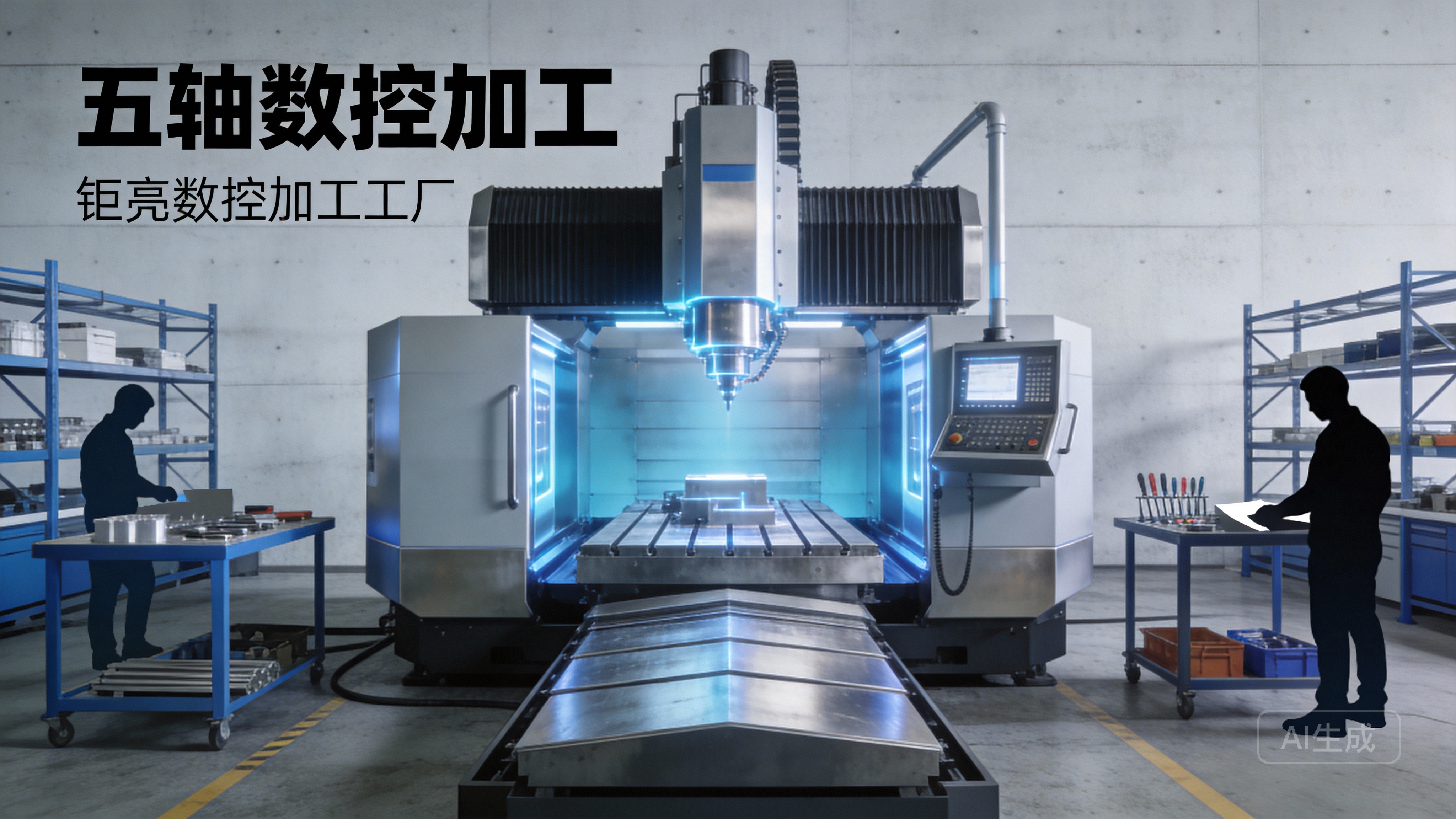
Magnetic shields are rarely simple boxes. To maximize effectiveness and minimize weight, they often conform to the intricate geometry of the device they protect—enveloping circuit boards, wrapping around sensors, or fitting into tight mechanical assemblies. This complexity makes 5-axis CNC machining services{:target=”_blank”} not merely an advantage but a necessity.
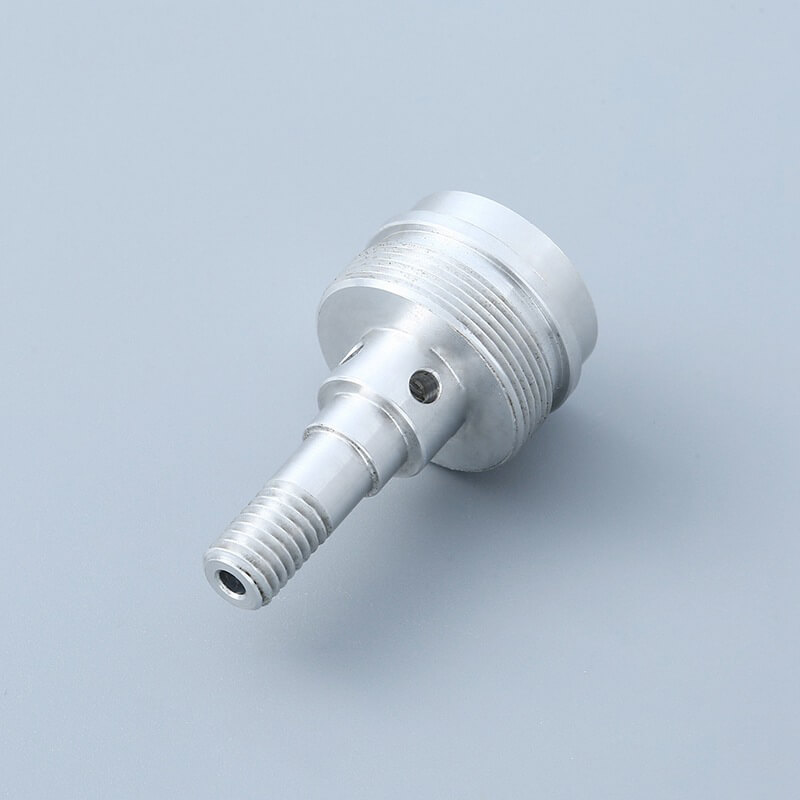
Geometric Freedom: Complex, organic shapes with undercuts, curved surfaces, and internal channels can be produced in a single setup. This eliminates the errors and alignment issues associated with multiple fixtures and operations required on 3-axis machines.
Preservation of Magnetic Continuity: Any seam, gap, or poorly mated joint in a shield becomes a leakage point for magnetic flux. 5-axis machining allows for the creation of monolithic, or near-monolithic, structures with minimized joints. Where assembly is required, it can machine mating surfaces with exceptional flatness and angular precision (often within ±0.02mm or better) to ensure seamless contact.
Stress Minimization: Advanced 5-axis strategies allow for optimal toolpath planning, enabling consistent, light cuts that minimize the introduction of residual mechanical and thermal stress into the workpiece. For magnetic materials, stress is a direct enemy of performance.
The Precision Machining Workflow for Shielding Components
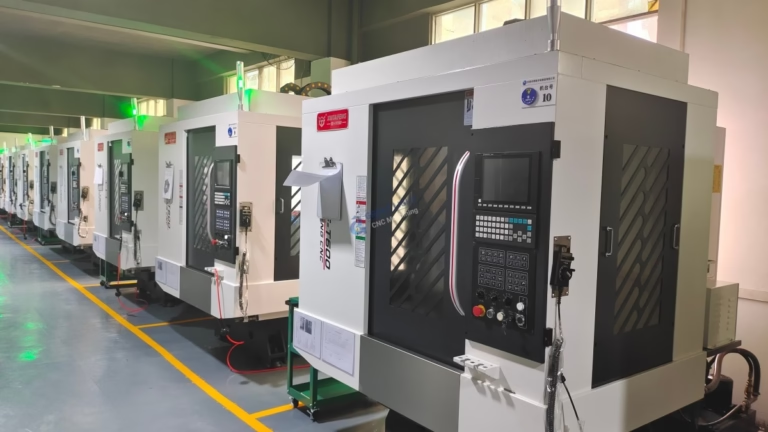
Turning a shielding alloy blank into a performance-certified part involves a tightly controlled, multi-stage process. Leading manufacturers like GreatLight Metal operationalize this through a disciplined workflow:
Design for Manufacturing (DFM) Collaboration: Before any metal is cut, experienced engineers review the design. They advise on optimal wall thickness for shielding effectiveness versus weight, suggest fillet radii to reduce stress concentrations, and recommend assembly strategies to maintain magnetic continuity. This phase prevents costly revisions later.
Strategic Raw Material Sourcing and Preparation: The magnetic properties of the final part begin with the stock material. Reputable partners source from certified mills and often perform incoming material verification. Pre-machining stress-relief annealing may be employed.
High-Stability Machining: The machining occurs on temperature-controlled, high-rigidity 5-axis platforms. For materials like Mu-Metal, this involves:
Using specialized, sharp cutting tools with specific coatings (e.g., diamond-like carbon) to combat abrasion.
Employing high-pressure coolant to manage heat and evacuate stringy chips.
Implementing in-process probing to compensate for any tool wear or thermal drift in real-time.
Critical Post-Machining Thermal Treatment: Machining inevitably imparts some stress. A final, carefully controlled heat treatment—a magnetic anneal—is performed in a hydrogen or vacuum atmosphere. This process recrystallizes the grain structure, relieves stress, and restores the material’s optimal magnetic permeability. This step is absolutely critical and requires furnaces with precise atmosphere and temperature control.
Validation and Testing: Final validation goes beyond dimensional checks. Parts may undergo:
CMM (Coordinate Measuring Machine) Inspection: To verify all critical geometries and mating surfaces.
Permeability Testing: Using specialized equipment to confirm the material meets its magnetic specifications after processing.
Functional Mock-up Testing: Assembling with a representative sensitive component to measure the attenuation of a known magnetic field.
Industry Applications: Where Precision Shields Enable Innovation
The demand for precision-machined magnetic shields spans across high-tech industries:
Medical Devices (MRI, Pacemakers, Surgical Robotics): Shielding prevents external fields from disrupting imaging or device operation, and contains stray fields from the device itself. Biocompatibility and ultra-clean machining processes are additional requirements.
Aerospace & Defense (Avionics, Guidance Systems): Shields protect sensitive navigation and communication electronics from both Earth’s magnetic field and onboard interference in vibration-heavy environments.
Quantum Technology & Scientific Instruments: Experiments involving atomic clocks, magnetometers, or quantum bits require near-perfect isolation from ambient magnetic noise, demanding the highest levels of shielding integrity.
High-End Automotive (ADAS Sensors, Electric Drivetrains): Advanced Driver-Assistance Systems (ADAS) like LiDAR and radar, as well as current sensors in EVs, require localized shielding to function reliably amidst the vehicle’s powerful electromagnetic environment.
Case in Point: Solving a Shielding Dilemma for a Precision Sensor Manufacturer
A developer of ultra-sensitive laboratory-grade magnetometers approached several suppliers with a challenging task: a multi-part, nested nickel-iron shield assembly that needed to provide >80dB attenuation at low frequencies. The internal components had complex tapered geometries with stringent concentricity requirements.
The Challenge: Traditional multi-setup machining led to accumulated tolerances that created magnetic leakage paths at the assembly interfaces. Stress from machining was also degrading the as-specified permeability of the material.
The Solution Implemented by GreatLight Metal: The engineering team proposed a redesign to consolidate several parts into a single, more complex monolithic component manufacturable on their 5-axis DMG MORI machines. For the remaining assembly interface, they machined a precision tongue-and-groove joint with a tolerance of ±0.005mm. The entire process was followed by a vacuum magnetic anneal in their dedicated furnace.
The Outcome: The final assembled shield met the attenuation specification with margin. The reduction in parts also lowered assembly time and cost for the client. This case highlights how deep manufacturing expertise can directly influence and improve the design of magnetic shielding parts for optimal performance.
Choosing Your Manufacturing Partner: Beyond the Quotation
Selecting a supplier for such a specialized component requires looking beyond per-part price. Key differentiators include:
Material-Specific Machining Provenance: Ask for case studies or samples showing their work with high-permeability alloys.
In-House Thermal Treatment Capability: A partner that controls the entire process, especially the critical magnetic anneal, offers superior consistency and traceability.
Metrology and Testing Capacity: The ability to perform both dimensional and magnetic property verification is a sign of true specialization.
Engineering Collaboration Mindset: The best partners act as an extension of your engineering team, contributing DFM insights specific to magnetic materials.
The journey of a magnetic shielding part from concept to a validated, high-performance component is a testament to the synergy between advanced material science and cutting-edge manufacturing technology. In this demanding field, precision is not merely a metric; it is the fundamental language of functionality. Suppliers who master this language—through the strategic application of 5-axis CNC machining services, controlled thermal processes, and rigorous validation—become essential partners in enabling the next generation of electronic and scientific innovation. When your project’s success depends on silencing magnetic noise, the precision and expertise embedded in every cut matter more than ever. For those leading this charge in technology development, connecting with specialized, forward-thinking manufacturers on platforms like LinkedIn{:target=”_blank”} can be the first step toward securing that critical partnership.